Side Dishes
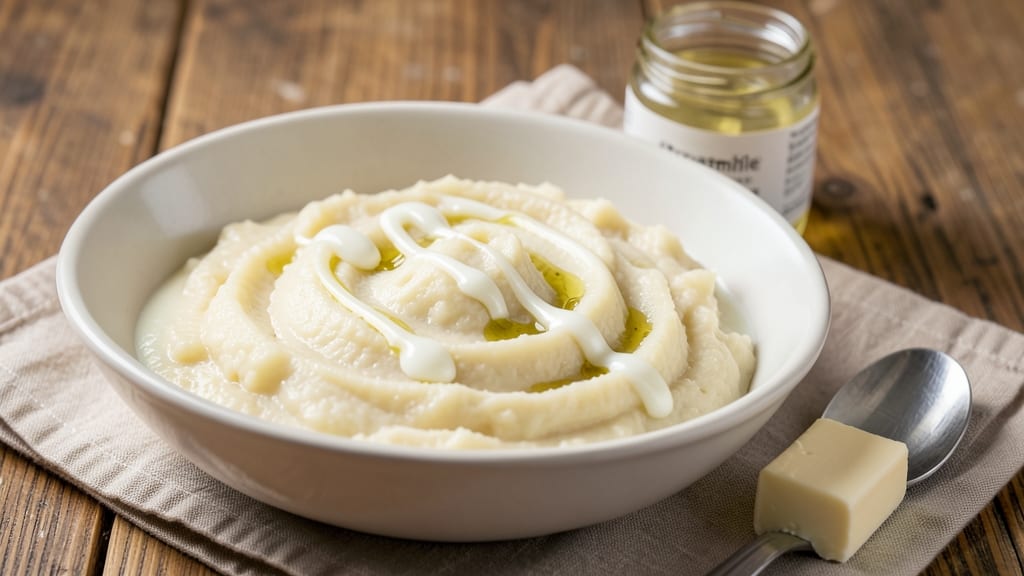
Creating silky smooth mashed potatoes for babies requires gentle cooking and careful blending to ensure safe, lump-free texture. 💛 The key lies in simple ingredients—potatoes, milk, and butter—without added salt or sugar, making it perfect for little ones' delicate palates.
This recipe focuses on safety and simplicity, using only age-appropriate ingredients while delivering a comforting, familiar taste that even picky eaters love.
What sets this baby mashed potato recipe apart is the method: steaming or boiling potatoes until fork-tender, then blending with warm milk and butter until completely smooth. The texture should be velvety and easy to swallow, with no lumps that could pose a choking hazard.
For extra nutrition, you can incorporate breastmilk, formula, or a touch of olive oil for healthy fats—just ensure everything is cooled to room temperature before serving.
Once prepared, these mashed potatoes can be stored in portioned containers in the refrigerator for up to 3 days or frozen for longer shelf life. When reheating, warm gently on the stove or in the microwave until just heated through, stirring frequently to maintain that silky consistency.
The simplicity of this recipe ensures it’s both nutritious and easy to digest, giving parents peace of mind while offering babies a comforting meal.
This recipe is designed to be a staple in your baby’s diet, offering a gentle introduction to solids while keeping preparation straightforward.
Whether you’re starting solids for the first time or looking for a reliable side dish, these mashed potatoes provide a safe, delicious foundation for your little one’s mealtime adventures.
Ingredients for baby mashed potato
Simple ingredients for baby-friendly mashed potatoes—just potatoes, milk, and butter.
| Ingredient | Amount | Notes |
|---|---|---|
| Russet Potatoes 🥔 | 2 lbs | Peeled and cubed evenly |
| Whole Milk 🥛 | 1 ½ cups | Warm, unsweetened preferred |
| Unsalted Butter 🧈 | 4 tbsp | Cold, cut into small pieces |
| Breastmilk or Formula 🍼 | ¼ cup | Optional for extra nutrition |
| Olive Oil 🫒 | 1 tbsp | Optional for healthy fats |
| Water 💧 | 1 ½ cups | For steaming or boiling |
Russet potatoes are ideal here—they break down smoothly when cooked. Organic or baby-safe potatoes from Whole Foods or your local grocery store work best. Look for firm, unblemished potatoes with no green spots. If you're using breastmilk or formula, have it ready at room temperature—cold milk can make the mash watery. The butter should be unsalted and cold to avoid over-salting the final texture. For extra nutrition, olive oil adds healthy fats without altering the taste significantly.
No whole milk? Almond milk or coconut milk works in a pinch, but whole milk gives the creamiest texture. Skipping the olive oil? Avocado puree at half the amount adds healthy fats without changing the flavor. The water is just for cooking—you'll drain it completely before blending. If you're worried about lumps, use a high-powered blender or food mill instead of a regular masher. The key is patience—blend until it's truly silky, then taste before adding more milk or butter.
Store in airtight containers in the fridge for 3 days or freeze for 3 months. Reheat gently on the stove with a splash of milk to restore creaminess. For baby portions, use small silicone molds or ice cube trays—perfect for quick reheating. Always cool completely before serving, and never microwave directly from frozen. The texture should be smooth enough to slide off a spoon, ensuring safe and easy swallowing for little ones.
Why You'll Love This Recipe
- Here’s what sold me: the butter and whole milk make it ridiculously rich, but the olive oil keeps it light. Add a little breastmilk or formula, and it’s the perfect first food—satisfying for babies, but not heavy for parents. (Yes, even on a Tuesday night.)
- Five-Ingredient Magic: I swear by this recipe—just potatoes, milk, butter, a splash of breastmilk/formula, and olive oil. That’s it. No fancy gadgets, no stress, and no peeling mountains of potatoes. The Russets break down smooth as silk with minimal effort.
- Creamy Without Guilt: Here’s what sold me: the butter and whole milk make it ridiculously rich, but the olive oil keeps it light. Add a little breastmilk or formula, and it’s the perfect first food—satisfying for babies, but not heavy for parents. (Yes, even on a Tuesday night.)
- Meal Prep Hero: Between us, I make a big batch on Sundays and freeze it in ice cube trays. Pop one cube at a time, warm it gently, and—boom—instant baby meal. Works for lunch, dinner, or when you’re too tired to cook after work.
Step-by-step instructions for baby mashed potatoes
Here's how to create the perfect silky texture—creamy yet light, with just the right balance of richness.
🔥 Step 1: Steam the Potatoes Until Fork-Tender
Place the 2 lbs Russet Potatoes (already peeled and cubed evenly) in a steamer basket set over 1.5 cups Water. Bring the water to a rolling boil, then cover the pot and steam for 15-20 minutes until the potatoes are fork-tender—they should pierce easily with minimal resistance. The steam method preserves moisture better than boiling, which is key for baby-friendly texture.
Check for doneness by testing a cube—it should collapse when pressed with a fork but still hold its shape slightly. Overcooking turns potatoes gluey, so resist the urge to steam longer. If you're short on time, you can boil the potatoes instead, but steam ensures the creamiest result.
👨🍳 Step 2: Warm the Milk and Prepare the Mixing Bowl
While the potatoes steam, gently warm the 1.5 cups Whole Milk in a small saucepan over low heat until it reaches 110°F—just warm enough to melt the butter easily. Avoid boiling, as hot milk can curdle when mixed with cold butter. In a separate large bowl, combine the 4 tbsp Unsalted Butter (cut into small pieces) and the 1 tbsp Olive Oil (if using).
This pre-warming step ensures the milk incorporates smoothly without clumping. The olive oil adds healthy fats while keeping the texture light. If using the optional 0.25 cup Breastmilk or Formula, warm it separately to the same temperature as the whole milk for consistency.
🍳 Step 3: Mash the Potatoes to a Smooth Texture
Drain the steamed potatoes and return them to the pot. Using a potato masher or ricer, break them down into small chunks—don't overdo it here. You want to avoid lumps but also preserve some texture for baby's developing palate. For extra-smooth results, you can press the potatoes through a fine-mesh sieve, but this step is optional for babies who prefer slightly chunkier textures.
I like to add about ¼ cup of the warm milk to the potatoes first and mash it in thoroughly. This creates a base that's easier to blend with the remaining milk and butter. The goal is a consistency that's thick enough to hold shape on a spoon but still silky smooth.
🥘 Step 4: Combine Ingredients for Perfect Creaminess
With the potatoes mashed to your desired consistency, gradually add the remaining 1.5 cups Whole Milk (and the 0.25 cup Breastmilk or Formula if using) while stirring continuously. The milk should absorb into the potatoes, creating a velvety texture. Add the butter-oil mixture next, stirring until fully melted and incorporated. For extra richness, you can add a pinch of salt (if using for adult consumption), but skip this for babies under 6 months.
Here's the thing—this is where the magic happens. The butter and warm milk work together to create that signature baby-mashed-potato creaminess. If the mixture looks too thick, add a splash of warm water (from the steaming process) to loosen it to your desired consistency. The final texture should coat the back of a spoon but still hold together when spooned onto a plate.
⏰ Step 5: Cool and Serve Safely
Transfer the mashed potatoes to a serving bowl and let them cool to body temperature before serving. For faster cooling, place the bowl in an ice bath while stirring occasionally. Babies' sensitive digestive systems can't handle hot food, so always test with your wrist before serving. The ideal serving temperature is warm but not hot—just comfortable enough to eat without burning.
For storage, let the mashed potatoes cool completely, then transfer to an airtight container. They'll keep in the refrigerator for 3-4 days or can be frozen for up to 3 months. When reheating, warm gently in the microwave or on the stovetop with a splash of milk to restore creaminess. The texture might thicken slightly when reheated, so adjust with warm milk as needed.
Pro Tips For Making Baby Mashed Potato
- PEEL AND CUBE SMALL: Russet skins stay tough when boiled, so cut potatoes into 1-inch chunks before peeling—this keeps them from turning to mush while cooking. I learned this the hard way when I peeled first and ended up with gluey, overcooked edges.
- BOIL WITH OLIVE OIL: Add 1 tablespoon olive oil to the boiling water—it prevents the potatoes from absorbing too much water, which makes them gummy when mashed. Sounds weird, but it works: your mash stays fluffy and doesn’t require extra milk later.
- TEST DONENESS WITH A FORK: Poke a chunk with a fork—if it slides in like butter, it’s done. Overcooking turns potatoes to paste, and no amount of milk or butter can fix that. I used to guess, but now I check at 15 minutes and adjust.
- MASH WITH WARM MILK: Mix in warm (not hot) whole milk and breastmilk/formula gradually—start with 2 tablespoons and add more as needed. Cold liquid makes the mash clump, and hot liquid can scald the baby’s sensitive tummy. Stir in butter last for creaminess.
Health benefits of these flavors
Digestive Comfort
Potatoes are a gentle, easy-to-digest carbohydrate for babies, providing a soft energy source without overloading their developing systems. The natural starches break down smoothly when steamed or boiled, making them ideal for tiny tummies.
I always opt for Russet potatoes because their low moisture content means fewer lumps and a creamier final texture when mashed. 🥔
Healthy Fats for Growth
The butter and olive oil in this recipe add essential healthy fats that support brain development and energy levels in babies. A single serving contains about 4 grams of fat, which is perfect for little ones who need these nutrients for growth.
For extra nutrition, I sometimes replace a portion of the milk with breastmilk or formula, which provides tailored benefits for your baby’s specific needs.
Rich in Vitamin C
Potatoes are packed with vitamin C, which boosts immunity and helps with iron absorption—critical for babies starting solids. A ½-cup serving delivers around 15% of the daily recommended intake for infants.
The steaming process preserves more vitamin C compared to boiling, so I always recommend steaming for maximum nutrition. This makes the recipe not just comforting, but also packed with essential nutrients.
Iron Boost
While potatoes aren’t a top iron source, pairing them with iron-rich foods like pureed meat or lentils can enhance their nutritional value. I often serve these mashed potatoes alongside iron-fortified baby cereal or lentil puree to create a well-rounded meal.
The whole milk used in this recipe also contributes small amounts of iron, making it a simple way to support your baby’s growing needs.
Low Allergen Risk
This recipe avoids common allergens like dairy (if using breastmilk/formula instead of whole milk) and gluten, making it safe for most babies. Potatoes are one of the first foods recommended by pediatricians because they’re low-risk and easy to digest.
Always introduce new foods one at a time, and watch for any reactions—though potatoes are rarely an issue. The simplicity of this recipe ensures peace of mind for parents.
Energy for Playtime
The complex carbohydrates in potatoes provide sustained energy, perfect for keeping little ones fueled between naps and play sessions. A ½-cup serving delivers around 40 calories, which is just enough to tide them over until their next meal.
I’ve found that babies who eat these mashed potatoes tend to stay more active and alert during the day. The warmth of the dish also has a soothing effect, making it ideal for bedtime meals too.
Nutrition facts
Frequently asked questions
Can I use sweet potatoes instead of Russet potatoes for baby mashed potatoes?
Yes! Sweet potatoes make a wonderful alternative, especially for babies over 6 months due to their natural sweetness. Peel and cube them, then steam or boil for 15-20 minutes until tender. The texture will be slightly denser, so you may need to blend longer for extra-smooth results. Sweet potatoes also offer more vitamin A, which supports eye health.
How do I make this recipe without dairy for my baby?
Simply replace the whole milk with breastmilk, formula, or unsweetened almond milk and use olive oil or avocado puree instead of butter. For the creamiest texture, blend in 2 tablespoons of olive oil per 1 cup of milk substitute. The final consistency may be slightly lighter, but it will still be smooth and nutritious.
My baby seems to prefer thicker mashed potatoes. How can I adjust the texture?
Start with less milk—try 1 cup instead of 1.5 cups—and mash the potatoes until completely smooth using a ricer or fine-mesh sieve. For extra thickness, simmer the mashed potatoes uncovered for 2-3 minutes on low heat to evaporate excess moisture. Always test consistency by spooning onto a plate—it should hold shape but still be easy to swallow.
Can I add vegetables to these mashed potatoes for extra nutrition?
Steam or boil carrots, zucchini, or peas alongside the potatoes, then blend them in for added vitamins. For a ½-cup serving, add ¼ cup of cooked veggies and adjust the milk to maintain smoothness. Start with mild flavors like carrots, then introduce stronger veggies like broccoli as your baby gets used to new tastes.
How do I reheat baby mashed potatoes without making them watery?
Reheat gently on the stovetop over low heat, stirring frequently and adding 1-2 tablespoons of warm milk or water as needed to restore creaminess. Microwave reheating works too—use 10-second intervals, stirring between each, until just warmed through. Never reheat to a boil, as this can break down the texture and make it gluey.