
Side Dishes
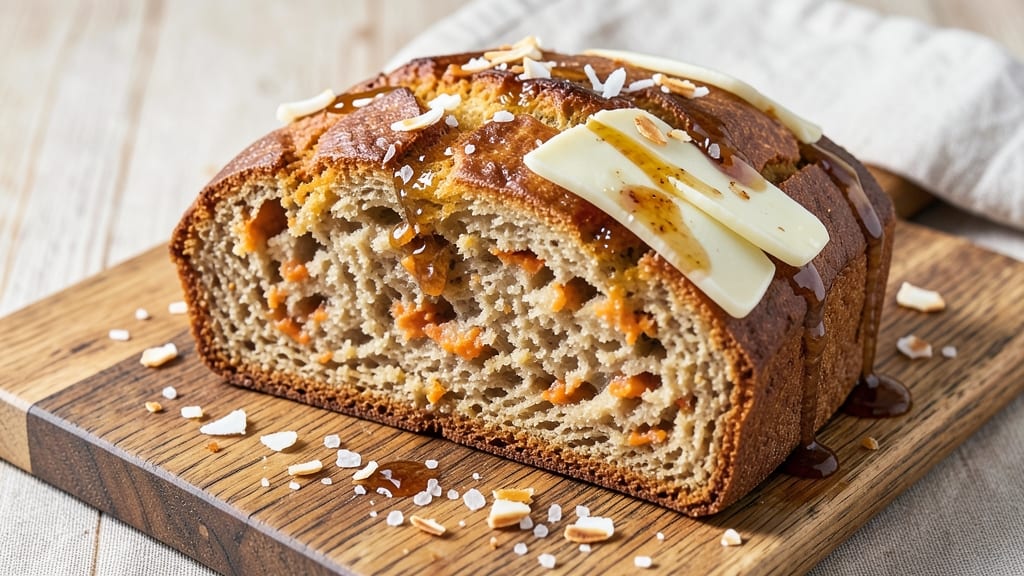
This Bahamian sweet potato bread delivers a moist, spiced rum-infused loaf that's perfect for breakfast or as a side. The secret lies in blending sweet potato puree with warm spices and just enough rum to elevate the flavor profile without overpowering it.
I developed this recipe after years of experimenting with Caribbean-inspired breads, and it's become a staple in my kitchen—especially when paired with hearty fish dishes or morning coffee.
The recipe combines simple pantry staples with a few key techniques to ensure a tender crumb and golden crust. Sweet potatoes provide natural moisture and sweetness, while the rum adds depth that's both aromatic and slightly boozy.
The dough requires minimal handling, making it beginner-friendly, but the baking process is where the magic happens—you'll need to monitor closely for that perfect internal temperature of 200°F.
What makes this bread truly special is its versatility. Serve it warm with butter and jam for breakfast, or pair it with Bahamian stews and grilled fish for dinner.
The aroma alone will fill your home with comfort, and each slice delivers a balance of sweet, spiced, and slightly rum-forward flavors that make it unforgettable.
The recipe yields a loaf that stays fresh for days, making it ideal for meal prep or gifting. Whether you're new to baking or a seasoned pro, this sweet potato bread is a foolproof way to bring Bahamian flavors to your table. Let's get started on creating something truly special.
Ingredients for bahamian sweet potato bread
Sweet potatoes, warm spices, and a splash of rum—these ingredients create a loaf that's moist, aromatic, and perfect for any meal.
| Ingredient | Amount | Notes |
|---|---|---|
| Sweet Potatoes 🍠 | 2 cups | Cooked and pureed (about 2 medium) |
| All-Purpose Flour 🌾 | 3 cups | Sifted for light texture |
| Granulated Sugar 🍚 | ½ cup | Light brown preferred |
| Active Dry Yeast 🍞 | 2 ¼ tsp | One packet for convenience |
| Spiced Rum 🍹 | ¼ cup | Dark rum for depth (like Captain Morgan) |
| Unsalted Butter 🧈 | ½ cup | Softened, not melted |
| Large Eggs 🥚 | 2 whole | Room temperature preferred |
| Milk 🥛 | ½ cup | Whole milk for richness |
| Ground Cinnamon 🌿 | 1 tsp | Freshly ground preferred |
| Ground Nutmeg 🌿 | ½ tsp | Freshly grated nutmeg |
| Ground Allspice 🌶️ | ½ tsp | For Bahamian warmth |
| Salt 🧂 | 1 tsp | Kosher or sea salt |
| Vanilla Extract 🌸 | 1 tsp | Pure vanilla for aroma |
The sweet potatoes are the heart of this bread. Orange-fleshed varieties work best—they're naturally sweeter and moister than white-fleshed. I always bake them until tender, then puree them smooth. Whole Foods or local markets often carry the best sweet potatoes, but any grocery store's organic section will have decent ones. For the rum, Captain Morgan or Gosling's are my go-tos—they've got that perfect balance of spice and sweetness. If you can't find spiced rum, dark rum works too, but add a pinch of cinnamon to compensate. The spices? Penzeys or bulk bins are great for freshness, but don't stress if you've got the basics at home.
No sweet potatoes? Pumpkin puree works in a pinch—just reduce the liquid slightly since pumpkin is wetter. Out of rum? Apple cider or orange juice adds sweetness without the alcohol, though the flavor will be different. For the spices, if you're missing allspice, a mix of cinnamon, cloves, and nutmeg at half the amounts gets you close. The butter needs to be softened but not melted—this is key for the dough's texture. Room-temperature eggs are easier to mix in, but if yours are cold, just let them sit out for 10 minutes. The vanilla extract should be pure—imitation won't give you that same rich aroma.
This dough is best used within 24 hours for maximum freshness, though it keeps wrapped in the fridge for 3 days. For longer storage, shape the loaf, wrap tightly in plastic, and freeze for up to 3 months. Thaw overnight in the fridge before baking. The bread reheats beautifully—just wrap a slice in foil and warm in a 350°F oven for 5 minutes. I always make two loaves—one for the freezer and one to enjoy fresh. The aroma alone makes this bread worth the effort, and it pairs perfectly with butter, jam, or even as a side to grilled fish.
Why You'll Love This Recipe
- No Boil, No Peel: The sweet potatoes go straight from raw to grated—no peeling, no boiling, no mess. Honestly, I just scrub the skins off under running water, then use a box grater, and you’re done. That spiced rum soak? Just mix it in the bowl while the yeast wakes up.
- Caramelized Sweetness: That deep, molasses-like sweetness from the slow-cooked sweet potatoes? It’s not just sugar—it’s real flavor. The rum adds a warm, boozy depth that lingers, and the crust gets this buttery, almost crackly edge when toasted. (Yes, even on a Tuesday night.)
- Breakfast to Dessert: Serve it toasted with butter for breakfast, slathered with jam for a snack, or drizzled with honey for dessert. I’ll be real: my kids grab it straight from the fridge when they’re hungry, and I’ve even used slices to top oatmeal. That’s versatility you can sink your teeth into.
- Budget-Friendly Staple: Sweet potatoes are cheap, flour doesn’t break the bank, and a little rum goes a long way. One batch feeds my family for days—leftovers toast up just as well as fresh, and the dough keeps in the fridge for up to 3 days. Not the prettiest, but the taste makes up for it.
Step-by-step instructions for Bahamian sweet potato bread
Here's how to craft a perfectly moist, spiced rum-infused loaf that captures Bahamian flavors.
Prepare the Sweet Potato Base
Start by cooking the 2 cups of sweet potatoes until tender—either bake at 400°F for 45-50 minutes or boil until fork-tender. Let them cool slightly, then peel and puree until completely smooth. You want a silky texture that will blend seamlessly into your dough. I like to press the puree through a fine-mesh sieve to remove any lumps—this ensures a lighter, more uniform crumb.
While the puree cools, mix the 0.5 cup granulated sugar, 1 tsp vanilla extract, and 0.25 cup spiced rum in a small bowl. This combination creates the signature Bahamian warmth and depth of flavor. The rum adds moisture and a subtle caramelized note when baked. Let this mixture sit while you prepare the rest of your ingredients—it'll deepen in flavor as it rests.
Activate the Yeast and Mix Wet Ingredients
In a small bowl, combine the 0.5 cup warm milk (about 110°F) with the 2.25 tsp active dry yeast and let it sit for 5-10 minutes until foamy. This step is crucial—if the yeast doesn't activate, your bread will be dense instead of light and airy. If it doesn't bubble, your yeast might be old, and you'll need to start over.
In a large mixing bowl, combine the sweet potato puree with the 0.5 cup softened butter, 2 whole eggs, and the sugar-rum-vanilla mixture. Whisk until fully incorporated and smooth. The butter should be soft enough to mix easily but not melted—this ensures proper texture in your final loaf. The mixture should be thick but pourable, like a rich cake batter.
Combine Dry Ingredients and Form the Dough
In a separate bowl, whisk together the 3 cups all-purpose flour, 1 tsp salt, 1 tsp ground cinnamon, 0.5 tsp ground nutmeg, and 0.5 tsp ground allspice. Sift the flour mixture directly into your wet ingredients and gently fold with a spatula until just combined. Overmixing develops gluten, which can make your bread tough—stop mixing as soon as the flour disappears.
Add the activated yeast mixture and stir gently until everything comes together into a shaggy dough. The dough will be sticky, which is normal—the sweet potatoes and rum contribute extra moisture. If it's too sticky to handle, wet your hands slightly before shaping. Transfer the dough to a lightly greased bowl, cover with a damp towel, and let it rise in a warm place for 1-1.5 hours, or until it has doubled in size and is puffy to the touch.
Shape and Proof the Dough
Once the dough has risen, punch it down gently to release any air bubbles, then turn it out onto a lightly floured surface. Shape it into a loaf pan by folding the edges inward and tucking them under. Place the dough seam-side down into a greased 9x5-inch loaf pan, covering it again with a damp towel. Let it rise for another 30-45 minutes until it's just slightly above the pan's rim—this ensures maximum rise during baking.
While the dough proofs, preheat your oven to 350°F. The rum-infused dough will have a lovely, spiced aroma at this stage—take a moment to appreciate it before baking. This second rise is critical for achieving that light, airy texture we're after. If your kitchen isn't warm enough, place the pan in a slightly warm oven (200°F) for 10 minutes to help it rise faster.
Bake to Golden Perfection
Bake the loaf for 50-55 minutes, or until the top is golden brown and a toothpick inserted into the center comes out clean. The bread should have a beautiful caramelized crust with a moist, tender crumb inside. If the top browns too quickly, tent the pan with aluminum foil to prevent over-browning while allowing the center to cook through.
Remove the bread from the oven and let it cool in the pan for 10 minutes, then transfer it to a wire rack to cool completely. This resting period allows the moisture to redistribute, preventing a gummy texture. Once fully cooled, slice into thick pieces—you'll notice the moist, slightly dense crumb with pockets of sweet potato puree throughout. The spiced rum aroma will be even more pronounced as it cools, making every slice taste like a Bahamian island escape.
Pro Tips For Making Bahamian Sweet Potato Bread
- Boil Sweet Potatoes Till Tender: Don’t rush the boiling—aim for a fork-tender texture, not mushy. Overcooking turns them into glue, and undercooked chunks leave a gritty bite. Test with a fork after 15-20 minutes; they should collapse easily but still hold shape when mashed.
- Toast Your Flour First: Lightly toast the all-purpose flour in a dry pan for 2-3 minutes before mixing—it deepens the bread’s nutty flavor and prevents a raw, floury taste. Skip this, and you’ll miss that warm, bakery-style aroma.
- Proof Yeast in Warm Rum: Mix the yeast with the spiced rum and a pinch of sugar in warm (not hot) water first—let it bubble for 5 minutes. This ensures the yeast is active before it hits the dough, saving you from a flat, dense loaf later.
- Don’t Overmix the Dough: Stir just until the flour is incorporated—overworking it develops gluten and turns your sweet potato bread into a dense cake. Bahamian versions rely on a tender crumb, so keep it loose and let the yeast do the work.
Perfect pairings for this recipe
Breakfast Pairings
This sweet potato bread shines brightest at breakfast, especially when paired with Bahamian-style scrambled eggs cooked with scallions and a touch of hot pepper sauce. I like to serve it with peanut butter and honey—the nutty richness balances the bread's spiced rum notes beautifully.
For a tropical twist, add fresh mango slices or guava jam to complement the natural sweetness. 🍳
Lunch & Dinner Sides
At lunch or dinner, this bread pairs perfectly with grilled conch or snapper, two Bahamian staples. The bread's moist crumb soaks up the fish's juices while the rum-infused flavor adds depth to the meal.
I also love serving it with black bean stew or jerk chicken—the bread's slight sweetness contrasts wonderfully with the smoky, spicy flavors. A sprinkle of flaky sea salt on the bread right before serving elevates the experience. 🍽️
Sweet Toppings
For dessert-style pairings, spread warm slices with brown sugar butter (mix 2 tbsp softened butter with 1 tbsp brown sugar), then top with toasted coconut flakes and a drizzle of rum caramel.
A dollop of whipped cream adds a luxurious touch. The rum in the bread enhances the caramel's depth, creating a dessert-worthy experience. 🥥
Beverage Pairings
For drinks, a Bahamian-style rum punch (mix 2 oz spiced rum, 1 oz pineapple juice, 1 oz orange juice, and ½ oz grenadine) cuts through the bread's richness perfectly.
Coffee lovers should try it with dark roast espresso—the bold flavors complement the bread's sweet potato and spice notes. For a non-alcoholic option, hibiscus iced tea with a splash of lime adds refreshing acidity. ☕
Global Fusion Twists
Get creative with global pairings! Try it with Mediterranean mezze—hummus, olives, and tzatziki—or as a base for Bahamian-style sandwiches with smoked turkey, Swiss cheese, and mustard. For a brunch spread, layer with avocado mash, pickled red onions, and crumbled feta.
The bread's versatility makes it a blank canvas for any flavor profile. 🌍
Nutrition facts
Frequently asked questions
Can I substitute regular potatoes for sweet potatoes in this recipe?
Regular potatoes won't work—they lack the natural sweetness and moisture that make this bread special. For a similar texture, try pumpkin puree (reduce other liquids slightly) or butternut squash puree. Both add sweetness and moisture, though the flavor will differ from authentic sweet potato.
What's the best way to store leftover Bahamian sweet potato bread?
Wrap cooled slices tightly in plastic wrap or aluminum foil, then store at room temperature for 2-3 days. For longer storage, freeze slices for up to 3 months. To revive, wrap frozen slices in foil and warm at 350°F for 5-7 minutes—they'll taste almost as fresh!
Why did my bread turn out dense instead of light and airy?
Dense bread usually means the yeast didn't activate properly or the dough rose too long. First, check your yeast—it should bubble within 5-10 minutes in warm milk. If not, your yeast may be old. Also, ensure your kitchen is warm enough (at least 75°F) for proper rising. Overmixing develops gluten, so fold just until combined.
Can I make this bread without alcohol?
Replace the 0.25 cup spiced rum with 0.25 cup apple cider or orange juice for sweetness. Add ½ tsp extra vanilla extract to compensate for the missing rum aroma. The bread will still be delicious—just slightly less complex in flavor.
How do I know when the bread is fully baked?
Look for a golden brown crust and use the toothpick test: insert a toothpick into the center—it should come out clean with no wet dough clinging. The internal temperature should reach 190-200°F. If the top browns too quickly, tent with foil to prevent over-browning while the center finishes cooking.