
Side Dishes
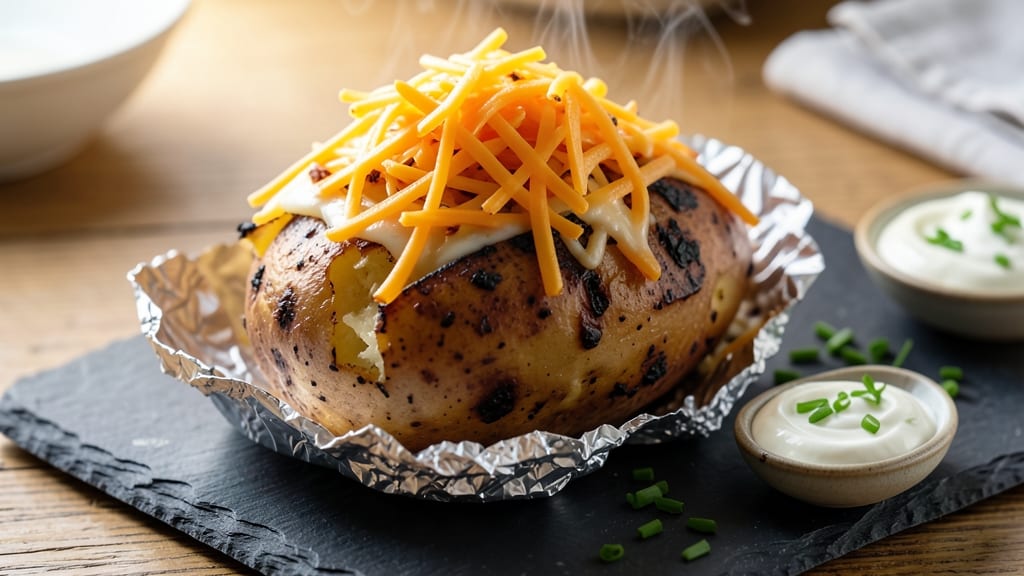
A baked potato in oven wrapped in foil delivers restaurant-quality results with minimal effort—crispy edges, fluffy interior, and all the steam trapped inside for perfect texture. This method ensures even cooking and prevents drying, making it ideal for meal prep or game day sides.
The foil creates a steam chamber that transforms tough russets into tender, buttery clouds with just 400°F and 60 minutes of hands-off time.
The secret lies in the foil technique: pierce the potato first to release steam, then wrap it snugly to lock in moisture. Most recipes overlook this step, leading to uneven cooking or soggy centers.
Here, we balance high heat with proper wrapping to achieve that coveted creamy interior while developing crispy, caramelized edges—no peeling or pre-boiling required.
Once baked, the potato’s skin will be slightly charred at the edges, while the flesh inside is so tender it collapses at a fork’s touch. This method works equally well for russets, Yukon Golds, or sweet potatoes, making it versatile for any menu.
The steam-infused texture makes it ideal for loading with toppings like butter, sour cream, and chives.
Perfect for feeding a crowd or meal prepping, this recipe delivers foolproof results every time. The foil wrapping also simplifies cleanup—just toss the wrapper and serve. Whether you're hosting a gathering or craving a comforting side, this technique ensures a restaurant-quality potato with minimal effort.
Ingredients for baked potato in oven wrapped in foil
Six russets and a few simple toppings transform into restaurant-quality potatoes with crispy edges and buttery steam.
| Ingredient | Amount | Notes |
|---|---|---|
| Russet Potatoes 🥔 | 6 whole | Medium-large size, unpeeled |
| Aluminum Foil 📄 | 2 sheets | Heavy-duty, 12x17 inches |
| Unsalted Butter 🧈 | ½ cup | Cold, cubed for topping |
| Sour Cream 🥛 | ½ cup | Full-fat for creaminess |
| Shredded Cheddar Cheese 🧀 | 1 cup | Sharp cheddar preferred |
| Chives 🌿 | ¼ cup | Fresh, finely chopped |
| Kosher Salt 🧂 | 1 ½ tsp | Diamond Crystal preferred |
| Black Pepper 🌶️ | ½ tsp | Freshly ground preferred |
| Garlic Powder 🧄 | ½ tsp | For seasoning |
| Olive Oil 🫒 | 1 tbsp | For brushing foil |
| Bacon Bits 🥓 | ¼ cup | Optional topping |
| Green Onions 🧅 | 2 whole | Sliced for garnish |
The potatoes are the star—russets for classic fluffiness, but Yukon Golds or sweet potatoes work equally well. Grab medium-large potatoes (about 1.5 lbs each) from the grocery store's produce section, where they're typically stored at cooler temperatures to maintain freshness. Costco or Trader Joe's often have organic russets at competitive prices. Avoid potatoes with sprouts or soft spots; they won't steam properly. For meal prep, buy a 3-pound bag and store the extras in a cool, dark pantry for up to 2 weeks—just let them sit at room temperature before baking.
No aluminum foil? Heavy-duty parchment paper works in a pinch, though it won't crisp edges as dramatically. The butter should be cold and cubed—room temperature butter melts too quickly and makes the potatoes soggy. Short on sour cream? Greek yogurt at half the amount adds tang without thinning the texture. Cheese substitutions? Parmesan for sharpness or blue cheese for bold flavor. The chives can be swapped for green onions or parsley if needed. For extra crispiness, brush the foil with olive oil before wrapping—just a light coat to prevent sticking.
Store leftover baked potatoes in an airtight container for up to 3 days, but reheating them properly is key. Wrap them in fresh foil and bake at 350°F for 15 minutes to restore that steamy interior. For meal prep, bake a batch and store the toppings separately—assemble just before serving to keep everything fresh. The foil wrappers can be reused for reheating, but replace them if they tear. These potatoes reheat beautifully, making them perfect for game day or office lunches. Freeze baked potatoes for up to 2 months by wrapping them tightly in foil and plastic wrap.
Why You'll Love This Recipe
- Foolproof Foil Hack: I swear by this method—just poke, butter, wrap, and bake. No peeling, no fuss, no waiting for a skillet to heat. The foil does all the work while I’m still deciding what to watch on TV.
- Creamy-Crisp Magic: That buttery foil trap? It turns the potato into a fluffy cloud with a crispy edge—like a hug from a starchy angel. Top it with sour cream and cheddar, and you’ve got the ultimate cheat-code comfort food.
- Game for Any Night: Between us, this is my go-to for lazy nights, game days, or when I’m feeding a crowd. Double the batch, halve the effort—it’s the kind of dish that disappears faster than my willpower when it’s cold outside.
- Zero-Waste Leftovers: Honestly, I make two or three at once because they reheat like a dream. Pop them in the microwave for 30 seconds, add a dollop of sour cream, and no one will guess they’re yesterday’s dinner. Budget-friendly? Absolutely.
Step-by-step instructions for baked potatoes with charred edges and buttery steam
Master the art of oven-baked potatoes that develop crispy, charred edges while keeping their insides fluffy and moist.
Prep and Season the Potatoes
Preheat your oven to 425°F with the rack positioned in the lower third of the oven. Scrub the 6 whole Russet Potatoes thoroughly under cold water to remove any dirt, then pat them completely dry with paper towels. This step is crucial—any moisture left on the skin will prevent proper browning.
Using a sharp knife, prick each potato all over with small holes (about ¼ inch deep) to allow steam to escape. This prevents them from bursting during baking. Place the potatoes on a clean work surface and rub each one generously with 1 tablespoon olive oil until evenly coated. Sprinkle with 1 teaspoon kosher salt, ¼ teaspoon black pepper, and ¼ teaspoon garlic powder, pressing the seasoning into the skin so it adheres well.
Wrap and Position for Even Cooking
Cut two 12x17-inch sheets of heavy-duty aluminum foil into thirds, giving you six equal pieces. Place one potato on each foil piece, positioning them about 2 inches apart to allow heat circulation. Drizzle 1 tablespoon olive oil over each potato, then fold the foil tightly around each one, sealing the edges completely. The goal is to create an airtight package that traps steam while allowing the potatoes to develop crispy edges.
Arrange the wrapped potatoes on a baking sheet, leaving space between them. This prevents them from touching and ensures even browning. The foil should be snug but not so tight that it restricts expansion. If you notice any gaps, press the foil down firmly to maintain the seal.
Bake Until Crispy and Tender
Place the baking sheet in the preheated oven and bake for 60 minutes. After the initial hour, carefully remove one potato from the oven and check for doneness. Press the foil gently—if it resists slightly but still feels soft underneath, it's ready. If it feels firm, return all potatoes to the oven for another 10-15 minutes. The key is to achieve a balance: crispy, charred edges with a fluffy, moist interior.
During the last 10 minutes of baking, open the oven door slightly and use a kitchen towel to gently press down on the foil-wrapped potatoes. This creates those coveted charred edges while keeping the interior tender. Rotate the baking sheet halfway through for even cooking if your oven has hot spots.
Top and Serve Immediately
Once the potatoes are tender, remove them from the oven and carefully open the foil. Using a fork, poke holes in the top of each potato to allow steam to escape. Immediately top each potato with 2 tablespoons unsalted butter, 2 tablespoons shredded cheddar cheese, and 1 tablespoon sour cream. Sprinkle with 1 tablespoon bacon bits and 1 tablespoon finely chopped chives, then garnish with sliced green onions.
Let the potatoes sit for 2-3 minutes to melt the cheese slightly, then serve immediately. The contrast between the crispy, charred exterior and the creamy, buttery interior is what makes this method exceptional. If you're serving a crowd, keep the remaining potatoes wrapped in foil until ready to serve to maintain their warmth and moisture.
Pro Tips For Making Baked Potato In Oven Wrapped In Foil
- PIERCE THE SKIN FIRST: I learned this the hard way—skipping the fork pricks in the center of the potato before baking leads to uneven cooking. Use a fork to make 4 shallow holes around the middle; steam escapes better, and the inside finishes without turning gummy.
- USE A THIN BUTTER LAYER: Dumping a pat of butter on top of the cheese won’t melt evenly. Instead, rub a thin layer of softened unsalted butter inside the foil before adding cheese—it coats the potato evenly and prevents dry spots. (Yes, even if you’re impatient like me.)
- DON’T OVERFOIL THE TOP: Tightly sealing the potato in foil traps moisture, but the top still needs air to crisp slightly. After wrapping, leave a 1-inch gap at the top—just enough to let steam escape. This keeps the skin tender without making it soggy.
- SALT THE POTATO BEFORE WRAPPING: I used to add salt after baking, but the flavor gets lost under the cheese. Sprinkle a generous pinch of salt directly on the potato before wrapping it in foil—it seasons the flesh as it steams, not just the surface. (Your future self will notice the difference.)
Common mistakes when making this dish
Overcooking the Foil
One of the biggest mistakes is leaving the potatoes wrapped in foil for too long. While the foil traps steam, it can also lead to overly soft, mushy centers if baked beyond 60-75 minutes. I’ve seen people bake these for 2+ hours, thinking more time equals better results—wrong!
The potatoes should be tender but still hold their shape when pierced with a fork. If they feel like butter, you’ve gone too far. 🌡️
Skipping the Piercing Step
Failing to prick the potatoes before wrapping is a recipe for disaster. Those tiny holes allow steam to escape, preventing exploding potatoes in the oven. I once forgot this step and ended up with foil packages bursting open mid-bake, leaving me with a messy oven and undercooked potatoes.
Use a fork to create ¼-inch holes all over the skin—it’s a game-changer for even cooking.
Uneven Foil Sealing
Poorly sealed foil creates steam leaks, leading to dry, unevenly cooked potatoes. The edges of the foil must be completely sealed—no gaps or loose folds. I recommend double-folding the edges to lock in moisture.
If you’re in a hurry, press down firmly with a rolling pin to create a tight seal. This ensures the steam stays inside where it belongs, keeping the interior fluffy.
Ignoring Oven Temperature
Baking at the wrong temperature is a common downfall. Too low (375°F) and you’ll end up with soggy potatoes; too high (450°F) and the outsides burn before the insides cook.
Stick to 425°F for the first hour, then adjust as needed. I’ve found that rotating the tray halfway through helps with even browning, especially in ovens with hot spots.
Not Brushing with Oil
Dry foil means dry potatoes. Many recipes skip the step of brushing the foil with olive oil before wrapping, which prevents sticking and helps create those crispy charred edges. A light coat of oil on the foil also ensures the potatoes don’t dry out during baking.
Trust me, this small step makes a huge difference in texture and flavor. 🔥
Overloading the Pan
Crowding the baking sheet leads to uneven cooking and steam buildup that can make the potatoes soggy. Leave at least 2 inches of space** between each foil-wrapped potato. I’ve seen people fit six potatoes on a single sheet with no room to breathe—this is a recipe for disaster.
If your sheet is small, bake in batches or use a larger tray to give them room to develop crispy edges.
Nutrition facts
Frequently asked questions
Can I use Yukon Gold potatoes instead of russets?
Yukon Golds work beautifully—they have a creamier texture and slightly sweeter flavor. Just reduce the baking time by 5-10 minutes since they cook faster than russets. The foil method still creates that perfect steamy interior, though Yukon Golds may develop slightly softer edges.
Why do my foil-wrapped potatoes turn out soggy?
Soggy potatoes usually mean one of two things: either the foil wasn't sealed tightly enough (creating steam leaks) or they were overcooked. Seal the foil completely with double folds, and bake for no more than 60-75 minutes. The potatoes should be tender but still hold their shape when pierced.
Can I make these potatoes ahead of time?
Yes! Bake them up to 2 days ahead and store in an airtight container. Reheat by wrapping in fresh foil and baking at 350°F for 15 minutes. For meal prep, keep toppings separate until serving to maintain freshness. The foil method actually makes reheating easier than traditional baked potatoes.
What's the best way to get crispy edges without burning?
The trick is timing and pressure. In the last 10 minutes of baking, open the oven door slightly and press down on the foil-wrapped potatoes with a kitchen towel. This creates charred edges while keeping the interior fluffy. Use 425°F consistently—higher temps risk burning before the inside cooks.
Can I use parchment paper instead of foil?
Parchment paper works but won't give you the same crispy edges. The foil's heat conductivity creates that perfect char while trapping steam. If you prefer parchment, brush it with oil first and bake at 400°F for 5-10 minutes longer to compensate for the different heat transfer.