
Soups & Stews
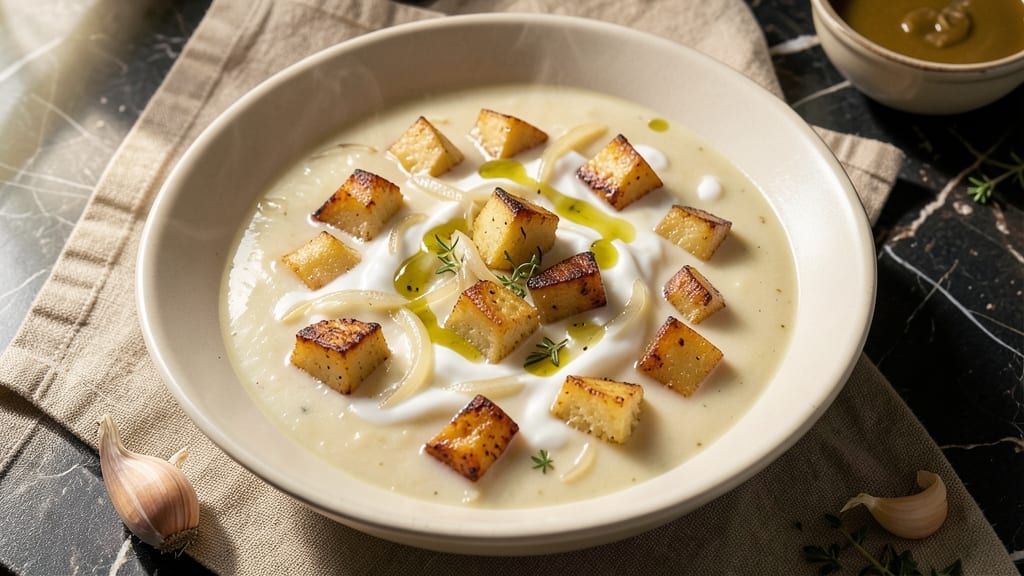
This basic cream of potato soup recipe delivers velvety smoothness with a depth of flavor that comes from roasting the potatoes first. The technique transforms ordinary russets into caramelized, flavorful pieces that blend into a rich, creamy broth without a trace of gummy texture.
What makes this recipe stand out is how simple yet professional the results feel—no heavy cream, no complicated techniques, just a perfectly balanced soup that tastes like it simmered all day.
The process begins with roasting the potatoes at high heat to develop natural sweetness and caramelization before simmering them in broth. This step eliminates the need for excessive butter or cream while building complex flavor.
Once blended, the soup returns to the pot where a touch of heavy cream and roasted garlic elevate it to restaurant-quality richness. The key is patience—allowing the soup to simmer gently so the flavors meld without breaking apart.
What you'll end up with is a velvety, golden soup with just the right amount of creaminess and a subtle caramelized depth from the roasted potatoes. The texture is impossibly smooth yet still hearty enough to satisfy on chilly evenings.
This recipe serves as a foolproof foundation that you can easily customize with herbs, bacon, or a sprinkle of cheese for extra indulgence.
Perfect for weeknight dinners or meal prep, this soup reheats beautifully while maintaining its creamy texture. The roasted potato technique ensures every spoonful delivers that perfect balance of sweetness and savory depth.
Ready in under an hour, it's the kind of comforting meal that feels like a warm hug in a bowl.
Ingredients for basic cream of potato soup
Roasted potatoes and simple pantry staples create this restaurant-quality cream of potato soup.
| Ingredient | Amount | Notes |
|---|---|---|
| Russet Potatoes 🥔 | 2 lbs | Medium size, unpeeled |
| Extra-Virgin Olive Oil 🫒 | ½ cup | For roasting potatoes |
| Yellow Onion 🧅 | 1 whole | Medium size, diced |
| Garlic Cloves 🧄 | 4 cloves | Roasted for depth |
| Chicken Broth 💧 | 4 cups | Low-sodium preferred |
| Heavy Cream 🥛 | ½ cup | Full-fat for richness |
| Unsalted Butter 🧈 | 2 tbsp | European-style preferred |
| Salt 🧂 | 1 ½ tsp | Kosher or sea salt |
| Black Pepper 🌶️ | ½ tsp | Freshly ground preferred |
| Fresh Thyme 🌿 | 1 tbsp | Leaves only, chopped |
| Fresh Parsley 🌿 | 2 tbsp | Chopped, for garnish |
| Roasted Garlic 🧄 | 1 clove | Optional, for extra depth |
The potatoes are the foundation—russets work best with their high starch content. Buy them a few days ahead if possible, so they're firm and free of sprouts. Whole Foods or Trader Joe's carry excellent russets year-round. For the roasting, cut them into even 1-inch chunks so they caramelize uniformly. Don't skip the roasting step—it develops that sweet, nutty depth that separates this from basic boiled potato soup. The olive oil should be extra-virgin for the best flavor, but any good-quality oil will work.
No heavy cream? Coconut milk adds richness without overpowering the potato flavor. Fresh thyme can be swapped for dried thyme at one-third the amount, but fresh has a brighter flavor. The chicken broth is non-negotiable for depth—store-bought low-sodium is fine, but homemade tastes even better. For an extra layer of flavor, roast the garlic cloves along with the potatoes (wrap them in foil first). If you're feeling adventurous, swap the heavy cream for Greek yogurt at half the amount for a tangier twist. The parsley is purely for garnish, but it adds a fresh pop of color.
Roasted potatoes keep in the fridge for 5 days if stored properly, but blend them fresh for the best texture. The finished soup reheats beautifully—just warm gently on the stove, stirring occasionally. For meal prep, portion into containers and freeze for up to 3 months. The creaminess holds up well, but add a splash of milk when reheating if it seems too thick. This soup tastes even better the next day as the flavors meld together—perfect for making ahead for busy weeknights.
Why You'll Love This Recipe
- Foolproof Stovetop: I swear by this method—just peel, cube, and simmer. No fancy gadgets, no blender required. The Russets break down into that velvety texture all on their own.
- Garlic-Onion Magic: That slow caramelization of onion and garlic in olive oil? It’s the secret weapon. Deep, savory, and just a whisper of heat—no overpowering spices needed.
- Leftovers That Beg: This soup actually tastes better the next day. I make a double batch on Sundays, and by Wednesday, it’s the only thing anyone wants. (Yes, even my picky teenager.)
- Budget Blanket: Potatoes, broth, and pantry staples? This feeds four for under $5. It’s my go-to when groceries are tight but I refuse to skimp on comfort food.
Step-by-step instructions for cream of potato soup
Here's how to create a rich, velvety potato soup with deep roasted flavor and perfect texture.
Roast Potatoes and Aromatics for Maximum Flavor
Preheat your oven to 425°F. Cut the 2 lbs Russet Potatoes into 1-inch cubes, leaving the skin on for texture. Toss the potato cubes with 0.25 cup of the Extra-Virgin Olive Oil, 1 tsp Salt, and 0.25 tsp Black Pepper on a rimmed baking sheet. Spread in a single layer.
In a small bowl, toss the 1 whole Yellow Onion (cut into wedges), 4 cloves Garlic Cloves (peeled), and the 1 clove Roasted Garlic (if using) with the remaining 0.25 cup Extra-Virgin Olive Oil. Arrange this mixture around the potatoes on the baking sheet. Roast for 35-40 minutes until potatoes are tender and edges are golden brown.
This roasting step develops deep, caramelized flavors that form the foundation of your soup. The aromatics will infuse the potatoes with sweetness and complexity that simple boiling can't match. Check for doneness by piercing a potato with a fork—it should slide in easily.
Build the Soup Base with Roasted Vegetables
Transfer the roasted potatoes and aromatics to a large pot. Add 4 cups Chicken Broth and bring to a gentle boil over medium-high heat. Reduce heat to medium-low and simmer for 10 minutes, stirring occasionally, until flavors meld together.
Using an immersion blender, blend the soup directly in the pot until completely smooth. If you prefer a slightly textured soup, blend in batches using a regular blender (careful with hot liquids). The soup should have a velvety consistency with no visible chunks. Taste and adjust seasoning with additional Salt or Black Pepper if needed.
Here's the thing—blending while hot makes the soup extra smooth. If you blend cold soup, you'll end up with a slightly grainy texture. The roasted aromatics will give your soup a depth that canned or fresh garlic alone can't match.
Finish with Cream and Fresh Herbs
Reduce heat to low and stir in the 2 tbsp Unsalted Butter and 0.5 cup Heavy Cream. Simmer gently for 3-4 minutes until the soup reaches 185°F (it should be hot but not boiling). This gentle warming ensures the cream doesn't curdle from heat shock.
Remove from heat and stir in the 1 tbsp Fresh Thyme and 1 tbsp Salt. The thyme should be finely chopped—large pieces can be tough to eat. Ladle the soup into bowls and garnish each serving with 0.5 tbsp Fresh Parsley. The parsley adds a fresh contrast to the rich, creamy soup.
This is where the magic happens—the cream adds luxurious body while the fresh herbs brighten the dish. Don't skip the salt adjustment here; the roasted potatoes can sometimes make the soup taste slightly bland after blending. The parsley garnish isn't just decoration—it adds freshness that cuts through the richness.
Serve with Perfect Texture and Temperature
Let the soup rest for 5 minutes before serving to allow flavors to fully develop. Serve immediately while hot, as the texture will thicken as it cools. The ideal serving temperature is 170-180°F—hot enough to be comforting but not scalding.
For the best experience, serve with crusty bread or oyster crackers. The bread helps soak up the rich, creamy soup while adding texture contrast. If you find the soup too thick after serving, simply stir in 1-2 tablespoons of warm Chicken Broth to reach your preferred consistency.
This soup keeps well in the refrigerator for up to 3 days, though the texture may change slightly as it cools. For best results, reheat gently on the stove over low heat, stirring in a splash of cream or milk if needed to restore richness.
Pro Tips For Making Basic Cream Of Potato Soup
- PEEL AND CUBE SMALL: Russet skins burn easily, so cut potatoes into even 1-inch cubes before peeling—this keeps them from scorching while you sweat the onions. I learned this the hard way after charring three batches of soup.
- SWEAT ONIONS LOW: Medium heat only—no rushing. Onions should release moisture and soften in 8-10 minutes, not brown. Once they’re translucent, add garlic and stir immediately to avoid bitter flavor.
- SIMPLY MASH POTATES: Skip the blender. Boil potatoes until fork-tender, drain well, then mash them directly in the pot with a wooden spoon. The starch releases better this way, and you avoid that weird blender-film texture.
- SALT THE BROTH FIRST: Add a full teaspoon of salt to the chicken broth before combining it with the potatoes. This ensures even seasoning—no need to guess if your broth was low-sodium or not.
Serving suggestions for this basic cream of potato soup
Bread Pairings
Serve this velvety soup with a crusty baguette or sourdough loaf for the perfect dipping experience. I love using Trader Joe's French Baguette—its crisp exterior and soft interior soak up the creamy soup beautifully.
For extra indulgence, toast the bread with garlic butter before serving. The contrast of warm bread against cool soup creates a satisfying texture play. 🥖
Cheese Toppings
Add a sprinkle of sharp cheddar or Gruyère cheese just before serving to elevate the dish. I recommend Cabot Clothbound Cheddar—its nutty flavor complements the creamy base perfectly.
For a lighter option, try feta cheese crumbles to add a tangy contrast. The cheese should melt slightly from the soup's heat, creating a luxurious finish.
Herb Garnishes
Fresh herbs brighten the soup's richness. I always finish with chopped chives or parsley—both add a pop of color and freshness. For an extra layer of flavor, try dried chervil or sage leaves lightly toasted in a dry pan.
The herbs should be finely chopped so they distribute evenly throughout each spoonful. 🌿
Crunchy Additions
For texture contrast, top each bowl with crispy fried shallots or toasted breadcrumbs. I use Panko breadcrumbs toasted in butter for a golden, crunchy finish. Another great option is crumbled bacon—its smoky flavor pairs wonderfully with the creamy potatoes. The crunch cuts through the soup's smoothness beautifully.
Wine Pairings
A crisp Chardonnay with buttery notes enhances the soup's creaminess. I love La Crema Sonoma Coast Chardonnay—its bright acidity balances the richness. For white wine lovers, a Sauvignon Blanc with citrus notes also works wonderfully.
Red wine drinkers can enjoy a light Pinot Noir, which won't overpower the delicate flavors. 🍷
Nutrition facts
Frequently asked questions
Why do you roast the potatoes first instead of boiling them?
Roasting develops deep caramelization that transforms ordinary potatoes into flavorful, sweet bites. This step creates complex flavors without needing extra butter or cream. The roasted potatoes also blend into a velvety texture without gumminess.
Can I make this soup without heavy cream?
Yes! Substitute with ½ cup full-fat coconut milk for richness or ½ cup Greek yogurt for tang. Both add creaminess while keeping the soup lighter. The texture will be slightly different but still delicious.
How do I fix soup that's too thick after blending?
Stir in 1-2 tablespoons warm chicken broth at a time until reaching your preferred consistency. For extra richness, add a splash of milk or cream. Never add cold liquid—it can cause the cream to separate.
Can I use sweet potatoes instead of russets?
Sweet potatoes work but require adjusting the roasting time (25-30 minutes instead of 35-40). They add natural sweetness that may need less salt. For best results, use 1 lb sweet potatoes + 1 lb russets for balance.
How long can I store leftovers?
Store in an airtight container in the fridge for 3-4 days. For freezing, portion into containers and freeze for up to 3 months. Thaw overnight in the fridge—never microwave directly from frozen. The texture remains creamy when reheated gently.