
Side Dishes
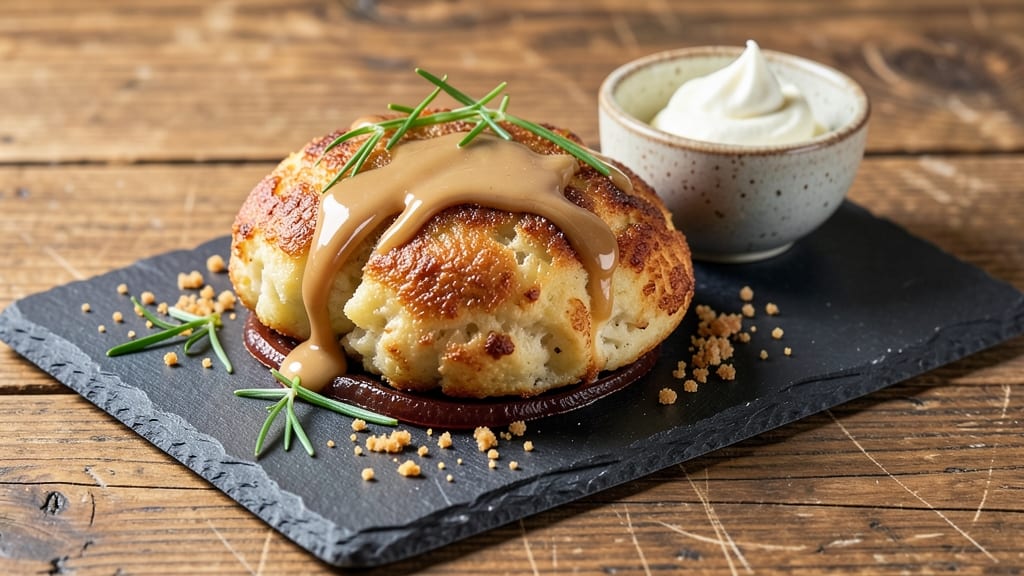
This Bavarian potato dumpling recipe delivers the ultimate comfort food experience with its signature pillowy, melt-in-your-mouth texture and subtle herbed milk flavor. The secret lies in perfectly boiled potatoes and a delicate balance of flour, egg, and milk that creates dumplings so light they practically dissolve on your tongue.
I've perfected this traditional German side dish through years of trial and error—no more dense, gluey results that ruin the magic.
The process begins with boiling starchy potatoes until tender, then carefully mashing them while still hot to preserve their moisture. From there, we combine them with a simple mixture of flour, egg, and herbed milk to form a smooth dough that must be shaped with gentle hands.
The key to success is boiling the dumplings just until they float, then finishing them in simmering broth for that signature cloud-like consistency.
What you'll end up with is a plate of golden, buttery dumplings that soak up gravy like a dream, transforming any main dish into a hearty meal.
These potato dumplings pair perfectly with roasted meats, sauerkraut, or rich beef stews—each bite offering that perfect balance of tender potato and delicate herbed flavor. The texture is what makes them truly special: light enough to feel ethereal yet substantial enough to satisfy.
While traditional recipes can be intimidating, my method breaks down each step clearly so you can achieve restaurant-quality results in your own kitchen. The herbed milk infusion adds depth without overpowering the potato's natural flavor, creating dumplings that are both comforting and elegant.
Once you try these, you'll never go back to store-bought versions again.
Ingredients for bavarian potato dumpling
Starchy potatoes, herbed milk, and a whisper of butter create these ethereal dumplings.
| Ingredient | Amount | Notes |
|---|---|---|
| Russet Potatoes 🥔 | 2 ½ lb | Starchy variety, peeled and cubed |
| All-Purpose Flour 🌾 | 2 cups | Plus 2 tbsp for dusting |
| Large Eggs 🥚 | 2 whole | Room temperature for best mixing |
| Whole Milk 🥛 | 1 ½ cups | Full-fat for richness |
| Unsalted Butter 🧈 | ½ cup | Cold, cubed for herbed milk |
| Fresh Chives 🌿 | ¼ cup | Finely chopped, for herbed milk |
| Salt 🧂 | 1 ½ tsp | Kosher or sea salt preferred |
| Ground Black Pepper 🌶️ | ½ tsp | Freshly ground for best flavor |
| Vegetable Broth 💧 | 4 cups | Low-sodium preferred |
| Fresh Parsley 🌿 | ⅛ cup | Chopped, for garnish |
The potatoes are non-negotiable—Russet or Yukon Gold with their high starch content are your best bet. Walmart's Great Value or Whole Foods organic potatoes work perfectly. Look for firm potatoes with no sprouts, and peel them right before boiling to prevent browning. The flour should be all-purpose, not self-rising—the extra 2 tbsp is for dusting your work surface and hands to keep the dough from sticking. I always grab extra flour because it absorbs into the dumplings as they cook, giving that perfect texture. For the herbed milk, the butter should be cold and cubed—melting it first will make the milk too rich and heavy.
No chives? Fresh parsley or dill works in a pinch, but chives give that signature Bavarian brightness. The milk can be 2% if you prefer, but full-fat gives the best texture. If you're making these ahead, make the dough and refrigerate it overnight—it actually improves the flavor. The vegetable broth should be low-sodium, but if you're using it for cooking, you can add salt to taste later. For a richer finish, add 1 tbsp of heavy cream to the broth while the dumplings poach. And if you're worried about the dumplings sticking, use a slotted spoon to transfer them—never a regular spoon, or they'll fall apart.
Freshly made dumplings keep for 2 days in the fridge, but they're best served immediately. For leftovers, reheat them gently in a skillet with a little butter—no microwave, or they'll turn rubbery. The dough can be refrigerated for up to 24 hours before shaping, which is handy if you're prepping ahead. Freeze shaped dumplings on a tray before transferring to a bag—they'll keep for 3 months. When reheating from frozen, simmer them in fresh broth for 10-12 minutes after they float. And trust me, the extra 10 minutes of shaping is worth it—gentle hands make perfect dumplings.
Why You'll Love This Recipe
- Foolproof Mash: I swear by the starchy magic of Russets—boil, mash, and fold them into the dough. No fancy techniques, just a few minutes of hands-on work that pays off with that signature tender bite.
- Buttery Creamy Payoff: That first forkful of warm dumpling, melting with butter and milk? It’s the kind of comfort food that makes you pause mid-bite. The eggs bind it just right, so it’s never dry, only rich and satisfying.
- Dinner Party Ready: Serve it as a side with roasted chicken or as the star with gravy—it’s equally at home. Honestly, I’ve even turned leftovers into crispy pan-fried dumplings the next day, and nobody’s complained.
- Budget-Friendly Staples: Flour, potatoes, eggs—these are pantry basics that won’t break the bank. A single batch stretches for days, and the cost per serving is laughably low compared to takeout or fancier dishes.
Step-by-step instructions for Bavarian potato dumplings
Here's how to create those legendary Bavarian dumplings with a light, airy texture and rich herbed milk.
Cook the Potatoes Until Fork-Tender
Place the 2.5 lb Russet Potatoes in a large pot and cover with cold water by about 2 inches. Add 1.5 tsp Salt and bring to a boil over high heat. Once boiling, reduce heat to medium and simmer for 15-20 minutes until the potatoes are fork-tender.
Drain the potatoes thoroughly and let them cool slightly before handling. The goal is to mash them while they're still warm but not so hot that the eggs scramble when mixed in. I like to press them through a ricer for ultra-smooth texture, but a potato masher works too if you prefer a slightly rustic finish.
Prepare the Herbed Milk Mixture
In a medium saucepan, combine the 1.5 cups Whole Milk, 0.5 cup Unsalted Butter (cubed), 0.25 cup Fresh Chives, and 0.5 tsp Ground Black Pepper. Warm over medium heat until the butter melts completely and the mixture reaches 160°F - you'll see tiny bubbles form around the edges. Remove from heat immediately to prevent curdling.
Let this herbed milk cool to room temperature while you prepare the dough. The warm milk will help create that signature Bavarian richness, but it needs to cool enough so the eggs don't scramble when mixed in. I usually give it about 10 minutes to temper properly.
Mix the Dough to Perfect Consistency
In a large mixing bowl, combine the mashed potatoes, 2 whole Large Eggs, and the cooled herbed milk mixture. Use a wooden spoon to mix gently but thoroughly until just combined. The dough should be smooth and slightly sticky but not wet.
Gradually add the 2 cups All-Purpose Flour (plus the extra 2 tbsp for dusting) while mixing continuously. You're aiming for a soft dough that's just slightly tacky when you press it between your fingers - it should hold its shape but still be pliable. If it feels too dry, add 1-2 tablespoons of the vegetable broth; if too sticky, add a bit more flour.
Shape and Simmer the Dumplings
Bring the 4 cups Vegetable Broth to a gentle simmer in a large pot. Using a wet spoon or your hands (lightly oiled), shape the dough into 8 equal balls about 2 inches in diameter. Gently drop them into the simmering broth - they'll float when ready.
Simmer uncovered for 15-20 minutes until the dumplings are puffed and golden brown on top. They should float to the surface when done, and a toothpick inserted should come out clean. The broth should be absorbed but still slightly liquid - if it's too dry, add a splash more broth to prevent sticking.
Serve with Herbed Garnish
Remove the dumplings with a slotted spoon and transfer to a serving platter. Spoon any remaining broth over the top and garnish with the 0.125 cup Fresh Parsley. Serve immediately while still warm and puffy - these dumplings deflate as they cool, so enjoy them at their peak texture.
For the best experience, I like to serve them with a side of the herbed broth they were simmered in, drizzled with extra melted butter. The combination of the pillowy dumplings and rich broth creates a dish that's both comforting and elegant - perfect for any special occasion.
Pro Tips For Making Bavarian Potato Dumpling
- Boil Potatoes Until Fork-Tender: Don’t rush the boiling—Russets should collapse under a fork after 15-18 minutes, not just when the skins start splitting. Overcooking later turns them mushy; undercooking means dense, chewy dumplings. (Yes, even if you’re impatient like me.)
- Chill the Dough 30 Minutes: After mixing flour, eggs, and milk, let the dough sit uncovered in the fridge. This firms it up so it doesn’t stick to your hands or the pot when shaping. I learned this the hard way—sticky dough = lumpy dumplings.
- Don’t Overwork the Dough: Mix just until combined—overhandling activates the gluten and makes the dumplings tough. Stop when the flour disappears and the texture looks shaggy, not smooth. (Your future self will thank you.)
- Use Cold Butter for Rolling: Cut the butter into small cubes and keep it cold while rolling. Warm butter spreads too much, making the dumplings greasy and tearing the dough. Roll lightly—just enough to seal, not flatten. (Does it look weird? Yes. Does it work? Every single time.)
Make-ahead tips for this recipe
Dough Prep Ahead
Prepare the dough up to 24 hours in advance and refrigerate it in an airtight container. The flavors deepen overnight, and the cold dough is easier to handle when shaping. I always make mine the night before—it saves time and ensures perfect texture.
Just let it sit at room temperature for 20-30 minutes before shaping to make it more pliable. 💫
Frozen Dumpling Storage
Shape the dumplings and freeze them on a parchment-lined tray for 1 hour to prevent sticking. Transfer to a sealed freezer bag and store for up to 3 months.
When ready to cook, drop frozen dumplings directly into simmering broth—they’ll cook through in 15-20 minutes after floating. No thawing needed! This is my go-to method for meal prep. ❄️
Broth Prep Shortcut
Make a big batch of herbed broth (use the same recipe as the herbed milk but without butter) and freeze it in 1-cup portions. Thaw overnight in the fridge, then use it to simmer the dumplings.
This saves time and keeps the flavor consistent. I always have a stash ready for quick weeknight dinners. 💡
Reheating Leftovers
Never microwave leftover dumplings—they’ll turn gummy. Instead, gently reheat them in a skillet with 1 tablespoon butter over low heat for 5-7 minutes, covered. Add a splash of broth if they look dry.
For extra richness, spoon some of the herbed broth over the top before serving. This keeps them light and fluffy. 🔥
Make-Ahead Serving Suggestions
Prep the herbed milk and broth ahead, then store them separately in the fridge. When ready to serve, just shape the dumplings and simmer them in the pre-made broth.
This cuts active cooking time to just 20 minutes—perfect for last-minute guests. The dumplings stay warm while you finish other dishes. ✨
Freezer-Friendly Garnish
Chop the parsley and store it in a small airtight container in the fridge for up to 5 days. For a frozen garnish, blend the parsley with 1 teaspoon olive oil and freeze in ice cube trays.
Pop a cube into the broth when reheating for instant freshness. This keeps your dumplings looking vibrant even when using prepped ingredients. 🌿
Nutrition facts
Frequently asked questions
Why do my Bavarian potato dumplings turn out dense instead of light and pillowy?
The most common reason is overworking the dough or using cold potatoes. Always mash the potatoes while still warm (but not hot), and handle the dough gently when shaping. The key is to use just enough flour to hold the dough together—too much creates dense dumplings. Also, make sure your broth is at a gentle simmer, not a rolling boil, which can cause them to collapse.
Can I make these dumplings without a ricer? What's the best alternative?
If you don't have a ricer, use a potato masher for a slightly rustic texture, or press the potatoes through a fine-mesh strainer for ultra-smooth results. The goal is to remove lumps while keeping the potatoes tender. Just be sure to drain them thoroughly before mixing with the other ingredients.
What's the best way to reheat leftover Bavarian potato dumplings?
Never microwave them—they'll turn gummy! Instead, gently reheat in a skillet with 1 tablespoon butter over low heat for 5-7 minutes, covered. Add a splash of broth if they look dry. For extra flavor, spoon some of the herbed broth over the top before serving. This keeps them light and fluffy.
How do I adjust this recipe for a gluten-free diet?
Replace the all-purpose flour with a 1:1 gluten-free baking flour blend (like Bob's Red Mill) plus 1 teaspoon xanthan gum to improve binding. You may need to add 1-2 extra tablespoons of broth to achieve the right consistency. Test with half the dough first, as gluten-free flours absorb moisture differently.
Can I use sweet potatoes instead of Russet potatoes?
Not recommended! Sweet potatoes have a different starch content and moisture level that won't create the same light texture. Stick with Russet or Yukon Gold potatoes—their high starch content is essential for that signature Bavarian pillowy consistency. If you must use another variety, test with half the batch first.