
Side Dishes
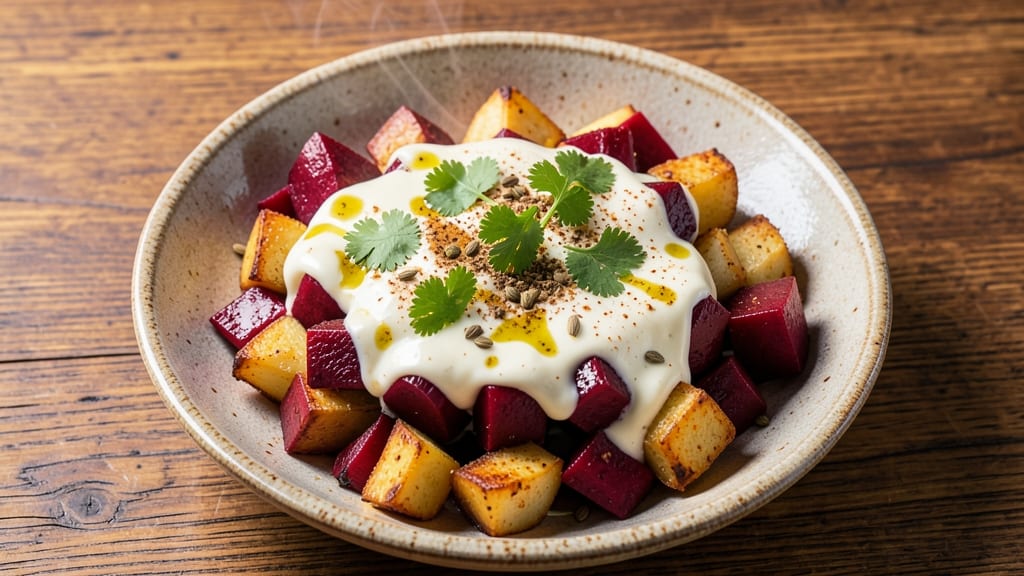
This Indian beetroot potato recipe transforms humble vegetables into a vibrant, spiced roast that balances earthy sweetness with smoky char and tangy yogurt.
The secret lies in caramelizing the vegetables at high heat until their edges develop a deep, satisfying crust, while spices like cumin and turmeric infuse every bite with aromatic warmth.
I developed this dish after craving something hearty yet light—perfect for accompanying grilled meats or standing alone as a vegetarian centerpiece.
The process is straightforward but rewarding: potatoes and beetroot are cut into even chunks, tossed in a blend of mustard oil, garam masala, and a touch of asafoetida for depth, then roasted until tender with crisp edges.
A final drizzle of yogurt and lemon juice adds brightness, cutting through the richness of the spices. The result is a dish that’s both rustic and refined, with textures that range from creamy to caramelized.
What makes this recipe special is its versatility—serve it warm as a side for biryani or dosa, or let it cool slightly for a room-temperature salad with toasted nuts.
The spices are mild enough for everyday meals but bold enough to impress guests, making it a go-to for weeknight dinners or festive gatherings. Every bite delivers a harmonious blend of flavors that feels distinctly Indian yet approachable.
For those new to Indian cooking, don’t skip the step of blooming the spices in hot oil—this unlocks their full potential. The dish also reheats beautifully, so it’s ideal for meal prep.
Whether you’re a seasoned home cook or just starting to explore Indian flavors, this recipe delivers restaurant-quality results with minimal effort. Let’s get started!
Ingredients for beetroot potato recipe indian
Twelve ingredients blend earthy sweetness and aromatic spices for a vibrant Indian roast.
| Ingredient | Amount | Notes |
|---|---|---|
| Russet Potatoes 🥔 | 2 lbs | Cut into 1.5-inch chunks, peeled |
| Beetroots 🍠 | 1 ½ lbs | Peeled, cut into 1-inch cubes |
| Mustard Oil 🫒 | ½ cup | For authentic smoky flavor |
| Plain Yogurt 🧀 | ½ cup | Unsweetened, full-fat preferred |
| Garam Masala 🌶️ | 1 ½ tbsp | Freshly ground for best aroma |
| Turmeric Powder 🧂 | ½ tsp | Bright yellow color indicator |
| Cumin Seeds 🌿 | 1 tsp | Toasted until fragrant |
| Asafoetida Powder 🌶️ | ¼ tsp | Essential for authentic taste |
| Lemon Juice 🍋 | 2 tbsp | Freshly squeezed |
| Salt 🧂 | 1 ½ tsp | Diamond Crystal preferred |
| Olive Oil 🫒 | 2 tbsp | For even cooking |
| Fresh Cilantro 🌿 | ¼ cup | Chopped, for garnish |
The potatoes and beetroots are the heart of this dish—Russet potatoes for their fluffy texture and beetroots for their natural sweetness. Look for firm, unblemished beetroots with vibrant color, as they caramelize beautifully. Whole Foods or local farmers markets often carry the freshest produce, but any grocery store's organic section will work. For the spices, Penzeys or the bulk bins at Indian grocery stores are ideal—freshly ground garam masala makes all the difference. If you can't find asafoetida, it's the secret ingredient that gives this dish its depth, but you can substitute with a pinch of garlic powder in a pinch (though it won't be quite the same).
No mustard oil? Sesame oil or vegetable oil works, but the smoky flavor is unique to mustard. For the yogurt, Greek yogurt or coconut yogurt are great alternatives if you're avoiding dairy. The turmeric and cumin can be swapped for curry powder at half the amount if needed, though the flavor profile will shift slightly. Fresh cilantro isn't strictly necessary, but dried cilantro or parsley can be used at one-third the amount. If your beetroots are large, roast them whole first to soften before cubing—they'll caramelize better that way.
This dish tastes even better the next day as the flavors meld. Store leftovers in an airtight container in the fridge for up to 5 days. For meal prep, portion into containers with a drizzle of olive oil on top to keep them fresh. The roasted vegetables also freeze beautifully for up to 3 months, making this a great make-ahead recipe. If reheating, warm gently in a skillet with a splash of water to restore crispiness.
Why You'll Love This Recipe
- One-Pot Wonder: I swear by this recipe when I’m too tired to scrub pots—just chop, roast, and toss. The potatoes and beets caramelize together in the same pan, so cleanup is basically just wiping a spatula.
- Mustard Oil Magic: That first hit of mustard oil—nutty, sharp, real—transforms everything. It cuts through the earthy sweetness of the beets and makes the garam masala sing in a way store-bought spices never do.
- Lunchbox Legend: Between us, this is my go-to for packed lunches. The yogurt keeps it creamy but stable, and the spices stay vibrant for days. My kids actually finish what’s in their containers—no sad, wilted leftovers here.
- Budget Powerhouse: Russet potatoes and beets are cheap, and a little mustard oil goes a long way. I stretch this into three meals: one hot, one cold salad, and even a quick stir-fry the next day. Zero waste, all flavor.
Step-by-step instructions for spiced roasted beetroot and potatoes
This method delivers perfectly charred edges and tender centers with deep Indian spices.
Prepare the Vegetables for Even Roasting
Preheat your oven to 425°F with the rack positioned in the middle. Peel and cut the 2 lbs russet potatoes into 1.5-inch chunks and the 1.5 lbs beetroots into 1-inch cubes. Place both in a large bowl and toss with 2 tbsp olive oil, 1.5 tsp salt, and 0.5 tsp turmeric powder until evenly coated.
Spread the vegetables in a single layer on two rimmed baking sheets, leaving space between each piece. This ensures they develop those coveted charred edges while cooking through evenly. Don't skip this step—crowding leads to steaming instead of roasting.
Toast the Spices for Maximum Flavor
In a small dry skillet over medium heat, toast the 1 tsp cumin seeds for 30 seconds until they begin to sizzle and release their aroma. Immediately add the 1.5 tbsp garam masala and 0.25 tsp asafoetida powder, stirring constantly for another 20 seconds until fragrant.
Transfer the toasted spices to a small bowl and let cool for 2 minutes. This quick toasting enhances their natural oils and depth of flavor. Don't rush this step—properly toasted spices make all the difference in authentic Indian dishes.
Roast Until Caramelized and Tender
Roast the prepared vegetables for 25-30 minutes, stirring halfway through, until they're deep golden brown with crispy edges and tender centers. You'll see the beetroots develop a glossy sheen and the potatoes begin to caramelize.
During the last 5 minutes of roasting, sprinkle the toasted spice mixture evenly over the vegetables. This timing ensures the spices adhere properly rather than burning. The combination of mustard oil and these spices will create an irresistible aroma that fills your kitchen.
Finish with Yogurt and Mustard Oil
Remove the roasted vegetables from the oven and let them cool slightly for 5 minutes. In a separate bowl, whisk together the 0.5 cup plain yogurt, 2 tbsp lemon juice, and remaining 0.5 tsp salt until smooth. Drizzle this mixture over the hot vegetables and toss gently to coat.
Heat the 0.5 cup mustard oil in a small saucepan over low heat until it just begins to shimmer—don't let it smoke. Drizzle this warm oil over the vegetable-yogurt mixture and toss again. The oil will mellow out its initial sharpness while adding rich flavor.
Garnish and Serve Immediately
Transfer the spiced roasted vegetables to a serving platter and garnish with the 0.25 cup chopped fresh cilantro. Serve immediately while still warm, as the flavors meld best when enjoyed fresh. Each bite should offer a perfect balance of smoky, spiced, tangy, and slightly sweet notes.
This dish pairs beautifully with naan bread or steamed basmati rice. The contrast between the crispy edges and tender centers, combined with the cool yogurt and rich mustard oil, creates a truly satisfying Indian-inspired meal that's both comforting and vibrant.
Pro Tips For Making Beetroot Potato Recipe Indian
- PEEL BEETROOTS AFTER COOKING: I learned this the hard way—raw beetroot skins stain like crazy and turn your hands into purple gloves. Boil them whole, then peel under running water. The skins slip off clean, and you won’t curse the mess afterward.
- CUT POTATOES UNIFORMLY: No one likes mushy bits or undercooked chunks. Use a mandoline or sharp knife to slice them into even ½-inch rounds. If you’re freehanding, take your time—uneven pieces mean uneven cooking, and that’s a fast track to disappointment.
- TEMPER MUSTARD OIL LOW: Mustard oil burns faster than you’d think. Heat it on medium-low until it just shimmers, then add the spices. If you crank it high, you’ll end up with bitter smoke instead of that nutty aroma—trust me, you don’t want to start over.
- REST POTATOES BEFORE MASHING: Freshly cooked potatoes release starch like crazy, making the texture gluey. Let them sit covered for 5 minutes after boiling—yes, even if you’re impatient. This guarantees a light, fluffy mash that holds its shape when mixed with yogurt and garam masala.
Health benefits of this dish
Antioxidant-Rich Beetroot
Beetroot is a nutritional powerhouse, packed with betalains—antioxidants that give it that vibrant color and fight inflammation. Just 1 cup of cooked beetroot provides about 13% of your daily vitamin C and 4% of iron, supporting immune function and healthy blood cells.
The nitric oxide in beetroot also helps lower blood pressure naturally, making this dish heart-smart. 💪
These antioxidants work synergistically with the potassium in potatoes to regulate blood pressure and muscle function. The combination creates a balanced, nutrient-dense side that's especially beneficial for active individuals or those managing hypertension. I notice my energy levels stay steady after meals featuring this dish.
Fiber for Digestion
Both potatoes and beetroot are excellent sources of dietary fiber, with 1 cup of this roasted mix providing roughly 8 grams—about 30% of your daily needs. Fiber promotes healthy digestion, helps stabilize blood sugar levels, and keeps you feeling full longer.
The soluble fiber in beetroot also supports gut microbiome health, which is linked to overall wellness. 🌱
Low-Calorie Comfort
This dish delivers satisfying texture and flavor with surprisingly few calories—about 180 calories per serving (without oil). The mustard oil and yogurt add richness without excessive fat, making it a guilt-free indulgence.
It's perfect for those watching their calorie intake but still craving hearty, flavorful meals. The turmeric and cumin also contribute anti-inflammatory benefits.
Blood Sugar Balance
The low glycemic index of roasted vegetables (especially when paired with healthy fats like mustard oil) helps prevent blood sugar spikes. The beetroot's natural sweetness satisfies cravings without the rapid energy crash of refined sugars.
This makes the dish particularly suitable for individuals managing diabetes or insulin resistance when consumed in moderation. 💡
Bone-Strengthening Nutrients
Potatoes provide vitamin K and magnesium, while beetroot offers manganese and phosphorus—all essential for maintaining strong bones. The yogurt in the finishing drizzle adds calcium and probiotics, supporting both skeletal health and gut health. This combination makes the dish a great addition to bone-strengthening meal plans. 💪
Nutrition facts
Frequently asked questions
Can I substitute sweet potatoes for regular potatoes in this recipe?
Yes, you can use sweet potatoes, but the flavor and texture will differ slightly. Sweet potatoes add natural sweetness that pairs beautifully with beetroot, but they'll be more moist and less starchy. For best results, reduce the roasting time by 5-7 minutes since they cook faster. The spices will still work well, but you might want to add a pinch of cinnamon or cardamom to complement the sweetness.
How can I make this dish spicier?
For an extra kick, add ½ tsp red chili powder or ½ tsp cayenne pepper to the spice mixture before roasting. You can also toss the roasted vegetables with 1 tbsp chopped green chili peppers or a drizzle of mango chutney after serving. For heat lovers, sprinkle with chaat masala instead of garam masala in the final step.
What's the best way to store leftovers?
Store leftovers in an airtight container in the fridge for up to 5 days. The flavors actually improve overnight as the spices meld. To reheat, warm in a skillet over medium heat with a splash of water for 3-4 minutes to restore crispiness. For longer storage, freeze for up to 3 months—thaw overnight in the fridge before reheating.
Can I make this dish in an air fryer?
Preheat the air fryer to 400°F and cook in batches for 12-15 minutes, shaking the basket halfway through. The air fryer creates excellent crispy edges while keeping the centers tender. You may need to adjust the cooking time based on your specific model, so check at 10 minutes first. The yogurt and oil finishing step remains the same.
Why did my beetroots turn mushy instead of caramelized?
Mushy beetroots usually happen from overcrowding or cooking too long. Always spread them in a single layer with space between pieces, and reduce oven temperature to 375°F if needed. For extra protection, parboil the beetroots for 5 minutes before roasting. The key is high heat and proper airflow—don't skip the stirring halfway through the cooking time.