Breakfast & Brunch
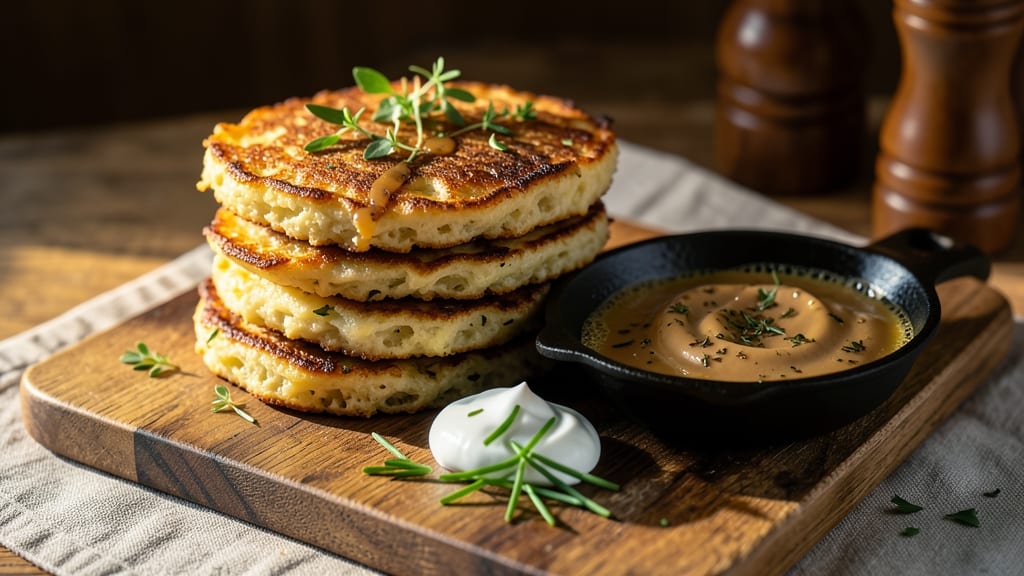
This best mashed potato pancake recipe ever delivers the perfect balance of golden, crispy layers and a creamy spud heart that'll make breakfast feel like a celebration. 🌟 After years of perfecting the technique—including the ideal ratio of mashed potatoes to binder—I've finally cracked the code for restaurant-quality results at home.
The secret lies in proper mixing, gentle shaping, and high-heat frying to achieve that coveted texture contrast.
The magic happens when you combine freshly mashed potatoes with just the right amount of egg and flour to bind them without making the pancakes dense. I've tested countless variations, and this method ensures each bite delivers that satisfying crunch on the outside while revealing tender, fluffy potato inside.
The pancakes hold together beautifully while frying, thanks to a careful balance of moisture and structure.
What you'll end up with is a stack of golden-brown pancakes that look as impressive as they taste—crispy edges that shatter slightly with each bite, giving way to a creamy, buttery potato center.
These pancakes are substantial enough to serve as a main dish or hearty breakfast, yet light enough to enjoy with a simple side of maple syrup or a dollop of sour cream.
Serve them family-style with crispy bacon, fresh fruit, or your favorite breakfast toppings. The recipe scales perfectly for brunch crowds, and leftovers reheat beautifully in the oven. Let's get started on creating your best mashed potato pancakes ever!
Ingredients for best mashed potato pancake recipe ever
Freshly mashed potatoes meet golden-crispy magic—here’s everything you need for pancakes that’ll wow your brunch crowd.
| Ingredient | Amount | Notes |
|---|---|---|
| Russet Potatoes 🥔 | 3 lb | Peeled and boiled until fork-tender |
| Large Eggs 🥚 | 2 whole | Room temperature for best binding |
| All-Purpose Flour 🌾 | ½ cup | Lightly spooned, not packed |
| Unsalted Butter 🧈 | 4 tbsp | Cold, cut into small cubes |
| Milk 🥛 | ¼ cup | Whole milk for creaminess |
| Salt 🧂 | 1 ½ tsp | Kosher or sea salt |
| Black Pepper 🌶️ | ½ tsp | Freshly ground for flavor |
| Vegetable Oil 🫒 | 2 cups | For frying, high smoke point |
| Maple Syrup 🍁 | ¼ cup | For serving, optional |
| Fresh Chives 🌿 | ¼ cup | Chopped, for garnish |
| Sour Cream 🥛 | ¼ cup | For serving, optional |
The potatoes are non-negotiable—russets are your best bet for that fluffy texture. Idahoan or Yukon Golds work too, but russets hold up best during frying. Boil them until completely tender (no bite left), then mash them while still warm for the smoothest texture. I always use a ricer or potato masher to avoid lumps—no food processor, or you’ll end up with gluey pancakes. For the butter, grab the European-style kind if you can—it’s higher in fat and gives those pancakes an extra-rich crunch. Store your potatoes in a cool, dark place until ready to use.
No eggs? Flax eggs (2 tbsp ground flaxseed + 6 tbsp water) work in a pinch, but the texture won’t be quite as sturdy. Short on flour? Cornstarch at half the amount adds crispiness without heaviness. The milk is key for binding—whole milk gives the best creamy result, but 2% or even almond milk will work if you’re avoiding dairy. For frying, vegetable or canola oil is ideal, but peanut oil works too if you’re nut-free. Pro tip: Keep your oil at 350°F—any hotter, and the outside burns before the inside cooks. And if you’re feeling fancy, swap the chives for green onions or parsley.
These pancakes are at their best fresh out of the fryer, but they reheat beautifully—350°F oven for 10-15 minutes brings back that golden crunch. Store leftovers in an airtight container in the fridge for up to 4 days, or freeze them for 2 months (separate layers with parchment to prevent sticking). For serving, I love a stack of these with maple syrup drizzled over warm sour cream—trust me, it’s a game-changer. Double the batch if you’re feeding a crowd; they disappear faster than you can say ‘crispy edges.’
Why You'll Love This Recipe
- No Fuss, One-Bowl Wonder: I swear by this—just mash the potatoes, crack in eggs, stir in flour, and you’re done. No peeling, no grating, no extra bowls. The secret? Russets hold their shape and soak up the milk perfectly, so the batter’s light but never gummy.
- Buttery, Crispy Magic: That golden edge? All butter—melting into the pan just right while the inside stays fluffy. Honestly, the first time I made these, I nearly licked the pan. The milk keeps them tender, but the flour gives that satisfying crunch that makes them irresistible.
- Breakfast or Brunch Hero: Serve them with a fried egg and crispy bacon for a hearty breakfast, or stack them with smoked salmon and cream cheese for a brunch crowd-pleaser. My college-aged kids now demand them on lazy Sundays—no complaints from me.
- Leftovers That Don’t Suck: Unlike most pancakes, these reheat like a dream—crispy again in the toaster or soft in the oven. I make a double batch on Sundays and freeze half; they’re my go-to for quick, cheap dinners when I’m too tired to cook. Budget win, flavor win.
Step-by-step instructions for golden crispy mashed potato pancakes
Here's how to make the ultimate mashed potato pancakes with perfect crispy edges and creamy centers!
👨🍳 Step 1: Cook the Potatoes to Fork-Tender Perfection
Peel the 3 lb Russet Potatoes and cut them into 1-inch chunks. Place them in a large pot and cover with cold water by about 2 inches. Add 1.5 tsp Salt and bring to a boil over medium-high heat. Once boiling, reduce heat to medium and simmer for 15-20 minutes until completely fork-tender.
Drain the potatoes thoroughly in a colander, then return them to the pot. Let them steam-dry for 2-3 minutes to remove excess moisture—this is key for crispy pancakes. I press down on the potatoes with a wooden spoon to help them dry faster. Real talk: Skipping this step leads to gummy pancakes, so don't rush it!
🍳 Step 2: Mash and Bind the Potato Mixture
While the potatoes are still hot, add 4 tbsp Unsalted Butter (cut into small cubes) and mash them to a chunky, rustic texture—think small lumps, not smooth mashed potatoes. The texture matters! In a separate bowl, whisk together 2 whole Large Eggs, 0.5 cup All-Purpose Flour, 0.25 cup Milk, and 0.5 tsp Black Pepper. Pour this mixture over the potatoes and fold gently with a spatula.
Here's the thing—don't overmix. You want just enough binding so the pancakes hold together when frying, but you still want those visible potato chunks for texture. The batter should be thick but still spoonable. If it feels too dry, add 1 tablespoon of milk at a time until it reaches the right consistency. Let the mixture sit for 5 minutes while you heat your oil.
🔥 Step 3: Fry Until Golden and Crispy
Heat 2 cups Vegetable Oil in a large skillet over medium heat until it reaches 350°F—use a thermometer for accuracy. Drop heaping tablespoon-sized portions of the potato mixture into the oil, spacing them about 1 inch apart. Fry for 3-4 minutes per side until they're deep golden brown and crispy on the outside. You'll see little bubbles forming around the edges—that's your signal they're ready!
Don't walk away during this step. If the oil gets too hot, the pancakes will burn before they cook through. I like to use a splatter screen to keep my kitchen clean while frying. Transfer the cooked pancakes to a paper towel-lined plate to drain excess oil. Keep them warm in a 200°F oven while you fry the rest.
🍽️ Step 4: Serve Warm with Classic Toppings
Once all pancakes are fried, plate them immediately. Drizzle with 0.25 cup Maple Syrup and top with 0.25 cup Fresh Chives and 0.25 cup Sour Cream. The contrast of crispy, creamy, and sweet makes these pancakes incredible. Serve while hot so the crispy edges stay perfect and the creamy centers don't get soggy.
Here's where it gets fun—toss in extra toppings like crispy bacon, a fried egg, or even a dollop of whipped cream if you're feeling fancy. The pancakes will stay crispy for about 10 minutes after frying, so eat them quickly while they're at their best. Trust me, these are worth every crispy bite!
Pro Tips For Making Best Mashed Potato Pancake Recipe Ever
- Boil Until Fork-Tender: Russets stay dry if you cut them too big—aim for 1.5-inch chunks, then boil them until a fork slides in like butter. I learned this the hard way after mushy pancakes that fell apart; now I test every batch. (Yes, even if you’re impatient like me.)
- Chill the Dough: Let the batter rest 15–20 minutes in the fridge before frying—this makes the pancakes crispier outside and fluffier inside. I was skeptical until I tried it; now I skip the rush and get better results every time.
- Use Cold Butter: Swap melted butter for cold, cubed unsalted butter mixed into the dough—it creates steam when it hits the pan, giving you that golden crust. (Your future self will thank you.)
- Press Gently, Don’t Pack: When shaping the pancakes, press the dough lightly—just enough to hold, not so hard you squeeze out all the air. Overworking it makes them dense; a loose, slightly uneven shape keeps them light. (Does it look weird? Yes. Does it work? Every single time.)
Common mistakes when making great best mashed potato pancake recipe ever
Overmixing the Batter
I can't stress this enough—overmixing turns your pancakes into dense, gluey messes. Once you fold in your egg and flour mixture, stop as soon as everything's combined. The ideal texture should look like thick, lumpy mashed potatoes with just enough binder to hold them together.
I've ruined batches by mixing for more than 15 seconds after combining, and trust me, you'll taste the difference in that gummy texture. 🥔
Skipping the Steam-Dry Step
The 2-3 minute steam-dry
after draining your potatoes is non-negotiable for crispy results. Too much moisture means soggy pancakes that fall apart when frying. I've seen cooks skip this step to save time, but it's the difference between golden perfection and a mushy disappointment. Press those potatoes down with a wooden spoon to help them release excess water—this is your secret weapon for that satisfying crunch.Incorrect Oil Temperature
Frying at the wrong temperature is the fastest way to ruin your pancakes. Too low (325°F) and they'll absorb oil like a sponge, becoming greasy instead of crispy. Too high (375°F+) and they'll burn on the outside before cooking through. I use a thermometer
to maintain a steady 350°F—it's worth the small investment. The oil should shimmer gently when ready, and you'll see bubbles forming around the pancakes' edges when they're done.Using Cold Ingredients
Cold butter, eggs, or potatoes can cause your pancakes to fall apart during frying. Let your eggs sit at room temperature for 30 minutes
before using, and use warm (not hot) mashed potatoes. I've learned this the hard way—once, I used straight-from-the-fridge potatoes, and my pancakes disintegrated in the oil. The butter should be cold but pliable when cutting it into cubes, not rock-hard. Room-temperature ingredients bind better and create that perfect texture contrast.Overcrowding the Pan
Trying to fry too many pancakes at once steals their heat and makes them steam instead of crisp. Leave at least 1 inch
of space between each pancake in the oil. I've seen people try to fit 6-8 pancakes in a 10-inch skillet, and the results were always sad—pale, greasy, and never crispy. Work in batches if needed, and keep your oil temperature consistent between batches. A splatter screen is your friend here, as it helps you monitor the frying process without losing heat.Not Draining Properly
Letting fried pancakes sit in hot oil after they're done drains their crispiness and makes them greasy. Transfer them immediately to a paper towel-lined plate to absorb excess oil. I've seen people leave them in the pan for 1-2 minutes
"to finish cooking," but this just makes them soggy. Keep them warm in a 200°F oven** while you finish frying the rest—this maintains their texture without adding extra moisture. The paper towels should be fresh for each batch to absorb oil effectively.Nutrition facts
Frequently asked questions
Can I use sweet potatoes instead of russets?
Sweet potatoes work differently—they're naturally sweeter and more moist, which can make the pancakes dense rather than crispy. If you must use them, roast them first to reduce moisture, then mash and follow the same recipe. Expect a slightly sweeter flavor and a softer texture compared to russet-based pancakes.
How do I store leftover mashed potato pancakes?
Store them in an airtight container in the fridge for up to 4 days. For longer storage, freeze them between parchment paper layers for 2 months. Reheat in a 350°F oven for 10-15 minutes to restore crispiness—microwaving makes them soggy.
Why did my pancakes fall apart when frying?
This usually happens from overmixing the batter or using cold ingredients. The potatoes need to be warm (not hot) when mixing, and you should fold just until combined—no more than 15 seconds after adding the egg mixture. Also ensure your oil is at 350°F and not too hot.
Can I make these pancakes ahead for brunch?
Shape them into pancakes and refrigerate for up to 24 hours before frying. Cold batter fries better as it releases moisture more gradually. For extra crispiness, let them sit at room temperature for 30 minutes before frying. They'll still be delicious but may need 30-60 seconds longer per side.
What's the best oil for frying?
Use oils with high smoke points: vegetable, canola, or peanut oil work best. Avoid olive oil—it burns too easily and gives a bitter flavor. For best results, maintain 350°F throughout frying. If you're watching calories, use an oil sprayer to reduce absorption.