
Side Dishes
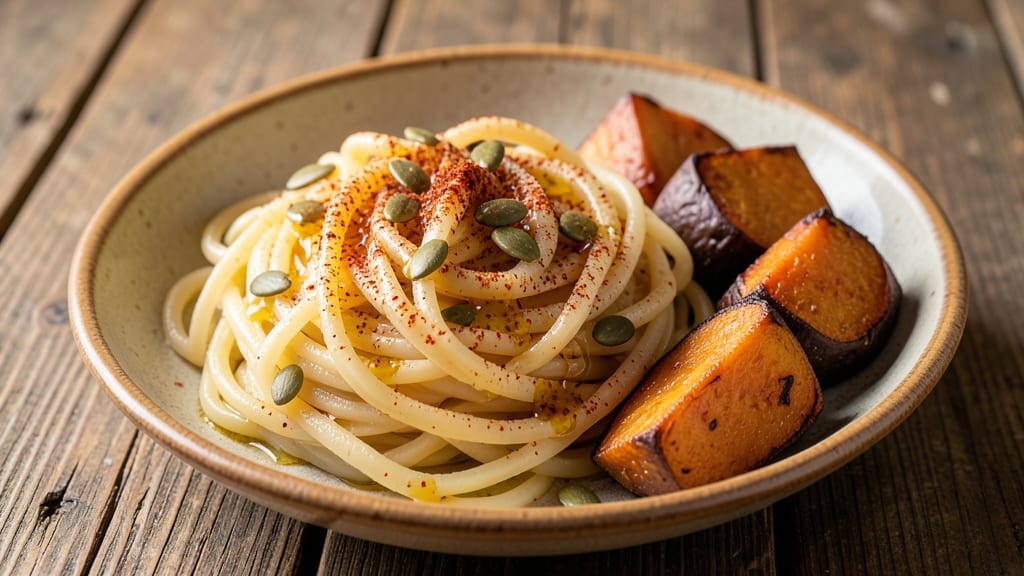
This spaghetti squash and sweet potato recipe transforms humble vegetables into a restaurant-worthy side dish with caramelized edges and aromatic spices. 🌟 The secret lies in roasting both ingredients together, where their natural sweetness intensifies and creates a perfect balance of textures—tender squash strands and creamy sweet potatoes.
I developed this dish after realizing how often roasted vegetables get overlooked in favor of heavier sides, and it’s become a staple in my meal rotation for its simplicity and depth of flavor.
The beauty of this recipe is its versatility—it works as a standalone vegetarian main or pairs beautifully with grilled meats, fish, or plant-based proteins. The spices, a blend of smoked paprika, garlic powder, and a touch of cayenne, add warmth without overpowering the natural sweetness of the vegetables.
Roasting at high heat ensures those charred edges you crave, while the interior remains perfectly tender. It’s a technique that elevates simple ingredients into something extraordinary.
What you’ll end up with is a dish that’s visually stunning—golden-brown sweet potatoes and spaghetti squash strands that look almost like pasta, but with a fraction of the carbs.
The aroma alone will have everyone asking what’s for dinner, and the first bite delivers a perfect harmony of sweet, smoky, and slightly spicy notes. This recipe is perfect for meal prep, too, as it tastes even better the next day when the flavors meld even more.
Ready in just 45 minutes, this dish requires minimal effort but delivers maximum impact. Whether you’re hosting a dinner party or simply craving a healthier alternative to traditional pasta, this spaghetti squash and sweet potato recipe is your answer. Let’s get started!
Ingredients for spaghetti squash and sweet potato
Roasted vegetables with smoky depth and caramelized edges—just five core ingredients transform humble produce into restaurant-worthy magic.
| Ingredient | Amount | Notes |
|---|---|---|
| Medium Spaghetti Squash 🍠 | 1 whole | Halved lengthwise for even roasting |
| Medium Sweet Potatoes 🍠 | 2 whole | Cut into 1-inch cubes for even cooking |
| Extra-Virgin Olive Oil 🫒 | ¼ cup | High-quality for roasting flavor |
| Smoked Paprika 🌶️ | 1 ½ tbsp | For deep smoky aroma |
| Garlic Powder 🧄 | 1 tbsp | Freshly ground preferred |
| Ground Cayenne Pepper 🔥 | ½ tsp | Adjust for heat preference |
| Diamond Crystal Kosher Salt 🧂 | 1 ½ tsp | Fine grain for even seasoning |
| Freshly Ground Black Pepper 🌶️ | ½ tsp | Freshly cracked for best flavor |
| Fresh Thyme Leaves 🌿 | ¼ cup | Chopped, stems removed |
| Fresh Rosemary Sprigs 🌿 | 2 whole | Crushed for aromatic release |
| Balsamic Glaze 🍷 | 2 tbsp | For finishing drizzle |
| Toasted Pecans 🌰 | ¼ cup | Chopped, for garnish |
The spaghetti squash is the star here—look for one that's heavy for its size at Whole Foods or Trader Joe's, where the organic selection is consistently better. Sweet potatoes should be firm and vibrant (no soft spots!), and the smaller the cubes, the faster they'll caramelize. I always grab organic rosemary from the bulk section—it's more potent and lasts longer. For the paprika, Penzeys or McCormick Gourmet smoked varieties add that extra layer of complexity that makes this dish sing. Fresh herbs are non-negotiable here—they're what elevate this from 'good' to 'wow' side dish.
No smoked paprika? Substitute half the amount with regular paprika plus a pinch of liquid smoke—it's a game-changer. Fresh thyme unavailable? Dried thyme works at one-third the amount, but honestly, it's worth hunting down fresh if you can. Sweet potatoes too fibrous? Try Yukon Golds—they're creamier and hold their shape better. For the balsamic glaze, Trader Joe's has the best quality at a fraction of the cost of fancy bottles. And if you're watching carbs, skip the pecans—the dish is still stunning without them. The olive oil should be extra-virgin—anything less will taste flat after roasting.
Roasted veggies taste even better the next day, so always make extra. Store in airtight containers for up to 5 days in the fridge, or freeze portions for 3 months—they reheat beautifully. For meal prep, I portion into individual containers with a drizzle of balsamic on top. The squash strands get slightly drier when reheated, so add a splash of water when microwaving. These keep their vibrant color for days if you store them in the fridge, making them perfect for quick lunches or last-minute dinner sides.
Why You'll Love This Recipe
- One-Pan Magic: I swear by this recipe because it’s literally just chop, roast, and enjoy. No pots, no pans—just slice those sweet potatoes into wedges, halve the spaghetti squash, toss everything with olive oil and spices, and let the oven do the work. Twenty minutes later, you’ve got dinner ready.
- Smoky-Sweet Obsession: That smoked paprika and garlic powder combo? It’s the secret weapon here. The squash gets tender and nutty, while the sweet potatoes caramelize into crispy, slightly sweet edges—like a cross between roasted potatoes and a smoky casserole. Honestly, I’ve made this for guests, and they always ask for the recipe.
- Meal Prep MVP: Between us, this is my go-to for busy weeks. Roast a big batch on Sunday, and you’ve got a hearty side for lunches or dinners all week. It reheats beautifully—just pop it in the microwave or oven, and it’s like it’s fresh. (Yes, even on a Tuesday night.)
- Budget-Friendly Flex: Spaghetti squash and sweet potatoes are cheap and filling—way better than takeout. A single squash and a couple of potatoes feed four people for under $10, and the leftovers? Even better the next day. Plus, you’re using whole ingredients, not processed junk.
Step-by-step instructions for roasted spaghetti squash and sweet potatoes
Here's how to transform humble squash and sweet potatoes into a showstopping dish with smoky depth and caramelized edges.
🔥 Step 1: Prep and Roast the Sweet Potatoes First
Preheat your oven to 425°F with racks positioned in the upper and lower thirds. Cut the 2 whole medium sweet potatoes into 1-inch cubes—this size ensures even cooking and maximum caramelization. Toss them immediately with 2 tablespoons of the extra-virgin olive oil, then sprinkle with 1 teaspoon of the smoked paprika, ½ teaspoon of the garlic powder, ¼ teaspoon of the ground cayenne pepper, and ¾ teaspoon of the diamond crystal kosher salt. Spread them in a single layer on a rimmed baking sheet.
Roast on the upper rack for 20-25 minutes until edges are deep golden brown with charred spots. Toss them halfway through for even browning. The sweet potatoes should be tender when pierced with a fork but still hold their shape—this prevents mushiness when combined later. Here's the thing—don't overcrowd the pan, or they'll steam instead of crisp.
🍳 Step 2: Halve and Roast the Spaghetti Squash
While the sweet potatoes roast, use a sharp chef's knife to halve the medium spaghetti squash lengthwise. Scoop out and discard the seeds, then score the flesh in ½-inch wide stripes radiating from the center to the edges—this creates those perfect "spaghetti" strands. Brush both halves generously with the remaining 2 tablespoons extra-virgin olive oil, then sprinkle with the remaining ½ teaspoon smoked paprika, ½ teaspoon garlic powder, ¼ teaspoon ground cayenne pepper, and remaining ¾ teaspoon diamond crystal kosher salt.
Place the squash halves cut-side down on the same baking sheet with the sweet potatoes (or transfer to a second sheet if needed). Roast on the lower rack for 25-30 minutes until the flesh is tender when tested with a fork and the edges are golden brown. The squash should yield easily to gentle pressure—if it resists, give it another 5 minutes. Real talk: the squash is done when the skin crisps and the flesh pulls apart like noodles.
👨🍳 Step 3: Build the Herb and Spice Mixture
While the vegetables roast, prepare the herb blend by finely chopping the 2 whole fresh rosemary sprigs and ¼ cup fresh thyme leaves. In a small bowl, mix these with the remaining ½ teaspoon freshly ground black pepper—this ensures the herbs release their maximum aroma when combined later. I like to crush the rosemary sprigs between my fingers first to release their essential oils before chopping.
Here's where it gets fun—toss the roasted sweet potatoes and spaghetti squash with the herb mixture while still hot. The residual heat will infuse the vegetables with fragrant steam, creating layers of flavor. Let them sit for 2-3 minutes to absorb the aromatics completely. This step transforms simple roasted veggies into a complex, herbaceous harmony.
🥘 Step 4: Assemble and Finish with Balsamic and Pecans
Use a fork to gently scrape the spaghetti squash flesh into strands, leaving the skins behind (or serve them as edible bowls if you're feeling fancy). Combine everything on a serving platter—those sweet potato cubes, squash strands, and all their fragrant juices. Drizzle with the 2 tablespoons balsamic glaze and sprinkle with the ¼ cup toasted pecans. The balsamic adds a tangy contrast to the smoky sweetness, while the pecans contribute crunch and nutty depth.
Serve immediately while the vegetables are still warm and the aromatics are at their peak. The contrast of creamy sweet potatoes, tender squash strands, and crisp pecans creates a perfect balance of textures. This dish shines as a vegetarian main course or alongside grilled proteins—either way, it's a flavor explosion in every bite.
Pro Tips For Making Spaghetti Squash And Sweet Potato
- ROAST UNTIL FINGER-TESTED: Cut your spaghetti squash lengthwise and pierce the flesh with a fork—this isn’t just for looks. Roast it at 400°F (200°C) until you can easily slide a fork through the strands, not just the outer skin. I used to pull it out too soon, and the squash would fall apart like soggy noodles—now I wait until the fork glides through like butter.
- PEEL SWEET POTATOES COLD: Slice your sweet potatoes after they’ve cooled completely from the roast. Warm potatoes turn to mush when you try to peel them, and nobody wants a mushy side. Toss them in ice water for 5 minutes first if you’re impatient—it stops the cooking and makes peeling a breeze.
- SALT THE SQUASH INSIDE: Don’t just season the outside. Flip the roasted spaghetti squash halves cut-side up, sprinkle a pinch of salt directly into the cavity, then drizzle a little olive oil over the flesh. This seasons the strands evenly and keeps them from tasting bland—trust me, the difference is noticeable.
- TOSSED TOGETHER IS BETTER: After roasting, let the squash and sweet potatoes cool for 5 minutes, then toss them with the smoked paprika, garlic powder, and a splash of olive oil while still warm. Cold veggies clump together like a science experiment gone wrong, and the spices stick better when they’re slightly sweaty from the oven.
Make-ahead tips for leftovers
Prep Ahead Strategy
Roast the sweet potatoes and spaghetti squash separately up to 2 days in advance—they actually taste better when flavors meld overnight. Store components in airtight containers with parchment paper between layers to prevent sticking.
Reheat sweet potatoes at 350°F for 10-12 minutes until warmed through, while squash needs just 5 minutes to revive its strands. The key is reheating gently to avoid drying out the squash. 🌱
Herb Prep Shortcut
Chop all fresh herbs (rosemary and thyme) the night before and store them in a small glass jar with a damp paper towel. This keeps them vibrant for up to 3 days in the fridge.
When roasting day arrives, simply crush the rosemary sprigs and mix with the prepped herbs—no last-minute chopping stress. I always do this because fresh herbs make or break the dish's aroma. ✨
Freezer-Friendly Method
For longer storage, portion the roasted sweet potatoes and squash into single-serving containers with a drizzle of balsamic glaze. Freeze for up to 3 months—just leave ½-inch headspace for expansion. Thaw overnight in the fridge, then reheat as directed.
The squash strands will be slightly drier after freezing, so add 1 teaspoon water when reheating to restore moisture. This is my go-to for busy weeknights. ❄️
Make-Ahead Garnish
Toast the pecans and store them separately in a small airtight container for up to 1 week. Keep the balsamic glaze refrigerated in its original bottle—no need to transfer. When ready to serve, simply reheat the vegetables and add fresh garnishes.
This keeps your dish looking restaurant-fresh with minimal effort. The pecans stay crisp for days when stored properly. 🌰
Portioning for Meal Prep
Divide the finished dish into 4 meal-prep containers with equal portions of sweet potatoes, squash strands, and a light drizzle of balsamic. Store in the fridge for 4-5 days—the flavors deepen as the spices infuse further.
When ready to eat, add a sprinkle of fresh herbs (like parsley) to brighten the dish. This makes lunches effortless while keeping the meal exciting. 📅
Reheating for Optimal Texture
For best results, reheat in the oven at 325°F for 10 minutes—this method preserves the squash strands' integrity better than microwaving. If using a microwave, cover with a damp paper towel and heat in 1-minute intervals until warmed through.
Avoid high heat, which can turn the squash rubbery. The sweet potatoes reheat beautifully either way. 🔥
Nutrition facts
Frequently asked questions
Can I substitute butternut squash for spaghetti squash?
Yes, butternut squash works beautifully as a substitute! Cut it into ½-inch thick half-moons and toss with the same seasonings. Roast for 25-30 minutes until tender, then fluff with a fork to create ribbons. The texture will be slightly denser than spaghetti squash strands, but the sweet, nutty flavor pairs perfectly with the sweet potatoes.
How do I get the spaghetti squash strands to be more tender?
For extra-tender strands, roast the squash at 400°F instead of 425°F and increase cooking time by 5-10 minutes. The lower temperature prevents over-browning while ensuring the flesh becomes fork-tender. You can also microwave the halved squash for 3-4 minutes before roasting to jumpstart the cooking process.
Is this dish suitable for a low-carb diet?
This recipe is naturally low-carb when you focus on the spaghetti squash strands. A single serving contains roughly 12-15g net carbs (accounting for fiber). Skip the sweet potatoes if you're strict low-carb, or reduce their portion to 1 potato per serving—the squash strands will still provide satisfying texture and flavor.
Can I make this recipe in an air fryer?
Yes, but with some adjustments! Cut sweet potatoes into ½-inch cubes and air fry at 375°F for 12-15 minutes, shaking the basket halfway. For spaghetti squash, halve and score, then air fry at 375°F for 18-20 minutes, flipping halfway. The air fryer creates crispier edges, but you may need to add 1 tsp water when reheating to maintain moisture.
What's the best way to store leftovers?
Store components separately in airtight containers for up to 5 days in the fridge. The sweet potatoes and squash keep their texture best when not combined. For longer storage, freeze portions for 3 months, but add 1 tsp water when reheating to prevent dryness. The balsamic glaze and pecans should be added fresh when serving for optimal flavor.