
Side Dishes
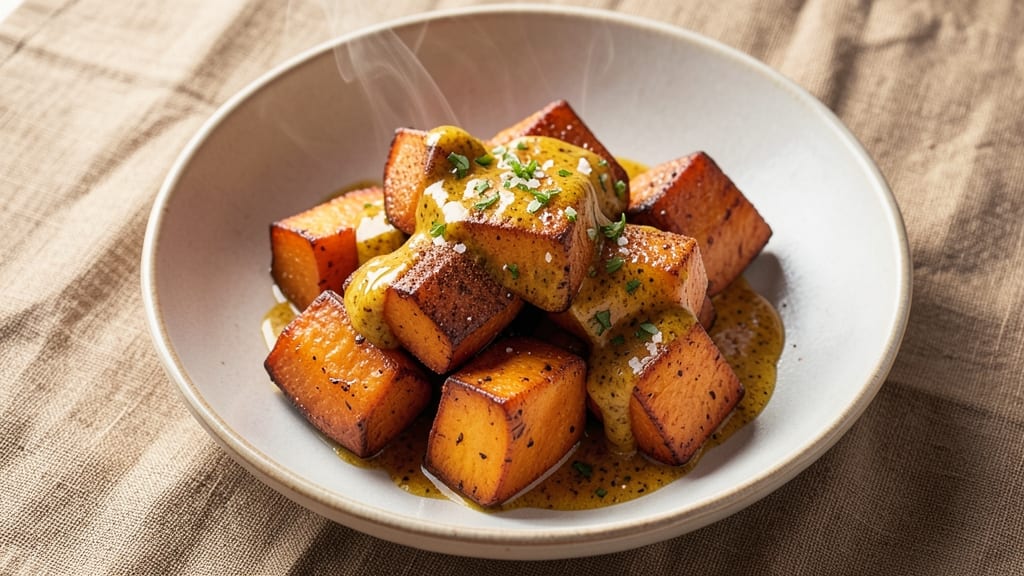
This sweet potato acid reflux recipe transforms a comforting classic into a soothing, digestion-friendly side that skips the triggers while keeping flavor gentle and satisfying. The secret lies in roasting—not frying—to preserve natural sweetness without adding oils that can aggravate reflux, while cinnamon and ginger provide warmth without irritation.
I developed this during a particularly sensitive stomach phase, and it became my go-to for meals that don’t compromise on taste or comfort.
The method is straightforward: sweet potatoes are roasted until tender with just a touch of olive oil, cinnamon, and ginger—no garlic, onions, or heavy spices that often cause discomfort. The result is a naturally sweet, velvety texture with subtle warmth that pairs beautifully with lean proteins or steamed vegetables.
What makes this recipe work is the balance: sweet enough to please, but gentle enough to digest without the usual post-meal discomfort.
By the time you’re done, you’ll have a side dish that’s as nourishing as it is delicious—perfectly roasted sweet potatoes with a caramelized edge and a tender interior, ready to complement your main course without overpowering it.
The spices used here are known for their soothing properties, making this more than just a side dish; it’s a thoughtful choice for anyone managing acid reflux while still enjoying flavorful meals.
This recipe works equally well as a standalone dish or alongside grilled chicken, baked fish, or steamed greens. The gentle cooking method ensures maximum digestibility while preserving all the natural benefits of sweet potatoes—fiber, vitamin A, and antioxidants—without the usual triggers that cause reflux flare-ups.
Let’s make this comforting yet thoughtful side dish.
Ingredients for sweet potato acid reflux
Nine simple ingredients for a comforting, reflux-friendly roast that keeps flavor gentle yet satisfying.
| Ingredient | Amount | Notes |
|---|---|---|
| Sweet Potatoes 🍠 | 2 lbs | Medium-sized, organic preferred |
| Extra-Virgin Olive Oil 🫒 | 1 tbsp | Lightly cold-pressed for gentle flavor |
| Ground Cinnamon 🌿 | 1 tsp | Freshly ground for warmth |
| Fresh Ginger 🌿 | 1 tbsp | Finely grated, organic preferred |
| Sea Salt 🧂 | ½ tsp | Diamond Crystal preferred |
| Ground Turmeric 🌶️ | ¼ tsp | For subtle earthiness |
| Pure Maple Syrup 🍯 | 1 tbsp | Grade A for gentle sweetness |
| Fresh Fennel Seeds 🌾 | ½ tsp | Crushed lightly for aroma |
| Fresh Rosemary 🌿 | 1 sprig | Organic, stems removed |
Sweet potatoes are the star here—organic is best to avoid pesticide residue that might irritate sensitive stomachs. Trader Joe's and Whole Foods carry reliable organic options, but any medium-sized sweet potatoes work. The skin stays on for nutrients, but if you prefer peeled, go for it. For the ginger, fresh is non-negotiable—dried lacks the soothing depth. Look for plump, firm roots with smooth skin. The cinnamon and turmeric? Penzeys Spices is my go-to for high-quality, pure spices—no additives that could trigger reflux. If you're new to fennel seeds, bulk bins at natural grocery stores are cost-effective and fresher than pre-packaged options.
No fresh rosemary? Dried works at half the amount, but fresh adds that bright, piney aroma that pairs perfectly. Swapping the maple syrup? Agave nectar is a 1:1 substitute, but maple has a more complex flavor. The olive oil is minimal—just a light coating to prevent sticking without overpowering. If you're avoiding all oils, water or broth works too—just reduce roasting time slightly. For the fennel seeds, if you can't find them, skip them entirely—this dish still shines without them. The turmeric adds subtle color and anti-inflammatory benefits, but if you're sensitive to it, reduce to a pinch or omit.
Roasted sweet potatoes keep best in the fridge for 4-5 days, wrapped in foil to maintain moisture. For longer storage, freeze cooked portions for up to 3 months—they reheat beautifully. I like to portion mine into single-serving containers so they're ready to grab for quick meals. The spices lose potency over time, so store them in airtight containers away from light. If you make extra, these reheat perfectly in the microwave with a splash of water to restore moisture—30 seconds on high is all it takes.
Why You'll Love This Recipe
- One-Pan Magic: I swear by this recipe when I’m too tired to scrub pots—just roast the sweet potatoes with olive oil, cinnamon, and ginger until caramelized. The sheet pan does all the work while I sip tea.
- Ginger-Cinnamon Comfort: That warm, spicy-sweet combo? It’s like a hug in food form. The fresh ginger soothes while the cinnamon adds depth—no heavy spices to trigger reflux, just pure satisfaction.
- Lunchbox Hero: Between us, these roasted sweet potatoes are my kids’ favorite school lunch. Pack them cold or reheat with a sprinkle of salt, and they’ll eat them over plain yogurt or in wraps.
- Budget Buster: Sweet potatoes are my secret weapon for stretching meals. A few dollars’ worth of produce turns into four servings, and the olive oil and spices cost pennies. Plus, leftovers taste just as good the next day.
Step-by-step instructions for gentle roasted sweet potatoes
Here's how to transform sweet potatoes into a soothing, reflux-friendly dish that keeps flavor without the burn.
Prep and Season the Sweet Potatoes
Preheat your oven to 400°F—this gentle heat ensures even cooking while preserving the sweet potatoes' natural nutrients. Peel the 2 lbs sweet potatoes and cut them into 1-inch chunks, ensuring even-sized pieces for consistent doneness. Place them in a large bowl and toss gently with 1 tablespoon extra-virgin olive oil until each piece is lightly coated.
In a small bowl, mix together 1 teaspoon ground cinnamon, 0.5 teaspoon sea salt, 0.25 teaspoon ground turmeric, and 0.5 teaspoon crushed fresh fennel seeds. Sprinkle this aromatic blend evenly over the sweet potatoes, tossing again to ensure every piece gets a flavorful coating. The cinnamon and turmeric add warmth without acidity, while the fennel seeds introduce a subtle licorice note that aids digestion.
Roast Until Tender and Caramelized
Spread the seasoned sweet potatoes in a single layer on a parchment-lined baking sheet, leaving about ½ inch between each piece. This spacing ensures they roast evenly and develop that beautiful caramelized exterior. Roast for 25 minutes, then carefully flip each piece using tongs. Return to the oven and roast for another 15-20 minutes until the edges are deep golden brown and the flesh is tender when pierced with a fork.
Here's the thing—don't overcrowd the pan. If your baking sheet is small, roast in batches. Overlapping pieces will steam instead of crisp, and you'll end up with soggy sweet potatoes. The goal is that perfect balance of tender flesh with a crispy, slightly caramelized exterior—this is what makes them so satisfying and gentle on digestion.
Finish with Maple and Rosemary
Remove the sweet potatoes from the oven and transfer them to a serving bowl. Drizzle with 1 tablespoon pure maple syrup, tossing gently to coat. The maple syrup adds a touch of natural sweetness that complements the spices without overpowering them. Add the 1 sprig fresh rosemary (stems removed) and toss once more. The rosemary's piney aroma and earthy flavor add depth while being gentle on the stomach.
Let the sweet potatoes sit for 2-3 minutes while you prepare your serving dish. This brief rest allows the flavors to meld together, creating a harmonious blend of sweet, earthy, and slightly herbal notes. The result is a dish that's comforting, flavorful, and perfectly suited for sensitive stomachs. Serve warm, either as a side dish or a light main course with a protein like grilled chicken or baked fish.
Pro Tips For Making Sweet Potato Acid Reflux
- ROAST LOW AND SLOW: Skip the high-heat rush—set your oven to 350°F (175°C) and bake those sweet potatoes for 45-60 minutes until they’re tender when pierced with a fork. I used to blast them at 400°F, thinking it’d speed things up, but they’d dry out or steam unevenly. Low and slow keeps them moist and easy to digest, which matters if acid reflux is your concern.
- PEEL AND GRATE GINGER FRESH: Buy a small knob of ginger (about 1-inch piece), peel it with a spoon (don’t waste time scrubbing), then grate it finely—no food processor, just a box grater. I learned this the hard way: pre-minced ginger loses potency fast, and jarred versions taste like sawdust. Fresh ginger adds real zing without irritating your stomach, and it’s the only way to guarantee flavor.
- SALT THE POTATOES BEFORE ROASTING: Toss your cubed sweet potatoes with ½ teaspoon sea salt per pound before they hit the oven. The salt draws out moisture, helping them crisp slightly on the edges while staying soft inside. I used to salt after roasting, and they’d turn soggy—this step makes all the difference for texture and digestion.
- STORE GINGER IN OIL TO SAVE TIME: After grating, mix the ginger with 1 tablespoon olive oil and store it in a small jar in the fridge for up to 5 days. Next time you make this, just scoop it out—no peeling or grating again. Sounds weird, but it works: the oil preserves the ginger’s bite, and you’ll always have it ready when you need it. (Yes, even if you’re impatient like me.)
Flavor customization for this recipe
Mild Heat Options
If you love warmth but need to avoid traditional spices, try ½ teaspoon ground cardamom—it adds a floral, slightly sweet note without acidity. I’ve found that ¼ teaspoon nutmeg (freshly grated) pairs beautifully with cinnamon, offering a cozy depth that’s reflux-friendly.
For a citrus-free brightness, ½ teaspoon ground coriander works wonders, balancing the sweetness naturally. 🌶️
Sweetness Adjustments
Skip the maple syrup entirely and use 1 tablespoon honey (raw, unprocessed) for a subtler sweetness—it’s gentler on digestion for some. If you prefer no added sweetness, the natural caramelization from roasting will still deliver a satisfying flavor.
For a tangy twist (without acidity), add 1 teaspoon unsweetened applesauce before roasting—it adds moisture and a mild sweet-tart balance. 🍯
Herbal Infusions
Swap rosemary for fresh thyme (1 sprig) for a more delicate, earthy aroma that’s equally soothing. Fresh basil (2 leaves, torn) adds a bright, slightly peppery note that pairs perfectly with the cinnamon.
If you’re using dried herbs, reduce to ½ teaspoon and add them directly to the roasting pan for maximum flavor infusion. 🌿
Texture Variations
For a creamy mash, roast the sweet potatoes until fork-tender, then mash with 2 tablespoons coconut milk (canned, full-fat) and a pinch of salt. This adds richness without dairy, making it ideal for those sensitive to lactose.
For a crispy exterior, brush the roasted sweet potatoes with a light coating of olive oil after roasting and broil for 2-3 minutes until golden. 🥔
Protein Pairings
Serve alongside steamed white fish (like cod or tilapia) for a light, protein-rich meal. For a vegetarian option, pair with lentil stew (cooked with carrots and celery for gentle flavors). If you’re craving something heartier, baked chicken breast (seasoned with just salt and paprika) complements the sweet potatoes beautifully. 🍗
Acid-Free Garnishes
Top with toasted pumpkin seeds (½ cup) for a nutty crunch that’s easy to digest. A sprinkle of finely chopped cilantro (if tolerated) adds freshness without acidity.
For a touch of elegance, drizzle with a few drops of vanilla extract (½ teaspoon) mixed with a splash of water—it enhances the sweetness naturally. 🌟
Nutrition facts
Frequently asked questions
Can I use regular potatoes instead of sweet potatoes for acid reflux?
Regular white potatoes are generally fine for acid reflux, but sweet potatoes offer more nutrients and natural sweetness without added sugars. The fiber in sweet potatoes also aids digestion, which is especially helpful when managing reflux. If you prefer white potatoes, choose waxy varieties like red or Yukon gold and avoid frying them.
Why are cinnamon and ginger safe for acid reflux?
Both spices are naturally low in acid and have anti-inflammatory properties that can actually soothe digestion. Cinnamon helps regulate blood sugar, while ginger reduces nausea and inflammation—key benefits for reflux sufferers. Just use them in moderation, as too much of any spice can still irritate sensitive stomachs.
How do I reheat these sweet potatoes without drying them out?
Reheat in the microwave for 30-45 seconds with a splash of water or broth to restore moisture. For oven reheating, cover with foil and warm at 350°F for 10-12 minutes. Never reheat in a dry skillet—this makes them crispy and harder to digest. The goal is to maintain their tender texture while keeping them gentle on your stomach.
Can I make this recipe without oil?
Yes! Toss the sweet potatoes with 2 tablespoons water or low-sodium vegetable broth instead of oil before roasting. This reduces fat content while still allowing for caramelization. You may need to roast 5-10 minutes longer at 400°F to achieve the same tenderness, but the result will be just as flavorful and reflux-friendly.
What if I don't have fresh rosemary?
No problem! Swap it for ½ teaspoon dried rosemary or 1 sprig fresh thyme. Both add aromatic depth without acidity. If you're avoiding all herbs, simply omit it—the sweet potatoes will still taste delicious with just the cinnamon, ginger, and maple syrup. The key is keeping flavors gentle and easy to digest.