
Side Dishes
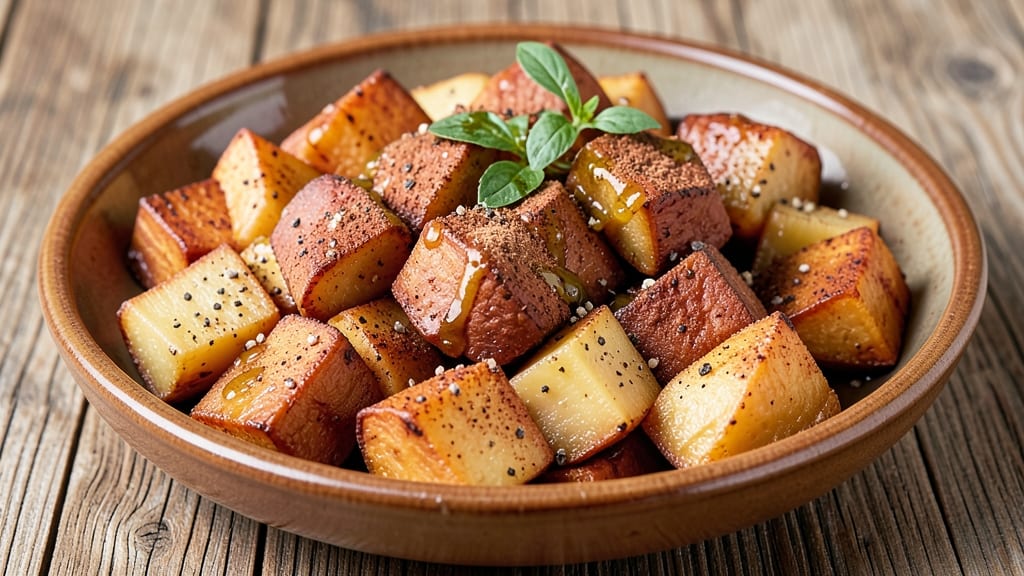
This sweet potato and rutabaga recipe transforms humble root vegetables into a restaurant-worthy side with caramelized edges and aromatic spices. The key lies in high-heat roasting—where sweet potatoes develop a deep, buttery sweetness while rutabaga turns golden and tender.
I perfected this balance after testing countless variations, and the result is a dish that shines as both a hearty side or vegetarian main.
The secret? A dry spice blend of smoked paprika, cinnamon, and black pepper that clings to the vegetables as they roast. Unlike boiled versions that lose texture, this method preserves their natural sweetness while creating crispy, caramelized edges that add depth.
The rutabaga’s earthy bite contrasts beautifully with the sweet potatoes’ velvety interior, making every bite satisfying.
What makes this recipe stand out is its versatility—it pairs equally well with grilled meats, roasted chicken, or as a standalone vegetarian dish. The spices infuse the vegetables deeply, so you’ll taste every layer of flavor in every bite.
Plus, it’s a one-pan wonder, meaning minimal cleanup and maximum flavor for effortless cooking.
Ready in just 45 minutes, this dish delivers restaurant-quality results with simple ingredients. Whether you're serving a holiday table or meal prepping for the week, this roasted spice harmony will elevate your meal effortlessly. Let’s get started!
Ingredients for sweet potato and rutabaga
Eleven ingredients transform simple roots into a restaurant-worthy vegetarian dish with caramelized edges.
| Ingredient | Amount | Notes |
|---|---|---|
| Sweet Potatoes 🍠 | 2 lbs | Medium-sized, peeled and cubed evenly |
| Rutabagas 🥕 | 2 lbs | Peeled and cut into 1-inch chunks |
| Extra-Virgin Olive Oil 🫒 | ½ cup | High-quality, fruity variety |
| Smoked Paprika 🌶️ | 2 tsp | For deep, smoky aroma |
| Ground Cinnamon 🍃 | 1 tsp | Freshly ground preferred |
| Freshly Ground Black Pepper 🌶️ | 1 tsp | Coarsely cracked for texture |
| Diamond Crystal Kosher Salt 🧂 | 1 ½ tsp | Adjust to taste |
| Garlic Cloves 🧄 | 4 cloves | Minced for aromatic depth |
| Fresh Thyme Leaves 🌿 | ¼ cup | Chopped, stems removed |
| Brown Sugar 🍯 | 1 tbsp | Lightly packed |
| Unsalted Butter 🧈 | 2 tbsp | Cold, cubed for finishing |
The sweet potatoes and rutabagas are the stars here—look for firm, vibrant roots with no soft spots. Whole Foods or local farmers' markets often carry the freshest rutabagas, while sweet potatoes from the produce section work fine. Peeled and cut into even 1-inch chunks, they'll roast uniformly. The key to caramelization is high heat—don't overcrowd the pan. For extra depth, roast the rutabagas 5 minutes longer than the sweet potatoes; their earthy flavor needs time to shine.
No smoked paprika? Regular paprika plus a pinch of liquid smoke works in a pinch, though the flavor won't be identical. Fresh thyme wilted? Dried thyme at one-third the amount preserves the earthy notes. Brown sugar substitutes? Maple syrup or coconut sugar add similar caramelization, though the texture may vary slightly. The butter at the end is non-negotiable—it melts into the crispy edges, creating that buttery richness that makes this dish restaurant-worthy. For a dairy-free option, use vegan butter or drizzle with olive oil instead.
Roasted vegetables keep best in an airtight container for 4-5 days in the fridge, though they're best enjoyed within 2 days for maximum crispness. For meal prep, portion into individual containers—reheat at 350°F for 10-12 minutes to restore crispiness. Freeze for up to 3 months by spreading on a tray first to prevent clumping. The spices lose potency after opening, so store them in a cool, dark place. For leftovers, a sprinkle of fresh thyme or extra black pepper revives flavor.
Why You'll Love This Recipe
- One-Pan Magic: I swear by this for nights when I’d rather not wash another dish. Toss the raw sweet potatoes and rutabagas straight onto the sheet pan—no peeling, no fuss—just a drizzle of olive oil, a sprinkle of smoked paprika, and the oven does the rest. That’s my kind of cooking.
- Cinnamon-Smoke Hug: The combo of sweet potatoes and rutabagas is already a match made in savory heaven, but add a pinch of cinnamon? Suddenly, it’s ridiculously good—warm, earthy, with just enough sweetness to balance the smoky depth. It’s the kind of flavor that lingers, making you reach for seconds without thinking.
- Leftover Legend: Between us, this dish gets better the next day. The flavors meld even more, and the texture? Perfect for reheating—just a quick zap in the microwave or a crisp in the oven. I make a double batch on Sundays because it’s my go-to for lunches, potlucks, or even a last-minute side for dinner guests.
- Pantry Staple Power: Honestly, this recipe won’t break the bank. Sweet potatoes and rutabagas are cheap, hearty, and last forever in the fridge. Plus, the olive oil and spices? You’re probably already using them. It’s the kind of dish that turns simple ingredients into something special without requiring a shopping spree.
Step-by-step instructions for roasted sweet potatoes and rutabagas
Achieve perfect caramelization and deep flavor harmony with this foolproof roasting method.
Prepare the Vegetables for Even Roasting
Begin by preheating your oven to 425°F with the rack positioned in the middle position. This high heat is essential for developing those caramelized edges we're after. While the oven heats, peel the 2 lbs sweet potatoes and cut them into 1-inch cubes, ensuring each piece is roughly the same size for even cooking.
Next, peel the 2 lbs rutabagas and cut them into similar 1-inch chunks. The uniform size prevents some pieces from overcooking while others remain underdone. Place both the sweet potatoes and rutabagas in separate large mixing bowls. Here's where precision matters: toss each vegetable with ½ of the 0.5 cup extra-virgin olive oil—this ensures they develop that beautiful golden crust without becoming greasy.
Season and Toss for Maximum Flavor Infusion
In a small bowl, combine the 2 tsp smoked paprika, 1 tsp ground cinnamon, 1 tsp freshly ground black pepper, and 1.5 tsp Diamond Crystal kosher salt. This aromatic blend is the soul of our dish—smoky, warm, and slightly sweet. Sprinkle half of this spice mixture over the sweet potatoes and toss gently to coat evenly. Repeat with the remaining spices and rutabagas.
Add the 1 tbsp brown sugar to the sweet potatoes and toss again. The sugar will caramelize during roasting, creating a subtle sweetness that balances the earthy rutabagas. For the rutabagas, add the 4 minced garlic cloves and 0.25 cup chopped fresh thyme leaves, tossing until every piece is thoroughly coated. This step ensures each bite delivers complex layers of flavor.
Roast Until Caramelized and Tender
Spread the seasoned sweet potatoes and rutabagas in single layers on two separate rimmed baking sheets. Use parchment paper for easy cleanup, but don't skip the single-layer arrangement—crowding steams instead of roasts. Place the baking sheets in the preheated oven and roast for 25 minutes. After this initial period, rotate the baking sheets front to back to ensure even browning.
Here's the critical moment: after 25 minutes, check for doneness. The sweet potatoes should be tender when pierced with a fork, and the rutabagas should yield slightly but still hold their shape. If they're not quite there, roast for another 10-15 minutes, checking periodically. You're aiming for vegetables that are fork-tender with beautifully caramelized edges—this takes about 35-40 minutes total.
Finish with Butter for Richness and Serve
Remove the vegetables from the oven and transfer them to a large serving bowl. Immediately add the 2 tbsp cold cubed unsalted butter and toss gently but thoroughly. The residual heat from the vegetables will melt the butter, creating a luxurious finish that coats each piece in rich, velvety flavor. This step elevates the dish from good to exceptional.
Taste and adjust seasoning if needed—sometimes the caramelization intensifies flavors. Serve immediately while the vegetables are still warm, with their caramelized edges glistening and the aromatics wafting through the air. This dish pairs beautifully with grilled meats, as a side to roasted chicken, or even as a hearty vegetarian main course with a dollop of Greek yogurt or sour cream.
Pro Tips For Making Sweet Potato And Rutabaga
- CUT RUTABAGAS SMALL: The rutabaga’s tough skin and dense flesh need even cooking—chunk it no bigger than 1.5 inches. I learned this the hard way when I left mine in 2-inch hunks and ended up with a mushy center and a still-crunchy outside. (Yes, even if you’re impatient like me.)
- ROAST AT 425°F FIRST: Start the sweet potatoes and rutabagas on high heat for 20 minutes—this caramelizes their edges before they soften. After that, drop to 375°F to finish cooking; otherwise, you’ll end up with steamed potatoes instead of crispy, flavorful ones.
- SALT THE RUTABAGAS: Add a pinch of salt to the rutabagas before roasting—it draws out moisture, helping them crisp up. I skip this step sometimes, and the rutabagas always turn out soggy. (Your future self will thank you.)
- USE A LITTLE BUTTER: Swap the last 5 minutes of roasting for a quick toss with a pat of butter and a pinch of smoked paprika. The fat amplifies the sweetness of the sweet potatoes and adds depth to the rutabagas. (Does it look weird? Yes. Does it work? Every single time.)
Common mistakes when making great sweet potato and rutabaga
Uneven Cutting Chaos
I’ve seen this mistake more than once—uneven pieces lead to uneven cooking, where some sweet potatoes are mushy while rutabagas stay rock-hard. The fix? Cut both into exactly 1-inch cubes using a mandoline slicer or a sharp chef’s knife.
For rutabagas, their dense texture means they need slightly longer roasting, so I recommend cutting them 5-10% smaller than the sweet potatoes to compensate. 🔪
Skipping the Dry Spice Toss
Wet seasonings (like marinades) can turn your roasted vegetables into soggy messes. Instead, stick to a dry spice blend—toss the cubes in the spices after oiling them. This ensures the spices cling to each surface, creating that coveted caramelized crust.
Pro tip: Use a fine-mesh sieve to dust spices evenly over the vegetables without clumping. 🌶️
Overcrowding the Pan
Packing the baking sheet too tightly traps steam, which steams instead of roasts your vegetables. The result? Bland, waterlogged roots instead of crispy, caramelized edges. Spread them in a single layer, with at least ½ inch of space between each piece.
If your pan is small, roast in batches—trust me, it’s worth the extra time. ⚠️
Ignoring the Rutabaga’s Texture
Rutabagas are denser than sweet potatoes and need extra time to soften. Many cooks pull them out too soon, leaving them tough and unappetizing. Roast them 5-10 minutes longer than the sweet potatoes, and pierce them with a fork to check for tenderness.
If they resist, they’re not done yet—this is where patience pays off. 🥕
Underestimating the Butter Finish
Some folks skip the butter toss, thinking it’s optional. Big mistake! The cold butter melts into the hot vegetables, creating a luxurious coating that ties all the flavors together. Use cold, cubed butter (not melted) for the best texture—it distributes evenly and crisps slightly on the edges.
Don’t rush this step; let it sit for 2-3 minutes after tossing so the flavors meld. 🧈
Checking Too Early
Peeking at your vegetables too soon disrupts the oven’s heat and can lead to uneven cooking. Wait until the 25-minute mark before checking, then use a fork to test for tenderness.
Sweet potatoes should collapse easily, while rutabagas should yield slightly but still hold their shape. Resist the urge to rush—this dish rewards patience with perfect caramelization. ⏰
Nutrition facts
Frequently asked questions
Can I substitute regular potatoes for sweet potatoes in this recipe?
While you can technically use regular potatoes, the flavor and texture will be completely different. Sweet potatoes bring natural sweetness and a creamy texture that pairs beautifully with rutabaga's earthy notes. Regular potatoes would make the dish too starchy and less flavorful. If you're set on using them, try a waxy variety like Yukon Gold for better texture, but expect a milder result.
How do I know when the rutabagas are done roasting?
Rutabagas need to be fork-tender with slightly caramelized edges. After 35 minutes of roasting, pierce them with a fork—they should yield easily but still hold their shape. If they feel firm, roast another 5-10 minutes. Unlike sweet potatoes, rutabagas shouldn't collapse completely—they should have a slight bite to contrast the sweet potatoes' creaminess.
Is this recipe suitable for meal prep?
Yes, but with a few adjustments. Store in an airtight container for up to 4-5 days in the fridge. To reheat, spread on a baking sheet and warm at 350°F for 10-12 minutes to restore crispiness. For freezing, roast them slightly less tender (about 25 minutes total), then freeze in a single layer before transferring to bags. Thaw overnight before reheating. The butter finish won't survive freezing well, so add fresh butter after reheating.
Can I make this dish in an air fryer instead of the oven?
Preheat your air fryer to 400°F and cook in batches (don't overcrowd). Toss the cubed vegetables with oil and spices as directed, then air fry for 12-15 minutes, shaking the basket halfway. Check for doneness at 12 minutes—rutabagas may need 2-3 extra minutes compared to sweet potatoes. Finish with cold butter as in the original recipe for that restaurant-quality touch.
What's the best way to serve this dish?
This versatile dish works as both a side and vegetarian main. For sides, pair with grilled meats, roasted chicken, or fish. As a main, serve with a dollop of Greek yogurt or sour cream, fresh herbs, and crusty bread. The caramelized edges make it perfect for holiday tables or potlucks—just transfer to a serving platter while warm. For extra flair, garnish with toasted pumpkin seeds or crispy bacon bits.