
Side Dishes
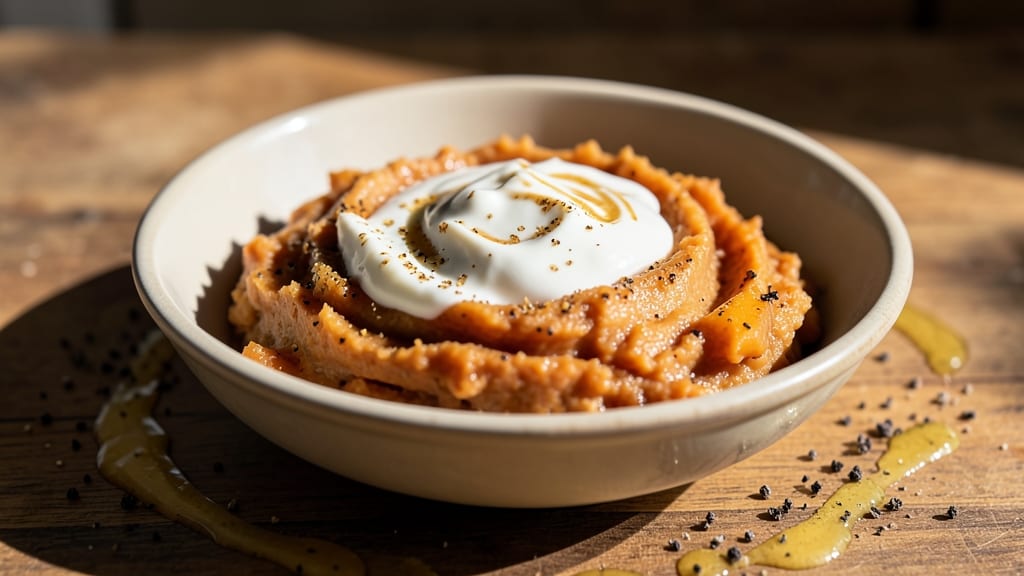
This sweet potato and white potato mash recipe transforms humble ingredients into a velvety, restaurant-worthy side dish with golden, crisp edges—the kind that disappears faster than you can say "seconds, please."
The secret lies in boiling the potatoes just until tender, then draining them completely to eliminate excess moisture, which guarantees that creamy texture we all crave. I've perfected this technique over years of holiday dinners, and it never fails to impress, even with picky eaters.
The magic happens in the blending stage, where I use a mix of butter and cream to achieve that signature ultra-smooth consistency without making the mash soggy.
A pinch of salt and a dash of nutmeg elevate the flavors, while the white potatoes add a neutral base that lets the sweet potatoes shine.
This isn't just any mash—it's the kind that turns a simple side into the star of the meal, worthy of any holiday table or weeknight dinner.
What sets this recipe apart is the balance: sweet potatoes bring natural sweetness and vibrant color, while white potatoes add structure and a subtle earthiness. The result is a mash that's rich yet light, creamy yet not gluey, with edges that crisp beautifully when baked.
Whether you're serving it alongside roasted chicken or as a standalone dish, this mash delivers comfort in every bite—no one will believe it's made with just two types of potatoes.
For those watching their dietary intake, I'll show you how to swap butter for olive oil and use coconut cream instead of dairy, ensuring everyone at the table can enjoy this foolproof, ultra-creamy mash without compromise. Here's how to make it perfectly every time.
Ingredients for sweet potato and white potato mash
Six simple ingredients transform into the creamiest mash you'll ever make—crisp edges and all.
| Ingredient | Amount | Notes |
|---|---|---|
| Sweet Potatoes 🍠 | 3 lbs | Medium size, peeled and cubed |
| White Potatoes 🥔 | 2 lbs | Russet or Yukon Gold, peeled |
| Unsalted Butter 🧈 | ¾ cup | Cold, cut into small pieces |
| Heavy Cream 🥛 | ½ cup | Full-fat for richness |
| Salt 🧂 | 1 ½ tsp | Kosher or sea salt |
| Ground Nutmeg 🌿 | ¼ tsp | Freshly grated preferred |
| Fresh Rosemary 🌿 | ½ tsp | Chopped, for garnish |
| Olive Oil 🫒 | 1 tbsp | For crisping edges |
| Garlic Cloves 🧄 | 2 cloves | Minced, optional |
| Coconut Cream 🥥 | ½ cup | Vegan swap for cream |
| Olive Oil 🫒 | ½ cup | Vegan butter substitute |
| Parmesan Cheese 🧀 | ¼ cup | Freshly grated, optional |
Sweet potatoes are the star here, but don't skip the white potatoes—they're the secret to that perfect texture. Russet potatoes work best for their neutral flavor and fluffy texture, while sweet potatoes add natural sweetness and vibrant color. I always grab organic sweet potatoes from Whole Foods or the local farmers market—they're sweeter and less likely to be waxy. Look for firm, smooth-skinned potatoes with no soft spots. If you can't find organic, regular potatoes work fine, just peel them well to remove any wax. For extra crisp edges, I like to roast the peeled potatoes for 10 minutes before boiling—worth the extra step!
No butter? Olive oil or coconut oil works perfectly for a dairy-free version—just use the same amount. Heavy cream too rich? Swap for coconut cream or even whole milk, though the texture will be slightly lighter. The nutmeg is non-negotiable for that classic flavor, but if you're out, a pinch of cinnamon works in a pinch. Fresh rosemary adds a lovely aroma, but dried rosemary at one-third the amount is fine if that's what you've got. For extra flavor, I sometimes add a clove of minced garlic to the butter when melting it—simple but makes a difference. And if you're feeling fancy, a sprinkle of freshly grated Parmesan on top adds a nice umami kick.
This mash reheats beautifully—just pop it in the microwave for 60-90 seconds with a splash of milk or water to keep it creamy. Store leftovers in an airtight container for up to 5 days in the fridge, or freeze for 3 months. For crispy edges, bake at 400°F for 10-15 minutes before serving. I always make extra because it disappears fast—perfect for meal prep or holiday leftovers. And if you're serving a crowd, double the recipe—just make sure to use a large pot for boiling and a stand mixer for blending.
Why You'll Love This Recipe
- Two-Potatoes, Zero Stress: I swear by this combo—sweet potatoes add natural sweetness while whites keep it light. Peel, chop, boil, mash. That’s it. No fancy techniques, no waiting forever.
- Butter-Cream Dream Team: The heavy cream makes it velvety, but the real magic? The butter—just a few tablespoons until it’s rich but not greasy. Honestly, the first bite makes you wonder why you ever bought instant mash.
- Weeknight to Holiday: Same recipe for Tuesday dinners or Thanksgiving leftovers. Serve it plain with gravy, or jazz it up with roasted garlic. My kids even ask for it at birthday parties—no one suspects how simple it is.
- Budget-Friendly Comfort: Sweet potatoes are cheaper than you think, and white potatoes stretch this far. A big batch feeds the family, reheats perfectly, and costs less than takeout. (Yes, even on a Tuesday night.)
Step-by-step instructions for sweet potato and white potato mash
Here's how to achieve that perfect ultra-creamy mash with buttery crisp edges—every time.
Parboil the Potatoes for Perfect Texture
Place the 3 lbs sweet potatoes and 2 lbs white potatoes in a large pot and cover with cold water by about 2 inches. Add 1.5 tsp salt and bring to a boil over high heat. Once boiling, reduce to medium-high heat and cook for 10-12 minutes—until you can easily pierce the potatoes with a fork but they're not falling apart.
Here's the key: drain immediately after boiling and return the potatoes to the pot. This prevents them from overcooking while you crisp the edges. If you leave them in hot water, they'll turn mushy instead of staying firm for that perfect mash.
Crisp the Edges for Rich Flavor
Heat 1 tbsp olive oil in a large skillet over medium-high heat until shimmering. Add the drained potatoes in a single layer and let them sit undisturbed for 3-4 minutes until golden brown spots form. Flip and crisp the other sides for another 3-4 minutes. This step develops that irresistible buttery flavor and texture.
I like to work in batches if needed—don't crowd the pan. The potatoes should sizzle and develop a golden crust. If you hear sizzling but no browning, your heat might be too low. This crisping step is what elevates ordinary mash to restaurant-quality.
Mash with Butter and Cream for Ultra-Creaminess
Return all the crisped potatoes to the pot. Add 0.75 cup cold unsalted butter (cut into small pieces) and 0.5 cup heavy cream. Using a potato masher or ricer, mash until smooth but with some slight texture—you want that velvety consistency without being gluey.
I find that adding the cold butter first helps create pockets of air that make the mash extra light. If using the 0.5 cup coconut cream instead of heavy cream, add it along with the butter for a vegan version that still achieves that creamy texture. Taste and adjust seasoning with additional salt if needed.
Finish with Warm Spices and Garnish
Transfer the mash to a serving bowl and stir in 0.25 tsp ground nutmeg and 0.5 tsp chopped fresh rosemary. The nutmeg adds warmth while the rosemary gives a fresh herbal note. For extra richness, stir in 0.25 cup freshly grated parmesan cheese—this is optional but adds a beautiful umami depth.
For that final touch, drizzle with a little more olive oil (about 1 tbsp) and additional chopped rosemary or minced garlic cloves if using. Serve immediately while warm—this mash tastes best straight from the pot with that perfect balance of creamy and crispy elements.
Pro Tips For Making Sweet Potato And White Potato Mash
- PEEL AND CUT UNIFORMLY: Sweet potatoes and white potatoes cook at different speeds—especially when roasted or boiled. Cut both into similar-sized chunks (about 1.5-inch cubes) so they finish together. I learned this the hard way when my sweet potatoes turned to mush while the white ones stayed rock-hard.
- BOIL THEM SEPARATELY: Don’t toss them in the same pot—sweet potatoes release starch and turn the water gluey, making your white potatoes gummy. Boil each type in its own pot until fork-tender (about 15-20 minutes for white, 12-15 for sweet), then drain well. Yes, it’s extra work, but the texture difference is night and day.
- MASH WHILE STILL HOT: Cold potatoes are stubborn. Mash them right after draining while they’re piping hot—this breaks down the starches smoothly. If you let them cool, you’ll fight lumps no matter how much butter or cream you add. (Pro move: Work in batches if needed, but keep the pot warm.)
- SALT THE WATER—BUT NOT THE POTATOES YET: Season the boiling water generously (like pasta water), but hold off on salting the mash itself until the very end. The salt draws out moisture, and you’ll end up with a watery, sad purée if you add it early. Taste and adjust after mixing in the butter and cream.
Best sauces and condiments for these flavors
Classic Brown Butter
Brown the 0.75 cup unsalted butter first to deepen its flavor—heat it in a saucepan over medium heat until it turns golden brown and smells nutty (3-5 minutes).
Let it cool slightly before mixing into your mash. This adds a rich, caramelized depth that pairs perfectly with the sweet potatoes' natural sweetness. 🧈
Creamy Garlic Aioli
Mix 0.5 cup heavy cream with 2 minced garlic cloves, 1 tbsp lemon juice, and a pinch of salt for a bright, herby aioli. Fold this into your mash just before serving—it cuts through the richness beautifully. For extra flair, top with chopped chives or smoked paprika.
Spicy Sriracha Mayo
Whisk 0.5 cup mayonnaise with 1 tbsp sriracha and 1 tsp honey for a kick of heat and sweetness. Drizzle this over your mash for a bold, tangy contrast.
I like to add a pinch of cayenne pepper for extra spice lovers. This works especially well with the sweet potatoes' natural sweetness.
Herbed White Wine Sauce
Simmer 1 cup dry white wine with 2 sprigs fresh thyme and 1 bay leaf until reduced by half. Stir in 2 tbsp butter and 1 tbsp flour to thicken, then fold into your mash.
The wine adds a sophisticated brightness that elevates this humble side dish to gourmet status. 🍷
Creamy Dill Sauce
Blend 0.5 cup sour cream with 2 tbsp chopped fresh dill, 1 tbsp lemon juice, and 1 tsp honey for a refreshing topping. The bright, herby notes complement the earthy sweet potatoes perfectly. Drizzle generously over the mash and garnish with extra dill and cracked black pepper.
Caramelized Onion Jam
Slow-cook 2 cups thinly sliced onions with 1 tbsp butter and 1 tbsp brown sugar until deeply caramelized (30-40 minutes). Spoon this sweet, jammy topping over your mash for a luxurious finish. The onions add a rich, sweet contrast that balances the creamy texture beautifully. 🧅
Nutrition facts
Frequently asked questions
Why mix sweet potatoes with white potatoes in mash?
The sweet potatoes bring natural sweetness and vibrant color, while white potatoes add structure and a neutral base that lets the flavors shine. This combination creates a mash that's both creamy and balanced—sweet potatoes can be too dense alone, and white potatoes prevent it from being overly sweet.
Can I make this mash ahead of time?
Yes! Store leftovers in an airtight container for up to 5 days in the fridge. For best texture, reheat in the microwave with a splash of milk or water for 60-90 seconds. To crisp edges again, bake at 400°F for 10-15 minutes before serving. This mash actually tastes better the next day!
What's the best way to crisp the edges?
After boiling, drain the potatoes completely and return them to the pot. Heat 1 tbsp olive oil in a skillet over medium-high heat until shimmering, then add potatoes in a single layer. Let them sit undisturbed for 3-4 minutes until golden brown forms before flipping. This creates that irresistible buttery texture!
How do I make this vegan?
Swap the butter for 0.5 cup olive oil and use 0.5 cup coconut cream instead of heavy cream. For extra richness, add 1 tbsp nutritional yeast when mashing. The texture stays ultra-creamy while keeping it plant-based. The nutmeg and rosemary still shine in this version!
Why does my mash turn out gluey?
Gluey mash usually means the potatoes were overcooked or not drained well. Always boil just until fork-tender (10-12 minutes), drain completely, and return to the pot before mashing. Adding cold butter first creates air pockets for a lighter texture. If it's still too wet, add a splash more cream or milk while mashing.