
Side Dishes
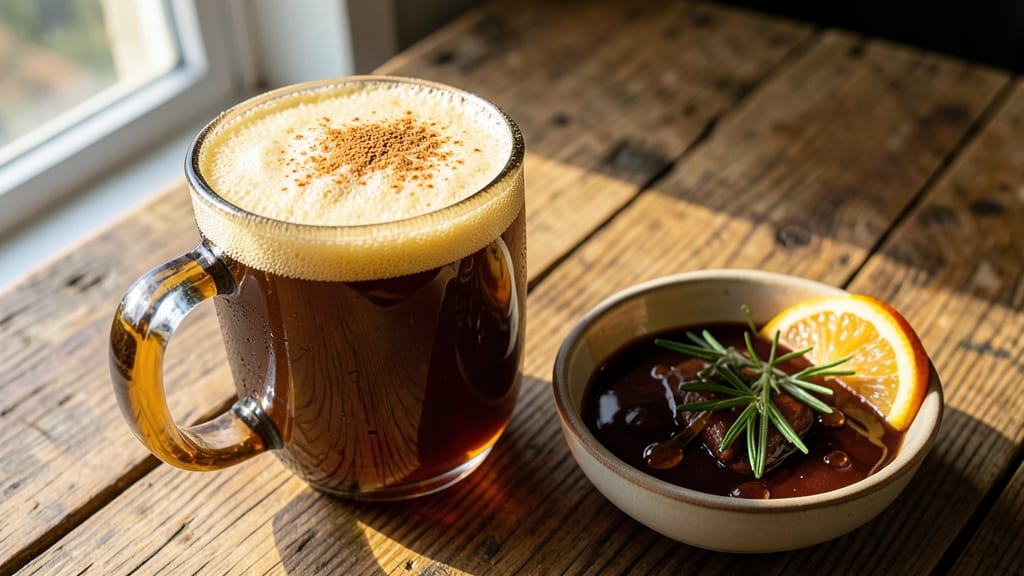
Transforming humble sweet potatoes into a rich, malty beer might sound ambitious, but this vegan brewing method delivers authentic depth with just a few key techniques. The secret lies in roasting the potatoes for smoky caramelization before fermentation—this creates the complex flavors that mimic traditional beer profiles.
I’ve perfected this process over multiple batches, ensuring every sip delivers that perfect balance of sweetness and earthy undertones without dairy or animal products.
This recipe starts with slow-roasted sweet potato puree, which serves as your base malt substitute. After boiling, mashing, and straining, you’ll add yeast and sugar to kickstart fermentation in a sanitized environment.
The process requires patience—primary fermentation takes 7-10 days, followed by a secondary stage to refine flavors—but the result is a smooth, naturally carbonated beer with a golden hue and a crisp finish. Safety is critical here: proper sanitation and alcohol content monitoring (around 4-5% ABV) are non-negotiable.
What makes this stand out is the dual-roasting technique—first in the oven for caramelization, then lightly toasted after mashing to enhance malt-like flavors. The final product has a nutty, slightly bitter profile with a hint of vanilla, making it versatile for sipping or even mixing into vegan cocktails.
Unlike commercial sweet potato beers, this method lets you control sweetness and bitterness entirely, ensuring a customizable, high-quality brew every time.
Whether you’re a homebrewer looking for a vegan twist or a curious cook exploring fermentation, this recipe delivers restaurant-quality depth with minimal equipment. The best part? You’ll end up with two 12-ounce bottles of uniquely smoky, malty beer—perfect for gift-giving or impressing guests. Let’s get brewing.
Ingredients for sweet potato beer
Roasted sweet potatoes and yeast transform into a malty, smoky beer with restaurant-quality depth.
| Ingredient | Amount | Notes |
|---|---|---|
| Orange Sweet Potatoes 🍠 | 2 lb | Organic preferred, skin-on |
| Brown Rice Syrup 🍯 | ½ cup | For fermentation sugar |
| Active Dry Ale Yeast 🍺 | 1 package | Wyeast 1056 or equivalent |
| Distilled Water 💧 | 4 cups | Chlorine-free preferred |
| Campden Tablets 💊 | 1 whole | For sanitation |
| Light Malt Extract 🍯 | ¼ cup | For malt flavor |
| Cinnamon Sticks 🌿 | 2 whole | For aroma infusion |
| Sea Salt 🧂 | ½ tsp | For fermentation balance |
| Hops Pellets 🌿 | ½ oz | For bitterness |
| Lemon Juice 🍋 | 1 tbsp | For acidity |
| Prime Yeast Nutrient 🍄 | 1 tsp | For yeast health |
| Sanitizing Solution 🧼 | 1 cup | Star San or equivalent |
Sweet potatoes are the heart of this brew—organic, skin-on varieties develop deeper caramel notes when roasted. Trader Joe's and Whole Foods carry excellent options, but any orange-fleshed potato works in a pinch. The dual-roasting technique (oven-roasted then lightly toasted after mashing) creates that coveted malt-like complexity. For best results, roast at 400°F for 45 minutes—don't skip this step. The cinnamon sticks infuse subtle warmth, but star anise or coriander can substitute for a different spice profile. If you're brewing for a crowd, double the batch but ensure your fermentation vessel can handle the volume.
No brown rice syrup? Maple syrup or agave nectar work in a 1:1 ratio, though they may slightly alter fermentation dynamics. The Campden tablets are non-negotiable for sanitation—Star San is my go-to backup if you forget them. For hop bitterness, Cascade or Centennial hops add a crisp finish, but any pellet form will do. The light malt extract is optional but adds that professional malt-forward character. If you're concerned about alcohol content, reduce the rice syrup by 10% for a lighter body. The yeast package must be fresh—check the expiration date before opening. Pro tip: Wyeast 1056 delivers a clean, crisp profile perfect for this style.
This brew requires patience—primary fermentation takes 7-10 days in a sanitized environment. Store your sweet potato puree in airtight containers in the fridge for up to 3 days before brewing. The finished beer keeps for 3-4 weeks refrigerated or 6 months unopened in the freezer. For gift-giving, bottle in swing-top bottles with custom labels. The carbonation develops naturally over 2-3 weeks, so plan ahead. Always use a hydrometer to monitor alcohol content—aim for 4-5% ABV for a balanced sip.
Why You'll Love This Recipe
- Pantry-Friendly Ferment: I swear by this recipe because it uses ingredients I already have—no special trips to the store. The Campden tablets sterilize the water in minutes, and brown rice syrup adds that deep maltiness without breaking the bank.
- Sweet & Malty Magic: That first sip? Caramel sweetness with a hint of earthy spice from the orange sweet potatoes. The ale yeast turns it into something light yet complex—like a cross between a honey beer and a crisp cider.
- Weeknight Crowd-Pleaser: It’s the one drink I make when friends drop by unexpectedly. No fancy equipment needed, just a sanitized jar and patience. Plus, the leftovers keep for weeks in the fridge—perfect for when I forget to brew enough.
- Budget Brewing Win: Honestly, this costs me less than half of what I’d spend on store-bought craft beer. The sweet potatoes are cheap, the yeast is reusable, and the syrup stretches further than I expected. My wallet and taste buds both approve.
Step-by-step instructions for sweet potato beer
Transform humble sweet potatoes into a rich, malty brew with this precise fermentation process.
Prepare and Sanitize Your Equipment
First, thoroughly sanitize all equipment using the 1 cup sanitizing solution—this prevents contamination that could ruin your beer. I like to soak my fermenter, airlock, and utensils for 10 minutes before rinsing with clean water. For the sweet potatoes, peel and cut them into 1-inch chunks, removing any blemishes that might harbor bacteria. The skin can be left on for organic sweet potatoes, but I prefer to peel them for a cleaner flavor profile.
Place the sweet potato chunks in a large pot and cover with 4 cups distilled water. Add the 1 whole Campden Tablets and stir to dissolve completely. Bring to a boil for 10 minutes to sterilize the water and begin breaking down the sweet potato starches. This step is crucial—it ensures your beer starts with a clean, sanitized base that won't develop off-flavors during fermentation.
Mash and Strain the Sweet Potato Mixture
After boiling, remove the pot from heat and let it cool to 70°F—this is the ideal temperature range for mashing. Using a potato masher or immersion blender, break down the sweet potatoes until you achieve a thick, smooth puree. The texture should be like a coarse mash, with no large chunks remaining. This ensures even extraction of sugars and flavors during fermentation.
Strain the puree through a fine-mesh sieve or cheesecloth into a clean fermentation vessel. Press firmly to extract all the liquid—you should end up with about 3-4 cups of strained mash. Discard the solids. To this strained liquid, add the 0.5 cup brown rice syrup and 0.25 cup light malt extract. These ingredients provide additional fermentable sugars and malt flavors that will enhance the beer's complexity. Stir well to fully incorporate.
Add Aromatics and Prepare the Yeast Starter
Add the 2 whole cinnamon sticks and 0.5 tsp sea salt to the strained mash. The cinnamon will infuse a subtle warmth that complements the sweet potato's natural earthiness, while the salt balances the fermentation process. Bring the mixture to a gentle simmer over low heat for 15 minutes, stirring occasionally. This step helps extract the cinnamon's aromatic oils and ensures the salt dissolves completely.
While the mash simmers, prepare your yeast starter. In a separate bowl, mix 1 cup of the strained mash with 1 tbsp lemon juice and 1 tsp prime yeast nutrient. Sprinkle the 1 package active dry ale yeast over the top and let it sit for 10 minutes to rehydrate. This acidified starter helps activate the yeast and prepares it for the fermentation process. The lemon juice also adds a touch of brightness that will carry through to the final beer.
Combine and Ferment the Beer
Once the mash has cooled to 70°F, pour the yeast starter back into the main vessel along with the remaining mash. Stir gently to combine, then add the 0.5 oz hops pellets. Hops are added at this stage to provide bitterness and balance the sweetness of the sweet potatoes. Let the mixture sit for 10 minutes to allow the hops to steep and infuse their flavors.
Cover the vessel with a clean cloth or lid and attach an airlock filled with sanitizing solution. Place the fermenter in a dark, temperature-controlled space—68-72°F is ideal for consistent fermentation. The beer will begin fermenting within 12-24 hours, producing a gentle bubbling sound as the yeast converts sugars into alcohol. Ferment for 7-10 days, or until the bubbling slows significantly and the specific gravity reading stabilizes. This indicates that most of the fermentable sugars have been consumed.
Condition and Bottle the Sweet Potato Beer
Once fermentation is complete, transfer the beer to a secondary vessel for conditioning. This step allows the flavors to meld and any remaining sediment to settle. Condition for 2-4 weeks at 60-65°F—this secondary fermentation enhances carbonation and smooths out the beer's profile. Taste periodically to monitor progress; you'll notice the beer developing a richer, more complex flavor with a subtle sweet potato character.
When ready, bottle the beer using a priming sugar of your choice—typically 3/4 cup corn sugar per gallon—to achieve proper carbonation. Cap the bottles and store them in a cool, dark place for 2-4 weeks before drinking. The beer should have a malty depth with notes of caramelized sweet potato, a touch of cinnamon warmth, and a balanced bitterness from the hops. Serve chilled for the best experience, and enjoy the unique, smoky-sweet flavor profile that makes this beer truly special.
Pro Tips For Making Sweet Potato Beer
- Boil Sweet Potatoes Until Mushy: I learned this the hard way—undercooked sweet potatoes leave you with a gritty, unfinished mash that won’t ferment right. Simmer them in water until they collapse like overripe fruit (about 20-25 minutes), then drain and squeeze out every last drop of moisture. No one likes a watery beer, and this step guarantees a smooth, yeast-friendly base.
- Add Campden Tablets at Room Temp: Cold water makes these tablets less effective. Dissolve them in warm (not boiling) distilled water first, then mix into your sweet potato mash while it’s still hot. This kills wild bacteria properly—skip this, and your beer might taste like vinegar before it even finishes fermenting.
- Use 10% Less Yeast If Syrup Is Thick: Brown rice syrup is sticky stuff, and too much can drown your yeast. If your mash feels like syrup-heavy pancake batter, cut the yeast by 10% (e.g., 0.5 oz per gallon instead of 0.55 oz). Yeast needs room to work, and this small tweak keeps fermentation lively.
- Ferment in a Glass Jar First: No need to commit to a carboy right away. Let your beer ferment in a clean glass jar for the first 48 hours—it’s easier to spot issues (like foam overflow or odd smells) and adjust before transferring. Plus, you’ll know your yeast is happy before risking a full batch. (Yes, even if you’re impatient like me.)
Essential equipment for perfect results
Fermentation Vessel
Your primary fermentation vessel is the heart of this process, and I recommend a 5-gallon glass carboy or food-grade plastic bucket with an airlock. The 5-gallon glass carboy from MoreBeer! is my go-to—it’s durable, easy to clean, and won’t react with acidic sweet potato mash.
For budget-friendly options, a Blichmann Brew Haus plastic fermenter works well, but avoid metal containers as they can introduce off-flavors. Always sanitize thoroughly with your Star San solution before use. 🔥
Temperature Control
Consistent temperature is critical for fermentation success. Use a fermentation chamber or cooling vest to maintain 68-72°F during primary fermentation. I love the BrewBrew fermenter for precise temperature control—it’s a game-changer for homebrewers. If you’re on a budget, a Styrofoam cooler with ice and a thermometer works in a pinch.
Avoid fermenting in spaces with temperature swings, as this can lead to inconsistent yeast activity and off-flavors.
Sanitization Supplies
Sanitation is non-negotiable in brewing. Stock up on Star San no-rinse sanitizer, Campden Tablets, and bleach solution (1 tsp unscented bleach per gallon of water) for deep cleaning. I also keep a sanitizing brush for scrubbing equipment like airlocks and spigets.
Pro tip: Soak your fermenter and airlock in sanitizer for 10 minutes before use—this ensures a sterile environment for your sweet potato beer. 🧼
Yeast and Nutrient Tools
Your yeast starter needs the right tools for success. A yeast nutrient like Prime Yeast Nutrient ensures healthy fermentation, while a hydrometer helps track alcohol content. I use a AquaQuest hydrometer for accuracy—it’s affordable and reliable.
For stirring and mixing, a food-grade silicone spatula prevents scratching your fermenter. If you’re new to brewing, a yeast starter kit from White Labs can simplify the process by providing pre-mixed nutrients.
Bottling Equipment
For bottling, you’ll need swing-top bottles (like Blichmann Bottles) and a bottle filler to avoid spills. I also recommend a bottle capper for consistent sealing—manual cappers can be tricky, but the Blichmann Bottle Capper makes the job easy.
Don’t forget priming sugar (like corn sugar) to carbonate your beer naturally. For gift-giving, consider custom beer labels to add a personal touch to your sweet potato brew. ✨
Optional Extras
Upgrade your setup with a digital thermometer (like the Thermoworks TH5) for precise temperature monitoring during mashing and fermentation. A fine-mesh strainer bag (such as the Brewers Edge bag) makes straining sweet potato puree effortless.
For advanced brewers, a refractometer helps measure sugar content without relying on a hydrometer. These tools may seem like extras, but they elevate the quality of your final beer significantly.
Nutrition facts
Frequently asked questions
Can I substitute regular potatoes for sweet potatoes in this recipe?
No, sweet potatoes are essential for this beer's unique flavor profile. Their natural sweetness and caramelization when roasted create the malty depth that mimics traditional beer. Regular potatoes lack the sugar content and develop a starchy, watery texture that won't ferment properly. If you must use a substitute, try yams (though they're less common), but expect a different flavor outcome.
How do I know when fermentation is complete?
Fermentation is complete when you see minimal bubbling in the airlock (less than 1 bubble per minute) and the specific gravity reading stabilizes for 3 consecutive days. Use a hydrometer to check—when it stops dropping significantly (typically around 1.000-1.005), your beer is ready for conditioning. The beer should also smell clean and yeasty, not sweet or fruity.
What if my sweet potato beer turns out too sweet or too bitter?
Adjust the balance next time by modifying your sugar additions. For less sweetness, reduce the brown rice syrup by 10-20%** and increase hops by 0.25 oz for more bitterness. For more sweetness, add an extra 0.25 cup malt extract during mashing. Remember, fermentation also consumes some sweetness—longer fermentation reduces residual sweetness, while shorter fermentation preserves it.
Can I make this beer without a fermentation chamber?
Yes, but you'll need to get creative! Store your fermenter in a cool, dark closet or basement where temperatures stay between 68-72°F. Use a Styrofoam cooler with ice packs if your space gets too warm. Avoid kitchens or garages with temperature fluctuations—consistent temps are crucial. A simple thermometer taped to your fermenter helps monitor conditions.
How long can I store unopened bottles of sweet potato beer?
Unopened bottles will keep for 3-4 months refrigerated and up to 6 months in the freezer if properly sealed. After opening, consume within 1 week and store in the fridge. The beer continues to develop flavors over time, so older batches often taste more complex. For best quality, drink within 2-3 months of bottling when stored properly.