Side Dishes
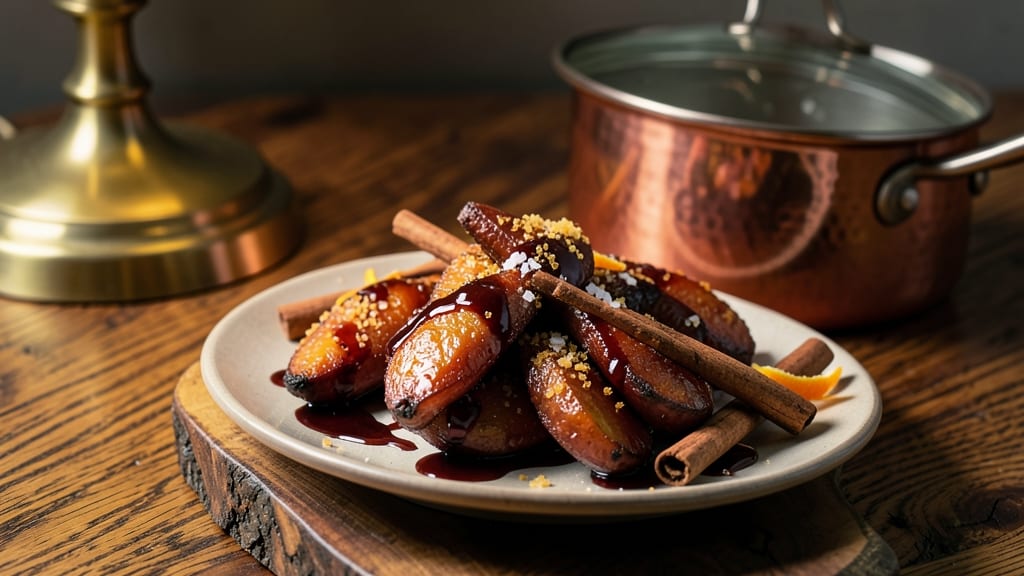
Transforming sweet potatoes into homemade brandy reveals flavors you won't find in store-bought bottles. This recipe takes you through every step—from caramelizing the potatoes to fermentation, distillation, and aging—so you end up with a smooth, spiced liqueur that tastes like autumn in a glass.
The process might sound complex, but breaking it into manageable stages makes it achievable with the right precautions and patience.
We start by roasting sweet potatoes until deeply caramelized, then mashing them into a thick purée. After adding sugar and yeast, the mixture ferments for about a week, developing rich, earthy notes. The real magic happens during distillation, where you’ll capture the alcohol while preserving those sweet, spiced flavors.
Safety is critical here—sterilizing equipment and monitoring alcohol levels ensures a smooth, drinkable result every time.
Once distilled, the brandy needs time to mature in oak barrels or even clean glass bottles, allowing flavors to meld and smooth out. You can customize it with cinnamon, orange peel, or vanilla for warmth and depth.
The final product is a velvety, caramel-hued liqueur with a balance of sweetness and spice that pairs beautifully with desserts or sips neat as a digestif.
This isn’t just a recipe—it’s a project that rewards attention to detail. Whether you’re crafting it for a holiday gift or simply indulging in the art of homemade spirits, the result is a sophisticated, flavorful brandy that tastes like love and effort in every sip.
Let’s get started on turning those sweet potatoes into something extraordinary.
Ingredients for sweet potato brandy
Four pounds of sweet potatoes and a few pantry staples transform into autumn's finest homemade brandy.
| Ingredient | Amount | Notes |
|---|---|---|
| Sweet Potatoes 🍠 | 2 lb | Organic preferred, peeled and cubed |
| Granulated Sugar 🍚 | 1 ½ cups | White or brown sugar works |
| Active Dry Yeast 🍞 | ¼ oz | Or 1 packet (0.25 oz) |
| Warm Water 💧 | 1 cup | 110°F for yeast activation |
| Cinnamon Sticks 🌿 | 2 whole | For fermentation flavor |
| Orange Peel 🍊 | 1 tbsp | Fresh, organic preferred |
| Vanilla Bean 🌸 | 1 whole | Split lengthwise for seeds |
| Distilled Water 💧 | 4 cups | For dilution after distillation |
| Unsweetened Almond Milk 🥛 | 1 cup | For aging blend (optional) |
| Honey 🍯 | ½ cup | For aging sweetness |
| Cinnamon Powder 🌶️ | 1 tsp | For finishing touch |
| Salt 🧂 | ½ tsp | Kosher or sea salt |
| Lemon Juice 🍋 | 1 tbsp | Freshly squeezed |
Sweet potatoes are the heart of this recipe—organic is ideal to avoid pesticides, but regular works too. Look for firm, vibrant orange flesh with no soft spots. Trader Joe's and Whole Foods carry excellent organic varieties year-round. Peeled and cubed, they caramelize beautifully when roasted—don't skip the browning—that's where the deep brandy flavor develops. For a holiday gift, double the batch and split into glass bottles. The yeast is non-negotiable—fresh packets only (check expiration dates!), and always test the water temperature before mixing.
No yeast? Active dry yeast from the baking aisle is your best bet—Penzeys or local health stores often carry higher-quality options. Running short on cinnamon sticks? Ground cinnamon at double the amount works in a pinch, but the sticks infuse better. Orange peel can be substituted with lemon or lime zest if you're out, though orange's natural oils are key for that classic brandy profile. The vanilla bean can be swapped for vanilla extract (1 tsp), but the seeds add texture and depth that extract can't match. For a spicier kick, add 1/4 tsp cayenne** during fermentation.
Store your sweet potato purée in the fridge for up to 3 days before fermentation—this gives flavors time to meld. After distillation, the brandy needs at least 3 months aging in oak barrels or clean glass bottles (like mason jars). For a richer finish, add the almond milk and honey during aging—stir monthly to integrate flavors. Once bottled, it keeps indefinitely, though flavors peak after 6-12 months. Label your bottles with the date—trust me on this—you'll want to track the aging progress.
Why You'll Love This Recipe
- No Special Tools Needed: I swear by this recipe because it’s the kind of thing you can pull off with a pot, a spoon, and whatever sweet potatoes are sitting in your fridge. No blender, no fancy molds—just peel, chop, and simmer. Honestly, if I can do it while scrolling through my phone, anyone can.
- Spiced Warmth in Minutes: That first sip of brandy—warm, cinnamon-kissed, with just a hint of caramelized sweetness—feels like a hug in liquid form. The yeast and sugar work their magic overnight, but the cinnamon sticks infuse this deep, cozy flavor that tastes like fall in a mug. (Yes, even on a Tuesday night.)
- Weeknight or Holiday Hero: I’ve used this to impress guests at a last-minute dinner party and to reward myself after a long workweek. Serve it chilled as a dessert with vanilla ice cream, or warm it up with a splash of milk for a boozy hot toddy. It’s the kind of drink that works for anything—no pressure, no fuss.
- Budget-Friendly Boozy Magic: Between us, this recipe costs less than half of what you’d pay for store-bought liqueur, and it’s way more impressive. Sweet potatoes are cheap, sugar is cheap, and a few cinnamon sticks last for ages. Plus, the leftovers? They keep for months in the freezer—perfect for when you’re craving that sweet, spiced kick without breaking the bank.
Step-by-step instructions for sweet potato brandy
Transform humble sweet potatoes into rich, boozy caramelized sweetness with this simple fermentation process.
Prepare the Sweet Potato Base
Peel and cube the 2 lb sweet potatoes into even ½-inch pieces. I like to use a mandoline for consistency—it gives you uniform cubes that caramelize at the same rate. Place the cubes in a large pot and cover with 4 cups distilled water. Bring to a boil over medium-high heat, then reduce to medium-low and simmer for 15-20 minutes until fork-tender but not mushy.
Drain the sweet potatoes thoroughly in a colander, pressing gently with a wooden spoon to remove excess water. This step is crucial—too much moisture will prevent proper fermentation. Transfer the drained sweet potatoes to a clean glass jar or fermentation vessel.
Create the Fermentation Mixture
In a separate bowl, combine the 1.5 cups granulated sugar, 0.5 cup honey, and 1 cup warm water (110°F). Stir until the sugar and honey dissolve completely, creating a syrupy liquid. This sweet mixture will feed the yeast and create the perfect environment for fermentation.
Add the 0.25 oz active dry yeast to the warm water mixture and let it sit for 5-10 minutes until it becomes frothy. This indicates the yeast is active and ready to work. Pour this yeast mixture over the drained sweet potatoes in the jar, along with the 2 whole cinnamon sticks, 1 tbsp orange peel, and the 1 whole vanilla bean (split lengthwise).
Ferment and Develop Flavors
Cover the jar loosely with a clean cloth or fermentation lid to allow gases to escape while keeping out contaminants. Let the mixture ferment at room temperature for 3-5 days, stirring gently once daily. You'll notice bubbles forming and a pleasant, slightly tangy aroma developing—this is the fermentation process at work.
After 3 days, taste the mixture. It should be sweet with a subtle tang. If it's not tangy enough, continue fermenting for another 1-2 days. Once it reaches your desired level of fermentation (I aim for a balance between sweet and slightly acidic), remove the cinnamon sticks and vanilla bean. Stir in the 1 cup unsweetened almond milk (optional) and 1 tbsp lemon juice to add depth and brightness.
Caramelize and Finish
Transfer the fermented sweet potato mixture to a heavy-bottomed saucepan. Add the 0.5 tsp salt and 1 tsp cinnamon powder, then cook over medium heat for 20-25 minutes, stirring frequently, until the mixture thickens and develops a rich caramel color. The edges should pull away from the pan slightly, indicating proper caramelization.
Once caramelized, remove from heat and let it cool to room temperature. For a smoother texture, blend the mixture until smooth using an immersion blender. Taste and adjust sweetness or acidity as needed—add a touch more honey for sweetness or lemon juice for brightness. Store in an airtight container in the refrigerator for up to 2 weeks, or freeze for longer storage.
Pro Tips For Making Sweet Potato Brandy
- STEAM NOT BOIL: Peel and cube your sweet potatoes before boiling—this cuts down on water absorption and keeps them firm for fermenting. I used to toss them in whole, and they’d turn to mush by day three. Two inches max per cube, and don’t overcrowd the pot.
- WEIGH YOUR SUGAR: Use a scale for the sugar, not volume. That “1 cup” in recipes can vary wildly—packed vs. fluffy makes a difference in fermentation speed. I learned this after my first batch fermented unevenly; now I stick to 225g for a 4-liter batch.
- PROOF THE YEAST FIRST: Mix your yeast with just sugar and warm water (95°F/35°C) before adding the sweet potato mash. This guarantees it’s active—no last-minute surprises. I’ve had batches fail because the yeast hit the starchy mash too soon and got sluggish.
- COLD-FERMENT FOR FLAVOR: Skip the rush and ferment at room temp for 5–7 days, then move to the fridge. The slow start lets the yeast work cleanly, and the cold finish mellows the alcohol bite. Sounds counterintuitive, but it’s the thing that makes homemade taste like actual brandy, not vinegar.
Creative variations of sweet potato brandy
Spiced Holiday Twist
For a festive holiday version, add 1 star anise pod and 2 cloves during fermentation—these spices deepen the warmth and pair beautifully with the sweet potato’s natural caramel notes.
I like to toast the spices lightly in a dry pan for 30 seconds before adding them to the jar to intensify their aroma. After distillation, strain out the spices and bottle the brandy with a cinnamon stick tucked into each bottle for a decorative touch. 🌟
Citrus-Infused Brightness
Swap the orange peel for 1 tbsp lemon or grapefruit zest to give your brandy a zesty, uplifting kick. The acidity cuts through the sweetness beautifully, making this version perfect for cocktails.
For extra brightness, add ½ cup grapefruit juice during the fermentation stage. This variation works especially well if you prefer a lighter, more refreshing brandy. 🍋
Smoky Maple Version
For a smoky depth, replace half the honey with ½ cup pure maple syrup and add 1 smoked salt (like Maldon) during the caramelization step.
The smokiness complements the sweet potato’s earthiness, creating a rich, complex flavor profile. This version is ideal for sipping neat or in spiced cocktails. 🌿
Vanilla Bean Boost
Double the vanilla bean to 2 whole beans for an even more pronounced vanilla flavor. Scrape out the seeds and add them to the fermentation jar along with the split beans.
After distillation, strain the brandy and bottle it with a vanilla bean pod in each bottle for continuous infusion. This creates a luxurious, dessert-like brandy that’s perfect for gifting. 🌸
Coffee-Infused Richness
Add 1 tbsp finely ground coffee (like dark roast) during the fermentation stage for a mocha-inspired twist. The coffee adds a deep, bittersweet note that balances the sweetness of the brandy.
Strain out the coffee grounds before distillation to avoid grit. This variation is a crowd-pleaser for coffee lovers and works well in dessert pairings. ☕
Winter Spice Blend
Create a custom spice blend by adding ½ tsp ground nutmeg, ½ tsp ground allspice, and ¼ tsp cardamom during the caramelization step. These spices add layers of warmth and complexity, making the brandy feel like a cozy winter hug.
Store the spice blend in a jar and reuse it for future batches. 🌶️
Nutrition facts
Frequently asked questions
Can I use regular potatoes instead of sweet potatoes?
No, sweet potatoes are essential for this recipe—their natural sugars and earthy flavor create the perfect base for brandy. Regular potatoes lack the caramelization depth and sweetness needed for a rich, boozy result.
How long does the fermentation process take?
Fermentation typically takes 3-5 days, but it depends on your climate and yeast activity. Stir daily and taste after 3 days—it should be sweet with a subtle tang. If it's not tangy enough, let it ferment another 1-2 days. Patience here ensures the best flavor.
Do I need a special still for distillation?
No, but you’ll need a safe alternative like a moonshine still or pot still for proper distillation. If you don’t have one, consider purchasing a small still (around $50-$100) or consulting a local distillery for guidance. Safety is critical—never use homemade or unsafe equipment.
Can I skip the aging process?
While you can drink the brandy immediately after distillation, aging for at least 3 months in oak barrels or glass bottles smooths out harsh alcohol flavors and deepens the caramel notes. For the best results, age it 6-12 months—think of it like letting wine mature.
What’s the alcohol content of the final brandy?
The alcohol content typically ranges from 20-30% ABV, depending on your distillation method and fermentation time. For a stronger brandy, extend fermentation or distill multiple times. Always label your bottles with the ABV and date—safety first!