
Side Dishes
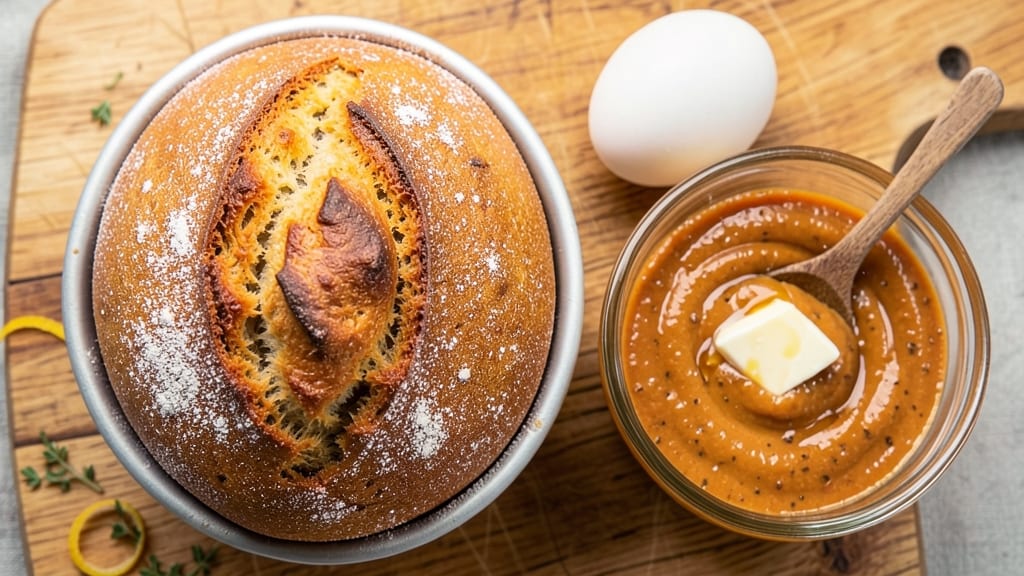
This sweet potato bread recipe transforms your bread machine into a hands-free kitchen assistant, delivering a moist, spiced loaf with caramelized sweetness in every slice. The secret lies in blending cooked sweet potato into the dough—it adds natural sweetness while keeping the crumb tender for days.
I developed this recipe after struggling with dry bread machine loaves, and this version stays fresh longer than store-bought. What makes this recipe work is the balance of ingredients: warm spices like cinnamon and nutmeg complement the sweet potato's natural flavor, while a touch of honey enhances the moisture.
The bread machine handles all the heavy lifting—kneading, proofing, and baking—so you only need to press "start" and let it do its magic. No stand mixer or complicated steps required.
By the time it emerges from the machine, you'll have a golden-brown loaf with a moist, slightly dense crumb and a subtle sweetness that pairs perfectly with butter or jam. The aroma alone will have everyone asking for seconds.
This recipe is designed for beginners and bread machine veterans alike—just follow the simple steps, and you'll achieve bakery-quality results every time. Perfect for breakfast, snacking, or gifting, this sweet potato bread keeps well for up to five days.
Let's get started with this foolproof method that turns simple ingredients into something extraordinary.
Ingredients for sweet potato bread recipe for bread machine
Sweet potato, warm spices, and bread machine magic combine for a moist loaf with caramelized sweetness.
| Ingredient | Amount | Notes |
|---|---|---|
| Sweet Potato, Cooked 🍠 | 1 ½ cups | Peeled, mashed, and cooled |
| All-Purpose Flour 🌾 | 3 ½ cups | Bread flour for chewier texture |
| Granulated Sugar 🍚 | ½ cup | White or light brown |
| Honey 🍯 | ¼ cup | Wildflower preferred |
| Unsalted Butter 🧈 | ½ cup | Softened to room temperature |
| Large Eggs 🥚 | 1 whole | Room temperature |
| Milk 🥛 | ¾ cup | Whole milk preferred |
| Ground Cinnamon 🌿 | 1 ½ tsp | Freshly ground for warmth |
| Ground Nutmeg 🌿 | ½ tsp | Freshly grated preferred |
| Salt 🧂 | 1 tsp | Kosher or sea salt |
| Active Dry Yeast 🍞 | 2 ¼ tsp | Ensure freshness |
| Vanilla Extract 🌸 | 1 tsp | Pure vanilla preferred |
The sweet potato is the heart of this recipe—pick a vibrant orange one with no green spots. Most grocery stores carry them year-round, but Trader Joe's or Whole Foods often have the sweetest varieties. Roast it whole at 400°F for 45 minutes, then mash it while still warm. The residual heat helps activate the yeast later. Don't skip cooling it completely before mixing—warm sweet potato can kill the yeast. For the spices, Penzeys or bulk bins at natural markets offer the freshest ground cinnamon and nutmeg. If you're short on time, pre-ground spices work, but freshly ground makes a noticeable difference in flavor depth.
No sweet potato? Canned pumpkin puree works in a pinch (use the same amount), though it lacks the caramelized sweetness. Substituting honey for maple syrup? Use 1:1 ratio, but the flavor will be slightly earthier. Whole milk unavailable? Almond or oat milk can replace it, though the bread may be slightly less tender. For the yeast, check the expiration date—old yeast won't activate properly. If your bread machine has a 'dough' setting, use that instead of 'basic' for better texture. The vanilla extract can be swapped for vanilla bean paste if you're feeling fancy, but pure extract is perfectly fine for everyday baking.
Store the bread in an airtight container at room temperature for up to 5 days. For longer storage, slice and freeze portions—3 months in a sealed bag. The bread reheats beautifully in a toaster or at 350°F for 5 minutes. I always make two loaves—one for the week and one to gift. The second loaf keeps perfectly wrapped in plastic. For extra moisture, brush the crust with melted butter right after baking. This bread pairs wonderfully with jam, butter, or even as a side to breakfast meats.
Why You'll Love This Recipe
- No Waste, All Flavor: I roast the sweet potato until it’s caramelized and tender—no peeling required—and blend it right into the dough. That means no extra trash, just pure, naturally sweet depth from the flesh itself.
- Honeyed Warmth: The combo of granulated sugar and honey gives this bread a slow-sweetened richness that’s not too cloying. It’s the kind of flavor that makes you reach for seconds without even thinking.
- Bread Machine Magic: Honestly, this is my go-to when I don’t want to fuss. Toss in the cooked sweet potato, flour, butter, and a splash of milk, and let the machine do the work. No kneading, no stress—just perfect loaves every time.
- Budget-Friendly Staples: Sweet potatoes are cheap, and this recipe uses pantry basics. A single batch stretches for toast, sandwiches, or French toast for days—no sad, crusty leftovers here.
Step-by-step instructions for sweet potato bread in a bread machine
Here's how to transform simple ingredients into a tender, spiced loaf with perfect moisture.
Prepare the Sweet Potato Mixture
In a medium bowl, combine the 1.5 cups cooked sweet potato with the 0.5 cup granulated sugar and 0.25 cup honey. The sweet potato should be completely cooled and mashed smooth—no lumps will ensure an even texture in your bread. I like to use a fork for this step to avoid over-mixing, which can make the dough dense.
Add the 1 tsp vanilla extract and stir until fully incorporated. The mixture should be thick but pourable—this forms the moist base of your bread. If it's too thick, add 1-2 tablespoons of milk to reach the right consistency. Set this mixture aside while you prepare the yeast mixture.
Activate the Yeast and Mix Wet Ingredients
In the bowl of your bread machine, combine the 0.75 cup milk with the 2.25 tsp active dry yeast. Let this mixture sit for 5-10 minutes until it becomes foamy—this confirms your yeast is active. If it doesn't foam, your yeast may be old, and you'll need to start over with fresh yeast.
Add the 1 whole large egg and 0.5 cup softened unsalted butter to the yeast mixture. Mix these ingredients together until the butter is fully incorporated and the mixture looks smooth. The butter should be soft enough to mix easily but not melted—this creates a tender crumb without making the bread greasy.
Combine Dry Ingredients and Sweet Potato Mixture
In a separate large bowl, whisk together the 3.5 cups all-purpose flour, 1.5 tsp ground cinnamon, 0.5 tsp ground nutmeg, and 1 tsp salt. Sift the flour mixture once to aerate it—this helps create a lighter bread texture. Make a well in the center of the dry ingredients and pour in the sweet potato mixture you prepared earlier.
Using a wooden spoon or rubber spatula, gently mix the wet and dry ingredients until just combined. You want to avoid overmixing—stop when the dough begins to come together but still has some shaggy bits. This prevents developing too much gluten, which would make the bread tough instead of tender.
Load the Bread Machine and Select Settings
Transfer the dough to the bread pan of your bread machine, making sure it's centered and not touching the sides. The dough should be slightly sticky but not wet—if it's too wet, add 1-2 tablespoons more flour to help it hold together. Wipe any excess dough from the sides of the pan to prevent burning during baking.
Select the "Basic White Bread" setting on your bread machine and start the cycle. The machine will automatically knead, rise, and bake the bread. For best results, use the medium crust setting—this ensures a soft exterior without drying out the interior. The entire process should take about 3 to 3.5 hours, depending on your specific bread machine model.
Check for Doneness and Cool Properly
The bread is done when it's fully baked and has a hollow sound when tapped on the bottom. Remove the loaf from the pan immediately after the cycle completes—letting it sit too long can make the bottom turn gummy. Place it on a wire rack to cool for at least 30 minutes before slicing.
This cooling time is crucial for developing the proper texture. If you slice too soon, the bread will be warm and sticky inside. Once cooled, your sweet potato bread should have a moist crumb with a subtle sweetness from the cinnamon and nutmeg. Store any leftovers in an airtight container at room temperature for up to 3 days, or freeze for longer storage.
Pro Tips For Making Sweet Potato Bread Recipe For Bread Machine
- MASH THE POTATO WELL: I learned this the hard way—lumpy mashed sweet potato makes dense, uneven bread. Use a ricer or fine-mesh sieve to break up all the chunks completely. No food mill? A potato masher works, but press hard and scrape the bowl clean—those tiny bits add up.
- WEIGH THE FLOUR: Scooping flour from the bag packs in air, which means your bread will rise unevenly. Use a kitchen scale for the exact weight (usually around 3 cups for this recipe). If you’re measuring by volume, spoon it in and level off—don’t tap the bowl.
- SOFTEN THE BUTTER FIRST: Cold butter creates pockets of dryness in the dough, leaving you with a bread that’s moist in the middle but crumbly on the edges. Microwave the butter for 10–15 seconds until just pliable, then let it cool slightly before mixing. It blends smoother and distributes better.
- LET THE DOUGH REST: Skipping the rest time (even 10 minutes) means the gluten won’t relax, and your bread will turn out tough. After adding the sweet potato mix, let the dough sit in the bread pan for a full 15–20 minutes before baking. The texture will be lighter, and the flavor deeper—trust me, it’s worth the wait.
Wine and beer pairings for this recipe
Sweet & Spiced Wine Pairings
This sweet potato bread's warm spices and caramelized sweetness pair beautifully with dry Riesling or Gewürztraminer. I love a crisp German Riesling like Dr. Loosen Blue Slate—its bright acidity cuts through the richness while complementing the cinnamon and nutmeg.
The slight sweetness in the wine mirrors the bread's natural caramel notes without overpowering it. 🍷
Autumnal Red Options
For those who prefer red wine, a Pinot Noir with earthy undertones works wonders. Look for a Willamette Valley or Oregon Pinot like Domaine Serene.
The wine's red fruit flavors harmonize with the sweet potato's natural sweetness, while its silky tannins balance the bread's moisture. Serve slightly chilled for best results.
Craft Beer Complements
A honey brown ale is my go-to beer pairing for this bread. Try Allagash Honey Brown—its malty sweetness and subtle spice notes echo the cinnamon and honey in the recipe.
The beer's caramel undertones also enhance the sweet potato's natural caramelization. For a lighter option, a Belgian witbier like Stella Artois adds citrusy brightness that refreshes the palate.
Coffee & Tea Pairings
Morning or afternoon, this bread pairs perfectly with chai tea or spiced coffee. Brew a masala chai with cardamom and cloves to amplify the warm spices in the bread.
For coffee lovers, a dark roast with cinnamon (like Peet's Major Dickason's Blend) creates a cozy, satisfying combination. The bitterness of the coffee balances the bread's sweetness beautifully.
Unexpected Pairing: Whiskey
Believe it or not, a bourbon like Buffalo Trace elevates this bread to new heights. The whiskey's vanilla and caramel notes harmonize with the sweet potato and honey, while its oakiness adds depth.
Sip it neat or on the rocks for a sophisticated pairing that highlights the bread's complex flavors. 🥃
Nutrition facts
Frequently asked questions
Can I substitute pumpkin puree for sweet potato in this recipe?
Yes! Use 1.5 cups canned pumpkin puree as a direct substitute, but note the flavor will be slightly earthier. For best results, choose 100% pumpkin with no added spices or sweeteners. The texture will remain moist, though the caramelized sweetness from sweet potato will be more pronounced.
Why did my bread turn out dense instead of moist?
Overmixing the dough or using old yeast are common culprits. Stop mixing as soon as the dough comes together (shaggy bits are fine). Also ensure your sweet potato is completely cooled before mixing—warm ingredients can kill yeast activity. For extra moisture, brush the cooled loaf with melted butter.
What bread machine setting should I use for best results?
Select the "Basic White Bread" setting with a medium crust option. This balances a soft exterior with a tender interior. Most bread machines complete the cycle in 3-3.5 hours. If your machine has a "Dough" setting, use that instead for even better texture control.
How can I make this bread less sweet?
Reduce the sugar to 0.25 cup and honey to 2 tablespoons while keeping the sweet potato amount the same. The natural sweetness from the sweet potato will still shine through, but with less added sweetness. You can also omit the honey entirely and use more milk for moisture.
Can I add nuts or chocolate chips to this recipe?
Fold in 1 cup chopped walnuts or pecans with the dry ingredients, or add 0.5 cup chocolate chips during the final dough mixing. For chocolate, use semi-sweet or dark chocolate—avoid milk chocolate as it melts differently. Stir gently to avoid overmixing.