
Side Dishes
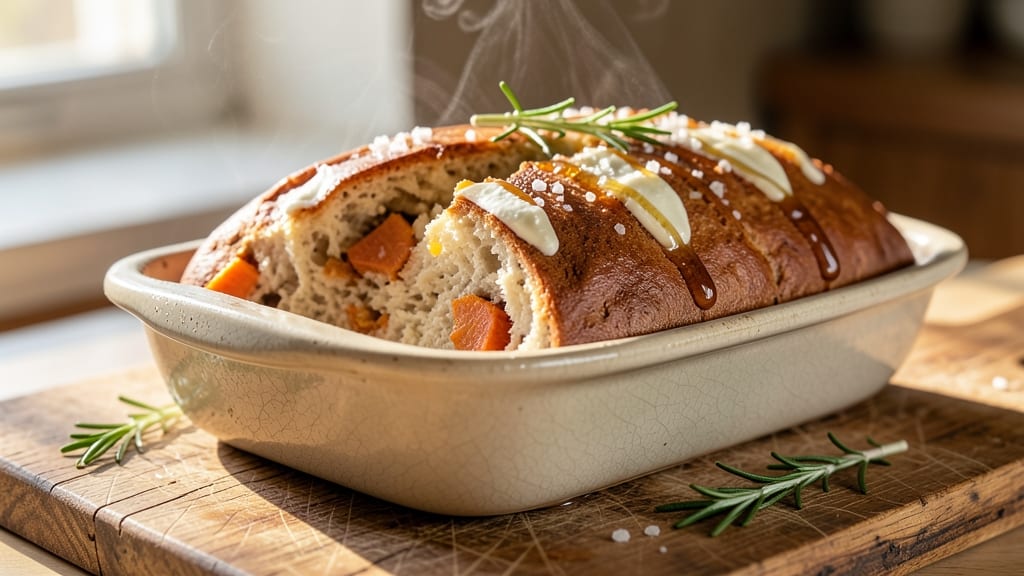
This sweet potato bread recipe with yeast delivers a warm, spiced loaf that transforms humble ingredients into a showstopping centerpiece. The secret lies in blending mashed sweet potato with classic bread dough, creating a tender crumb and golden crust that smells like autumn.
I developed this recipe after years of baking, perfecting the balance between sweetness and savory warmth that makes every slice irresistible.
The process combines traditional yeast fermentation with modern convenience—kneading by hand or mixer, followed by a one-hour rise that develops deep flavor. The sweet potato adds natural moisture and subtle sweetness, while cinnamon and nutmeg create that familiar comfort-food aroma.
This isn't just bread; it's a foolproof way to elevate any meal from ordinary to extraordinary.
What you'll end up with is a crusty-topped loaf with a tender interior, perfect for breakfast toast or sandwiches. The sweet potato base keeps it moist for days, while the yeast fermentation guarantees that perfect bread texture.
Whether you're baking for a family gathering or simply craving homemade goodness, this recipe delivers professional-quality results with simple techniques.
Best of all, this bread adapts easily to dietary needs—try adding oats for texture or substituting a portion of flour for whole wheat. The versatility makes it a staple for any kitchen. Let's get started on creating your perfect loaf.
Ingredients for sweet potato bread recipe yeast
Transform humble pantry staples into a golden, spiced loaf that smells like autumn in minutes.
| Ingredient | Amount | Notes |
|---|---|---|
| Sweet Potato (Orange Flesh) 🍠 | 1 ½ cups | Cooked and mashed, no skin |
| All-Purpose Flour 🌾 | 4 cups | King Arthur or similar high-gluten |
| Granulated Sugar 🍚 | ½ cup | Light brown sugar for deeper flavor |
| Instant Yeast 🍞 | 2 ½ tsp | Freshly opened, not expired |
| Unsalted Butter 🧈 | ½ cup | Softened, not melted |
| Large Eggs 🥚 | 2 whole | Room temperature for best mixing |
| Milk (Whole) 🥛 | ¾ cup | Warmed for easier mixing |
| Ground Cinnamon 🌿 | 2 tsp | Freshly ground preferred |
| Ground Nutmeg 🌿 | 1 tsp | Freshly grated for best aroma |
| Salt 🧂 | 1 ½ tsp | Diamond Crystal preferred |
| Vanilla Extract 🌸 | 1 tsp | Pure vanilla for authentic flavor |
| Cornmeal (Fine) 🌽 | ¼ cup | For dusting bread pan |
| Coarse Sugar (Optional) 🍚 | 2 tbsp | For topping crust |
The sweet potato is your secret weapon—choose vibrant orange flesh with no green spots. Most grocery stores carry them pre-cooked in the canned vegetable aisle, but freshly roasted sweet potato (pierced, wrapped in foil, baked at 400°F for 45 minutes) gives that restaurant-quality depth. I always grab organic sweet potatoes from Whole Foods when I can, but the regular supermarket kind works perfectly fine. For the flour, King Arthur or Gold Medal brands are my go-to—they handle yeast fermentation like pros. Pro tip: Measure your flour by weight if you have a kitchen scale—it's more accurate than volume. The butter should be soft but not melted, or the dough will get greasy instead of fluffy.
No instant yeast? Active dry yeast needs 5 minutes in warm water to activate first. Short on cinnamon? Pumpkin pie spice at half the amount works beautifully. The vanilla extract matters here—imitation vanilla has a chemical aftertaste, so splurge on the good stuff if you can. Want extra richness? Add 1 tbsp sour cream to the dough. For the milk, warmed to body temperature (about 100°F) helps the yeast activate faster. The nutmeg should be freshly grated—pre-ground loses its punch quickly. If you're out of cornmeal, semolina or all-purpose flour will work in a pinch for dusting the pan.
This dough doubles in size during the one-hour rise, so don't overfill your pan. Store leftovers wrapped tightly at room temperature for 2-3 days—they'll keep better than most bread thanks to the sweet potato moisture. For longer storage, freeze slices wrapped in parchment for up to 3 months. To revive, warm in a 350°F oven for 5-10 minutes. The crust stays crisp for about 24 hours if you store it in an airtight container—after that, it's perfect for toast. I always bake an extra loaf when I make this—it disappears faster than you'd think!
Why You'll Love This Recipe
- No Boil Needed: I just roast the sweet potato until tender—no peeling, no mess—then mash it right into the dough. That caramelized sweetness? Pure magic with zero extra steps.
- Sweet Butter Magic: The butter and sugar create this irresistible richness, while the roasted sweet potato adds natural depth. It’s like a hug in bread form—soft, slightly sweet, and just buttery enough to make you reach for seconds.
- Breakfast or Snack: Toast it for a quick breakfast with jam, or serve slices with butter at lunch. Honestly, I’ve even used it as a base for French toast—because why not? It’s that versatile.
- Budget-Friendly Staple: Sweet potatoes stretch the dough beautifully, cutting costs without sacrificing flavor. Plus, leftovers? They keep for days, so you’re always covered—no wasted ingredients here.
Step-by-step instructions for sweet potato bread with yeast
Here's how to create a perfectly spiced loaf with a buttery crust and moist interior.
Prepare the Sweet Potato Base
Preheat your oven to 375°F and place a baking sheet inside. Peel and chop 1.5 cups of orange-fleshed sweet potato into 1-inch chunks. Spread them on the baking sheet and roast for 25-30 minutes until fork-tender and slightly caramelized. I like to pierce them with a fork first to ensure even cooking.
Once roasted, transfer the sweet potatoes to a bowl and mash them thoroughly using a potato masher or fork. Let them cool completely before proceeding—this prevents the yeast from activating too quickly. The texture should be smooth with no lumps, and you'll notice a natural sweetness that forms the bread's signature flavor foundation.
Mix Wet Ingredients and Activate Yeast
In a large mixing bowl, combine the mashed sweet potato with 0.5 cup softened unsalted butter, 0.5 cup granulated sugar, 0.75 cup warmed whole milk, and 1 tsp vanilla extract. Whisk until the butter melts completely and the mixture becomes smooth. The warmth of the milk helps dissolve the sugar more effectively, creating a homogenous base.
In a separate small bowl, sprinkle 2.5 tsp instant yeast over 1 tablespoon of the warm sweet potato mixture. Let it sit for 5-7 minutes until it begins to foam and bubble—this confirms the yeast is active. If it doesn't foam, your yeast may be expired, and you'll need to start over. This activation step is crucial for proper rise in your bread.
Combine Wet and Dry Ingredients
Add the yeast mixture back to the large bowl and whisk gently to combine. In a separate bowl, sift together 4 cups all-purpose flour, 2 tsp ground cinnamon, 1 tsp ground nutmeg, and 1.5 tsp salt. Gradually add the dry ingredients to the wet mixture while stirring with a wooden spoon.
Once combined, add the 2 whole large eggs one at a time, mixing well after each addition. The dough will begin to come together, but don't be tempted to overmix—just until the ingredients are evenly incorporated. You're aiming for a thick, sticky batter that resembles pancake batter in consistency. This texture is perfect for creating a tender crumb in your sweet potato bread.
Shape and Proof the Dough
Lightly grease a 9x5-inch loaf pan and dust it generously with 0.25 cup fine cornmeal. Spoon the batter into the prepared pan and smooth the top with a wet spatula. Sprinkle the optional 2 tbsp coarse sugar evenly over the top for a decorative crust and extra sweetness.
Cover the loaf pan tightly with plastic wrap and let it rise in a warm place for 1 to 1.5 hours until it has nearly doubled in size. You'll know it's ready when the top springs back slowly when gently pressed with a finger. The warm environment helps the yeast activate properly, creating that perfect airy texture we're after. If your kitchen isn't warm enough, place the pan near a slightly warm oven with the light on.
Bake to Golden Perfection
Preheat your oven to 350°F once the dough has risen. Bake the loaf for 50-55 minutes until the top is deep golden brown and a toothpick inserted in the center comes out clean. The bread should have a beautiful caramelized crust with a slightly crackly texture on top.
For best results, let the bread cool in the pan for 10 minutes before transferring it to a wire rack to cool completely. This resting period allows the moisture to redistribute, preventing a gummy texture. Once cooled, slice into thick pieces and serve warm with butter or jam. The aroma alone will make your kitchen smell like a bakery—trust me, it's worth the wait!
Pro Tips For Making Sweet Potato Bread Recipe Yeast
- Boil Until Fork-Tender: Sweet potatoes straight from the oven are tough to mash—boil them first until a fork slides in like butter. I learned this the hard way after struggling with rubbery dough from undercooked sweet potatoes.
- Use Cold Butter: Cut that unsalted butter into tiny cubes and toss it straight into the dry flour mix—it’ll melt into the dough later without turning it greasy. My grandmother swore by this, and she was right: no more fighting with sticky dough.
- Don’t Rush the Rise: Let the dough double in a warm spot (like a turned-off oven with a cup of hot water) for at least 1.5 hours—yeast needs time to work its magic. I skipped this once and ended up with dense, flat bread that tasted like a brick.
- Mix in Sugar Gradually: Dumping all the sugar at once can kill the yeast—add half first, let the dough sit for 10 minutes, then mix in the rest. This keeps the yeast happy and prevents a gummy, overly sweet loaf. (Yes, even if you’re impatient like me.)
Make-ahead tips for this recipe
Prep Ahead Strategy
Make the dough up to 24 hours in advance and refrigerate it in an airtight container. The cold slows yeast activity, giving you more control over the rise.
When ready to bake, let the dough sit at room temperature for 30-45 minutes until it reaches 70°F—this reactivates the yeast for perfect proofing. I always prep the dough the night before so I can enjoy the baking aroma in the morning. 🌙
Freezer-Friendly Loaves
Bake your sweet potato bread, let it cool completely, then wrap each slice individually in plastic wrap followed by a layer of aluminum foil. Store in a freezer-safe bag for up to 3 months.
To reheat, warm slices in a 350°F oven for 5-8 minutes until crispy again. I freeze extra loaves in single-serving portions for quick breakfasts all winter long. ❄️
Overnight Proofing Hack
For a more flavorful loaf, try an overnight proof in the fridge. After your initial 1-hour room-temperature rise, transfer the covered pan to the fridge for 8-12 hours. The slow fermentation develops deeper sweet potato flavor and a tighter crumb.
Just bake straight from the fridge—no need to bring it to room temperature first. This method creates that artisanal bread taste without extra effort. 💤
Storage Secrets
Keep your baked loaf at room temperature in a bread box or cotton towel-lined container for 2-3 days. The sweet potato moisture prevents staling longer than regular bread. For maximum freshness, slice and freeze portions—this preserves the moist texture better than storing whole loaves.
I always wrap slices in parchment paper before freezing to prevent freezer burn. 🥖
Batch Baking Tips
Double the recipe for large gatherings, but use two 9x5-inch loaf pans instead of one large pan. This ensures even baking and prevents overcrowding. Label your pans with the date—my family loves having fresh bread ready for Sunday brunch.
For extra efficiency, use a stand mixer with a dough hook to combine ingredients if making multiple batches. 🍽️
Reviving Stale Bread
If your bread loses its freshness, revive it by wrapping in a damp towel and microwaving for 10-15 seconds. For a crispy crust, broil for 1-2 minutes at 375°F after reheating.
I also love making sweet potato bread pudding with slightly stale slices—they absorb the custard beautifully. Never throw out that leftover bread! 🔄
Nutrition facts
Frequently asked questions
Can I make this sweet potato bread without yeast?
Yes! For a quick version, replace the yeast with 1 teaspoon baking powder and 1 teaspoon baking soda in the dry ingredients. The texture will be denser but still delicious. For a more artisanal approach, try using 1 cup sour cream or buttermilk instead of milk—this adds tanginess and helps with rise without yeast. The baking time will be shorter (40-45 minutes) at 375°F.
Why did my sweet potato bread turn out dense instead of light?
Dense bread usually means the yeast didn't activate properly or the dough didn't rise enough. First, check if your yeast was fresh—it should foam within 5-7 minutes in warm liquid. Also, ensure your kitchen was warm enough (above 70°F) during proofing. If your oven wasn't hot enough, the bread may not have baked through completely. Try placing the dough near a turned-on oven light during rising for better heat circulation.
How can I add extra moisture to keep this bread fresh longer?
The sweet potato already adds moisture, but for an even softer loaf, try these tricks: Replace 0.25 cup of the all-purpose flour with whole wheat flour or add 2 tablespoons applesauce to the wet ingredients. For storage, wrap slices in damp paper towels before freezing—they'll stay moist for up to 3 months. Another pro tip: Brush warm bread with melted butter to lock in freshness for 2 extra days.
Can I substitute canned sweet potatoes instead of fresh?
Canned sweet potatoes work perfectly and save time. Drain and rinse 1 (15-ounce) can of mashed sweet potatoes, then use exactly 1.5 cups in the recipe. For extra flavor, add 1/4 teaspoon ground cloves to the spice mix. The canned version has slightly more moisture, so you might need to reduce the milk by 1-2 tablespoons if the dough feels too sticky. Always check the label for added sugars or salt.
What's the best way to reheat sliced sweet potato bread?
For crispy crust and soft interior, wrap slices in a damp paper towel and microwave for 10-15 seconds. For a bakery-style crust, place slices on a baking sheet and broil at 375°F for 1-2 minutes. For whole loaves, wrap in foil and warm at 300°F for 10 minutes. Pro tip: Spritz reheated slices with water and broil for 30 seconds to revive that fresh-baked aroma instantly.