
Sauces & Condiments
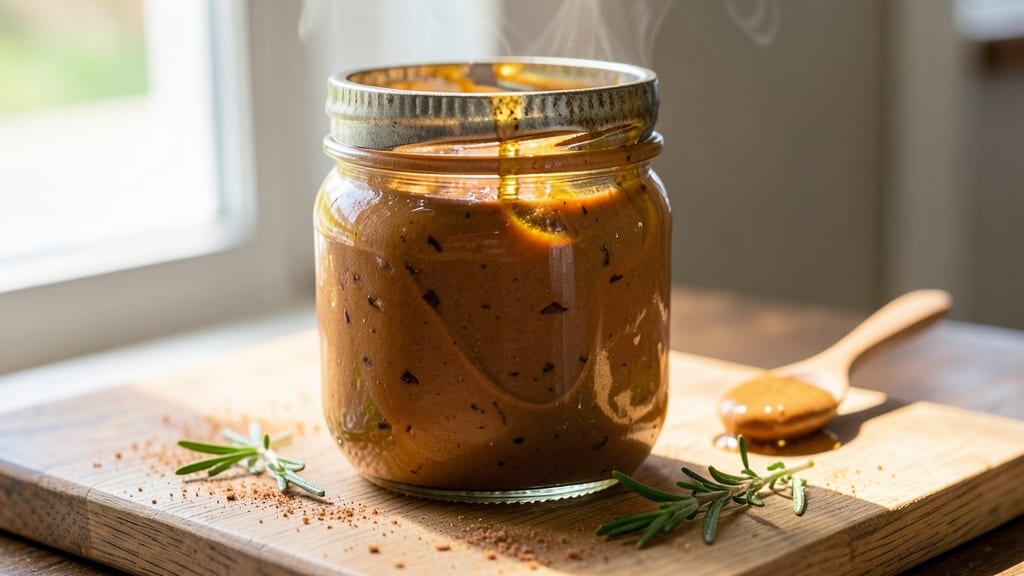
This sweet potato butter recipe transforms humble sweet potatoes into a velvety, spiced spread perfect for canning and preserving. The process unlocks deep caramel notes and warm cinnamon warmth that elevates both sweet and savory dishes—think toast, baked goods, or even as a glaze for roasted meats.
Sterilization and proper sealing ensure your homemade butter stays fresh for months, making it a pantry staple worth the effort.
What sets this recipe apart is the balance of natural sweetness and aromatic spices—cinnamon, nutmeg, and vanilla extract create layers of complexity that store-bought versions simply can’t match.
The slow-cooking method breaks down the sweet potatoes into a smooth, spreadable consistency, while the added honey or maple syrup ensures a perfect preserve without overpowering the natural flavor. Every jar you can will taste like autumn in a glass.
Once canned, this sweet potato butter becomes incredibly versatile. Spread it on warm biscuits, stir it into oatmeal, or use it as a glaze for ham or pork tenderloin.
The possibilities are endless, but the key is ensuring your jars are properly sterilized and sealed to maintain that restaurant-quality texture and flavor for up to a year. This isn’t just a spread—it’s a homemade treasure that turns simple ingredients into something extraordinary.
The best part? You’ll have a pantry stocked with a condiment that’s healthier than most store-bought options, packed with fiber, vitamins, and natural sweetness. With just a few simple ingredients and a bit of patience, you’ll create a spread that’s as nutritious as it is delicious.
Let’s get started on turning sweet potatoes into a pantry essential.
Ingredients for sweet potato butter recipe for canning
Just 11 ingredients transform humble sweet potatoes into velvety, spiced perfection ready for canning.
| Ingredient | Amount | Notes |
|---|---|---|
| Sweet Potatoes 🍠 | 4 lbs | Organic preferred, peeled and cubed |
| Extra-Virgin Olive Oil 🫒 | ½ cup | For moisture and richness |
| Pure Maple Syrup 🍁 | 1 cup | Grade A for best flavor |
| Ground Cinnamon 🌿 | 3 tbsp | Ceylon cinnamon for delicate taste |
| Ground Nutmeg 🌿 | 1 ½ tsp | Freshly grated preferred |
| Vanilla Extract 🍯 | 1 tbsp | Pure alcohol-free preferred |
| Salt 🧂 | 1 ½ tsp | Fine sea salt for balance |
| Lemon Juice 🍋 | 2 tbsp | Freshly squeezed for brightness |
| Water 💧 | ½ cup | For slow cooking consistency |
| Ball Mason Jars 🥫 | 4 whole | Pint-sized for ideal portions |
| Lid Latches 🔒 | 4 whole | New lids for proper sealing |
Sweet potatoes are the heart of this recipe—organic is ideal, but any firm, vibrant ones work. Peel and cube them into even pieces (about 1-inch cubes) for consistent cooking. Trader Joe's and Whole Foods often carry the best organic varieties, but your local grocery store's sweet potatoes are totally fine. The key is selecting ones that feel heavy for their size—those are the sweetest. If you're using conventional sweet potatoes, give them a good scrub to remove any dirt, as they can sometimes have more pesticide residue. And don't skip peeling—it ensures that silky texture we're all after in the final spread.
Maple syrup is non-negotiable here—Grade A delivers the best balance of sweetness and depth. No maple? Agave nectar works in a pinch, but it lacks that caramel complexity. For the cinnamon, Ceylon cinnamon is my go-to—it's milder and avoids that harsh, metallic aftertaste. Freshly grated nutmeg makes a world of difference, but if you only have pre-ground, toast it lightly in a dry pan first to wake up the flavors. The vanilla extract should be pure—alcohol-free versions work beautifully and avoid any boozy aftertaste. As for the jars, Ball Mason jars are the gold standard for canning, but any high-quality canning jars with new lids will do.
This spread keeps beautifully—up to 1 year in a cool, dark pantry once properly canned. For best results, process the jars in a water bath for 90 minutes to ensure sterility. Once opened, store in the fridge and use within 2 weeks. The texture gets even better after a few days as the flavors meld together. I always make extra—this stuff disappears fast on toast, in oatmeal, or as a glaze for roasted vegetables. If you're feeling ambitious, try freezing portions in ice cube trays for easy single-serving use later.
Why You'll Love This Recipe
- No Peel Required: I swear by this shortcut—just toss whole sweet potatoes into boiling water, skin and all, then mash them smooth. The skins slip right off after cooking, and you’re left with that velvety texture without the fuss of peeling raw spuds.
- Maple-Cinnamon Magic: That first spoonful of sweet potato butter—warm, nutty, with the deep caramel notes from the maple syrup and a whisper of nutmeg—is chef’s kiss. It’s like dessert sneaking into your savory meals, and honestly? It’s the best kind of sneaky indulgence.
- Pantry Staple Flex: This stuff plays nice with everything. Slather it on toast for a breakfast upgrade, stir it into oatmeal when I’m lazy, or even dollop it on roasted veggies—no one bats an eye. It’s my go-to when I need flavor without extra effort.
- Lasts All Winter: Between us, I’ve got jars of this butter from last year’s harvest still sitting in my pantry. The olive oil and maple syrup blend keeps it shelf-stable for months, and the cinnamon-nutmeg combo makes it taste even better as time passes. Budget win, flavor win.
Step-by-step instructions for sweet potato butter canning
Transform fresh sweet potatoes into a velvety, spiced butter that keeps beautifully in jars.
Slow-Cook Sweet Potatoes Until Silky
Combine the 4 lbs Sweet Potatoes (peeled and cubed), 0.5 cup Water, 1.5 tsp Salt, and 2 tbsp Lemon Juice in a large stockpot. Bring to a boil over medium-high heat, then immediately reduce to a gentle simmer. Cover partially and cook for 45-60 minutes, stirring occasionally, until the sweet potatoes are fork-tender and completely broken down into a smooth puree.
The lemon juice prevents browning while cooking, and the salt enhances the natural sweetness. You'll know they're ready when the mixture resembles thick mashed potatoes with no visible chunks. If the water evaporates before they're tender, add 1-2 tablespoons at a time as needed.
Blend and Sweeten the Mixture
Transfer the cooked sweet potato puree to a food processor or high-powered blender. Add the 0.5 cup Extra-Virgin Olive Oil, 1 cup Pure Maple Syrup, 3 tbsp Ground Cinnamon, 1.5 tsp Ground Nutmeg, and 1 tbsp Vanilla Extract. Process until completely smooth, scraping down the sides as needed. The mixture should be velvety with no graininess.
Taste and adjust seasoning if needed—this is your chance to balance sweetness and spice. The nutmeg adds warmth while the vanilla extract deepens the flavor profile. For best results, blend until the texture is completely uniform, almost like a thick, rich butter.
Sterilize Jars and Prepare for Canning
Preheat your oven to 250°F. Place the 4 whole Ball Mason Jars and 4 whole Lid Latches on a baking sheet and heat for 10 minutes to sterilize. While they warm, fill a large pot with water and bring to a rolling boil. Remove the jars and lids from the oven and keep them hot until ready to use.
Ladle the sweet potato butter into the hot jars, leaving ½-inch headspace at the top. Use a rubber spatula to remove any air bubbles trapped near the surface. Wipe the jar rims with a clean, damp cloth to ensure a proper seal.
Process and Seal the Jars
Place the lids on the jars and screw on the bands until fingertip-tight. Lower the jars into the boiling water using a jar lifter, ensuring they're completely submerged. Process in a water bath for 90 minutes for pint-sized jars. Start timing as soon as the water returns to a full boil.
After processing, remove the jars and let them cool undisturbed for 12-24 hours. You'll hear the satisfying "ping" as the lids seal. Check that the lids are concave and don't flex when pressed—this confirms a proper seal. Store in a cool, dark place for up to 12 months.
Pro Tips For Making Sweet Potato Butter Recipe For Canning
- Peel and Cube Small: Sweet potatoes vary wildly—cut them into 1-inch chunks before peeling. The skins protect them from drying out during roasting, and small pieces cook evenly without turning to mush. (Yes, peel after roasting—it’s easier.)
- Roast Until Fork-Tender: Don’t stop at "soft." Roast the sweet potatoes at 400°F until they collapse under a fork—about 45-50 minutes. Overcooked? You’ll get a gummy butter. Undercooked? The texture will feel mealy. Aim for that sweet, creamy give.
- Toast the Spices: Warm the cinnamon and nutmeg in a dry pan for 30 seconds before mixing. The aroma jumps off the plate, and it prevents that "dusty" aftertaste from raw spices. (Skip this, and your butter will taste like baking supplies.)
- Blend in Stages: Pulse the roasted potatoes first, then stream in the olive oil and maple syrup while blending. This keeps the oil from splattering everywhere and ensures the syrup emulsifies smoothly. (Pro move: Use a high-speed blender—immersion blenders make this messy.)
Dietary considerations for this dish
Vegan-Friendly Base
This sweet potato butter is naturally vegan—no dairy, eggs, or animal products are involved. The richness comes from extra-virgin olive oil and pure maple syrup, while the spices provide depth without relying on butter or honey.
For extra protein, add 1 tablespoon of tahini or 1 scoop of vanilla protein powder to each jar before processing. 🌱
Gluten-Free Guaranteed
The recipe is inherently gluten-free since it contains no wheat, barley, or rye. Double-check your cinnamon and nutmeg for cross-contamination warnings if you're highly sensitive—some brands process spices in shared facilities.
I always use Bob’s Red Mill spices for my gluten-free kitchen. The sweet potatoes and maple syrup are naturally gluten-free, making this a safe spread for celiac diets.
Low-Sugar Adaptations
If you're watching sugar intake, reduce the maple syrup to ½ cup and add 1 tablespoon of monk fruit sweetener or stevia to maintain sweetness without spiking blood sugar. The natural sweetness of the sweet potatoes will still shine through.
For a savory twist, swap the syrup for 1 tablespoon of apple cider vinegar and 1 teaspoon of smoked paprika—this creates a tangy, umami-rich spread perfect for roasted veggies or meats.
Allergen Considerations
This recipe is nut-free and soy-free, but always verify individual ingredients if you have severe allergies. For example, some vanilla extracts contain alcohol or trace nuts. I recommend Frontier Co-op vanilla extract, which is certified nut-free.
If you're allergic to citrus, omit the lemon juice and replace it with ½ teaspoon of apple cider vinegar for acidity balance.
Keto-Friendly Version
For a low-carb adaptation, replace ½ cup of the maple syrup with ½ cup of erythritol or allulose (both are keto-friendly sweeteners). The remaining ½ cup of maple syrup keeps the texture rich and spreadable.
This version will have about 3 net carbs per 2-tablespoon serving, making it a great keto-friendly condiment. Pair it with cheese crisps or pork rinds for a satisfying snack.
Nutrition facts
Frequently asked questions about sweet potato butter canning
Can I use regular potatoes instead of sweet potatoes?
No, sweet potatoes are essential for this recipe. Their natural sweetness and vibrant orange color create the signature flavor and texture. Regular potatoes lack the caramel depth and would make the butter taste bland and starchy. If you're set on a potato butter, try making a separate version with Yukon Golds, but it won't have the same rich, spiced profile.
How do I know if my jars are properly sealed?
After cooling for 12-24 hours, press the center of each lid—it should stay concave and not flex. If the lid pops up when pressed, the seal failed and you should refrigerate that jar and use it within 2 weeks. Also listen for a satisfying "ping" sound during cooling, which confirms a good seal.
What can I do with leftover sweet potato butter?
This versatile spread works on everything! Use it as a toast topping, stir into overnight oats, or drizzle over pancakes. For savory options, try glazing roasted carrots or pork chops. You can also freeze portions in ice cube trays for easy single-serving use later.
Can I adjust the spice levels in the recipe?
Start with the recommended 3 tbsp cinnamon and 1.5 tsp nutmeg, then taste as you go. For warmth, add ½ tsp cayenne or 1 tsp smoked paprika. If you prefer milder flavors, reduce cinnamon to 2 tbsp and nutmeg to 1 tsp. Always blend well to distribute spices evenly.
Why did my sweet potato butter separate in the jar?
This usually happens if the mixture wasn't blended smooth enough before canning. Next time, process until completely velvety with no visible chunks. If it separates after canning, simply stir the jar contents gently before using—heat helps restore the smooth texture. For future batches, add 1 tbsp xanthan gum to help stabilize the mixture.