
Side Dishes
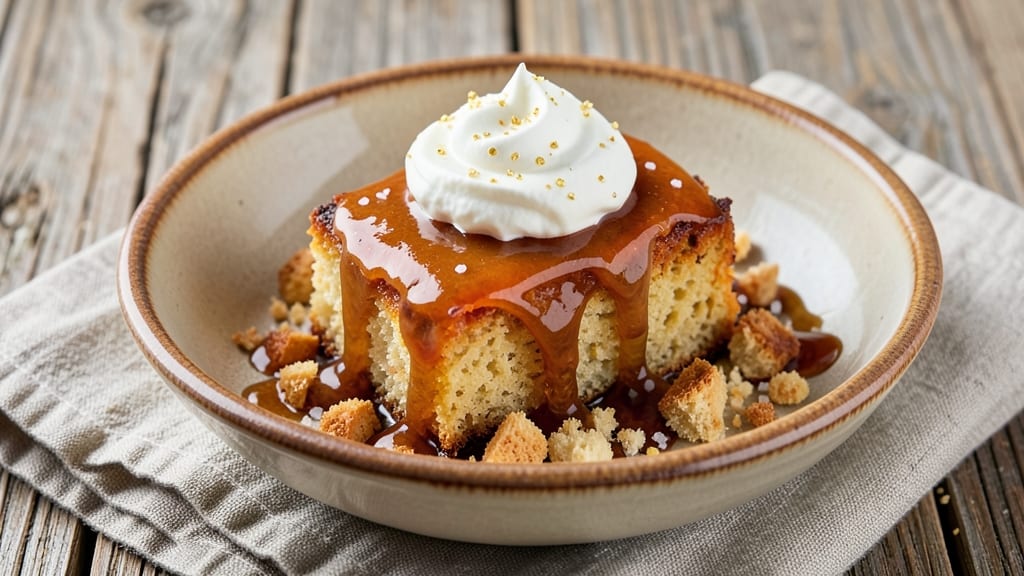
This sweet potato cornbread glaze recipe transforms humble ingredients into a rich, caramelized masterpiece that elevates casseroles, biscuits, and even roasted meats. The secret lies in blending tender sweet potatoes with cornbread crumbs, then simmering until thick and glossy—creating a sauce that's both comforting and sophisticated.
I developed this after noticing how often sweet potatoes and cornbread appeared together in Southern cooking, and realized their flavors deserved a more intentional pairing.
The process is straightforward but requires patience: roasting the sweet potatoes until tender, blending them into a smooth purée, then combining with cornbread crumbs and simmering until the glaze reaches that perfect velvety consistency.
What makes this glaze special is its versatility—it works as a drizzle for roasted vegetables, a topping for cornbread muffins, or even a glaze for ham. The natural sweetness of the sweet potatoes balances the nutty cornbread flavor, creating a harmonious blend that's neither too sweet nor too savory.
Once complete, you'll have a glossy, aromatic glaze that adds depth to any dish it touches. The texture is thick enough to cling beautifully but still spreadable, with a subtle caramelized depth from the slow simmering process.
This isn't just another sweet potato recipe—it's a game-changer for anyone looking to add a touch of Southern comfort to their meals without the fuss of complicated techniques.
The best part? This glaze keeps well in the refrigerator for up to five days, making it perfect for meal prep. Whether you're serving it over a hearty casserole or drizzling it over warm biscuits, this recipe delivers restaurant-quality results with simple, pantry-friendly ingredients.
Let's get started on creating this versatile, flavor-packed glaze that will become a staple in your kitchen.
Ingredients for sweet potato cornbread glaze
Transform humble pantry staples into a velvety glaze that'll make your casseroles and biscuits irresistible.
| Ingredient | Amount | Notes |
|---|---|---|
| Orange Sweet Potatoes 🍠 | 2 lbs | Medium-sized, peeled and cubed |
| Cornbread Crumbs 🍞 | 1 ½ cups | Freshly baked and cooled |
| Unsalted Butter 🧈 | ½ cup | Cold, cubed for even melting |
| Pure Maple Syrup 🍯 | ¼ cup | Grade B for deeper flavor |
| Brown Sugar 🍚 | ¼ cup | Packed for accurate measurement |
| Heavy Cream 🥛 | ½ cup | Full-fat for richness |
| Ground Cinnamon 🌿 | 1 tsp | Freshly ground for warmth |
| Ground Nutmeg 🌿 | ¼ tsp | Finely ground for subtle depth |
| Salt 🧂 | ½ tsp | Diamond Crystal preferred |
| Vanilla Extract 🥄 | 1 tsp | Pure, high-quality preferred |
Sweet potatoes are the heart of this glaze—look for vibrant orange ones with smooth skins, not dry or shriveled. Trader Joe's and Whole Foods carry the best quality, but any grocery store will have decent ones. Peeled and cubed, they roast until tender and caramelized, which is where all that rich flavor comes from. Pro tip: Don't skip the peeling—the skin can make the glaze gritty. If you're short on time, microwave the cubed potatoes for 8 minutes first to speed up roasting. The butter matters too—use European-style if you can find it, but any good-quality unsalted will work.
No maple syrup? Honey or agave nectar works in a pinch, though maple adds that perfect caramel depth. Cornbread crumbs? Toast stale bread with cornmeal if you're out—just mix 1 cup breadcrumbs with 1 tbsp cornmeal. The heavy cream can be swapped for half-and-half at half the amount, but you'll lose some richness. For extra depth, add a pinch of smoked paprika—it pairs beautifully with sweet potatoes. And if you're feeling fancy, infuse the butter with a splash of vanilla while melting it for an even deeper flavor.
This glaze keeps beautifully—5 days refrigerated or 3 months frozen. For freezing, portion into ice cube trays, then transfer to a bag. Reheat gently in the microwave or on the stovetop, adding a splash of water if it thickens too much. Double the batch—it disappears fast. The best part? It tastes even better the next day as all the flavors meld together. Perfect for meal prep when you want something special without the fuss.
Why You'll Love This Recipe
- Five-Ingredient Magic: I swear by this combo—roasted sweet potatoes add natural sweetness, while crunchy cornbread crumbs cut through the richness of butter and maple syrup. Honestly, it’s the kind of glaze that makes me want to drizzle it on everything, and the brown sugar ties it all together with just a hint of caramel depth.
- One-Pan Wonder: Between us, this glaze takes less than 15 minutes to make with zero cleanup. Just toss the sweet potatoes and butter in a skillet, mash them up, then stir in the crumbs and syrup—no blender, no strainer, no mess. My lazy Sundays just got a whole lot sweeter.
- Breakfast to Dessert: I use this glaze on pancakes, drizzled over yogurt, or even slathered on biscuits—it’s that versatile. Here’s what sold me: the warm spice from the sweet potatoes pairs perfectly with cold cereal in the morning, but it’s also the star of my Thanksgiving table when brushed on ham.
- Budget-Friendly Luxury: Sweet potatoes and cornbread are pantry staples that won’t break the bank, yet this glaze tastes like you spent hours perfecting it. I’ll be real: I make a big batch, store it in the fridge, and use it all week—no waste, all flavor. That’s my kind of cooking.
Step-by-step instructions for sweet potato cornbread glaze
This glaze transforms humble sweet potatoes into a rich, caramelized masterpiece perfect for drizzling over casseroles or biscuits.
Roast the Sweet Potatoes Until Tender
Preheat your oven to 400°F and line a baking sheet with parchment paper. Arrange the 2 lbs orange sweet potatoes in a single layer, ensuring they're not crowded. Roast for 30-35 minutes until they're fork-tender with slightly caramelized edges.
Here's the thing—roasting develops deep sweetness and a velvety texture that's essential for the glaze. You'll know they're perfect when a knife slides in easily and the edges start to brown. Let them cool completely before processing, as warm sweet potatoes will make the glaze too thin and watery.
Create the Base with Butter and Sugar
In a large skillet over medium heat, melt the 0.5 cup unsalted butter until it foams and turns golden. Add the 0.25 cup packed brown sugar and 0.25 cup pure maple syrup, stirring constantly for 3-4 minutes until the mixture thickens slightly and becomes aromatic.
This is where the magic begins—the butter adds richness, the brown sugar provides caramel depth, and the maple syrup brings that unmistakable autumnal sweetness. Watch carefully—if it starts to darken too quickly, reduce the heat slightly. You want a deep amber color, not burnt sugar.
Build Flavor with Spices and Cream
Add the 1 tsp ground cinnamon, 0.25 tsp ground nutmeg, and 0.5 tsp salt to the skillet, stirring vigorously to combine. Let the spices toast for 30 seconds until fragrant. Then pour in the 0.5 cup heavy cream and 1 tsp vanilla extract, stirring constantly for another 2-3 minutes until the mixture thickens into a glossy sauce.
This is the moment that matters: the spices need to bloom to release their full aroma, and the cream should incorporate smoothly without curdling. If the mixture looks too thick, add 1-2 tablespoons of water to loosen it. The sauce should coat the back of a spoon with a velvety consistency.
Incorporate the Roasted Sweet Potatoes
Once the sweet potatoes are completely cool, transfer them to a food processor and pulse until smooth. With the processor running, slowly pour the mixture from the skillet through the feed tube, creating a thick, velvety glaze. If needed, add 1-2 tablespoons of water to achieve the perfect pouring consistency.
Here's where it gets fun—the roasted sweet potatoes add natural sweetness and body to the glaze. You want a consistency that's thick enough to cling to casseroles or biscuits but still pourable. If it's too thick, thin it gradually with more water; if too thin, simmer it uncovered for 2-3 minutes to reduce.
Finish and Use Immediately
Return the glaze to the skillet and simmer over low heat for 5-7 minutes, stirring frequently, until it reaches your desired thickness. The glaze should coat the back of a spoon smoothly but still hold its shape when drizzled. Taste and adjust seasoning with more salt or maple syrup if needed.
This glaze is best used immediately, but you can store it in an airtight container in the refrigerator for up to 5 days. Reheat gently before using—just enough to make it pourable again. Drizzle generously over warm casseroles, biscuits, or even ice cream for a sweet, spiced, caramelized finish that's pure comfort food magic.
Pro Tips For Making Sweet Potato Cornbread Glaze
- ROAST SWEET POTATOES FIRST: I learned this the hard way—cooking raw sweet potato straight into the glaze makes the texture gummy. Roast peeled cubes at 400°F (200°C) for 25 minutes until fork-tender first. This concentrates their natural sweetness and prevents a watery glaze later.
- TOAST CORNBREAD CRUMBS: Fresh cornbread crumbs? Skip it. Pulse dried cornbread through a food processor, then toast in a dry skillet over medium heat for 3-4 minutes until golden and nutty. This step makes the glaze taste richer and prevents a bland, floury texture.
- BALANCE SYRUP AND SUGAR: Maple syrup and brown sugar are both sweet, but they behave differently. Start with equal parts by weight (e.g., ½ cup each), then adjust while simmering—too much syrup makes it cloying, too much sugar burns faster. Taste as you go.
- LOW AND SLOW SIMMER: After combining everything, reduce heat to medium-low and let the glaze bubble gently for 10-12 minutes. I used to rush it, and it’d either scorch or stay raw-tasting. Patience here guarantees a smooth, caramelized finish without burning the butter.
Common mistakes when making this recipe
Over-Roasting Sweet Potatoes
Roasting sweet potatoes until they're mushy or charred is a common mistake that throws off the glaze's texture. When they're overdone, they lose their natural sweetness and turn bitter, making the glaze taste flat.
I've learned to check doneness by piercing them with a fork—they should slide in easily with just a little resistance, not fall apart completely. If you see dark brown or black spots, they've gone too far. 🍠
Skipping the Cooling Step
Rushing to blend warm sweet potatoes into the glaze is a recipe for disaster—the excess moisture will make your glaze too thin and watery. Always let the roasted potatoes cool completely before processing.
I've made this mistake and ended up with a glaze that resembled syrup more than a thick coating. Patience here pays off with a perfect consistency.
Burning the Sugar Mixture
When combining butter, sugar, and maple syrup, it's easy to let the mixture burn if you're not paying attention. The sugar can caramelize too quickly, giving your glaze a bitter, burnt flavor. I recommend keeping the heat at medium and stirring constantly.
If it starts to darken too much, immediately reduce the heat or remove the skillet from the burner. The goal is a deep amber color, not blackened sugar.
Incorrect Spice Timing
Adding spices too early or too late can affect the glaze's flavor balance. If you add them before the butter is fully melted, they won't toast properly, leaving your glaze tasting flat. On the other hand, adding them too late can make the spices taste harsh.
I like to add them after the butter is golden but before adding the cream, giving them just enough time to bloom and release their aroma. 🌿
Underestimating the Cream's Role
Heavy cream is crucial for achieving the glaze's velvety texture, but many people either add too much or not enough. Too much cream will make the glaze thin and watery, while too little can make it grainy.
I find that adding the cream gradually while stirring constantly helps achieve the perfect balance. If the mixture looks too thick, add just 1 tablespoon of water at a time until it reaches a smooth, pourable consistency.
Rushing the Final Simmer
Simmering the glaze too quickly or for too short a time can leave it underdeveloped in flavor. The final simmer is where all the ingredients meld together to create a cohesive, rich glaze.
I recommend simmering over low heat for at least 5 minutes, stirring frequently, until the glaze coats the back of a spoon. If you're in a hurry, you might end up with a glaze that's too thin or lacks depth of flavor. Trust the process—it's worth the wait.
Nutrition facts
Frequently asked questions
Can I use regular potatoes instead of sweet potatoes?
Regular potatoes won't work—they lack the natural sweetness and moisture that sweet potatoes bring to the glaze. The caramelization and velvety texture come from the sweet potato's sugars, which regular potatoes don't have. If you're desperate, try yams as a substitute, but they'll have a slightly different flavor profile.
How do I adjust the sweetness level?
This glaze is naturally balanced, but you can tweak it: reduce the maple syrup by 1 tablespoon for less sweetness, or add 1/4 teaspoon more cinnamon for warmth. For extra richness, stir in 1 tablespoon of brown butter at the end. The key is to taste as you go!
What's the best way to store leftovers?
Store in an airtight container in the fridge for up to 5 days. For longer storage, freeze in 1-tablespoon portions—perfect for quick drizzles later. Thaw overnight in the fridge or reheat gently in the microwave with 1 teaspoon of water to restore thickness.
Can I make this glaze dairy-free?
Yes! Replace the butter with coconut oil and the heavy cream with full-fat coconut milk. Use 1/2 cup coconut milk and reduce the maple syrup by 1 tablespoon to balance the sweetness. The texture will be slightly lighter but still delicious.
What's the best way to use this glaze?
This glaze shines on warm cornbread, roasted sweet potatoes, or as a drizzle for ham or pork chops. For desserts, try it over vanilla ice cream or pumpkin pie. The key is to drizzle it warm—it clings beautifully and enhances any dish's natural flavors.