
Side Dishes
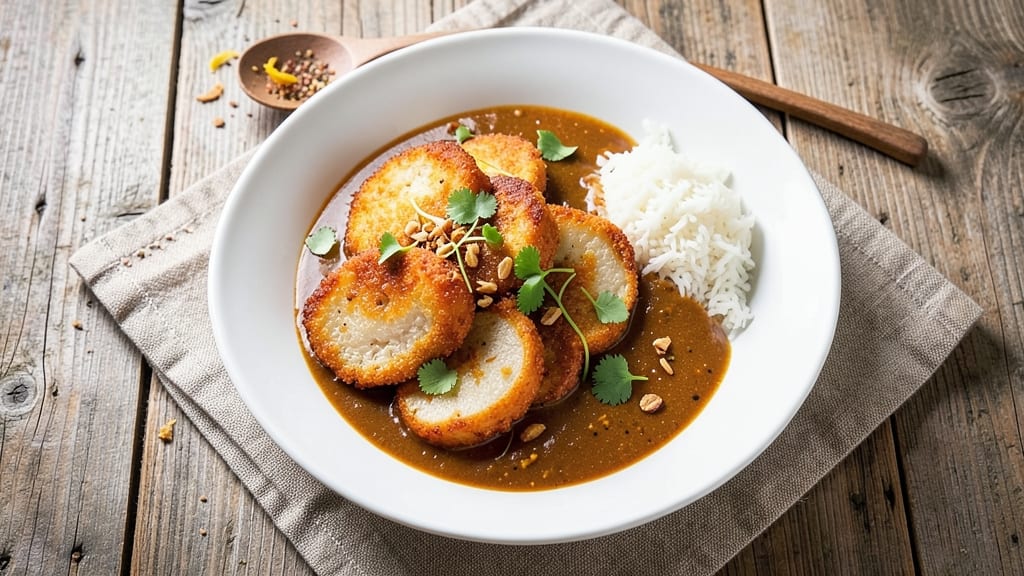
This sweet potato katsu curry recipe delivers the perfect balance of crispy, golden cutlets smothered in velvety coconut curry sauce.
The secret lies in a light, airy panko breading that stays crisp even after simmering in rich gravy, while the sweet potatoes add natural sweetness that pairs beautifully with the tangy-spiced sauce.
I developed this after years of perfecting Japanese curry techniques at home, and it’s now my go-to weeknight dinner—comforting yet impressive enough for guests.
The process starts with thinly sliced sweet potatoes, breaded in a mix of panko, flour, and seasonings, then pan-fried to a golden, shatteringly crisp finish.
Meanwhile, the curry sauce builds in layers: a deep, nutty roux forms the base, infused with aromatic spices before coconut milk and vegetables create a thick, aromatic gravy. The key is patience—letting the sauce simmer low and slow to develop depth while keeping the cutlets warm.
What you’ll end up with is a dish that’s restaurant-quality at home: tender, caramelized sweet potatoes encased in crispy breading, swimming in a sauce that’s rich yet balanced—sweet from the potatoes, tangy from the coconut, and spiced just enough to linger.
Serve it over steamed rice, and you’ve got a complete, satisfying meal that’s hearty enough for a family dinner but simple enough for a solo night in.
This recipe works equally well with chicken or beef cutlets if you prefer, but the sweet potatoes bring a unique sweetness that makes the curry sauce sing.
The best part? Leftovers reheat beautifully, so you can make extra for lunches or share with neighbors. Let’s get cooking—your taste buds will thank you.
Ingredients for sweet potato katsu curry
Sweet potatoes, crispy breading, and rich coconut gravy—here’s what brings this katsu curry to life.
| Ingredient | Amount | Notes |
|---|---|---|
| Sweet Potatoes 🍠 | 2 large | Peeled, sliced 1/4-inch thick |
| All-Purpose Flour 🌾 | ½ cup | For dredging cutlets |
| Japanese Panko Breadcrumbs 🍞 | 1 ½ cups | Light and crispy preferred |
| Large Eggs 🥚 | 2 whole | Beaten for egg wash |
| Unsalted Butter 🧈 | ½ cup | For frying cutlets |
| Vegetable Oil 🫒 | ¼ cup | For frying cutlets |
| Coconut Milk 🥥 | 1 can (13.5 oz) | Full-fat for creaminess |
| Japanese Curry Roux 🧂 | 2 tbsp | Store-bought or homemade |
| Dried Curry Powder 🌶️ | 1 tbsp | Mild or medium heat |
| Garlic Cloves 🧄 | 4 cloves | Minced for roux |
| White Onion 🧅 | 1 medium | Diced for sauce base |
| Carrots 🥕 | 2 medium | Diced for sauce |
| Chicken Broth 💧 | 1 cup | Low-sodium preferred |
| Soy Sauce 🍶 | 1 tbsp | For umami depth |
| Honey 🍯 | 1 tsp | Balances flavors |
| Salt 🧂 | 1 tsp | Adjust to taste |
| Black Pepper 🌶️ | ½ tsp | Freshly ground |
The sweet potatoes are the star, so pick firm, vibrant ones—no soft spots. I grab mine from Trader Joe’s when they’re on sale, but any grocery store’s produce section works. Slice them 1/4-inch thick for even cooking, and pat them dry with a paper towel to help the breading stick. For the panko, Japanese brands like Nissin are worth the splurge—they’re lighter and crispier than regular breadcrumbs. If you can’t find it, regular panko or even crushed cornflakes work in a pinch, but trust me on the full-fat version for that perfect crunch.
No Japanese curry roux? Mix 1 tbsp curry powder with 1 tbsp flour for a quick substitute. The carrots and onion can be swapped for whatever veggies you’ve got—bell peppers or celery work great. Short on coconut milk? Heavy cream plus a splash of water mimics the richness, though it won’t be quite as tangy. The honey might seem odd, but it’s key for balancing the curry’s heat and the sweetness of the potatoes. If you’re avoiding sugar, maple syrup works too. And if your panko gets soggy during frying, double-dredge the cutlets—flour, egg, panko, flour, egg, panko—for extra protection.
These cutlets reheat beautifully—just pop them in a 350°F oven for 10 minutes to revive the crisp. The sauce thickens as it cools, so if it’s too thin after simmering, mash a few potatoes into it for instant thickening. Store leftovers in the fridge for 4-5 days, or freeze the sauce and cutlets separately for up to 3 months. I always make extra sauce—it’s perfect for rice bowls or even a quick curry fried rice the next day.
Why You'll Love This Recipe
- No-Fuss Crispy Magic: I swear by the panko crust here—it’s that satisfying crunch you get from a proper katsu, but with sweet potatoes holding it all together. No fancy techniques, just slice, coat, and fry until golden. My kids think I’m a genius, but honestly, it’s just flour, egg, and panko doing the heavy lifting.
- Sweet & Savory Balance: The curry sauce turns these crispy katsu into something special—rich, slightly sweet, and packed with umami from that butter. That first bite? Crunchy outside, tender inside, swimming in a velvety sauce that makes everything better. It’s the kind of dish that disappears fast.
- Lunchbox Hero: Between us, this is my go-to for meal prep. The katsu stay crispy for days if you reheat them right, and the curry reheats like a dream. Pack a few pieces in a container, pour some sauce over rice, and you’ve got a lunch that feels fancy but costs next to nothing.
- Budget-Friendly Feast: Sweet potatoes and eggs are cheap, and panko stretches further than you’d think. I can feed four people for under $10, and there’s always leftovers for another night. Plus, the curry sauce freezes well—double the batch and thank me later.
Step-by-step instructions for sweet potato katsu curry
Here's how to create golden, crispy sweet potato cutlets paired with a velvety coconut curry sauce.
Prepare the Sweet Potato Cutlets
Pat the peeled sweet potatoes completely dry with paper towels. Using a sharp mandoline or knife, slice them into ¼-inch thick rounds. Arrange the slices on a baking sheet lined with paper towels and let them sit for 10 minutes to draw out excess moisture - this is crucial for that perfect crispy crust.
Set up three shallow bowls. In the first, place the ½ cup all-purpose flour and season lightly with ½ teaspoon salt. In the second bowl, beat the 2 whole large eggs until just combined. In the third bowl, place the 1½ cups Japanese panko breadcrumbs. The panko should be light and airy - press it gently to break up any clumps before using.
Create the Perfect Crispy Coating
Working with one slice at a time, dip each sweet potato round into the flour mixture, shaking off any excess. Then dip into the beaten egg, allowing any excess to drip off. Finally, press the slice into the panko breadcrumbs, coating all sides completely. Place the coated cutlet on a wire rack set over a baking sheet to allow air circulation - this prevents soggy breading.
Let the breaded cutlets rest for 5 minutes while you prepare the frying station. This resting time helps the coating adhere better. I like to use a mix of ½ cup unsalted butter and ¼ cup vegetable oil in a large skillet - the butter adds flavor while the oil helps achieve a higher frying temperature.
Fry to Golden Perfection
Heat the butter and oil mixture in a large skillet over medium-high heat until it reaches 350°F - you'll see small bubbles forming around the edges. Working in batches to avoid overcrowding, carefully slide the breaded sweet potato cutlets into the hot oil. Fry for 2-3 minutes per side until they're a deep golden brown with crispy edges that release easily from the pan.
Transfer the fried cutlets to a paper towel-lined plate to drain excess oil. Keep them warm in a 200°F oven while you prepare the curry sauce. The cutlets will stay crispy if you work quickly - don't leave them sitting too long before serving. If they lose crispness, you can quickly reheat them in the oven for 1-2 minutes.
Build the Rich Coconut Curry Sauce
In the same skillet (no need to clean it - those browned bits add flavor), melt 1 tablespoon butter over medium heat. Add the 4 minced garlic cloves and sauté for 30 seconds until fragrant - don't let them brown or they'll become bitter. Add the 1 medium diced white onion and cook for 5 minutes until softened.
Stir in the 2 tablespoons Japanese curry roux and 1 tablespoon dried curry powder, cooking for 1 minute to toast the spices and deepen their flavor. Pour in the 1 can (13.5 oz) coconut milk, scraping up any browned bits from the bottom of the pan. Add the 1 cup chicken broth, 1 tablespoon soy sauce, 1 teaspoon honey, 1 teaspoon salt, and ½ teaspoon black pepper.
Simmer and Finish the Curry
Bring the sauce to a gentle simmer and add the 2 medium diced carrots. Let it cook uncovered for 10-12 minutes until the sauce thickens slightly and the carrots are tender but still hold their shape. The sauce should coat the back of a spoon but still be pourable - if it's too thick, add 1-2 tablespoons water to reach your desired consistency.
Taste and adjust the seasoning - you might need a bit more salt or honey to balance the flavors. The curry should be rich, slightly sweet, and have a gentle curry warmth. Serve the sweet potato cutlets immediately over the curry sauce, garnished with extra panko crumbs if desired. Each bite should deliver that perfect contrast of crispy, golden cutlet with creamy, aromatic curry sauce.
Pro Tips For Making Sweet Potato Katsu Curry
- Boil Until Fork-Tender: Sweet potatoes should give just slightly when pierced with a fork—no mushy centers, no rock-hard cores. I used to overcook them, turning them into glue, but 15-18 minutes in boiling water (skin-on) does the trick. Test one early, or you’ll end up with sad, waterlogged katsu.
- Chill the Batter: Cold batter sticks better to panko and eggs, so refrigerate your flour-egg mix for 10 minutes before dredging. I was skeptical—who wants to wait?—but now my katsu crusts stay intact instead of sliding off in greasy clumps.
- Double-Fry for Crunch: First fry at 325°F (160°C) for 3-4 minutes to cook through, then crank to 375°F (190°C) for the final 2 minutes to brown. Skipping the second fry leaves you with pale, soggy katsu—trust me, the extra 30 seconds makes all the difference.
- Use Cold Butter: Chill your unsalted butter before slicing—it spreads less and crisps faster when frying. I learned this after a batch of katsu turned into a greasy mess from melted butter pooling at the bottom. A quick 10-minute rest in the fridge fixes it.
Dietary considerations for these flavors
Gluten-Free Adaptation
For a gluten-free version, replace the all-purpose flour and panko breadcrumbs with gluten-free flour blend (like Bob's Red Mill 1:1) and gluten-free panko (such as Schär or King Arthur).
Use the same dredging process—flour, egg, panko—but ensure your flour blend is well-seasoned since gluten-free flours lack natural binding properties. 🥔
Dairy-Free Options
Skip the butter in the frying step and use 100% vegetable oil instead—no flavor compromise! For the curry sauce, substitute coconut oil for butter when sautéing garlic and onions.
The coconut milk already adds richness, so the dish stays creamy without dairy. I’ve tested this version and it’s just as delicious.
Lower-Carb Version
Replace the sweet potatoes with cauliflower slices (cut into ¼-inch rounds) for a lower-carb option. Follow the same breading process, but reduce frying time to 1-2 minutes per side—cauliflower cooks faster.
The curry sauce stays the same, but the dish becomes a lighter, keto-friendly alternative. Garnish with extra panko for crunch.
Vegetarian-Friendly
This recipe is already vegetarian, but you can boost protein by adding tofu or chickpeas to the curry sauce. Press and cube 1 block firm tofu, pan-fry until golden, then simmer in the sauce for 5-7 minutes.
For chickpeas, drain and rinse a 15-oz can, then add them to the sauce during the final 5 minutes of simmering. Both options hold up well in the rich gravy.
Spice Adjustments
For a milder curry, reduce the dried curry powder to ½ tablespoon and add ½ teaspoon ground ginger for warmth without heat. For extra spice, increase curry powder to 1½ tablespoons and add ½ teaspoon cayenne pepper.
Taste as you go—the sauce can always be adjusted, but the cutlets stay neutral, letting the flavors shine. 🌶️
Allergen-Free Tips
Check your Japanese curry roux for soy or wheat allergens—some brands contain hidden fillers. For egg-free breading, use aquafaba (chickpea brine) whipped with ½ teaspoon xanthan gum as an egg wash substitute.
Always verify labels, and when in doubt, opt for homemade curry roux (mix 1 tbsp curry powder + 1 tbsp cornstarch) to control ingredients completely.
Nutrition facts
Frequently asked questions
Can I use regular breadcrumbs instead of Japanese panko?
You can try, but regular breadcrumbs won't give you that signature crispy texture. For best results, use light Japanese panko—it's lighter and stays crisp even after simmering in the curry sauce. If you're in a pinch, crushed cornflakes or gluten-free panko (for dietary needs) work as alternatives, though the texture will be slightly different.
How do I keep the sweet potato cutlets crispy?
Double-dredge them—flour, egg, panko, then flour, egg, panko again! Fry in small batches over medium-high heat until golden brown, and keep them warm in a 200°F oven while making the sauce. If they lose crispness, reheat in the oven for 1-2 minutes before serving.
Can I make this curry sauce ahead of time?
The sauce actually tastes better the next day as flavors meld. Store it in an airtight container in the fridge for 4-5 days or freeze for up to 3 months. Just reheat gently on the stove, stirring occasionally. The cutlets are best fresh, but you can reheat them in the oven for 5-7 minutes at 350°F.
What if my curry sauce is too thin?
No problem! Mash a few cooked sweet potato slices into the sauce to thicken it naturally. If you need a quicker fix, mix 1 tablespoon cornstarch with 2 tablespoons water, stir it in, and simmer for 2 minutes until it reaches your desired consistency.
Can I use other vegetables in this curry?
Yes! Swap in potatoes, zucchini, or even mushrooms for the carrots. Just adjust cooking time—soft vegetables like zucchini only need 5 minutes in the sauce, while denser veggies (like potatoes) may need 10-15 minutes. Keep the total simmer time around 10-12 minutes for balanced flavors.