
Side Dishes
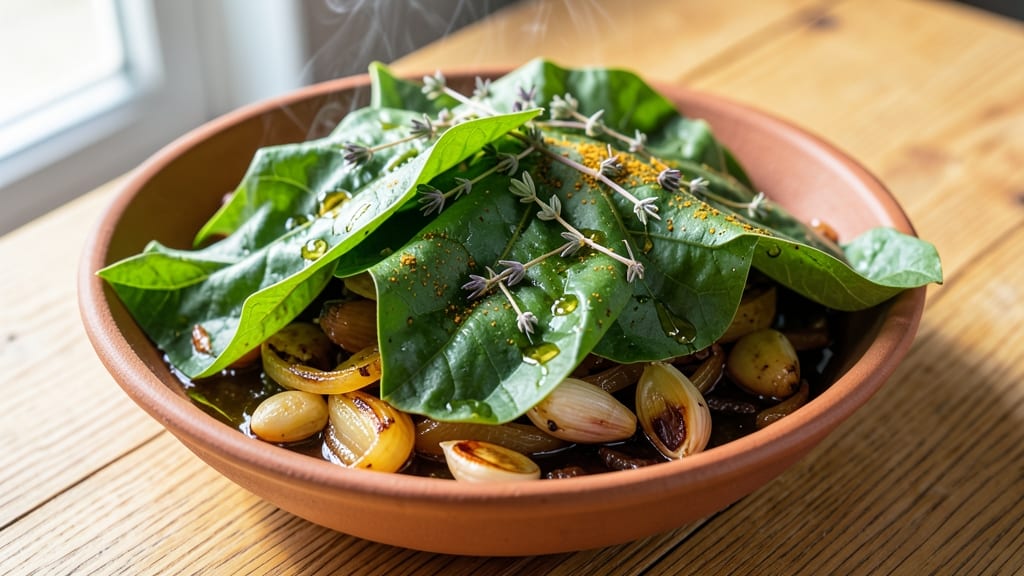
Sweet potato leaves bring the vibrant flavors of West African cuisine to your table with their bold, earthy taste and rich nutritional profile. This traditional dish transforms humble greens into a hearty, spice-infused side that pairs perfectly with rice, beans, or grilled meats.
The key lies in proper preparation—boiling the leaves until tender yet still vibrant, then sautéing them with onions, garlic, and a blend of spices like thyme, curry, and black pepper.
What sets this recipe apart is its versatility—it works as a standalone vegetarian dish or as a flavorful accompaniment to meat-based meals. The leaves absorb the aromatic spices beautifully, creating a dish that’s both simple and deeply satisfying.
Unlike many greens, sweet potato leaves hold their texture well, making them ideal for batch cooking and meal prep.
By the time you’re done, you’ll have a pot of fragrant, nutrient-rich greens that taste like a taste of home. The dish is packed with vitamins A and C, fiber, and protein, making it a staple in many African households.
Whether you’re serving it at a family gathering or simply looking to add more vegetables to your diet, this recipe delivers bold flavor without compromise.
The best part? This dish adapts easily to your preferences—add smoked fish or chicken for extra protein, or keep it vegetarian for a lighter option. The method is straightforward but essential for achieving that authentic, restaurant-quality taste. Let’s get started on creating this flavorful African classic.
Ingredients for sweet potato leaves african
Fresh greens, aromatic spices, and bold flavors—this recipe brings West African comfort to your kitchen.
| Ingredient | Amount | Notes |
|---|---|---|
| Sweet Potato Leaves 🌿 | 12 oz | Fresh, stems removed |
| Yellow Onion 🧅 | 1 whole | Medium size, diced |
| Garlic Cloves 🧄 | 4 cloves | Fresh, minced |
| Vegetable Oil 🫒 | ¼ cup | For sautéing |
| Dried Thyme 🌿 | 1 tsp | Or 1 tbsp fresh |
| Ground Curry Powder 🌶️ | 1 ½ tsp | Mild or medium heat |
| Ground Black Pepper 🌶️ | ½ tsp | Freshly ground |
| Salt 🧂 | 1 tsp | Kosher or sea salt |
| Tomato Paste 🍅 | 1 tbsp | Smooth, not chunky |
| Water 💧 | 2 cups | For boiling leaves |
| Scotch Bonnet Pepper 🌶️ | ¼ whole | Seeds removed, optional |
| Lemon Juice 🍋 | 1 tbsp | Freshly squeezed |
| Vegetable Broth 💧 | ½ cup | Low-sodium preferred |
Sweet potato leaves are the star here, and they’re worth seeking out. African markets or specialty grocers often carry them, but if you can't find them, substitute collard greens or mustard greens—they’ll work in a pinch. Look for leaves that are bright green and crisp, not wilted. The onions and garlic are your flavor base, so don’t skip the fresh minced garlic—it makes all the difference. For curry powder, Madras or berbere blends add extra depth, but any ground curry will do. The scotch bonnet is optional but brings that signature African heat—adjust based on your spice tolerance.
No sweet potato leaves? Collards or kale are your best bet, but you’ll need about twice the amount since they’re less tender. Running low on thyme? Dried oregano at half the amount works, but fresh thyme gives that authentic aroma. The tomato paste can be swapped for 1/4 cup diced tomatoes if you prefer, though paste gives a richer base. For extra richness, stir in 1 tbsp peanut butter at the end—it’s a classic West African touch. And if you’re feeling adventurous, smoked paprika adds a smoky depth that pairs perfectly with the greens.
These greens hold up beautifully for meal prep. Store them in an airtight container in the fridge for up to 3 days, but they’re even better reheated the next day—the flavors meld and deepen. For batch cooking, double the recipe and freeze half in portions. Reheat gently with a splash of water to keep them tender. The dish reheats well, so plan ahead—it’s perfect for family gatherings or busy weeknights when you want something hearty and flavorful.
Why You'll Love This Recipe
- No Chopping Nightmare: I swear by this recipe because the leaves barely need prep—just rinse, tear, and toss. That’s it. No tedious chopping, no wilting greens waiting for you. Between us, I’ve burned dinner trying to prep spinach properly, but these leaves? They’re forgiving.
- Umami Bomb: The garlic and thyme hit different—like a warm hug for your taste buds. Honestly, the first time I made it, I added extra garlic just to see, and now I can’t stop. That crispy onion at the bottom? Pure flavor gold.
- Leftovers That Shine: This dish actually improves the next day. I’ll be real: most greens wilt into sadness in the fridge, but these? They stay tender, soak up flavors, and reheat like a dream. Perfect for lunchboxes or lazy mornings.
- Pocketbook Hero: Sweet potato leaves are cheaper than most greens, and they stretch like crazy. I feed my family four servings with just a handful of onions and garlic—no fancy ingredients, just solid, satisfying food. My wallet thanks me every time.
Step-by-step instructions for sweet potato leaves African recipe
This vibrant West African dish brings bold flavors to life with tender greens and aromatic spices.
Prepare the Sweet Potato Leaves
Begin by thoroughly washing the 12 oz sweet potato leaves under cold running water to remove any dirt or sand. This is important—African greens often grow close to the ground, so cleanliness matters. Once clean, separate the leaves from their stems and discard the stems. You'll have a pile of bright green leaves ready for cooking.
Fill a large pot with the 2 cups water and bring to a rolling boil over medium-high heat. Add the leaves in batches to avoid overcrowding, and cook for 3-4 minutes until they begin to wilt and soften slightly. They don't need to be fully cooked yet—just tender enough to handle. Drain and set aside in a colander. This quick blanching preserves their vibrant color and prevents them from turning mushy during the main cooking process.
Build the Flavor Base
Heat the 0.25 cup vegetable oil in a large skillet over medium heat. Add the 1 whole yellow onion, sliced into small pieces, and cook for 5 minutes until soft and translucent. You'll smell the onions caramelizing—that sweet aroma is the foundation of the dish. Stir occasionally to prevent burning.
Next, add the 4 cloves garlic cloves, minced, and the 0.25 whole Scotch bonnet pepper (seeds removed if you prefer less heat). Cook for 1-2 minutes until the garlic becomes fragrant and the Scotch bonnet releases its signature warmth. Be careful not to let the garlic burn—it can turn bitter quickly. At this point, you'll notice the kitchen filling with the rich, spicy scent of the Scotch bonnet and garlic mingling with the onions.
Add Spices and Tomato Paste
Lower the heat to medium-low and sprinkle in the 1.5 tsp ground curry powder, 1 tsp dried thyme, 0.5 tsp ground black pepper, and 1 tsp salt. Stir the spices into the onions and garlic, letting them toast for 30 seconds until fragrant. This step is crucial—it develops the deep, complex flavors that define African cuisine. You'll see the spices darken slightly as they release their oils.
Stir in the 1 tbsp tomato paste and cook for another 2 minutes, stirring constantly. The tomato paste will deepen the color of the mixture and add a rich, umami base. This is the moment where all the flavors come together—the spices, the garlic, the Scotch bonnet, and the tomato. If the mixture starts to stick, add a splash of the 0.5 cup vegetable broth to loosen it.
Combine and Simmer
Add the blanched sweet potato leaves to the skillet and toss gently to coat them evenly in the spiced oil mixture. Pour in the remaining 0.5 cup vegetable broth and stir once more. The leaves should be well-coated but not overcrowded—this ensures they absorb the flavors rather than steaming.
Cover the skillet and let the leaves simmer over low heat for 10-12 minutes. You'll see the leaves soften and wilt further as they absorb the aromatic spices. Stir occasionally to prevent sticking, and if the mixture looks too dry, add a little more water—just enough to keep the leaves moist. The dish should have a rich, spicy aroma with hints of thyme and curry wafting through the kitchen.
Finish and Serve
Once the leaves are tender and the liquid has mostly evaporated, remove the skillet from heat. Stir in the 1 tbsp lemon juice and toss to coat the leaves. The lemon juice brightens the dish, cutting through the richness of the spices and adding a refreshing finish. Taste and adjust the seasoning if needed—you might want to add a pinch more salt or a dash of curry powder to suit your preference.
Serve the sweet potato leaves immediately while still warm. This dish pairs beautifully with jollof rice, fried plantains, or even a crusty bread to soak up the flavorful sauce. The leaves should be tender but still hold their shape, with a vibrant green color and a burst of spicy, herby flavor in every bite. Enjoy the rich, aromatic experience that captures the heart of West African cooking!
Pro Tips For Making Sweet Potato Leaves African
- Wilt Leaves Low and Slow: Don’t blast those greens on high heat—sweet potato leaves turn bitter fast. Start with medium-low, then cover the pot and let them collapse in 5-7 minutes. I learned this the hard way after serving a batch that tasted like overcooked spinach.
- Crush Garlic Like a Pro: Minced garlic burns before the leaves are tender. Instead, peel and smash the cloves flat with the side of your knife—no need for a press. The flavor releases slower, and you won’t end up with a charred mess.
- Salt the Onions Early: Toss sliced onions in a pinch of salt and let them sit for 10 minutes before cooking. This draws out moisture, so they caramelize instead of steaming. My grandmother swore by this, and the difference in depth of flavor is real.
- Save Time with Prepped Leaves: Rinse and chop the stems first—discard the tough ends, then stack leaves and roll tightly. Slice through the bundle for uniform strips. Takes 3 minutes but cuts chopping time in half. (Yes, even if you’re impatient like me.)
Troubleshooting your sweet potato leaves african
Leaves Still Too Crunchy
If your sweet potato leaves feel tough or undercooked after simmering, they likely need more time or a gentler touch. The key is low and slow—cover the skillet and cook for an extra 5 minutes, stirring occasionally.
Add 2-3 tablespoons of water if the pan looks dry, as moisture helps tenderize the leaves. Avoid high heat, which can turn them mushy instead of tender. For extra assurance, blanch them for 1-2 minutes longer before sautéing. 💫
Spices Overpowering Flavor
Too much spice can make the dish bitter rather than balanced. Start by reducing the curry powder to 1 tsp and the Scotch bonnet to ¼ pepper (or omit entirely). Let the spices toast for just 20 seconds instead of 30 to preserve their freshness.
A splash of 1 tbsp water or broth at the end dilutes the intensity while keeping the leaves moist. Taste as you go—adjust with lemon juice to brighten and balance the heat. 🌶️
Leaves Turning Mushy
Overcrowding or excessive liquid causes greens to lose texture. Cook leaves in small batches if needed, and reduce broth to ¼ cup total. After blanching, pat them dry with a clean towel to remove excess moisture before sautéing.
Simmer uncovered for the last 3-4 minutes to evaporate any remaining liquid. If they still seem soft, stir in 1 tbsp peanut butter at the end—it adds richness and helps bind the leaves. ✨
Dull or Bland Taste
Flat flavors usually mean the spices weren’t toasted enough or the garlic burned. Next time, sauté onions until deeply golden (about 7-8 minutes) to develop sweetness. Toast spices for 45 seconds until fragrant, not just 30.
Add 1 tbsp tomato paste at the end for umami depth, or finish with 1 tsp fish sauce (if using meat) for complexity. Fresh herbs like cilantro or parsley garnished on top add brightness. 💡
Sticking to the Pan
Sweet potato leaves stick when there’s not enough fat or the heat is too high. Always use ¼ cup oil (or butter) and keep heat at medium-low after adding leaves. Deglaze the pan with 2 tbsp broth if needed, scraping up browned bits for extra flavor.
A nonstick skillet helps, but a well-seasoned cast iron works too—just avoid overcrowding. Toss leaves with 1 tsp oil before adding them to the pan for extra protection. 🔥
Uneven Cooking
Large leaves or thick stems take longer to cook. Chop leaves into 2-inch pieces before blanching for even cooking. Stir frequently during simmering to distribute heat. If some leaves are still crispy, remove them early and return them at the end to warm through.
For stubborn stems, simmer them separately for 2-3 extra minutes before combining. 🌿
Nutrition facts
Frequently asked questions
Where can I find sweet potato leaves for this recipe?
Look for sweet potato leaves at African markets, Caribbean grocery stores, or specialty ethnic sections in larger supermarkets. If unavailable, collard greens or mustard greens work as substitutes—just double the amount since they're less tender. Choose bright green, crisp leaves and avoid any that look wilted or discolored.
Can I make this recipe without Scotch bonnet pepper?
For milder heat, substitute with ½ tsp cayenne pepper or 1 tsp smoked paprika. If you prefer no spice at all, simply omit it—the dish will still be flavorful with the curry, thyme, and garlic. The Scotch bonnet adds depth, but the recipe remains delicious without it.
How do I store and reheat leftovers?
Store cooked leaves in an airtight container in the fridge for up to 3 days. Reheat gently in a skillet with 1 tablespoon oil over low heat for 3-4 minutes, adding a splash of water or broth to prevent drying. They reheat beautifully and taste even better the next day as flavors meld!
Is this recipe vegetarian-friendly?
Yes! The base recipe is completely vegetarian, but many African versions include smoked fish, chicken, or shrimp for extra protein. For a meat-free version, serve with black-eyed peas, rice, or plantains. The leaves absorb flavors perfectly either way—just adjust seasoning to taste.
What's the secret to getting that authentic African flavor?
The key lies in toasting the spices for 30-45 seconds until fragrant, and using fresh garlic and onions that caramelize deeply. Don't skip the tomato paste—it adds richness, and a splash of lemon juice at the end brightens all the flavors. For extra depth, finish with 1 teaspoon fish sauce (if using meat) or peanut butter for a classic West African touch.