
Side Dishes
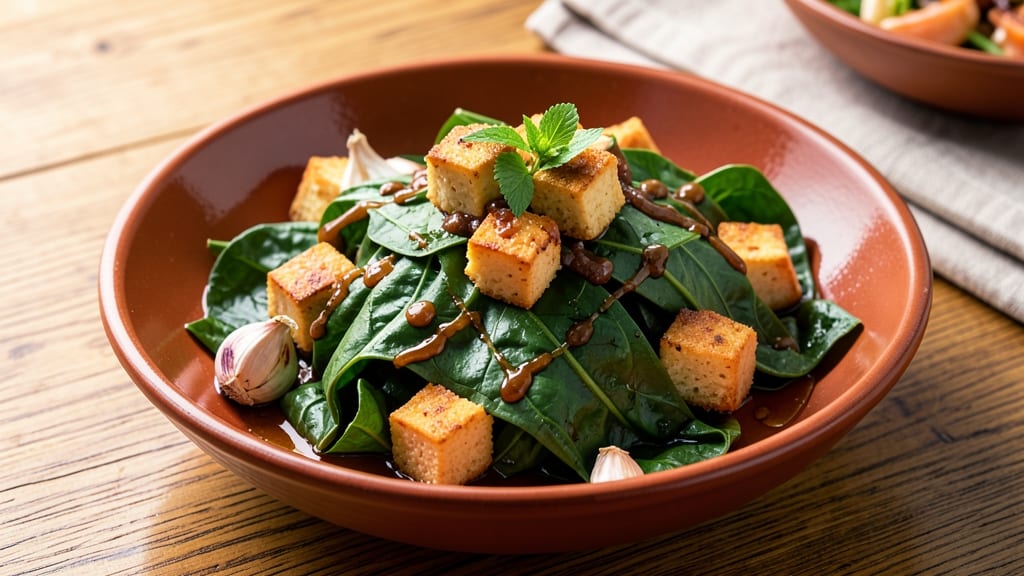
This Filipino sweet potato leaves recipe transforms humble leaves into a garlicky, savory stir-fry with deep umami richness. The key lies in proper preparation—cleaning, blanching, and stir-frying with garlic, shrimp paste (bagoong), and fish sauce to unlock their natural sweetness while maintaining tender-crisp texture.
What makes this dish special is its balance of earthy greens and bold flavors, a staple side in Filipino kainan (family meals) that pairs perfectly with rice and grilled meats.
The process begins with thorough cleaning to remove dirt, followed by a quick blanch to soften the leaves without losing their vibrant color. Sautéing with garlic, shrimp paste, and fish sauce creates that signature Filipino umami punch, while optional proteins like shrimp or tofu add heartiness.
The recipe stays true to tradition while offering flexibility—vegetarian or meaty, it adapts effortlessly to any meal.
What you’ll achieve is a dish that’s both comforting and vibrant—bright green leaves with wilted edges, infused with garlic’s aroma and the briny depth of shrimp paste. The texture remains satisfyingly tender-crisp, and the flavors develop as they sit, making it a perfect side for festive gatherings or everyday meals.
This is Filipino home cooking at its most authentic and approachable.
Serve alongside steamed rice, grilled chicken, or fried fish for a complete meal. The recipe’s simplicity belies its depth—just a few key ingredients and techniques deliver restaurant-quality results at home. Let’s get started on this flavorful staple.
Ingredients for sweet potato leaves recipe filipino
Transform humble sweet potato leaves into a vibrant Filipino stir-fry with these essential ingredients.
| Ingredient | Amount | Notes |
|---|---|---|
| Sweet Potato Leaves 🌿 | 12 oz | Fresh, washed thoroughly |
| Garlic Cloves 🧄 | 6 cloves | Minced finely for aroma |
| Shrimp Paste (Bagoong) 🦐 | 2 tbsp | Filipino shrimp paste preferred |
| Fish Sauce 🍶 | 2 tbsp | Reduced-sodium preferred |
| Vegetable Oil 🫒 | 2 tbsp | High smoke point preferred |
| Tofu 🧀 | 8 oz | Firm, cubed for protein |
| Green Onions 🧅 | 3 whole | Sliced thin for garnish |
| Salt 🧂 | 1 tsp | Kosher or sea salt |
| Black Pepper 🌶️ | ½ tsp | Freshly ground preferred |
| Lime Juice 🍋 | 1 tbsp | Freshly squeezed |
| Soy Sauce 🍶 | 1 tbsp | For umami depth |
| Sugar 🍬 | ½ tsp | Balances flavors |
| Water 💧 | 2 cups | For blanching leaves |
The sweet potato leaves are the star—look for fresh, bright green bunches at Asian markets or well-stocked grocery stores. Filipino grocery stores often carry them pre-washed, but if not, give them a thorough rinse in cold water to remove any dirt. The shrimp paste (bagoong) is non-negotiable for that signature Filipino umami—Red Boat or Royal brands are widely available in Asian sections. For the fish sauce, Red Boat or Tiparos are excellent choices, offering a clean, balanced flavor without overpowering the dish. If you can't find sweet potato leaves, amaranth leaves or spinach work in a pinch, though the texture will differ slightly.
No shrimp paste? Anchovy paste diluted with a splash of water mimics the briny depth, though it won’t be identical. The tofu adds protein—extra-firm tofu holds up best when stir-fried, but any firm variety works. Swap the lime juice for lemon juice if needed, though lime’s brightness complements the dish better. The sugar balances the flavors, so don’t skip it—brown sugar works too if you prefer a caramel note. For extra richness, a splash of coconut milk at the end adds a luxurious touch, though it’s optional. The garlic should be minced finely—a food processor makes quick work of this step if you’re short on time.
Sweet potato leaves wilt quickly after washing, so store them in a damp paper towel-lined bag in the fridge for up to 3 days. The shrimp paste and fish sauce keep for months in a cool, dark pantry, while the tofu can be prepped ahead and refrigerated for 4-5 days. This dish tastes even better the next day as the flavors meld—portion into containers for easy reheating. Leftovers keep for 3-4 days in the fridge, though the texture may soften slightly. For a restaurant-quality touch, serve with a sprinkle of crushed roasted peanuts on top.
Why You'll Love This Recipe
- Pantry Powerhouse: I swear by this one when I forget to grocery shop—sweet potato leaves grow wild in some areas, and if not, frozen packs work just fine. That shrimp paste and fish sauce combo? Pure umami magic with ingredients you likely already have.
- One-Pot Magic: Honestly, this is my "I don’t wanna wash dishes" dish. Sauté the garlic in oil, toss in the shrimp paste, add leaves, and let the fish sauce work its flavor—no chopping, no straining, no stress. Just stir, taste, adjust, done.
- Leftovers That Shine: Between us, this dish improves the next day. The leaves soften just enough to soak up extra fish sauce, and the garlic flavor deepens. I make double batches on Sundays because reheating it with a fried egg turns it into a full meal—zero extra effort.
- Budget-Busting Comfort: Sweet potato leaves are cheap, and shrimp paste stretches so far. A single pack feeds four, and the fish sauce adds depth without costing a fortune. It’s the kind of dish that makes me feel like I’m eating fancy when I’m really just being smart.
Step-by-step instructions for garlicky sweet potato leaves stir-fry
Transform these vibrant leaves into a savory, umami-rich dish with bold flavors and satisfying texture.
Blanch and Prepare the Sweet Potato Leaves
Fill a large pot with the 2 cups water and bring to a rolling boil over high heat. While waiting, separate the sweet potato leaves into individual leaves, removing any thick stems. Once the water boils, add the 12 oz sweet potato leaves and cook for 30 seconds—just enough time to soften them slightly without wilting completely. Immediately drain and rinse under cold water to stop the cooking process and preserve their vibrant green color.
This quick blanching step removes any bitterness and prepares the leaves for maximum flavor absorption. Work quickly to prevent overcooking, which can make them mushy. Spread the blanched leaves on a clean kitchen towel to dry them thoroughly before proceeding.
Sauté Garlic and Shrimp Paste for Aromatic Base
Heat the 2 tbsp vegetable oil in a large wok or skillet over medium heat. Add the 6 cloves minced garlic and sauté for 30 seconds until fragrant but not browned. Immediately reduce heat to low and add the 2 tbsp shrimp paste (bagoong), stirring constantly for 1 minute until the raw smell dissipates and the paste releases its rich, umami aroma.
This step creates the flavor foundation of your dish. The shrimp paste adds depth that pairs perfectly with the sweet potato leaves. If you notice the garlic starting to brown too quickly, remove the pan from heat momentarily—burnt garlic will overpower the dish.
Cook the Tofu Until Golden and Crispy
Increase heat to medium-high and add the 8 oz cubed tofu to the same wok. Cook for 5-6 minutes, stirring occasionally, until the tofu develops golden-brown spots. Season with 1 tsp salt, 0.5 tsp black pepper, and 1 tbsp soy sauce, tossing to coat evenly. Remove the tofu and set aside temporarily.
The tofu should be firm but slightly crispy around the edges—this texture contrast will elevate the dish. If your tofu releases a lot of water during cooking, drain it on paper towels for a minute before setting aside to remove excess moisture.
Combine All Ingredients for Perfect Balance
Return the wok to medium heat and add the blanched sweet potato leaves. Stir-fry for 2 minutes until they wilt slightly but remain vibrant. Pour in the 1 tbsp fish sauce, 1 tbsp lime juice, and 0.5 tsp sugar, stirring continuously for 1 minute until the leaves are evenly coated and the sauce reduces slightly.
Add the cooked tofu back into the wok and toss everything together for 1 minute to combine flavors. Taste and adjust seasoning if needed—you might want to add a splash more fish sauce for extra umami or a bit of lime juice for brightness. The dish should balance sweet, salty, and tangy flavors perfectly.
Garnish and Serve Immediately
Transfer the stir-fry to serving plates and garnish with 3 whole sliced green onions for freshness and visual appeal. Serve immediately while hot, as the flavors meld best when enjoyed fresh. This dish pairs beautifully with steamed rice to soak up the flavorful sauce.
The vibrant green leaves should contrast beautifully with the golden tofu, creating a visually stunning dish that's as impressive as it is delicious. Each bite should deliver a perfect balance of earthy sweet potato leaves, savory shrimp paste, and the umami depth from fish sauce.
Pro Tips For Making Sweet Potato Leaves Recipe Filipino
- Wilt Leaves Low and Slow: Sweet potato leaves need patience—don’t rush them. Start with medium-low heat and let them collapse gently over 5-7 minutes. I learned this the hard way: high heat makes them bitter and tough, and no one wants that chewy texture.
- Toast Shrimp Paste First: Bloom that bagoong in the oil for 30 seconds before adding garlic. The shrimp paste releases its deep umami flavor, and skipping this step leaves your dish tasting flat. (Yes, even if you’re impatient like me.)
- Rinse Leaves, Not Soak: Give the leaves a quick rinse under cold water to remove dirt, but don’t soak them—even for a minute. They’ll turn soggy and lose their vibrant green color, which means they won’t taste as fresh. Pat them very dry first.
- Balance Fish Sauce Carefully: Start with 1 teaspoon of fish sauce, taste, then add more in tiny increments. Too much overpowers the natural sweetness of the leaves, and you’ll regret it. (I’ve been there—salty regret is real.)
Dietary considerations for this dish
Vegetarian-Friendly Base
This recipe shines as a vegetarian powerhouse, relying on shrimp paste and fish sauce for umami depth without any meat. The tofu provides protein and texture, while the sweet potato leaves deliver earthy sweetness.
For extra protein, consider adding edamame or tempeh—both hold up well in stir-fries and complement the dish beautifully. 🌱
Gluten-Free Adaptation
The original recipe is naturally gluten-free, but always double-check your fish sauce and soy sauce labels—some brands contain hidden gluten. I recommend Red Boat fish sauce and gluten-free tamari for a safe swap.
The shrimp paste is typically gluten-free, but verify if you're highly sensitive. For extra flavor without gluten, a splash of coconut aminos works well as a substitute. ✨
Low-Sodium Options
To reduce sodium, use low-sodium fish sauce (like Tiparos) and gluten-free tamari instead of regular soy sauce. Cut the fish sauce to 1 tbsp and the soy sauce to ½ tbsp, then boost umami with ½ tsp MSG (optional) or an extra ½ tsp shrimp paste.
The dish will still pack flavor without the salt overload. 💡
Protein Additions
For a meat-inclusive version, swap the tofu for shrimp (sautéed with garlic and chili flakes) or chicken thighs (marinated in soy sauce and lime). If using shrimp, cook them separately first—they’ll only take 2-3 minutes to avoid overcooking.
For a seafood twist, add clams or mussels in the final minute of cooking. 🦐
Allergen Awareness
This dish contains fish (shrimp paste/fish sauce) and soy (soy sauce), so it’s not safe for those with shellfish or soy allergies.
For a fish-free version, replace the shrimp paste with anchovy paste (if anchovies are safe) or extra soy sauce + a pinch of sugar to mimic umami. Always check labels—Red Boat and Tiparos are reliable for allergen transparency. 🚨
Nutrition facts
Frequently asked questions
Can I use regular spinach instead of sweet potato leaves?
While spinach works in a pinch, it won't give you the same authentic texture or flavor. Sweet potato leaves have a slightly sweet, earthy taste that pairs perfectly with Filipino seasonings. If substituting, use amaranth leaves (also called "kalabasa leaves") for a closer match—they're commonly used in Filipino cooking and have a similar mild sweetness.
How do I know when the sweet potato leaves are properly blanched?
They should just begin to wilt slightly—about 30 seconds in boiling water is perfect. The leaves should look slightly softened but still bright green, not limp or mushy. Over-blanching removes their vibrant color and makes them too soft for stir-frying. Immediately rinse them in cold water to stop the cooking process.
What if I can't find shrimp paste (bagoong)?
No problem! Mix 1 tbsp anchovy paste with 1 tsp water as a substitute. For a vegetarian option, use ½ tsp soy sauce + ½ tsp sugar to mimic some of the umami, though the flavor will be subtly different. The key is balancing the salty-sweet profile that shrimp paste provides.
Can I make this dish ahead of time?
Yes, but with one important tip: cook the tofu and leaves separately, then combine and reheat. The leaves wilt quickly when reheated, so store them in the fridge for up to 2 days and stir-fry fresh when serving. For best flavor, enjoy it the same day—Filipino dishes often taste best when freshly made!
What's the secret to keeping the leaves vibrant green?
Three things: quick blanching, cold water rinse, and acid balance. The lime juice in the recipe helps preserve color by preventing oxidation. Also, avoid overcrowding the pan during stir-frying—this lets the leaves maintain their shape and brightness.