
Side Dishes
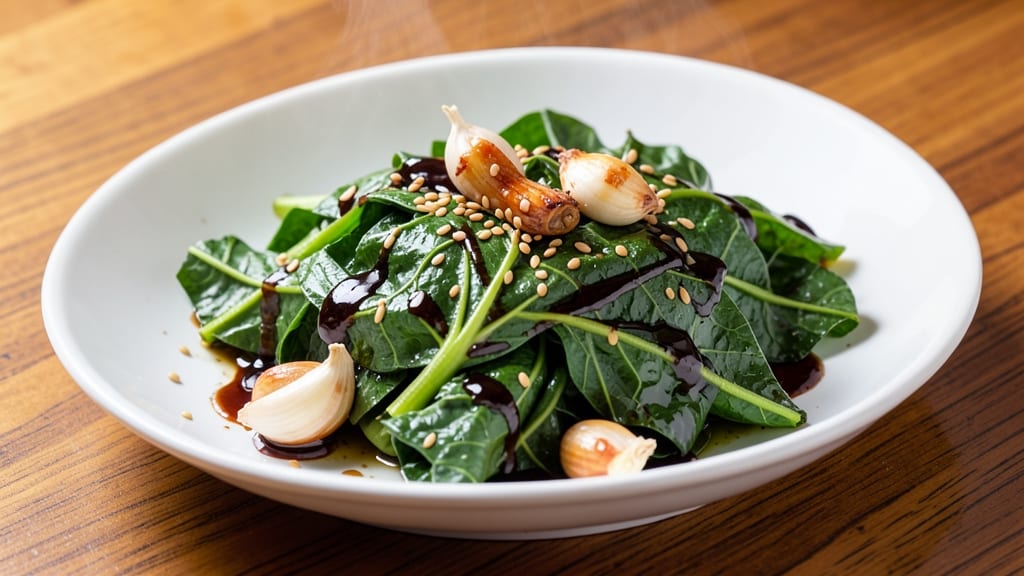
This Korean sweet potato leaves recipe transforms humble greens into a vibrant, umami-packed side dish that pairs perfectly with rice and grilled meats. The secret lies in the balance of garlic, soy, and sesame—simple yet deeply flavorful—while the leaves retain their natural tenderness through quick stir-frying.
I first discovered this dish at a local hanjeongsik restaurant, where it was served as a banchan, and it became an instant favorite for its ability to elevate any meal.
The process is straightforward: washed leaves are blanched briefly to soften, then tossed with garlic, soy sauce, and a touch of sesame oil for that signature Korean depth. No fancy equipment is needed—just a skillet and a few minutes of attention.
The result is a dish that's naturally vegetarian but hearty enough to stand alongside richer proteins, making it versatile for any table.
What makes this recipe special is its authentic yet adaptable nature. While traditional versions rely on fresh sweet potato leaves (available at Asian markets), you can substitute with spinach or collard greens in a pinch.
The stir-fry method ensures the leaves stay vibrant and slightly crisp, while the garlic-soy glaze adds a savory punch that lingers.
Serve this alongside rice, grilled fish, or even as a standalone side for sandwiches. The dish keeps well for up to 3 days in the fridge, making it perfect for meal prep. Let’s bring a taste of Korea to your kitchen—simple, satisfying, and full of flavor.
Ingredients for sweet potato leaves recipe korean
These fresh, vibrant ingredients bring Korean banchan to life with minimal effort.
| Ingredient | Amount | Notes |
|---|---|---|
| Sweet Potato Leaves 🥬 | 12 oz | Fresh, stems removed |
| Garlic Cloves 🧄 | 4 cloves | Minced, fresh preferred |
| Soy Sauce 🥢 | 2 tbsp | Light or dark variety |
| Sesame Oil 🫒 | 1 tbsp | Toasted for aroma |
| Sesame Seeds 🌰 | 1 tbsp | Toasted, for garnish |
| Vegetable Oil 🫒 | 2 tbsp | For high-heat cooking |
| Salt 🧂 | ½ tsp | Kosher or sea salt |
| Black Pepper 🌶️ | ¼ tsp | Freshly ground |
| Sugar 🍚 | ½ tsp | White or brown |
| Green Onion 🧅 | 2 whole | Sliced, for garnish |
| Rice Vinegar 🍶 | 1 tsp | Optional, for brightness |
| Toasted Sesame Oil 🫒 | ½ tbsp | For finishing |
Sweet potato leaves are the star—find them at Asian markets or specialty grocers, often sold in bunches. If unavailable, spinach or collard greens work in a pinch, though they’ll wilt faster. Look for leaves that are deep green and crisp, not yellowed or slimy. The garlic should be firm and clove-separated, while the sesame oil should smell nutty and toasted—no rancid odors. For sesame seeds, toast them in a dry pan until golden for extra flavor. If you can’t find fresh sweet potato leaves, substitute with mustard greens for a similar texture.
No sesame oil? Toasted peanut oil or neutral oil works, though the flavor won’t be identical. Fresh garlic is non-negotiable—jarred minced garlic lacks the punch. For extra depth, add a dash of gochugaru (Korean chili flakes) if you’ve got it. The rice vinegar is optional but brightens the dish—apple cider vinegar is a decent swap. If your soy sauce is salty, reduce it slightly and add a pinch more sugar to balance. For a quicker prep, pre-chop the garlic and green onions while waiting for the leaves to blanch.
Blanched leaves keep for 3 days in the fridge, stored in a sealed container with a paper towel to absorb moisture. For longer storage, freeze blanched leaves in a single layer on a tray before transferring to a bag—they’ll last up to 3 months. Reheat gently in a skillet with a splash of water or microwave until warmed through. This dish reheats beautifully, making it perfect for meal prep. Garnish with extra sesame seeds and green onions right before serving for maximum freshness.
Why You'll Love This Recipe
- Five-Ingredient Magic: I swear by this—just leaves, garlic, soy, sesame oil, and seeds. That’s it. No fancy prep, no hidden steps, and the flavor still hits like a well-aimed garlic bomb.
- Umami Crunch Combo: The soy sauce caramelizes into something deep and savory, while the toasted sesame seeds add a nutty crunch that makes every bite satisfying. Honestly, it’s the kind of dish where you’ll pause mid-chew just to appreciate the balance.
- Leftover Reinvention: Make a big batch—it reheats like a dream for lunch the next day or tucked into rice bowls. My kids even ask for it cold in salads (yes, really), so it’s basically the ultimate meal extender.
- Budget Green Power: Sweet potato leaves are cheap, nutrient-packed, and way more exciting than your average greens. I buy them in bulk, freeze extras, and still save money compared to spinach or kale—plus, they feel like a fancy restaurant dish.
Step-by-step instructions for sweet potato leaves stir-fry
Here's how to transform fresh sweet potato leaves into a fragrant, savory Korean-style stir-fry that's packed with umami and garlic flavor.
Blanch and Prepare the Sweet Potato Leaves
Fill a large pot with 4 quarts of water and bring to a rolling boil. Add the 12 oz sweet potato leaves and cook for 1 minute—just enough time to soften them slightly while preserving their vibrant green color. Watch closely so they don't overcook and turn mushy.
Drain immediately and plunge the leaves into an ice bath to stop the cooking process. This shock treatment also helps set their color and texture. Once cooled, drain again and gently squeeze out excess water with your hands. The leaves should be pliable but not waterlogged—this ensures they'll crisp beautifully when stir-fried.
Build the Garlic-Soy Sauce Base
Heat the 2 tbsp vegetable oil in a wok or large skillet over medium-high heat until shimmering. Add the 4 cloves minced garlic and stir constantly for 30 seconds—don't let it brown or it'll turn bitter. The garlic should smell intensely aromatic but remain pale gold.
Pour in the 2 tbsp soy sauce, 0.5 tsp salt, 0.5 tsp sugar, and 0.25 tsp black pepper. Stir for another 30 seconds—this creates a flavorful base that'll coat every leaf. If using the 1 tsp rice vinegar, add it now for a bright contrast to the savory elements. The sauce should look glossy and cling to the pan's sides.
Stir-Fry the Leaves to Perfection
Add the prepared sweet potato leaves in batches if needed to avoid overcrowding. Stir-fry for 2-3 minutes—just until the leaves wilt and begin to crisp at the edges. You want them to retain some bite while developing a slightly blistered texture. If they look too dry, add 1 tablespoon water and toss to steam them briefly.
Here's the thing—don't overcook them. The moment they turn a deep, vibrant green with crispy edges is when you want to stop. The leaves should still have some resistance when you press them between your fingers. Remove from heat immediately to preserve their texture.
Finish with Sesame Oil and Garnish
Drizzle the hot stir-fry with the 1 tbsp sesame oil and toss gently to distribute evenly. The oil will infuse instantly, adding a nutty aroma that complements the garlic and soy. The leaves should glisten slightly from the oil.
Garnish with the 1 tbsp toasted sesame seeds and sliced 2 green onions, scattering them evenly over the top. For extra depth, finish with the 0.5 tbsp toasted sesame oil—this last drizzle adds a rich, aromatic finish that ties all the flavors together. Serve immediately while the leaves are still crisp and the garlic is fragrant.
Pro Tips For Making Sweet Potato Leaves Recipe Korean
- Wilt Leaves in Stages: Don’t dump all the leaves in at once—add them in batches over 2-3 minutes. This keeps the heat steady and prevents soggy, limp greens that taste like they’ve been steamed instead of sautéed. I learned this the hard way after ending up with a pile of mushy leaves that clung together like wet paper.
- Crush Garlic Like It Owes You: Use a flat side of your knife to smash the garlic cloves into a paste before mincing. This releases more flavor and ensures it doesn’t burn into bitter bits while the leaves cook. (Yes, even if you’re impatient like me—trust the process.)
- Soy Sauce Last, Not First: Add soy sauce after the garlic has released its aroma but before the leaves are fully wilted. Tossing it in too early turns the dish salty and flat, while adding it late lets the leaves absorb the seasoning without turning into a sad, waterlogged mess.
- Toast Seeds Separately: Skip tossing sesame seeds in with everything—they’ll burn before the leaves are done. Instead, toast them dry in a separate pan over medium heat for 30 seconds until fragrant, then sprinkle them on at the very end. This guarantees they add crunch and depth, not a bitter aftertaste.
Creative variations of these flavors
Korean Banchan Style
For an authentic Korean experience, serve these sweet potato leaves as a banchan—the traditional side dish that accompanies Korean meals. I always prepare a small batch to serve alongside grilled bulgogi beef or spicy tuna stew (hoe).
The key is to keep portions bite-sized, around 1-2 leaves per serving, so they’re easy to pick up with chopsticks or fingers. 🥢
Pair with steamed white rice and a kimchi to complete the classic Korean meal setup. The natural sweetness of the leaves balances the funky tang of kimchi beautifully.
For extra authenticity, add a sprinkle of gochugaru (Korean chili flakes) to the finished dish for a subtle heat that’s typical in Korean banchan.
Spicy Sesame Twist
If you love heat, amp up the flavor with 1 tsp gochujang (Korean chili paste) mixed into the soy sauce base. The fermented spice adds depth and a slight sweetness that complements the garlic perfectly.
I like to toast ½ tsp sesame seeds in a dry pan until fragrant, then mix them into the gochujang before adding it to the sauce. 🌶️
For an extra kick, finish with a drizzle of sriracha or chili crisp just before serving. This variation works especially well with grilled pork belly or as a topping for ramen noodles. The spicy sesame flavor transforms the dish into a bold, shareable side that stands out.
Vegetarian Protein Boost
Make this dish heartier by adding 1 cup crumbled tofu or ½ cup silken tofu cubes to the stir-fry during the final 1 minute of cooking. The tofu absorbs the garlic-soy glaze beautifully, adding a protein-rich element that keeps the dish vegetarian but satisfying.
I also like to sprinkle 1 tbsp nutritional yeast over the top for a cheesy, umami boost. 🥬
For a more substantial meal, serve with miso-glazed eggplant or stir-fried mushrooms on the side. The combination of textures and flavors makes this a complete, protein-packed vegetarian dish that’s perfect for lunch or dinner. The tofu adds a silky contrast to the crisp leaves, balancing the meal perfectly.
Quick Pickled Version
For a refreshing twist, try a quick-pickled version of these leaves. After blanching, toss the cooled leaves with 2 tbsp rice vinegar, 1 tsp sugar, and ½ tsp salt.
Let them marinate for 10 minutes before serving. This method brightens the natural sweetness of the leaves and adds a tangy crunch. 🍶
This pickled version pairs wonderfully with grilled fish or as a topping for sushi rolls. The acidity cuts through rich flavors, making it a versatile side for any meal. Store the pickled leaves in the fridge for up to 3 days, and they’ll keep their crisp texture beautifully.
Seasonal Adaptations
In summer, add ½ cup diced cucumber and 1 tbsp toasted peanuts for a fresh, crunchy contrast. The cool cucumber balances the warmth of the garlic and sesame, making this dish perfect for hot days. I often serve it as a light lunch with steamed dumplings (gimbap). 🥒
For winter, swap the green onions for thinly sliced scallions and add 1 tsp grated ginger to the sauce base. The ginger adds warmth and depth, making the dish heartier and more comforting.
Serve with miso soup and steamed rice for a cozy, warming meal that’s perfect for colder months.
Nutrition facts
Frequently asked questions
What if I can't find fresh sweet potato leaves?
No problem! Use spinach or collard greens as substitutes—they'll work just as well for the stir-fry. For best results, blanch them for 30 seconds instead of 1 minute since they wilt faster. The texture will be slightly different but still delicious.
Can I make this recipe ahead of time?
The blanched leaves keep for 3 days in the fridge and can even be frozen for 3 months. Reheat gently in a skillet with a splash of water or microwave until warmed through. The flavors actually deepen when reheated, making it perfect for meal prep.
How do I know when the leaves are cooked perfectly?
Look for leaves that are deep green with slightly crisp edges—they should still have a slight bite when pressed between fingers. Overcooking turns them mushy, so remove them from heat the moment they reach this texture. The stir-fry should take just 2-3 minutes total.
Is this dish spicy? Can I make it milder?
The base recipe is naturally mild but has room for heat. Skip the black pepper if you prefer no spice, or reduce the garlic slightly for a gentler flavor. For extra mildness, add 1 tsp sugar to balance any residual heat from the soy sauce.
What's the best way to serve these leaves?
This dish shines as a banchan (Korean side dish) alongside rice and grilled meats. For a complete meal, pair with kimchi or miso soup. The crispy edges make it great for snacking too—just serve with chopsticks for easy picking!