
Side Dishes
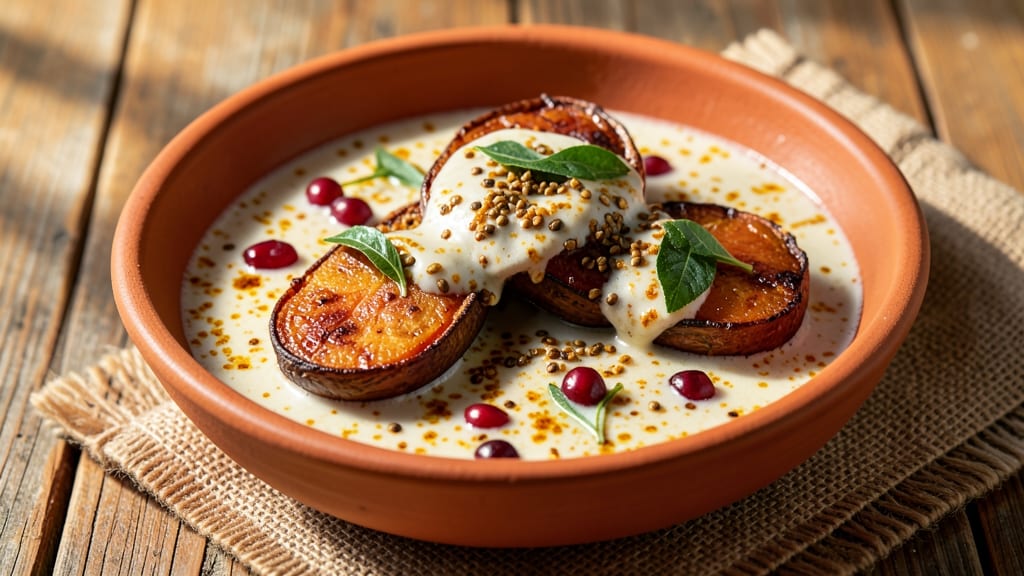
This Maharashtrian sweet potato recipe transforms humble tubers into a fragrant, turmeric-infused curry with charred edges that balance sweet and savory notes. 🌟 The dish—traditionally called Batata no Bhaji—is a staple in Maharashtra's coastal regions, where kokum and coconut lend their signature tang and richness.
What makes this recipe special is the two-stage cooking method: first, the sweet potatoes are roasted until caramelized, then simmered in a spiced coconut-turmeric gravy that clings to every bite.
The foundation of this dish lies in its aromatic spice blend—mustard seeds, curry leaves, and a touch of jaggery—that creates layers of flavor without overpowering the natural sweetness of the potatoes.
I’ve simplified the process while keeping the essence intact, so you can achieve restaurant-quality results in under 45 minutes with minimal effort. The key is patience: letting the spices bloom in hot oil before adding the potatoes ensures deep, complex flavors that define Maharashtrian cuisine.
By the end, you’ll have a vibrant curry with tender, caramelized sweet potatoes swimming in a velvety coconut-turmeric sauce. The charred edges add a smoky contrast, while the subtle tang from kokum brightens every spoonful.
This dish is vegetarian, gluten-free, and packed with nutrients—perfect for a comforting meal or as a side that steals the show. Serve it with steamed rice or roti for a complete meal, or pair it with a simple dal for a traditional Maharashtrian spread.
The leftovers reheat beautifully, making it an ideal dish for meal prep. Let’s bring this flavorful tradition to your kitchen!
Ingredients for sweet potato maharashtrian
Sweet, smoky, and tangy—these ingredients bring Maharashtrian coastal flavors to your kitchen.
| Ingredient | Amount | Notes |
|---|---|---|
| Sweet Potatoes 🍠 | 1 ½ lb | Medium-sized, peeled and cubed |
| Coconut Milk 🥥 | 1 can | Full-fat, 13.5 oz can |
| Kokum 🍈 | 4 pieces | Dried, soaked in 1 cup water |
| Fresh Curry Leaves 🌿 | ¼ cup | Packed, finely chopped |
| Mustard Seeds 🌶️ | 1 tbsp | Lightly toasted |
| Turmeric Powder 🌿 | 1 tsp | Freshly ground preferred |
| Jaggery 🍯 | ¼ cup | Grated, or substitute brown sugar |
| Green Chilies 🌶️ | 2 whole | Slit lengthwise |
| Coconut Oil 🫒 | ½ cup | For roasting potatoes |
| Yellow Onion 🧅 | 1 whole | Medium, finely chopped |
| Garlic Cloves 🧄 | 4 cloves | Peeled and minced |
| Salt 🧂 | 1 tsp | Adjust to taste |
| Cumin Seeds 🌿 | ½ tsp | Toasted for aroma |
| Ginger 🌿 | 1 inch | Fresh, grated |
The sweet potatoes are the star, so pick firm, orange-fleshed ones—no green spots. Indian grocery stores usually have the best selection, but regular supermarkets work too. For the coconut milk, full-fat is non-negotiable—it’s what gives that rich, velvety texture. The kokum pieces can be tricky to find outside Indian markets, but substitute lime juice if needed. Fresh curry leaves add that signature aroma—dried won’t cut it. Toast your mustard seeds and cumin in the oil until they pop—this is where the magic happens. If you can’t find jaggery, brown sugar works in a pinch, though it’s not quite the same.
No fresh curry leaves? Dried will work at half the amount, but it’s not the same. Running low on kokum? Tamarind paste or extra lime juice adds tang, though kokum’s unique flavor is hard to replace. For the green chilies, adjust to your heat preference—remove seeds for less spice. The coconut oil matters for roasting—regular vegetable oil won’t give the same flavor. If you’re short on time, microwave the potatoes for 5 minutes before roasting to speed things up. The ginger should be fresh—no powdered substitutes here.
Store leftovers in an airtight container for 3-4 days—they reheat beautifully. The gravy thickens as it cools, so add a splash of water when reheating. For meal prep, double the batch and freeze portions—thaw overnight in the fridge. The roasted potatoes can be prepped ahead and reheated in the oven at 350°F for 10 minutes to restore their crisp edges. This dish tastes even better the next day as the flavors meld.
Why You'll Love This Recipe
- One-Pot Magic: I swear by this recipe when I’m too tired to scrub pots—just chop the sweet potatoes, toss them in the same pan with coconut milk and kokum, and let the spices do the work. The curry leaves and mustard seeds sizzle into a fragrant paste with zero effort, while the sweet potatoes soften into buttery perfection.
- Tangy Creamy Bliss: Between us, the kokum’s sharp tang cuts through the richness of coconut milk like a sigh of relief. That first bite—sweet, slightly sour, with a whisper of smoky curry leaves—is the kind of flavor that makes you reach for seconds without thinking.
- Lunchbox Hero: I pack this cold or warm for my kids’ lunches (yes, even on a Tuesday night), and it’s gone before their sandwiches touch their plates. The sweet potatoes hold up beautifully, and the coconut-kokum dressing keeps it from getting soggy—plus, it’s the only dish they’ll eat when they’re “too tired for dinner.”
- Budget Win: Sweet potatoes and coconut milk stretch this into a full meal for four on $5. The kokum adds depth without costing a fortune, and a single batch feeds my family for two days—no leftovers going to waste, just happy bellies. Honestly, it’s my go-to when groceries are tight but I refuse to skimp on flavor.
Step-by-step instructions for sweet potato Maharashtrian curry
Here's how to make this aromatic, coconut-turmeric sweet potato dish with perfectly charred edges.
🔥 Step 1: Roast the Sweet Potatoes for Charred Perfection
Preheat your oven to 400°F. Toss the 1.5 lb sweet potatoes (peeled and cubed) with 0.5 cup coconut oil until they're evenly coated. Spread them in a single layer on a baking sheet, leaving space between each piece.
Roast for 25-30 minutes, stirring once halfway through, until the edges are deep golden brown and slightly crispy. You want that caramelized texture that's characteristic of Maharashtrian cuisine. The potatoes should be tender when pierced with a fork but still hold their shape. Remove them from the oven and set aside—they'll continue cooking in the sauce.
👨🍳 Step 2: Prepare the Kokum and Spice Base
While the potatoes roast, soak the 4 pieces kokum in 1 cup water for 15 minutes to soften. In a large, heavy-bottomed pot, heat 1 tablespoon mustard seeds and 0.5 teaspoon cumin seeds in 2 tablespoons coconut oil over medium heat until they sizzle and pop.
Add the 1 whole yellow onion (finely chopped), 1 inch ginger (grated), 4 cloves garlic (minced), and 2 whole green chilies (slit lengthwise). Sauté for 5-6 minutes until the onions turn translucent and the garlic releases its aroma. This is where all the flavors start to meld together beautifully.
🍳 Step 3: Build the Turmeric-Coconut Sauce
Strain the soaked kokum water through a fine-mesh sieve to remove any seeds, reserving the liquid. Add this to your pot along with the 1 teaspoon turmeric powder and 1 teaspoon salt. Stir well to dissolve the turmeric completely—this is what gives the dish its signature golden hue.
Pour in the 1 can coconut milk and bring the mixture to a gentle simmer. Let it cook for 5 minutes until slightly thickened. Then add the 0.25 cup jaggery and 0.25 cup fresh curry leaves, stirring constantly until the jaggery dissolves completely. The sauce should be creamy with a subtle tang from the kokum and sweetness from the jaggery.
🥘 Step 4: Combine and Simmer to Perfection
Gently add the roasted sweet potatoes to the pot, coating them evenly in the sauce. Simmer for 8-10 minutes on low heat, stirring occasionally, until the potatoes are fully tender and the sauce has thickened to a perfect consistency. You're aiming for a sauce that clings to the potatoes without being gluey.
Taste and adjust the seasoning—you might need a pinch more salt or jaggery to balance the flavors. The dish should have a perfect harmony of sweet, tangy, and spicy notes with that earthy sweet potato flavor shining through. If it's too thick, add a splash of water to loosen it.
🍽️ Step 5: Rest and Serve Warm
Remove from heat and let the curry rest for 5 minutes. This allows the flavors to meld even more beautifully. Serve immediately with steamed rice or roti, garnished with extra curry leaves if desired.
Each bite should deliver that perfect contrast of tender sweet potatoes with crispy edges, wrapped in a creamy, aromatic turmeric-coconut sauce. The kokum adds a unique tang that makes this dish truly special—don't skip that step! The curry should be rich enough to coat the back of a spoon but still light enough to let the sweet potatoes shine.
Pro Tips For Making Sweet Potato Maharashtrian
- Peel After Cooking: Sweet potatoes are stubborn—peeling them raw makes them bruise and bleed starch. Instead, boil them whole until fork-tender (about 15 minutes), then slip off the skin under running water. The flesh stays intact, and you avoid that messy, gummy mess when dicing.
- Bloom Mustard Seeds Slow: I used to blast the pan and burn the mustard seeds before they even popped. For this dish, start on medium-low heat—just enough to hear them crackle gently. They’ll release their nutty aroma without turning bitter, and the curry leaves won’t wilt into oblivion.
- Soak Kokum Properly: Don’t just rinse kokum—soak the dried pieces in warm water for at least 20 minutes to soften. Then, blend them with a splash of that soaking water for the gravy. Skipping this step leaves you with a gritty, under-extracted tang that fights with the coconut milk instead of harmonizing.
- Simmer, Don’t Boil: After adding coconut milk, keep the heat at a gentle simmer—not a rolling boil. The sweet potatoes will absorb the flavors better, and the kokum’s sour notes won’t curdle into a sad, separated mess. If it’s too hot, the curry leaves will turn to sludge faster than you can say “second attempt.”
Make-ahead tips for this sweet potato maharashtrian
Prep Ahead Spice Base
Save time by prepping the spice base the night before. Toast the 1 tbsp mustard seeds and ½ tsp cumin seeds in 2 tbsp coconut oil until fragrant, then mix with 1 chopped onion, 1 inch grated ginger, and 4 minced garlic cloves.
Store in an airtight container in the fridge for up to 3 days. When ready to cook, simply reheat in the pot with 2 tbsp oil for 2 minutes before adding the kokum mixture. This shortcut keeps the flavors intact while cutting 15 minutes off your prep time. 💡
Roast Potatoes in Advance
Roast the sweet potatoes up to 2 days ahead and store them in the fridge. Reheat in a 350°F oven for 10 minutes before adding to the sauce—they’ll regain their crisp edges and absorb flavors beautifully.
For extra convenience, cube and parboil the potatoes for 5 minutes before roasting to speed up the process. I like to reheat them in the oven alongside the curry so they stay warm together. ⏰
Kokum Water Prep
Soak the 4 pieces kokum in 1 cup water overnight in the fridge for maximum flavor extraction. Strain and store the liquid in a jar—it’ll keep for 5 days and adds that signature tang without extra effort.
If you’re short on time, soak for just 15 minutes, but the flavor will be less pronounced. I always double the kokum water when making leftovers because the tang intensifies as the dish sits. 🍈
Freezer-Friendly Curry
This curry freezes exceptionally well, making it perfect for meal prep. After simmering, let it cool completely, then portion into freezer-safe containers with 1 inch headspace. Label with the date—it’ll keep for 3 months.
To reheat, thaw overnight in the fridge, then warm on the stovetop with 2 tbsp water to restore the creamy texture. The flavors actually deepen after freezing, making it taste even more restaurant-quality. ❄️
Sauce Thickening Hack
If the sauce seems too thin after reheating, mix 1 tbsp cornstarch with 2 tbsp water and stir it into the simmering curry. Cook for 2 minutes until thickened—this works better than adding flour.
For extra richness, add 1 tbsp coconut cream when reheating. I find the sauce thickens naturally overnight, so I often add a splash of water when reheating to maintain the perfect consistency. 🥄
Garnish Like a Pro
Fresh curry leaves and a sprinkle of toasted coconut flakes elevate the dish instantly. Toast 2 tbsp coconut flakes in a dry pan for 2 minutes** until golden, then sprinkle on top right before serving.
For extra flair, add a drizzle of coconut oil and a pinch of turmeric powder on the garnish. I always serve with a side of mango chutney to cut through the richness. 🌿
Nutrition facts
Frequently asked questions
What makes this Maharashtrian sweet potato dish different from regular sweet potato curries?
This recipe uses a two-stage cooking method—roasting the potatoes first for charred edges, then simmering in a turmeric-coconut gravy with kokum for tang. The key ingredients like mustard seeds, curry leaves, and jaggery create that authentic Maharashtrian flavor profile that's sweeter, tangier, and more aromatic than standard curries.
Can I substitute jaggery with something else if I can't find it?
Yes! For 1/4 cup jaggery, use 1/4 cup brown sugar or 3 tablespoons honey (dissolved in warm water). Jaggery adds a unique caramelized depth, but these substitutes work well. Brown sugar is closest in texture, while honey adds a slight floral note. Adjust to taste after cooking.
How do I get the perfect crispy edges on the sweet potatoes?
Roast them at 400°F in a single layer with coconut oil (not vegetable oil) for 25-30 minutes, stirring once halfway. The oil must coat them evenly, and leaving space between pieces ensures even browning. For extra crispiness, broil for 2 minutes at the end.
What if I don't have kokum? Can I still make this recipe?
Replace the kokum water with 1 cup water + 1 tbsp lime juice or 1 tbsp tamarind paste (dissolved in water). The tang will be slightly different but still delicious. For best results, use 1/2 tsp citric acid (found in baking aisles) for a closer kokum-like flavor.
Is this dish gluten-free and suitable for a vegetarian diet?
Yes! This recipe is naturally gluten-free and vegetarian, using only plant-based ingredients. The spices and coconut milk are typically gluten-free, but always check labels for cross-contamination warnings. It's also nut-free (unless you add garnishes with nuts). Perfect for vegan diets if you skip jaggery (use brown sugar instead).