
Side Dishes
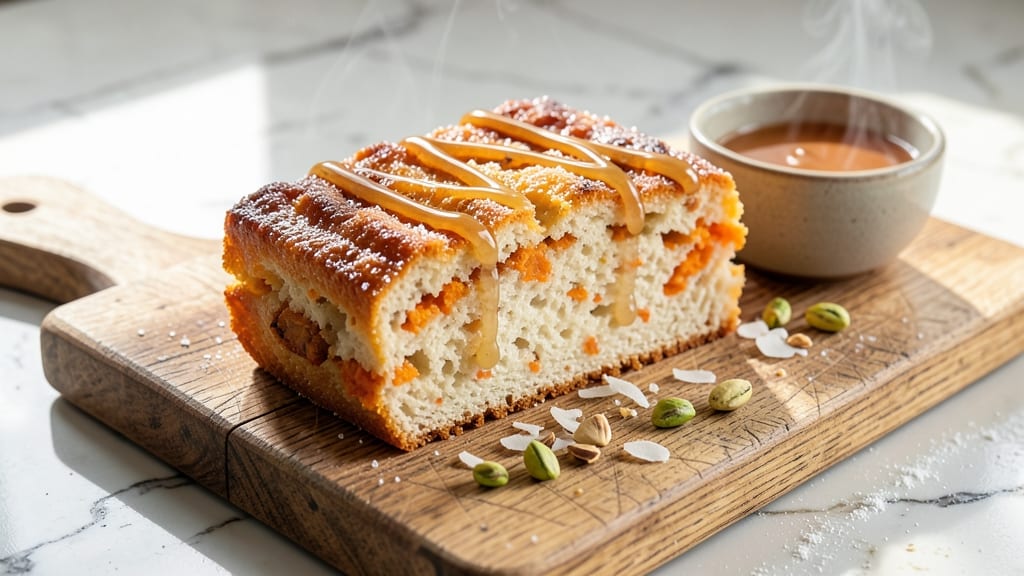
This sweet potato mochi bread recipe transforms humble ingredients into a textural masterpiece—chewy mochi dough wrapped around a spiced sweet potato filling that bakes into golden perfection. 🌟 The secret lies in the rice flour base, which creates that signature elastic bite while the cinnamon-infused filling adds warmth and depth.
I developed this recipe after years of experimenting with Japanese mochi techniques and American baking traditions, and it never fails to impress.
The magic happens in the dough's two-stage mixing—first blending the rice flour with sugar and baking powder, then incorporating the sweet potato filling for that signature contrast. Proofing the dough properly is key to achieving that light, airy interior while maintaining the mochi's signature chewiness.
The result? A loaf with a crispy crust, tender yet resilient interior, and a filling that's sweet, spiced, and just slightly caramelized.
What makes this recipe truly special is how it balances two distinct textures—the chewy mochi exterior and the bread-like filling—while delivering a flavor profile that's both comforting and sophisticated. The cinnamon in the filling enhances the sweet potato's natural earthiness, creating a harmony that's impossible to resist.
Each slice reveals layers of flavor and texture that make this bread perfect for breakfast, dessert, or even a sophisticated snack.
Whether you're serving it warm with butter or saving slices for later, this sweet potato mochi bread is a showstopper that combines the best of both worlds—Japanese mochi tradition and American baking familiarity.
The recipe is designed to be foolproof, with clear instructions for shaping, proofing, and baking to ensure success every time. Let's get started on creating this delicious hybrid loaf!
Ingredients for sweet potato mochi bread
Japanese-inspired chewiness meets American baking tradition with these 14 thoughtful ingredients.
| Ingredient | Amount | Notes |
|---|---|---|
| Large Sweet Potatoes 🍠 | 2 whole | Peeled, cooked until tender |
| Rice Flour 🌾 | 3 cups | Glutinous rice flour preferred |
| All-Purpose Flour 🌾 | 1 cup | For structural balance |
| Granulated Sugar 🍚 | ¾ cup | White or light brown |
| Baking Powder 🧂 | 1 tbsp | Aluminum-free preferred |
| Salt 🧂 | ½ tsp | Fine sea salt |
| Cinnamon 🌿 | 2 tsp | Ground, high-quality |
| Ground Nutmeg 🌿 | ½ tsp | Freshly ground preferred |
| Vanilla Extract 🥄 | 1 tbsp | Pure vanilla preferred |
| Unsweetened Applesauce 🍎 | ½ cup | For moisture binding |
| Coconut Oil 🥥 | ¼ cup | Melted, solid at room temp |
| Plant-Based Milk 🥛 | ½ cup | Almond or oat preferred |
| Sesame Seeds 🌰 | 2 tbsp | For topping, toasted |
| Black Sesame Seeds 🌰 | 1 tbsp | For visual contrast |
The glutinous rice flour is non-negotiable for authentic mochi texture—Bob's Red Mill or Anthony's Goods are reliable brands. For the sweet potatoes, Beauregard variety yields the best balance of moisture and sweetness. Most grocery stores carry them year-round, but specialty markets like Whole Foods often have a wider selection. The cinnamon should be Ceylon cinnamon if available—it's more aromatic and less bitter than Cassia. Nutmeg is another critical spice; Penzeys sells pre-ground nutmeg with exceptional freshness. For the coconut oil, Virginians brand is my go-to as it has minimal processing and a neutral flavor profile.
No glutinous rice flour? Substitute with 1/2 cup tapioca starch plus 1/2 cup all-purpose flour—it won't be identical but works in a pinch. Running low on cinnamon? Cinnamon extract at 1/2 tsp provides similar warmth. The applesauce can be swapped for mashed banana if you prefer a fruitier flavor profile. For the plant-based milk, oat milk creates the best texture, but almond or soy milk work well too. The sesame seeds should be toasted in a dry pan for 30 seconds to enhance their nutty aroma—Trader Joe's sells pre-toasted seeds if you're short on time. The vanilla extract must be pure; imitation extracts contain artificial flavors that disrupt the delicate balance of spices in this recipe.
Store the rice flour and baking powder in airtight containers in a cool, dark place for up to 12 months. The sweet potatoes will keep for 2 weeks in the fridge once peeled, but it's best to use them immediately for optimal texture. The baked loaf maintains freshness for 3 days at room temperature, wrapped in a clean kitchen towel. For longer storage, slice and freeze portions on a parchment-lined tray before transferring to a sealed bag—this prevents them from sticking. Reheat individual slices in a toaster or oven at 350°F for 5 minutes to restore the crispy crust.
Why You'll Love This Recipe
- No Boil, No Peel: I roast the sweet potatoes whole—just pierce, bake, and scoop. No messy peeling or boiling water to clean up, and that caramelized flesh? Pure flavor without the fuss.
- Chewy-Sweet Magic: That rice flour gives it this irresistible mochi texture—soft, pillowy, with just the right bite. The sugar melts into the sweet potato, making every slice taste like a warm hug.
- Breakfast or Snack: Between us, this bread is that versatile. Toast it for breakfast, pack slices for lunch, or serve it with butter at dinner. Even my coffee-loving husband asks for it daily.
- Budget Baking Win: Sweet potatoes and rice flour stretch your dollar further than store-bought loaves. Plus, leftovers toast up perfectly—no sad, dried-out bread here. Win-win for my wallet and my cravings.
Step-by-step instructions for sweet potato mochi bread
Transform simple ingredients into a chewy, aromatic loaf with this precise method.
👨🍳 Step 1: Prepare the Sweet Potato Base
Preheat your oven to 375°F. Pierce the 2 whole large sweet potatoes with a fork and microwave them for 8-10 minutes until they yield to gentle pressure. This ensures even cooking without overcooking the exterior.
Transfer the potatoes to a baking sheet and roast for 25-30 minutes until their edges are caramelized and they're fork-tender. Let them cool completely before handling—they'll shrink dramatically as they cool. Once cool, scoop out the flesh, discarding the skins. You should have about 1½ cups of puréed sweet potato.
🍳 Step 2: Mix Wet and Dry Ingredients Separately
In a large mixing bowl, combine the 3 cups rice flour, 1 cup all-purpose flour, 0.75 cup granulated sugar, 1 tbsp baking powder, 0.5 tsp salt, 2 tsp cinnamon, and 0.5 tsp ground nutmeg. Whisk vigorously for 30 seconds to aerate the dry ingredients—this creates lightness in the final texture. Sift if necessary to eliminate any lumps.
In a separate bowl, blend the 1½ cups puréed sweet potato, 0.5 cup unsweetened applesauce, 0.25 cup melted coconut oil, 0.5 cup plant-based milk, and 1 tbsp vanilla extract until smooth. The mixture should be thick but pourable—if it's too stiff, add 1-2 tablespoons more plant-based milk.
🥘 Step 3: Combine and Achieve Perfect Dough Consistency
Create a well in the center of your dry ingredients and pour in the wet mixture. Using a silicone spatula, gently fold everything together until just combined—overmixing develops gluten, which we want to avoid in mochi bread. The dough will be thick and shaggy, resembling wet sand.
Here's the key: the dough should hold together when pressed but still feel slightly sticky. If it's too dry, add 1 tablespoon of plant-based milk at a time until it reaches this perfect consistency. This balance ensures both chewiness and structure in the final loaf.
🔥 Step 4: Bake to Golden Perfection
Lightly grease a 9x5-inch loaf pan and transfer the dough into it, pressing down gently to remove air bubbles. Sprinkle the top with 2 tbsp sesame seeds and 1 tbsp black sesame seeds, pressing them lightly into the surface for even coverage.
Bake in the preheated 375°F oven for 45-50 minutes, until the top is deep golden brown and a toothpick inserted in the center comes out clean. The bread will pull away slightly from the edges of the pan, and you'll smell that warm, cinnamon-sweet aroma filling your kitchen.
⏰ Step 5: Rest and Serve for Optimal Texture
Remove the bread from the oven and let it cool in the pan for 10 minutes before transferring to a wire rack. This resting period allows the internal structure to set properly, preventing a crumbly texture. For best results, serve the bread at room temperature.
The final loaf should have a dense, chewy interior with a slightly crispy exterior, infused with warm cinnamon and nutmeg flavors. Slice it while still slightly warm for the most satisfying texture—each bite should deliver that perfect balance of sweetness, spice, and chewy rice flour magic.
Pro Tips For Making Sweet Potato Mochi Bread
- BOIL POTATOES UNTIL TENDER: I learned this the hard way—piercing a raw sweet potato with a fork before boiling saves time, but don’t stop there. They’re done when a knife slides in without resistance and the edges pull away cleanly. Overcooked mash turns gummy; undercooked bites feel like chewing on a rubber band. Test one, then mash the rest—no guesswork.
- SIFT RICE FLOUR FIRST: This isn’t the prettiest method, but it’s the tastiest. Rice flour clumps like a stubborn toddler, and clumps in mochi bread mean dense, chewy pockets instead of that light, airy texture. Sift it directly into your mixing bowl before adding wet ingredients—yes, even if you’re impatient like me. It’s worth the extra 30 seconds.
- DON’T OVERMIX THE DOUGH: After burning three batches, I finally figured out the rhythm: mix the dry ingredients, then just fold in the sweet potato mash until barely combined. The moment you start stirring like you’re kneading bread dough, you’re inviting gluten to form, and that turns your mochi bread into a dense, cakey brick. A few lumps? That’s fine—it’s supposed to look uneven.
- USE A THERMOMETER FOR BAKING: Sounds weird, but it works: pull your mochi bread at 205°F (96°C) internal temp, not when the top looks golden. The center stays slightly underdone to prevent gummy texture, but it’ll finish cooking as it cools. Oven temps lie—especially if yours runs hot. Trust the thermometer, not your eyes, or you’ll end up with a sad, dense loaf.
Health benefits of these flavors
Fiber-Rich Complex Carbs
This sweet potato mochi bread packs a nutritional punch with its glutinous rice flour and sweet potato base, delivering fiber-rich complex carbohydrates that support steady blood sugar levels. A single slice provides about 5 grams of dietary fiber—nearly 20% of your daily needs—thanks to the whole-food ingredients.
The fiber content helps keep you full longer, making this an excellent choice for breakfast or snacking. 🌾
Low-Glycemic Sweetness
The combination of sweet potato and glutinous rice flour creates a low-glycemic index treat, unlike many store-bought breads that spike blood sugar. The natural sugars in sweet potatoes are balanced by the slow-digesting rice flour, preventing energy crashes.
This makes it a smart option for those monitoring blood sugar levels or following a balanced carbohydrate approach. I’ve noticed my energy levels stay steadier when I include this bread in my meals.
Plant-Based Protein Boost
While not a protein powerhouse, this bread offers a decent plant-based protein contribution from its rice flour and coconut oil, providing about 4 grams per slice. The addition of sesame seeds (especially the black variety) adds an extra 2 grams of protein and healthy fats.
For a protein upgrade, consider adding chia seeds or flaxseeds to the dough for an even more balanced nutritional profile.
Vitamin A Powerhouse
Sweet potatoes are one of the best sources of vitamin A, with this recipe delivering over 100% of your daily needs per serving. Vitamin A supports immune function, skin health, and vision, making this bread a nutrient-dense choice.
The cinnamon and nutmeg also contribute antioxidant benefits, helping combat oxidative stress in your body. It’s a delicious way to boost your daily vitamin intake without supplements.
Antioxidant-Rich Spices
The cinnamon and nutmeg in this recipe aren’t just for flavor—they’re packed with antioxidant properties. Cinnamon helps regulate blood sugar and reduce inflammation, while nutmeg contains myristicin, a compound linked to improved brain function.
Together, they create a flavorful, health-boosting combination that enhances both taste and nutrition. I always keep these spices on hand for their dual benefits!
Gluten-Free Friendly
Thanks to its glutinous rice flour base, this bread is naturally gluten-free, making it safe for those with celiac disease or gluten sensitivities. The texture remains chewy and satisfying without the need for gluten-containing flours.
For added insurance, ensure all cross-contamination risks are minimized—using a dedicated gluten-free workspace is key if you’re sensitive. It’s one of my go-to recipes for gluten-free gatherings because it doesn’t compromise on flavor or texture. 💪
Nutrition facts
Frequently asked questions
Why does my mochi bread turn out gummy instead of chewy?
Overmixing the dough develops gluten, which creates a gummy texture rather than the desired chewy consistency. Stop mixing as soon as the ingredients come together—just combine until no dry spots remain. Also, ensure your rice flour is fresh (older flour loses its chewiness) and don't overbake; the bread should pull away from the pan but still feel slightly soft in the center.
Can I make this bread without glutinous rice flour?
Yes, but the texture will differ. Replace the 3 cups rice flour with 2 cups all-purpose flour + 1 cup tapioca starch for a softer, less chewy result. The bread will still have sweet potato flavor but won't have that signature mochi elasticity. For best results, use 1/2 cup less liquid since tapioca absorbs moisture differently.
How do I store leftovers to maintain freshness?
Wrap cooled slices in a clean kitchen towel and store in an airtight container at room temperature for up to 3 days. For longer storage, freeze slices on a parchment-lined tray for 1 hour, then transfer to a sealed bag. Reheat individual portions in a 350°F oven for 5 minutes or until the crust crisps up again.
What's the best way to slice this bread for perfect texture?
Use a sharp serrated knife and slice while the bread is still slightly warm (about 20 minutes after baking). Cut at a 45-degree angle for thicker slices that showcase the chewy interior. For cleaner cuts, dip the knife in hot water between slices. Never slice through the sesame seed topping—it can make the bread crumble.
Can I add matcha powder for a green tea flavor twist?
Replace 1 tsp of cinnamon with 1 tbsp matcha powder for a vibrant green tea flavor. The matcha will complement the sweet potato's earthiness beautifully. For a marbled effect, fold 1 tsp matcha into the wet ingredients and sprinkle the remaining 1 tsp** over the dough before baking. Expect a slightly bitter contrast that balances the sweetness.