
Side Dishes
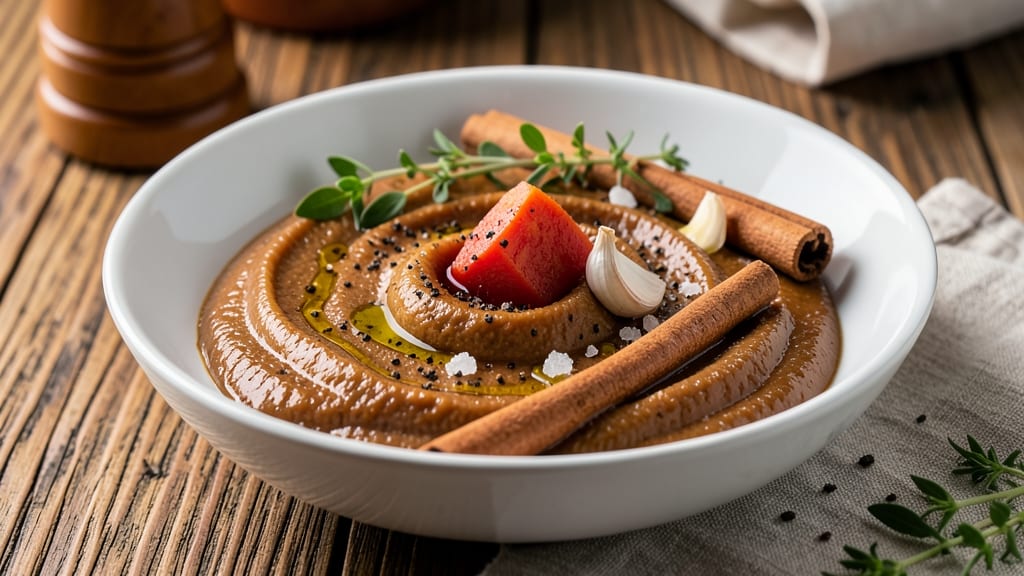
This sweet potato paste recipe transforms humble sweet potatoes into a velvety, ultra-smooth base perfect for elevating mashed potatoes, soups, and even savory glazes. The secret lies in slow-roasting the potatoes until caramelized—this deepens their natural sweetness while creating a texture so silky it disappears effortlessly into any dish.
I developed this version after years of experimenting with store-bought versions that always tasted artificial or grainy.
The process is deceptively simple: roast the sweet potatoes until tender, then blend them with neutral oil and a pinch of salt until completely smooth. What you'll end up with is a neutral yet flavorful paste that adds instant richness to dishes without overpowering them.
This isn't just another sweet potato mash—it's a versatile condiment that works as a toast topping, sandwich spread, or even a thickener for hearty stews.
What makes this recipe truly special is its shelf stability. When stored properly, this paste keeps for up to 2 weeks in the refrigerator or 3 months in the freezer, making it an ideal pantry staple.
The slow-roasting method concentrates the sweet potatoes' natural sugars, while the blending technique ensures every spoonful is completely smooth—no lumps, no textures, just pure, adaptable flavor.
The possibilities for this paste are nearly endless: use it as a base for loaded mashed potatoes, stir it into soups for depth, or spread it on toast with a drizzle of olive oil and flaky salt.
It's the kind of multi-purpose ingredient that transforms ordinary meals into something extraordinary with minimal effort. Let's get started on creating your own batch.
Ingredients for sweet potato paste
Seven simple ingredients transform humble sweet potatoes into a velvety, ultra-smooth paste for endless culinary applications.
| Ingredient | Amount | Notes |
|---|---|---|
| Sweet Potatoes 🍠 | 2 lb | Organic, vibrant orange preferred |
| Extra-Virgin Olive Oil 🫒 | ¼ cup | Light, neutral flavor preferred |
| Sea Salt 🧂 | 1 tsp | Fine grain, Diamond Crystal preferred |
| Freshly Ground Black Pepper 🌶️ | ¼ tsp | Freshly cracked for aroma |
| Garlic Cloves 🧄 | 2 cloves | Roasted with sweet potatoes |
| Cinnamon Sticks 🌿 | 1 whole | Optional, for depth of flavor |
| Pure Maple Syrup 🍯 | 1 tbsp | Grade A, for subtle sweetness |
The foundation of this paste lies in selecting organic sweet potatoes with vibrant orange flesh—the deeper the color, the richer the flavor. Whole Foods Market or local farmers' markets consistently offer the best quality, though standard grocery stores carry reliable options. Avoid potatoes with soft spots or green patches, as these indicate age and potential bitterness. The extra-virgin olive oil should be light and neutral to avoid overpowering the sweet potato's natural flavor—California Early Harvest or Italian varieties work beautifully. For the cinnamon, Ceylon cinnamon adds warmth without the harshness of cassia, though standard cassia sticks work in a pinch. Roast the garlic and cinnamon with the potatoes to infuse their flavors deeply into the base.
No organic sweet potatoes? Conventional varieties work fine—just scrub them thoroughly. Substituting olive oil for avocado oil maintains neutrality, though the flavor profile differs slightly. For a sweeter paste, date syrup can replace maple syrup at a 1:1 ratio, though it has a more intense caramel flavor. If you prefer a completely neutral base, omit the cinnamon entirely—this paste will still work beautifully as a thickener or spread. The Diamond Crystal sea salt enhances natural sweetness without overpowering, but Morton kosher salt works equally well if measured carefully. For those with dietary restrictions, ensure your olive oil is refined if avoiding all traces of potential allergens.
This paste maintains its texture beautifully when stored properly. Portion into small glass jars with tight-sealing lids to preserve freshness. In the refrigerator, it keeps for up to 2 weeks when submerged in water to prevent oxidation. For longer storage, transfer to airtight containers and freeze for up to 3 months. When reheating, microwave in 15-second bursts until fully thawed—this prevents graininess. The paste thickens slightly when chilled, so adjust consistency by adding a splash of warm water if needed. Its versatility makes it a pantry essential: use as a mashed potato enhancer, soup thickener, or even a glaze for roasted vegetables.
Why You'll Love This Recipe
- Five-Ingredient Magic: I swear by this recipe—just roast, smash, and blend. No peeling, no fancy tools, and the kids can help with the mashing (less cleanup for me).
- Garlic-Glazed Goodness: That caramelized garlic and olive oil? It turns sweet potatoes into something ridiculously flavorful. The salt and pepper make every bite sing—simple, but never boring.
- Pantry Powerhouse: Use it as a spread, a dip, or a topping—it’s my go-to for toast, tacos, or even stuffed into roasted chicken. Honestly, I’ve used it in everything and it never lets me down.
- Budget-Friendly Staple: Sweet potatoes are cheap, and this paste stretches across meals. Make a big batch, freeze half, and thank me later when you’re not scrambling for dinner ideas.
Step-by-step instructions for ultra-smooth sweet potato paste
Transforming humble sweet potatoes into velvety paste requires precision and patience—here's how to achieve flawless texture every time.
Prep and Roast the Sweet Potatoes
Preheat your oven to 400°F and line a rimmed baking sheet with parchment paper. Peel the 2 lb sweet potatoes and cut them into 1-inch chunks—smaller pieces roast more evenly. Place them on the prepared sheet in a single layer, leaving space between each piece for proper air circulation.
Drizzle the sweet potatoes with 0.25 cup extra-virgin olive oil and toss gently to coat evenly. Sprinkle with 1 tsp sea salt and 0.25 tsp freshly ground black pepper. Add the 2 garlic cloves and 1 whole cinnamon stick to the pan, nestling them among the sweet potatoes. Roast for 30-35 minutes until the edges are tender when pierced with a fork and the internal temperature reaches 200°F.
Here's the thing—roasting develops natural sweetness and creates a dry, flaky texture that's essential for smooth paste. If you're impatient and try steaming or boiling, you'll end up with gluey, waterlogged potatoes that resist blending. The cinnamon stick adds subtle warmth, but don't overlook it—it enhances the earthy sweet potato flavor.
Blend Until Silky Smooth
Transfer the roasted sweet potatoes to a high-powered blender or food processor. I recommend a Vitamix or equivalent—regular blenders struggle with the fibrous texture. Add the 1 tbsp pure maple syrup and any accumulated juices from the roasting pan. This syrup balances the earthy sweetness and adds natural sweetness without overpowering.
Blend in short bursts, starting on low speed, then increasing to high. Stop every 30 seconds to press down the contents with a spatula and scrape the sides. This ensures even blending and prevents motor overload. You're aiming for a texture that's completely smooth with no visible flecks—this can take 5-8 minutes of total blending time.
If the mixture looks too thick, add 1-2 tablespoons of water at a time until it reaches a pourable consistency. The paste should coat the back of a spoon smoothly, with no resistance. Real talk: this is where most home cooks give up, but pushing through to perfect smoothness transforms this into a restaurant-quality base.
Refine the Texture and Season
Once you've achieved silky smoothness, transfer the paste to a clean saucepan. Place it over medium-low heat and stir continuously with a silicone spatula. The goal is to gently reheat the paste to 160°F—just enough to make it pliable and easier to work with. This step also helps evaporate any excess moisture that might have developed during blending.
Taste the paste and adjust the seasoning if needed. You might need an additional pinch of sea salt or black pepper to balance the flavors. The cinnamon from the roasting should be present but subtle—if it's too strong, you can strain out any remaining pieces. For mashed potatoes, this paste will add incredible creaminess and natural sweetness without altering the dish's color.
For soups or stews, this ultra-smooth paste dissolves seamlessly, creating a velvety texture that elevates the entire dish. The key to success is patience—rushing the blending process is what leads to grainy results. Think of this as a culinary investment: the time spent now will pay off in perfectly textured dishes later.
Store and Use Your Paste
Let the sweet potato paste cool completely, then transfer it to an airtight container. It will keep in the refrigerator for up to 5 days or in the freezer for 3 months. When using, thaw overnight in the refrigerator if frozen, then reheat gently in a saucepan with a splash of water or milk to restore its smooth consistency.
This versatile paste works beautifully in mashed potatoes (mix ½ cup paste per 4 cups potatoes), soups (stir ¼ cup into broths), or even as a natural sweetener in baked goods. The roasted flavor profile gives it depth that store-bought sweet potato products can't match. I like to make a big batch and keep it on hand—it's become a staple in my kitchen for adding richness and natural sweetness to countless dishes.
Remember, the secret to perfect sweet potato paste lies in the roasting and blending process. Don't be tempted to skip steps or use shortcuts—they'll compromise the final texture. With this method, you'll achieve a velvety, flavorful base that's far superior to anything you can buy pre-made.
Pro Tips For Making Sweet Potato Paste
- ROAST THEM UNTIL SOFT: Peel and chop sweet potatoes into 1-inch cubes—then roast at 400°F (200°C) for 25-30 minutes until they’re fork-tender, not just browned. Overcooking turns them to mush; undercooked bits will make your paste grainy no matter how much you blend.
- USE COLD POTATOES FOR SMOOTHNESS: Let roasted sweet potatoes cool completely before blending—hot tubers release starch like crazy, turning your paste into glue. I learned this the hard way after a batch turned into a thick, sticky disaster.
- SALT THE GARLIC FIRST: Mince garlic cloves and toss them in a pinch of salt for 5 minutes before blending—this softens them and prevents that harsh, raw bite in your paste. Skip this, and you’ll taste every sharp edge.
- PRESS, DON’T POUR: After blending, press the paste through a fine-mesh sieve to remove fibers—don’t just pour. It’s tedious, but the result is silky, not stringy. (Yes, even if you’re impatient like me.)
Regional styles of these flavors
Caribbean Sweetness
In the Caribbean, sweet potato paste takes on a tropical twist with bold flavors. Add 1 tbsp grated fresh ginger and ½ tsp allspice during roasting for a warm, spicy depth. Stir in 1 tbsp lime juice and 1 tsp honey after blending to brighten the paste.
Use it as a marinade for jerk chicken or as a glaze for roasted plantains. The ginger and allspice create a complex harmony that pairs perfectly with Caribbean spices. 🌶️
Japanese Miso Glaze
For a savory-sweet Japanese adaptation, blend 2 tbsp white miso paste and 1 tbsp soy sauce directly into the sweet potato mixture. Roast the sweet potatoes with 1 tsp grated ginger and 1 clove garlic for extra depth.
This paste works beautifully as a glaze for grilled fish or as a dipping sauce for dumplings. The umami from the miso balances the natural sweetness of the potatoes, creating a sophisticated flavor profile. 🍣
Southern U.S. Comfort
The Southern United States transforms this paste into a creamy, buttery spread. Add ¼ cup melted butter and 1 tbsp brown sugar during blending for a richer texture. Top with crushed pecans and a pinch of cayenne for heat.
Spread it on cornbread or use it as a base for loaded baked potatoes. This version is all about comfort food—warm, sweet, and deeply satisfying. 🥧
Mediterranean Herb Twist
For a Mediterranean-inspired version, infuse the roasting oil with 1 tsp dried oregano and 1 tsp dried thyme before tossing the sweet potatoes. After blending, stir in 1 tbsp lemon zest and 1 tbsp chopped fresh parsley.
This paste pairs beautifully with grilled lamb or as a topping for roasted vegetables. The herbs add a bright, aromatic quality that contrasts beautifully with the sweet potatoes' earthiness. 🌿
Indian Spiced Paste
In Indian cuisine, this paste becomes a fragrant, spiced condiment. Roast the sweet potatoes with ½ tsp cumin seeds, ½ tsp coriander seeds, and ¼ tsp turmeric. After blending, add 1 tsp garam masala and 1 tbsp coconut milk for creaminess.
Use it as a spread for naan or as a base for curries. The spices create a warm, aromatic depth that elevates the sweet potatoes to new heights. 🌶️
Mexican Mole-Inspired
For a Mexican-inspired version, roast the sweet potatoes with 1 tsp smoked paprika, ½ tsp cinnamon, and ¼ tsp cloves. After blending, stir in 1 tbsp chipotle powder and 1 tbsp tomato paste for a smoky, tangy twist.
This paste works perfectly as a dip for tortilla chips or as a topping for tacos. The combination of sweet, smoky, and spicy flavors is pure comfort in every bite. 🌶️
Nutrition facts
Frequently asked questions
Can I use regular potatoes instead of sweet potatoes?
Regular potatoes won't work—they lack the natural sweetness and vibrant color that make sweet potato paste special. The caramelization during roasting is what creates that rich, velvety texture and depth of flavor. If you're looking for a similar texture, try using yams (though they're less sweet), but sweet potatoes are the ideal choice for this recipe.
Why does my sweet potato paste turn out grainy?
Grainy paste usually happens when the potatoes aren't fully dry from roasting or if you rush the blending process. Always roast until the edges are tender and the internal temperature reaches 200°F—this ensures they're completely dry. Use a high-powered blender and blend in short bursts, scraping the sides frequently. If it's still grainy, add 1-2 tablespoons of water and blend again. Patience is key for that silky texture!
How can I make this paste sweeter without adding sugar?
Roast the sweet potatoes longer (up to 45 minutes) to intensify their natural sweetness. Add 1 extra tablespoon of maple syrup during blending, or include 1 small diced apple or ½ cup dried apricots with the potatoes while roasting. The fruit's sugars will caramelize right into the paste. For a savory-sweet balance, try adding 1 teaspoon of honey at the end.
Can I make this paste without a blender?
While challenging, you can create a smoother version using a food processor or even a mortar and pestle. Roast the potatoes until completely dry, then process in batches, scraping the sides constantly. For an even coarser texture, mash with a fork and strain through a fine-mesh sieve. The result won't be as silky, but it'll still work well in soups or mashed potatoes where texture isn't critical.
What's the best way to use this paste in savory dishes?
This ultra-smooth paste works beautifully as a thickener for soups and stews—just stir in ¼ cup per pot. Use it as a base for savory glazes by mixing with 1 tablespoon of soy sauce and 1 teaspoon of garlic powder, then brushing on roasted vegetables or meats. For extra richness, blend in 1 tablespoon of tahini or miso paste. The natural sweetness balances savory flavors perfectly!