
Desserts
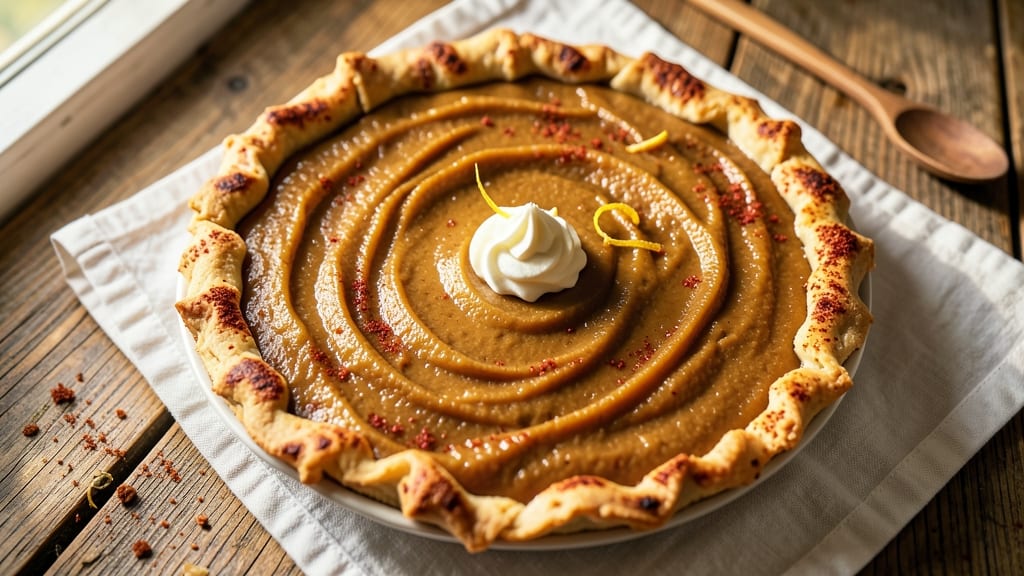
This sweet potato puree pie recipe delivers a velvety, spiced filling that pairs perfectly with a buttery crust—transforming humble sweet potatoes into a dessert that tastes like autumn in every bite.
The secret lies in blending perfectly cooked sweet potatoes with warm spices until silky smooth, then baking them in a golden, flaky crust that holds together beautifully.
I've perfected this technique over years of holiday baking, ensuring the filling stays moist while the crust achieves that ideal balance of crisp and tender.
What sets this recipe apart is the attention to texture and flavor balance. The puree must be smooth enough to create a luscious filling but thick enough to hold its shape when sliced.
A blend of cinnamon, nutmeg, and ginger creates the perfect spice profile, while a touch of brown sugar adds depth without overpowering the natural sweetness of the potatoes. The crust, made with a simple pie dough or alternative base, provides the perfect contrast to the creamy filling.
By the time it emerges from the oven, you'll have a pie with a golden, crackly crust and a filling that's rich, velvety, and perfectly spiced. The aroma alone will have everyone gathering around the kitchen, while the first bite delivers that perfect combination of sweet, spiced, and buttery.
This is the kind of dessert that feels special enough for holidays but simple enough to make any night feel like a celebration.
The best part? This recipe is versatile enough to adapt to dietary preferences without sacrificing flavor. Whether you use a traditional pie dough, a vegan crust, or even a graham cracker crust, the puree filling remains the star.
Serve it warm with a scoop of vanilla ice cream, or let it cool slightly for clean, elegant slices. Here's how to make it perfect every time.
Ingredients for sweet potato puree pie
Sweet potatoes, warm spices, and buttery layers—this pie is pure autumn comfort in every bite.
| Ingredient | Amount | Notes |
|---|---|---|
| Sweet Potatoes 🍠 | 2 ½ lbs | Medium, peeled and cubed |
| Unsalted Butter 🧈 | ¾ cup | Cold, cubed for crust |
| All-Purpose Flour 🌾 | 2 ¼ cups | Plus 2 tbsp for dusting |
| Granulated Sugar 🍚 | ¾ cup | For crust and filling |
| Brown Sugar 🍯 | ¼ cup | Packed, for filling depth |
| Large Eggs 🥚 | 1 whole | Room temperature for crust |
| Ground Cinnamon 🌿 | 2 tbsp | Freshly ground preferred |
| Ground Nutmeg 🌿 | 1 tsp | Freshly grated nutmeg |
| Ground Ginger 🌶️ | 1 tsp | For warm spice profile |
| Salt 🧂 | ½ tsp | Fine sea salt |
| Heavy Cream 🥛 | ½ cup | For ultra-smooth texture |
| Vanilla Extract 🌸 | 1 tsp | Pure vanilla for aroma |
| Ice Water 💧 | 2 tbsp | For pie crust handling |
The sweet potatoes are the heart of this pie, so pick vibrant orange ones—the deeper the color, the sweeter and richer they'll be. Kingston or Jewel varieties from the produce section are my go-to, but any medium-sized sweet potato works. Peeled and cubed, they cook down to a silky puree that forms the base of our filling. For the crust, King Arthur flour or Bob's Red Mill all-purpose flour gives the best texture, but any quality brand will do. The butter? Plugrá or Land O'Lakes unsalted melts beautifully—never use salted in a pie crust, trust me on that.
No cinnamon? Cassia cinnamon at double the amount works in a pinch, but the flavor's different. Nutmeg and ginger are non-negotiable for that classic autumn spice blend—Penzeys or Spicewalla have the best quality. Running low on heavy cream? Full-fat coconut cream works for a dairy-free version, though the texture will be slightly different. The vanilla extract should be pure—Nielsen-Massey or McCormick are reliable brands. For the crust, if you don't have ice water, chilled vodka (yes, really) works just as well to keep the dough from sticking.
This pie tastes even better the next day, so bake it a day ahead if you can. Store leftovers covered at room temperature for 2 days, or in the fridge for 4-5 days. For freezing, slice before freezing—wrapped tightly in plastic—and reheat slices at 350°F for 15 minutes. The crust stays crispy when reheated, and the filling warms up beautifully. I always make two pies—one for now, one for later.
Why You'll Love This Recipe
- Same recipe, two vibes: Whip it up for Thanksgiving guests or serve it warm with ice cream for lazy Sunday nights. The crust (if you use one) is optional, so it’s flexible enough for any mood.
- No Boil, No Peel: I roast the sweet potatoes whole—just pierce, bake, and scoop. The skin stays put, the flesh melts into silky perfection, and I skip the mess of peeling. (Yes, even on a Tuesday night.)
- Caramel-Kissed Magic: That mix of brown and granulated sugar? It turns the puree into something dangerously addictive—like a hug in dessert form. The butter ties it all together with richness that feels indulgent, not heavy.
- Holiday or Weeknight: Same recipe, two vibes: Whip it up for Thanksgiving guests or serve it warm with ice cream for lazy Sunday nights. The crust (if you use one) is optional, so it’s flexible enough for any mood.
Step-by-step instructions for sweet potato puree pie
Here's how to create a velvety, spiced filling with a buttery crust that's foolproof every time.
Make the Buttery Crust
In a large bowl, combine the 2.25 cups all-purpose flour, 0.5 teaspoon salt, and 0.75 cup cold cubed unsalted butter. Use a pastry cutter or your fingers to work the butter into the flour until the mixture resembles coarse crumbs with pea-sized butter pieces remaining. This texture is crucial for flaky layers.
Add the 2 tablespoons ice water gradually, mixing gently with a fork until the dough just comes together. Avoid overmixing—just until it holds when pressed. Shape into a disk, wrap in plastic, and chill for at least 1 hour. This resting period prevents shrinking during baking and ensures a tender crust.
Prepare the Sweet Potato Puree
Preheat your oven to 400°F. Place the 2.5 lbs peeled and cubed sweet potatoes on a baking sheet lined with parchment paper. Roast for 45-50 minutes until fork-tender. You'll know they're done when the edges are slightly caramelized and the centers yield easily to pressure.
Transfer the roasted sweet potatoes to a large bowl and let cool slightly. Using a potato masher or fork, mash until completely smooth. Stir in the 0.5 cup heavy cream, 1 teaspoon vanilla extract, and 0.75 cup granulated sugar. The mixture should be silky and slightly sweet—this is your base for the filling.
Infuse the Filling with Warm Spices
To the sweet potato mixture, add the 2 tablespoons ground cinnamon, 1 teaspoon ground nutmeg, 1 teaspoon ground ginger, and 0.25 cup packed brown sugar. Whisk vigorously until fully combined. The spices should be evenly distributed, and the filling should have a rich, aromatic scent. Taste and adjust sweetness if needed—you want a balance between spice and sugar.
In a separate small bowl, lightly beat the 1 whole large egg at room temperature. Gradually whisk the egg into the filling mixture, ensuring it's fully incorporated. This step adds structure to prevent a watery pie. The filling should be thick but pourable—if it's too thick, stir in 1 tablespoon of water at a time until it reaches the right consistency.
Assemble and Bake the Pie
Roll out the chilled pie dough on a lightly floured surface to fit a 9-inch pie dish, trimming any excess. Press the dough gently into the dish, creating a slight overhang at the edges. Pour the sweet potato filling into the crust, spreading it evenly. The filling should come about ½ inch from the top edge.
Fold the overhanging dough under itself to create a decorative edge. Cut a few small slits in the top crust to allow steam to escape. Bake in the preheated 375°F oven for 45-50 minutes until the crust is golden brown and the filling is set but still slightly jiggly in the center. If the edges brown too quickly, cover them with aluminum foil.
Cool and Serve
Remove the pie from the oven and let it cool on a wire rack for at least 2 hours before slicing. This resting time allows the filling to fully set and the flavors to meld. The pie should have a smooth, velvety texture with a perfect balance of sweetness and spice.
Serve warm or at room temperature with a dollop of whipped cream or a scoop of vanilla ice cream. The contrast of the cool topping with the warm, spiced pie is pure comfort food perfection. Store leftovers in the refrigerator for up to 3 days or freeze for up to 2 months.
Pro Tips For Making Sweet Potato Puree Pie
- Boil Until Fork-Tender: Sweet potatoes straight from the oven? No—boil them until a fork slides in like butter. I learned this the hard way: undercooked puree tastes gritty, and you’ll end up overworking it later. Aim for 20-25 minutes in salted water (yes, even if you’re not salting the pie yet), then drain and let them steam for 5 minutes covered—this makes peeling effortless.
- Use Cold Butter: Cut that unsalted butter straight from the fridge into small cubes and toss it into the hot puree while blending. Warm butter melts too fast and can turn your filling greasy instead of creamy. Cold butter also emulsifies better with the flour, giving you that silky texture without lumps—no one wants a pie that tastes like a pudding disaster.
- Toast the Flour: Skip the raw flour shortcut. In a dry pan over medium heat, toast the all-purpose flour for 2-3 minutes until it smells nutty and just starts to brown. This removes the raw taste and adds depth that plain flour can’t match. Let it cool before mixing—hot flour burns faster than you think, and you’ll regret that bitter aftertaste.
- Balance the Sugars: Brown sugar adds moisture and caramel notes, but too much turns your pie into candy. Start with a 1:1 ratio of granulated to brown sugar, then taste the filling before baking. If it’s cloying, swap out half the brown sugar for a pinch of cinnamon or a splash of vanilla—it cuts the sweetness without sacrificing richness. Trust me, your pie will thank you.
Pro cooking tips for great sweet potato puree pie
Spice Infusion Secrets
Toast your spices before adding them to the filling for deeper flavor. Lightly dry-toast 1 teaspoon ground cinnamon and ½ teaspoon ground nutmeg in a small pan over low heat for 30 seconds—this releases their essential oils and intensifies their aroma.
Let them cool completely before whisking into the puree. I also like adding a pinch of freshly grated nutmeg (about ¼ teaspoon) on top of the pie right before serving for that extra zing. 🌿
Crust Perfection Tips
For a foolproof crust, use the ice water trick—it keeps the dough from sticking while preventing gluten development. If your dough feels too dry, add 1 extra teaspoon of ice water at a time.
For extra flakiness, freeze the dough for 15 minutes before rolling it out. I always pre-bake the crust for 10 minutes at 375°F before adding the filling to prevent a soggy bottom. 🧈
Sweet Potato Prep Hacks
Microwave the sweet potatoes first to speed up cooking: Pierce them with a fork and microwave for 5-7 minutes before roasting. This cuts the roasting time by 10-15 minutes while keeping them tender. For ultra-smooth puree, strain the mashed sweet potatoes through a fine-mesh sieve to remove any fibrous bits.
I also recommend using a hand mixer instead of a fork to mash—it creates a silky texture without overworking the potatoes. 🍠
Baking Like a Pro
Use a pie weight or dried beans to pre-bake the crust if you're worried about sogginess. Place it in the crust, bake for 15 minutes at 375°F, then remove and add your filling. For even baking, rotate the pie halfway through the 45-50 minute bake time.
If the edges brown too quickly, cover them with aluminum foil after 20 minutes. The filling should be set but still slightly jiggly in the center when done. 🔥
Egg Binding Tricks
The egg in the filling is key for structure—it prevents a runny pie. Whisk the egg separately until slightly frothy before mixing it into the filling. If your filling is too thick, add 1 tablespoon of water at a time until it reaches a pourable consistency.
For a richer texture, replace the egg with 1 tablespoon of cornstarch mixed with 1 tablespoon of water—this works well for vegan adaptations. 🥚
Cooling and Serving
Never rush cooling—let the pie rest for at least 2 hours before slicing. This allows the filling to fully set and the crust to crisp up. For a restaurant-worthy finish, dust the top with powdered sugar or a pinch of cinnamon before serving.
I also love adding a dollop of whipped cream or a scoop of vanilla ice cream for contrast. The pie tastes even better the next day, so make it ahead if possible! ✨
Nutrition facts
Frequently asked questions
Can I use regular potatoes instead of sweet potatoes for this pie?
No, you shouldn't substitute regular potatoes—they have a very different texture and flavor profile. Sweet potatoes provide that natural sweetness and vibrant color that makes this pie special. Their lower moisture content also helps create a smoother, more stable filling. If you're looking for a similar texture, consider using yams, but sweet potatoes are the star ingredient here.
How do I fix a watery filling after baking?
If your filling turns out too watery, it's usually from overmixing or not enough egg in the binding. For next time, whisk the egg separately until slightly frothy before mixing it in, and ensure your filling is thick but pourable before baking. If you already have a watery pie, chill it completely, then slice and serve with a scoop of ice cream to balance the texture.
Can I make this pie without a traditional crust?
For a gluten-free option, try a graham cracker crust or a nut-based crust made with almond flour and butter. You can also bake the filling in ramekins and serve it as individual portions with a dollop of whipped cream on top. The puree filling works beautifully on its own when served this way—just ensure your ramekins are oven-safe and lightly greased.
Why does my crust get soggy even after pre-baking?
Soggy crusts usually happen when the filling isn't fully set or the crust isn't properly baked before adding the filling. Always pre-bake your crust for 10-15 minutes at 375°F with pie weights or dried beans before adding the filling. Also, make sure your filling is thick enough to set properly during baking—it should be slightly jiggly but not liquid when done.
What's the best way to reheat leftover slices?
For best results, reheat slices in a 350°F oven for 10-12 minutes covered with aluminum foil to preserve moisture. If you prefer microwave reheating, cover the slice with a damp paper towel and heat for 20-30 seconds. The crust will soften slightly but the filling will warm through beautifully. For a restaurant-style finish, dust with powdered sugar right before serving.