
Side Dishes
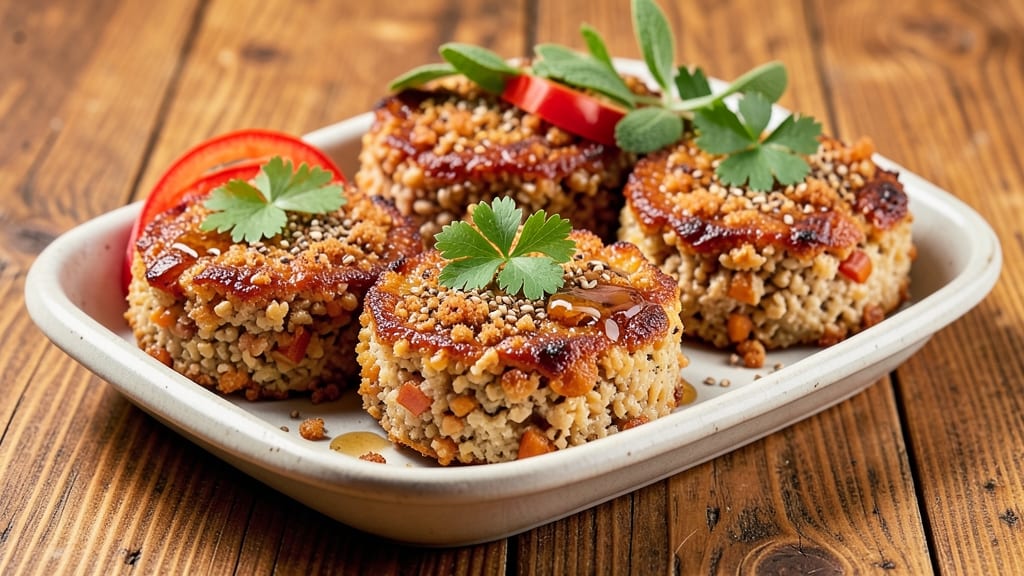
This sweet potato quinoa cakes recipe transforms humble ingredients into a crispy-edged, herb-infused side dish that stands up to any main course. 🌱 The secret lies in blending roasted sweet potatoes with cooked quinoa—a perfect marriage of earthy sweetness and nutty texture.
I developed this recipe after searching for a plant-based alternative that delivered restaurant-quality crunch without relying on processed binders.
What makes these cakes special is their versatility—they work equally well as a savory side for roasted meats or a sweet breakfast component when paired with maple glaze. The batter requires no special equipment, just a food processor and baking sheet, making it accessible for home cooks.
Baked until golden and crispy on the outside with a tender interior, these cakes hold their shape beautifully while absorbing flavors like a sponge.
By the time they emerge from the oven, you'll have perfectly portioned, herb-infused bites that balance sweetness with savory depth. The quinoa adds protein and texture, while roasted sweet potatoes contribute natural sweetness that caramelizes slightly during baking.
This recipe serves 4 as a side dish, but the leftovers reheat wonderfully—ideal for meal prep or holiday gatherings.
For extra flair, top with toasted pumpkin seeds or a drizzle of tahini before serving. The possibilities for customization are endless, from adding smoked paprika for depth to mixing in diced apples for sweet variations. Let's get baking!
Ingredients for sweet potato quinoa cakes
Humble ingredients blend into crispy-edged, herb-infused cakes with restaurant-quality texture and plant-based integrity.
| Ingredient | Amount | Notes |
|---|---|---|
| Medium Sweet Potatoes 🍠 | 2 whole | Peeled and cubed (1-inch pieces) |
| Cooked Quinoa 🌾 | 2 cups | Uncooked weight, cooled completely |
| Fresh Parsley 🌿 | ½ cup | Chopped, stems removed |
| Fresh Sage Leaves 🌿 | ¼ cup | Chopped, finely |
| Extra-Firm Tofu 🥬 | ½ cup | Crumbled, pressed |
| Ground Flaxseed 🌾 | 2 tbsp | Mixed with 6 tbsp water for binder |
| Nutritional Yeast 🧀 | ¼ cup | For umami depth |
| Extra-Virgin Olive Oil 🫒 | ¼ cup | Cold-pressed, fruity |
| Diamond Crystal Kosher Salt 🧂 | 1 tsp | Fine grain preferred |
| Ground Black Pepper 🌶️ | ½ tsp | Freshly ground |
| Smoked Paprika 🌶️ | 1 tsp | For depth of flavor |
| Pumpkin Seeds 🥜 | ¼ cup | Toasted, for topping |
| Tahini 🥄 | 2 tbsp | For drizzling (optional) |
The sweet potatoes are the foundation—choose vibrant orange varieties like Jewel or Garnet for natural sweetness. Roast them until tender (about 25 minutes at 400°F), then cube while still warm to preserve texture. Trader Joe's and Whole Foods carry excellent organic options, but any fresh sweet potato works. For the quinoa, white or tricolor varieties yield the best texture, and cooking it in vegetable broth adds subtle flavor. Let both ingredients cool completely before mixing to prevent a gummy batter. The flax binder is non-negotiable here—it's what gives these cakes their structure without eggs.
No fresh parsley? Dried parsley at one-third the amount works in a pinch, though it loses some brightness. Substitute fresh thyme or rosemary for sage if needed—just halve the quantity. For extra protein, add 0.5 cup cooked lentils to the batter. The nutritional yeast can be skipped if you're avoiding it, but it's what gives that savory depth. If you prefer a sweeter version, add 1 tbsp maple syrup to the batter. The pumpkin seeds can be swapped for sunflower seeds or chopped walnuts—just toast them first for maximum crunch.
Store baked cakes in an airtight container between layers of parchment paper to maintain crispiness. They keep for 4-5 days at room temperature or 2 weeks refrigerated. For longer storage, freeze portions for up to 3 months. Reheat in a 350°F oven for 5-7 minutes to restore crispiness. These reheat beautifully—ideal for meal prep. The tahini drizzle adds richness, but a sprinkle of smoked sea salt works just as well for a savory finish.
Why You'll Love This Recipe
- One-Bowl Wonder: I swear by this recipe when I’m too tired to measure a dozen ingredients. Just mash the sweet potatoes, mix in the quinoa and crumbled tofu, then fold in those bright herbs—no fancy equipment, no stress.
- Herb-Packed Punch: That combo of parsley and sage? It’s like a little flavor explosion in every bite. The tofu adds a satisfying chew, while the sweet potato keeps it hearty but not heavy—trust me, it’s the kind of taste that lingers.
- Meal Prep MVP: Make a batch on Sunday, and you’ve got grab-and-go breakfasts or lunches all week. They reheat beautifully (or eat cold—no judgment) and keep well in the fridge. Honestly, I’ve had these for days, and they’re still delicious.
- Budget-Friendly Feast: Sweet potatoes and quinoa stretch further than you’d think, and tofu is a wallet-friendly protein. Plus, you can swap in whatever herbs you have—no need for fancy ingredients. It’s filling, nourishing, and won’t break the bank.
Step-by-step instructions for herb-infused sweet potato quinoa cakes
Transform humble ingredients into golden, herb-scented cakes with crisp edges and tender centers.
🍳 Step 1: Create the Flavor Base and Binder
In a medium bowl, whisk together the 2 tablespoons ground flaxseed with 6 tablespoons water to form a gel-like binder. Let it sit for 5 minutes while you prepare the remaining ingredients—this gives the flaxseed time to fully thicken. In a separate large bowl, combine the 2 cups cooked quinoa, 0.5 cup crumbled extra-firm tofu, 0.25 cup nutritional yeast, 1 teaspoon smoked paprika, 0.5 teaspoon ground black pepper, and 1 teaspoon diamond crystal kosher salt. The quinoa should be completely cooled to prevent the cakes from becoming gummy.
This is where the magic happens—the quinoa provides structure while the tofu adds creaminess. The nutritional yeast brings that savory umami depth that elevates these cakes from simple to extraordinary. Don't skip the cooling step; warm quinoa releases excess moisture that will make your cakes dense instead of light.
👨🍳 Step 2: Incorporate Herbs and Sweet Potatoes
Gently fold in the 2 whole medium sweet potatoes (previously peeled and cubed into 1-inch pieces) using a silicone spatula. Add the 0.5 cup chopped fresh parsley and 0.25 cup finely chopped fresh sage leaves, mixing just until evenly distributed. The herbs should be visible throughout the mixture—this ensures each bite delivers that fragrant herbal punch. If the mixture seems too dry, add 1 tablespoon extra-virgin olive oil at a time until it reaches a thick, spreadable consistency that holds together when pressed.
Here's the thing—sweet potatoes release moisture as they cook, so you want the initial mixture to be slightly thicker than you think. You can always add more olive oil if needed, but you can't remove excess moisture later. The cubes should be evenly distributed but still visible, creating pockets of sweetness that contrast with the earthy quinoa base.
🥘 Step 3: Form and Toast the Cakes
Preheat your oven to 375°F and line a baking sheet with parchment paper. Using slightly wet hands (dip in water and wipe off excess), form the mixture into 4 equal patties about ¾-inch thick. Place them on the prepared baking sheet and lightly brush the tops with 1 tablespoon extra-virgin olive oil. Sprinkle each cake generously with 0.25 cup toasted pumpkin seeds, pressing them gently into the surface. This creates both texture and flavor contrast.
Transfer the baking sheet to the preheated oven and bake for 25-30 minutes, flipping once halfway through at the 15-minute mark. You'll know they're done when the edges are deep golden brown and a toothpick inserted comes out clean. The internal temperature should reach 205°F—this ensures they're fully cooked through without drying out. Don't overcrowd the pan; you want proper air circulation for even browning.
🔥 Step 4: Finish with Optional Tahini Drizzle
Let the cakes rest on the baking sheet for 5 minutes before transferring to a wire rack. This resting period allows the juices to redistribute, preventing them from becoming soggy. While they cool, prepare the optional tahini drizzle by whisking together 2 tablespoons tahini with 1 teaspoon water until smooth. Drizzle lightly over the warm cakes just before serving, or serve on the side for dipping.
The tahini adds a nutty richness that complements the sweet potatoes and herbal notes. For extra flair, garnish with additional fresh parsley or a sprinkle of smoked paprika. These cakes hold up beautifully at room temperature for 2-3 hours, making them perfect for meal prep or serving at gatherings where you want to impress with minimal effort.
Pro Tips For Making Sweet Potato Quinoa Cakes
- ROAST SWEET POTATOES UNTIL SOFT: Don’t rush the roast—aim for a fork-tender center, not just caramelized edges. I used to pull them at 20 minutes, but they’d turn to mush when mixed with quinoa. Bake at 400°F (200°C) for 25-30 minutes, then let cool slightly before mashing. The residual heat finishes cooking while you prep the rest.
- DRAIN TOFU WELL: Press the extra-firm tofu for at least 15 minutes—no shortcuts. I tried skipping this once, and the cakes ended up soggy. Wrap it in a clean towel, place a heavy pan on top, and flip halfway. The drier the tofu, the better it binds with the quinoa and sweet potato.
- CHOP HERBS FINE: Don’t just toss in whole sage leaves or parsley stems—they’ll sit like twigs in your cakes. Pulse them in a food processor for 2-3 seconds or chop them by hand until they’re almost paste-like. This distributes flavor evenly and prevents texture surprises.
- TEST BATTER CONSISTENCY: The mix should hold together when pressed but not be gluey—like wet sand. If it’s too loose, add 1-2 tablespoons of cooked quinoa; if too stiff, mix in a splash of unsweetened almond milk. I learned this after my first batch fell apart when frying. A spoonful of flaxseed meal also helps if you’re worried about binding.
Common mistakes when making your sweet potato quinoa cakes
Overmixing the Batter
Resist the urge to overmix once you've added the sweet potatoes and herbs—the goal is to distribute ingredients evenly without breaking down the quinoa's texture. Overmixing releases excess starch from the sweet potatoes, which can make your cakes dense and gummy.
I've found that mixing just until the herbs are evenly visible (about 10-12 gentle folds) creates the perfect balance of structure and tenderness. Use a silicone spatula to lift and turn the mixture rather than stirring vigorously. 🥄
Skipping the Resting Period
The 5-minute rest after baking is non-negotiable if you want crispy edges that stay crispy. When you remove cakes from the oven, their internal temperature is still high, and the residual heat continues cooking them slightly. This resting time allows moisture to redistribute, preventing soggy centers.
I've learned this the hard way—skipping it results in cakes that lose their crunch within minutes of serving. Let them rest on the baking sheet before transferring to a rack.
Uneven Thickness in Cakes
Inconsistent thickness leads to uneven cooking—thicker areas stay undercooked while thinner edges burn. Aim for ¾-inch thickness throughout each cake by pressing firmly but evenly when shaping. I use a kitchen scale to divide the batter into 4 equal portions (about 12 ounces each) before forming, which ensures uniformity.
For extra precision, use a ¼-inch thick spatula to check thickness before baking. Uneven cakes often result from rushed shaping—take your time here for professional results.
Using Warm Ingredients
Warm sweet potatoes or quinoa introduce excess moisture that disrupts the batter's structure. Always let both ingredients cool completely before mixing—this prevents a gummy, unstable batter that won't hold its shape. I've had cakes fall apart during baking when I skipped this step.
Place cooked sweet potatoes and quinoa on a wire rack for 10 minutes after cooking to accelerate cooling. The flax binder works best when the base ingredients are at room temperature, allowing it to properly gel and create structure.
Overcrowding the Pan
Placing cakes too close together blocks airflow, leading to uneven browning and steamed centers. Leave at least 1 inch of space between each cake on the baking sheet. I use a half-sheet pan (13x18 inches) and arrange cakes in a single layer with room to expand.
Overcrowding forces heat to concentrate in one area, causing some cakes to cook faster than others. For best results, bake only 2 cakes at a time if your pan is smaller, rotating the pan halfway through for even browning.
Ignoring the Internal Temp
Relying solely on visual cues can lead to undercooked centers or over-browned exteriors. Use a meat thermometer to check for an internal temperature of 205°F—this ensures the cakes are fully cooked through without drying out.
I've seen cakes that looked perfectly golden on the outside but were still raw inside. The 15-minute flip is crucial for even cooking, but always verify with a thermometer. For extra insurance, insert the thermometer into the thickest part of each cake before removing from the oven.
Nutrition facts
Frequently asked questions
Can I make these sweet potato quinoa cakes gluten-free?
This recipe is naturally gluten-free since it relies on quinoa and sweet potatoes as the base ingredients. The flaxseed binder also provides a safe alternative to wheat flour. Just ensure all your pantry staples (like nutritional yeast and spices) are certified gluten-free if you're highly sensitive. The texture remains perfectly crispy and holds together beautifully without any gluten-containing ingredients.
How do I store leftovers to keep them crispy?
Store baked cakes in an airtight container between layers of parchment paper to maintain crispiness. They'll stay fresh for 4-5 days at room temperature or 2 weeks refrigerated. For longer storage, freeze portions for up to 3 months. To restore crispiness, reheat in a 350°F oven for 5-7 minutes—this works better than microwaving. The parchment paper prevents them from sticking together while keeping moisture out.
Can I make these cakes sweeter for breakfast?
Yes! For a sweet breakfast version, add 1 tablespoon maple syrup or 2 tablespoons applesauce to the batter. You can also top them with a maple-tahini glaze (mix 2 tbsp tahini with 1 tbsp maple syrup and 1 tsp lemon juice) before serving. The natural sweetness of the roasted sweet potatoes will complement these additions beautifully. Try pairing them with fresh berries or a dollop of coconut yogurt for a complete meal.
What's the best way to reheat these cakes?
The oven is your best friend for reheating—it restores that perfect crispy texture. Place cakes on a baking sheet and warm at 350°F for 5-7 minutes. For extra crunch, broil for 1-2 minutes at the end. Microwaving works in a pinch (30 seconds), but the texture becomes softer. If you're short on time, sprinkle with a little water and cover with a paper towel while microwaving to help retain some crispiness. The key is quick, dry heat!
Can I substitute quinoa with another grain?
While quinoa provides the perfect texture and protein, you can try cooked brown rice or millet in a pinch. For best results, use a 1:1 substitution by volume and let the grain cool completely. Avoid white rice—it lacks the nutty flavor and binds differently. The cakes will still hold together, but the texture may be slightly less crispy. If you want extra binding power, add 1 extra tablespoon flax binder to compensate.