
Side Dishes
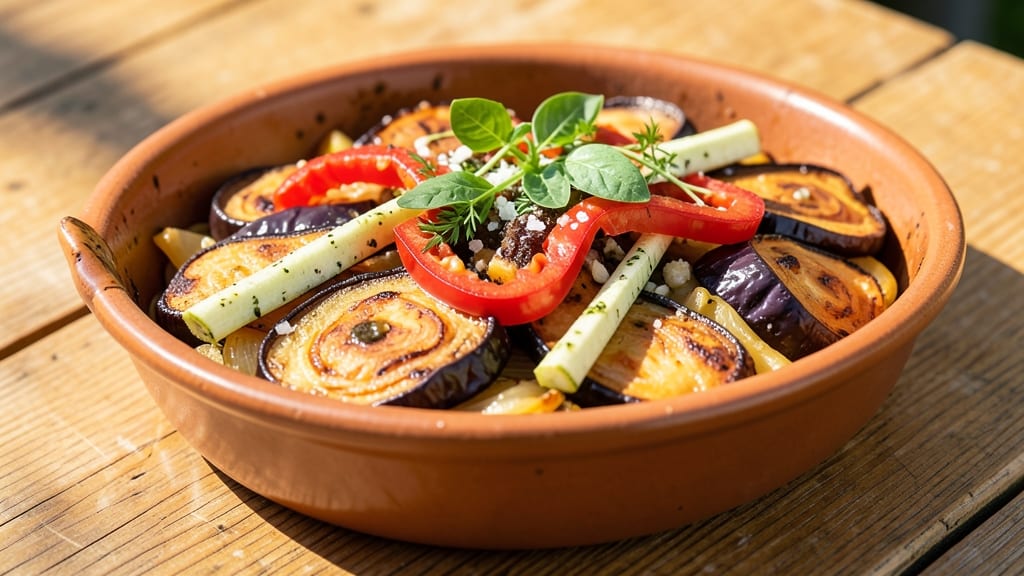
This sweet potato ratatouille recipe transforms a classic Provençal dish into a vibrant, hearty medley where roasted sweet potatoes add natural sweetness and depth. 🌟 The key lies in roasting vegetables separately to concentrate flavors before gently simmering them together—a technique that preserves texture while building complex layers of taste.
I developed this version after realizing how much sweet potatoes elevate the dish's natural earthiness, making it feel both nostalgic and fresh.
The process is simpler than it sounds: chop vegetables into even pieces, roast until caramelized, then combine with fresh herbs and a touch of tomato paste for richness. This method ensures tender yet crisp edges on the sweet potatoes while keeping the eggplant and zucchini perfectly al dente.
The result is a dish that's equally satisfying as a vegetarian main or side, with enough depth to stand alone or complement grilled meats.
What sets this apart is the balance of textures—creamy sweet potatoes, tender eggplant, and slightly charred zucchini—all bound by a fragrant herb sauce. The recipe adapts easily to dietary needs: swap butter for olive oil, use vegetable broth, and add nutritional yeast for a vegan-friendly version without sacrificing flavor.
It's the kind of dish that improves as leftovers, with flavors melding beautifully overnight.
Serve it at room temperature with crusty bread to soak up every last bit of that aromatic sauce, or pair it with grilled chicken for a complete meal.
The beauty of ratatouille lies in its versatility—this sweet potato twist proves you can modernize classics while keeping their soul intact. Ready to make it?
Ingredients for sweet potato ratatouille
Roasted vegetables and aromatic herbs create this hearty vegetarian dish with Provençal flair.
| Ingredient | Amount | Notes |
|---|---|---|
| Sweet Potatoes 🍠 | 2 lbs | Medium size, peeled and cubed |
| Eggplant 🍆 | 1 large | Cut into 1-inch cubes |
| Zucchini 🥒 | 2 medium | Sliced into 1/2-inch rounds |
| Red Bell Pepper 🌶️ | 1 whole | Seeded and sliced into strips |
| Yellow Onion 🧅 | 1 whole | Thinly sliced |
| Garlic Cloves 🧄 | 4 cloves | Minced |
| Tomato Paste 🍅 | 2 tbsp | High-quality, no sugar added |
| Extra-Virgin Olive Oil 🫒 | ½ cup | For roasting and finishing |
| Fresh Thyme 🌿 | ¼ cup | Leaves only, chopped |
| Fresh Basil 🌿 | ¼ cup | Leaves only, torn |
| Vegetable Broth 💧 | 1 ½ cups | Low-sodium preferred |
| Salt 🧂 | 1 ½ tsp | Diamond Crystal preferred |
| Black Pepper 🌶️ | ½ tsp | Freshly ground |
| Crusty Bread 🍞 | 2 slices | For serving |
Sweet potatoes are the star here—organic or heirloom varieties have the best flavor. Grab them from Whole Foods or your local farmers market for vibrant color and sweetness. The eggplant should be firm and heavy for its size, avoiding any with soft spots. Zucchini and bell peppers? Trader Joe's usually has the best selection at the end of summer. Fresh herbs are non-negotiable for that bright flavor, so if you're buying basil or thyme, check the stems—wilting means it's past its prime. For the tomato paste, San Marzano is ideal, but any good quality paste will work.
No fresh thyme? Dried works at one-third the amount, but honestly, it's worth tracking down fresh for this dish. Running low on olive oil? Avocado oil is a great substitute, though it won't have the same fruity notes. The vegetable broth can be homemade or a low-sodium store-bought version—just rinse the bouillon cube if using. For extra richness, stir in 1 tbsp nutritional yeast when combining the vegetables. And if you're short on time, roast the sweet potatoes and eggplant together—they cook at similar rates and their flavors complement beautifully.
This dish tastes even better the next day as flavors meld. Store leftovers in an airtight container for up to 5 days in the fridge. For longer storage, portion into glass containers and freeze for 3 months. The crusty bread? Toast it lightly to keep it fresh longer. Serve at room temperature with a drizzle of the roasting juices—trust me, it's worth the extra minute to let everything come to temperature. The sweet potatoes will be even more tender and the flavors more harmonious.
Why You'll Love This Recipe
- One-Pan Magic: I swear by this—no chopping board chaos, no crowded stove. Toss everything onto one sheet pan, roast until the sweet potatoes caramelize at the edges, and boom. Cleanup is just a wipe-down and a load for the dishwasher. (Yes, even on a Tuesday night.)
- Sweet & Smoky Depth: That roasted sweet potato brings a natural caramel sweetness, while the eggplant soaks up the garlic and herbs like a sponge. The bell pepper adds just enough brightness to cut through the richness—honestly, it’s the kind of flavor that makes you pause mid-bite.
- Leftover Goldmine: This dish actually improves the next day. The flavors meld into something even richer, and it reheats beautifully—perfect for lunchboxes or a quick assembly-line dinner. My kids beg for it cold, too, wrapped in a tortilla. (Don’t tell them I’m sneaking veggies.)
- Budget-Friendly Flex: You’re getting a full meal’s worth of veggies for pennies—no fancy ingredients, just seasonal staples. Swap in whatever’s on sale (extra zucchini? More onions?) and it still works. Between us, this is my go-to when I’m trying to stretch groceries without sacrificing taste.
Step-by-step instructions for sweet potato ratatouille
Here's how to transform simple vegetables into a rich, flavorful medley with perfect texture and depth.
🔥 Step 1: Roast Vegetables Until Caramelized
Preheat your oven to 425°F and line two large baking sheets with parchment paper. Spread the 2 lbs sweet potatoes, 1 large eggplant, 2 medium zucchini, and 1 whole red bell pepper in single layers on the sheets. Drizzle everything with ¼ cup of the ½ cup extra-virgin olive oil and sprinkle with ½ tsp salt and ¼ tsp black pepper.
Roast for 25-30 minutes, stirring halfway, until the vegetables are tender and beginning to brown at the edges. You want them caramelized but not mushy—this builds the foundation for your ratatouille's rich flavor. The sweet potatoes should be fork-tender while still holding their shape.
🍳 Step 2: Sauté Onion, Garlic, and Tomato Paste
While the vegetables roast, heat ¼ cup extra-virgin olive oil in a large Dutch oven over medium heat. Add the 1 whole yellow onion and cook for 5-6 minutes until softened and translucent. Add the 4 cloves minced garlic and cook for 30 seconds until fragrant—don't let it brown or it'll turn bitter.
Stir in the 2 tbsp tomato paste and cook for 1-2 minutes until it darkens slightly. This creates a rich, concentrated base that will carry all the roasted vegetable flavors. Keep the heat at medium to prevent burning while you prepare the next components.
🥘 Step 3: Combine Roasted Vegetables and Simmer
Add the roasted vegetables to the Dutch oven along with the 1.5 cups vegetable broth. Stir gently to combine, then bring to a simmer over medium-low heat. The mixture should bubble gently but not vigorously—you're looking for 15-20 minutes of cooking time until the vegetables are tender and the liquid has reduced by about half.
Here's the thing—don't stir constantly. Let the vegetables develop their own caramelized spots on the bottom of the pot. This creates layers of flavor that make the dish truly special. You'll know it's ready when the vegetables are fork-tender and the sauce has thickened to a rich consistency.
👨🍳 Step 4: Finish with Herbs and Season
Remove the ratatouille from heat and stir in the ¼ cup chopped fresh thyme and ¼ cup torn fresh basil. Let it sit for 5 minutes to allow the herbs to infuse their bright flavors. Taste and adjust seasoning with additional salt and black pepper if needed—this is where you ensure perfect balance.
The herbs should brighten the earthy sweetness of the sweet potatoes and add freshness to the rich tomato base. The dish should sing with complex flavors—sweet, savory, and slightly tangy all at once. If the texture seems too thick, add a splash of water or broth to reach your desired consistency.
🍽️ Step 5: Serve with Crusty Bread
Transfer the ratatouille to serving bowls and let it rest for 5 minutes before serving. This resting period allows all the flavors to meld together perfectly. Serve immediately with the 2 slices crusty bread on the side for dipping or scooping up the rich vegetable medley.
The bread will soak up all that delicious sauce while providing a satisfying contrast to the tender vegetables. Each bite should deliver a perfect balance of textures—creamy sweet potatoes, tender eggplant, crisp bell pepper, and the rich tomato-herb sauce that ties it all together.
Pro Tips For Making Sweet Potato Ratatouille
- CHAR THE SWEET POTATOES FIRST: I learned this the hard way—roasting the sweet potatoes before adding them to the ratatouille keeps them from turning to mush. Cut them into 1-inch cubes, toss with olive oil, salt, and a pinch of smoked paprika, then roast at 400°F (200°C) for 20-25 minutes until tender but still holding shape. They’ll add natural sweetness and texture no other method matches.
- SALT THE EGPLANT LIKE IT’S 1950: Skip the fancy salting tricks, but don’t skip salting at all. After slicing the eggplant, sprinkle it with 1 teaspoon of kosher salt per pound and let it sit for 10 minutes. Pat it dry with paper towels—this removes excess moisture and guarantees crisp edges when seared. Wet eggplant = sad, soggy ratatouille.
- START LOW, END HOT: This isn’t a race. Sauté the onions and peppers on medium-low heat for 8-10 minutes until they’re deeply softened but not browned—you’re building flavor, not caramelizing yet. Only when everything’s added do you crank the heat to medium-high to blister the zucchini and eggplant. Rushing the initial cook makes the whole dish taste raw.
- DICE THE PEPPERS SMALL: I used to cut them into thick strips, thinking it looked prettier. Wrong. For this dish, chop the red bell pepper into ¼-inch dice—same as the onion. Smaller pieces cook faster, integrate better, and let the sweet potatoes shine without competing for attention. Uniform size = even texture, every time.
Dietary considerations for this recipe
Vegan-Friendly Adaptations
This sweet potato ratatouille is already vegetarian, but making it fully vegan is simple! Swap the extra-virgin olive oil for avocado oil if you prefer, though olive oil works perfectly fine.
For extra richness, stir in 1 tablespoon nutritional yeast when combining the vegetables—it adds a cheesy, umami depth without dairy. 🌱
Use vegetable broth (already in the recipe) and ensure your tomato paste is vegan—San Marzano is typically vegan-friendly, but always check labels. The crusty bread can be any vegan variety, like a sourdough or baguette from your local bakery.
I love pairing it with a simple balsamic glaze for extra tang.
Gluten-Free Considerations
This recipe is naturally gluten-free, but watch your bread choice! Opt for gluten-free crusty bread or serve with roasted potatoes instead. The sweet potatoes and other vegetables contain no gluten, so the main concern is the bread or any potential cross-contamination if using shared utensils or surfaces.
For extra security, use certified gluten-free olive oil (like Primal Kitchen) and check your vegetable broth label—some brands add gluten as a thickener. The dish itself is safe, but always verify ingredients if you're highly sensitive to gluten.
Low-Carb Options
To reduce carbs, skip the bread entirely and serve the ratatouille over a bed of arugula or spinach. The sweet potatoes are the main carb source, so you could replace 1 lb with 1 lb of cauliflower (cut into similar cubes) for a lower-carb version.
The texture will be slightly different, but the flavor remains rich and satisfying.
For a keto-friendly twist, reduce the sweet potatoes to 1 lb and add ½ lb of mushrooms (sliced) to the roasting tray. Mushrooms absorb flavors beautifully and add a meaty texture. Just be mindful of the tomato paste—stick to 2 tbsp or less to keep carbs in check.
Allergen Awareness
This recipe contains no common allergens like nuts, dairy, or eggs. However, always double-check your vegetable broth for hidden additives—some brands include soy or wheat. If you're allergic to sulfites, opt for fresh herbs over dried, as dried thyme often contains preservatives.
For cross-contamination safety, use separate utensils and cutting boards if preparing alongside allergens like shellfish or gluten-containing foods. The dish itself is allergen-friendly, but kitchen practices matter when sharing spaces.
Nutrition facts
Frequently asked questions
Can I use regular potatoes instead of sweet potatoes?
While you can substitute regular potatoes, you'll lose the natural sweetness and vibrant color that sweet potatoes bring to this dish. Sweet potatoes add a caramelized depth that pairs beautifully with the other roasted vegetables. If you must use regular potatoes, try Yukon Golds—they'll hold their shape better than russets during roasting.
How do I prevent the eggplant from getting too mushy?
Salt the eggplant cubes 10 minutes before roasting to draw out excess moisture, then pat them completely dry. Roast at 425°F for 25-30 minutes until tender but still holding their shape. Avoid overcrowding on the baking sheet—leave space between pieces for even browning.
Can I make this ahead of time?
This dish actually tastes better the next day as flavors meld together. Store in an airtight container in the fridge for up to 5 days. Reheat gently on the stove with a splash of water or broth to restore moisture. The texture will be even creamier after resting overnight.
What if I don't have a Dutch oven?
Any large, heavy pot with a lid will work—even a deep skillet or enameled cast iron. The key is to have enough surface area for the vegetables to develop those beautiful caramelized spots. If your pot is too shallow, reduce the recipe by half to prevent overflowing during simmering.
How can I make this dish more flavorful?
For extra depth, add 1 tsp smoked paprika when roasting the vegetables or stir in 1 tbsp balsamic vinegar at the end. A pinch of red pepper flakes or a sprinkle of feta cheese (if not vegan) also elevates the dish. Freshly cracked black pepper and a final drizzle of high-quality olive oil before serving make all the difference.