
Side Dishes
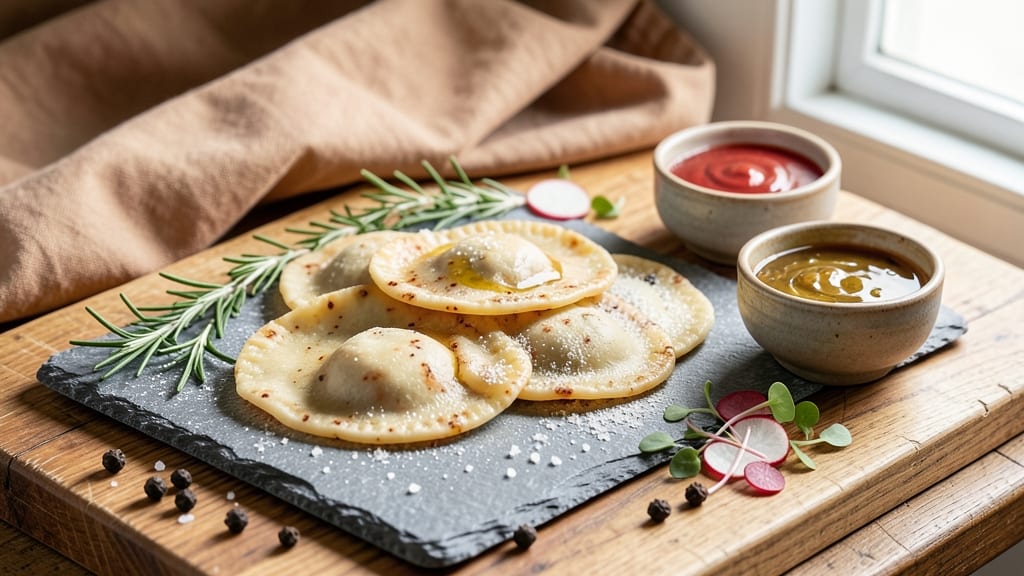
This sweet potato ravioli dough recipe transforms humble ingredients into velvety, no-cook pasta that’s naturally sweet and rich. 🌟 The secret lies in blending roasted sweet potatoes with flour and eggs, creating a dough that’s soft yet sturdy enough to shape into delicate ravioli.
Unlike traditional pasta, this version requires no boiling—just pan-fry or bake for a tender, golden result that pairs beautifully with savory or sweet fillings.
The dough’s velvety texture comes from properly cooked sweet potatoes, which replace water in the mix while adding natural sweetness. No special tools are needed—just a rolling pin and pasta cutter (or knife) for classic shapes.
The recipe yields enough dough for about 20 ravioli, making it perfect for small gatherings or meal prep. For extra flavor, infuse the dough with herbs or spices before shaping.
Once shaped, these ravioli can be pan-fried in olive oil until golden or baked for a lighter finish. The result? A dish that’s comforting yet elegant, with a subtle sweetness that balances rich fillings like ricotta, goat cheese, or even caramelized onions.
It’s the kind of recipe that feels special without requiring advanced skills—just patience and a little practice.
This method works equally well for vegetarian meals or as a side to roasted meats. The dough keeps well in the fridge for up to 3 days, so you can prep ahead and enjoy fresh ravioli whenever the mood strikes. Ready to try? Let’s get shaping!
Ingredients for sweet potato ravioli dough
Eight simple ingredients create velvety dough perfect for delicate ravioli without boiling.
| Ingredient | Amount | Notes |
|---|---|---|
| Large Sweet Potatoes 🍠 | 2 whole | Organic preferred, peeled and cubed |
| All-Purpose Flour 🌾 | 2 cups | Plus 2 tbsp for dusting |
| Large Eggs 🥚 | 2 whole | Room temperature for best mixing |
| Extra-Virgin Olive Oil 🫒 | 2 tbsp | For roasting sweet potatoes |
| Salt 🧂 | ½ tsp | Diamond Crystal preferred |
| Ground Black Pepper 🌶️ | ¼ tsp | Freshly ground for flavor |
| Fresh Rosemary 🌿 | ½ tsp | Finely chopped, optional for flavor |
| Granulated Sugar 🍚 | 1 tbsp | For caramelization |
The sweet potatoes are the foundation—organic varieties like Beauregard stay moist when roasted. Whole Foods or local farms often carry them with vibrant orange flesh. Roast them until tender (about 450°F for 30 minutes), then mash until completely smooth—no lumps. The flour should be all-purpose, not bread flour—this keeps the dough tender. I always grab extra flour since it’s the only thing that might need adjusting for humidity. For the eggs, room temperature ensures even blending with the potato mixture. Skip the rosemary if you prefer neutral flavor, but it adds a lovely earthy note that pairs perfectly with sweet fillings like ricotta or goat cheese.
No sweet potatoes? Roasted butternut squash works in a pinch—just increase the flour slightly since squash has more moisture. Short on eggs? Flax eggs (2 tbsp ground flax + 6 tbsp water = 1 egg) replace them 1:1, though texture will be slightly denser. The olive oil can be swapped for avocado oil if you prefer a neutral taste. For extra richness, add 1 tbsp vegan butter to the dough, but keep it at room temperature. The sugar is optional—omit if you want a completely neutral base, but it helps with caramelization when pan-frying. If your dough feels too sticky, add 1 tbsp more flour gradually until it comes together without sticking to your hands.
Store the dough wrapped tightly in plastic wrap for up to 3 days in the fridge. For longer storage, shape the ravioli and freeze them on a parchment-lined tray before transferring to a bag—they keep for 3 months this way. The dough is best used fresh, but even after freezing, the texture holds up beautifully when reheated. To use, simply thaw at room temperature for 30 minutes before cooking. These ravioli reheat best in a 350°F oven for 10-12 minutes until golden and crispy at the edges. The secret to perfect results? Let the dough rest for 20 minutes after mixing before rolling—this relaxes the gluten and makes shaping easier.
Why You'll Love This Recipe
- No Boil Required: I roast the sweet potatoes first—they get tender and caramelized, so the dough never tastes starchy or heavy. Just mash, mix, and roll. That’s it.
- Naturally Sweet, No Sugar Needed: The roasted sweet potatoes bring their own honeyed depth, cutting through the richness of the egg and olive oil. Honestly, the first time I tasted it, I thought, "Why add sugar when this is already dessert-level?"
- Weeknight to Dinner Party: Same dough, endless possibilities. Keep it simple with brown butter and sage, or dress it up for guests with truffle oil and pecorino. My kids eat it plain with marinara; my in-laws ooh and ahh over the fancy version.
- Pantry Staples Only: Flour, eggs, and a sweet potato? That’s your whole grocery list. Between us, I’ve made this three times in a row when I forgot to meal prep—zero waste, zero guilt.
Step-by-step instructions for sweet potato ravioli dough
Transform simple ingredients into velvety, naturally sweet pasta dough with this foolproof method.
🔥 Step 1: Roast Sweet Potatoes Until Tender
Preheat your oven to 400°F and line a baking sheet with parchment paper. Toss the 2 whole Large Sweet Potatoes (peeled and cubed) with 2 tbsp Extra-Virgin Olive Oil, 0.5 tsp Salt, 0.25 tsp Ground Black Pepper, and 1 tbsp Granulated Sugar. Spread them in a single layer—they need room to roast evenly.
Roast for 30-35 minutes until the cubes are fork-tender with slightly caramelized edges. You'll know they're ready when they yield to gentle pressure and have developed a golden hue. Let them cool completely before processing—this prevents excess moisture in your dough.
👨🍳 Step 2: Process Roasted Sweet Potatoes into a Smooth Purée
Transfer the cooled sweet potato cubes to a food processor fitted with the metal blade. Pulse until completely broken down, then stop to scrape down any stuck bits from the sides. Process again until you achieve a completely smooth, velvety purée with no lumps.
This step is crucial—any remaining texture will create grainy dough. If the purée feels too thick, add 1-2 teaspoons of water to help it blend smoothly. The final consistency should resemble thick hummus. Set aside to cool completely before mixing with other ingredients.
👨🍳 Step 3: Mix Dough Components to Perfect Elasticity
In a large mixing bowl, combine the cooled sweet potato purée with 2 cups All-Purpose Flour, 0.5 tsp Salt, 0.25 tsp Ground Black Pepper, and 0.5 tsp Fresh Rosemary. Use a wooden spoon to break up any flour lumps and create a shaggy dough. Add 2 whole Large Eggs one at a time, mixing well after each addition.
Once combined, turn the dough onto a lightly floured surface and knead for 8-10 minutes until smooth and elastic. You're looking for a dough that springs back slightly when pressed but doesn't stick to your fingers. If it feels too sticky, add 1 tablespoon of flour at a time until it reaches the right consistency. Wrap tightly in plastic and rest for 30 minutes at room temperature.
⏰ Step 4: Roll and Cut for Perfect Ravioli
After resting, divide the dough into 4 equal portions (about 4 ounces each). Using a rolling pin, roll each portion into thin sheets—about 1/16-inch thick. For even thickness, roll from the center outward, rotating the dough as you go. Dust your rolling surface and pin with 2 tbsp All-Purpose Flour for dusting as needed to prevent sticking.
Cut the sheets into 3-inch squares using a sharp knife or pizza cutter. For classic ravioli, place small fillings (like ricotta or spinach) in the center of each square, then fold and press the edges with a fork to seal. If making plain sweet potato ravioli, simply cut the rolled sheets into desired shapes. Cook immediately or freeze between parchment paper for later use.
Pro Tips For Making Sweet Potato Ravioli Dough
- Boil Potatoes Till Fork-Tender: Sweet potatoes should collapse like overcooked spuds when pierced—not just soft, but mushy inside. I learned this the hard way when my first batch held its shape, and the dough turned out dense and chewy. Aim for 20-25 minutes in salted water, then drain and let them steam-dry for 5 minutes before mashing.
- Cool Mash Before Mixing: Hot mashed sweet potatoes make the dough gummy. Spread the mash on a tray and refrigerate for 15 minutes—this isn’t optional. I used to skip it, and the dough always stuck to my hands and the counter. Cold mash = smooth dough that behaves.
- Weigh the Flour: Scooping flour from the bag guarantees inconsistency. Use a kitchen scale for the dough—start with 300g and adjust by 20g increments. My first few batches were either too stiff or too sticky because I eyeballed it. Precision here makes all the difference when rolling and cutting.
- Rest the Dough Twice: First, let it sit covered for 30 minutes after mixing—this relaxes the gluten. Then, after rolling, refrigerate the sheets for 10 minutes before cutting shapes. I skipped the second rest once and ended up with ravioli that fell apart in the pot. Patience here = perfect pillows.
Flavor customization for these flavors
Sweet and Savory Balance
Infuse your dough with 1 tsp cinnamon and ½ tsp nutmeg while mixing to create a warm, spiced flavor that pairs perfectly with sweet fillings like mascarpone or maple-glazed nuts.
For savory versions, add ½ tsp smoked paprika and ¼ tsp garlic powder—this works beautifully with ricotta or caramelized onion fillings. 🌶️
Herb Variations
Swap rosemary for ½ tsp dried thyme or 1 tbsp finely chopped sage for a more earthy profile. For a brighter twist, add 1 tbsp lemon zest and 1 tbsp fresh parsley—this cuts through the sweetness and adds a citrusy brightness. I love this variation with goat cheese fillings.
Spiced Maple Glaze
Brush cooked ravioli with a maple-glaze made by simmering 2 tbsp pure maple syrup, 1 tsp apple cider vinegar, and ¼ tsp cinnamon for 3 minutes. This adds a sticky, caramelized finish that enhances the natural sweetness of the dough. Perfect for vegetarian meals or dessert-inspired sides.
Nutty Twist
Fold 1 tbsp finely ground walnuts or pecans into the dough while kneading for a subtle nutty depth. This works especially well with sweet fillings like ricotta mixed with honey. For extra richness, toast the nuts in a dry pan before grinding—this intensifies their flavor.
Cheesy Infusion
Replace ½ cup of flour with ½ cup finely grated Parmesan (or nutritional yeast for vegan) to create a cheesy, umami-rich dough. This pairs wonderfully with savory fillings like roasted mushrooms or caramelized shallots. The cheese adds a satisfying bite that balances the sweet potato’s natural sweetness.
Citrus Zest Boost
Add 1 tbsp orange zest or lemon zest to the dough for a bright, citrusy note that cuts through richness. This works especially well with fillings like goat cheese or herbed ricotta.
For extra zing, add 1 tsp citrus juice while mixing—just be mindful of moisture levels if your kitchen is humid.
Nutrition facts
Frequently asked questions
Can I make this dough without roasting the sweet potatoes?
Roasting is key for the best texture! Steaming or boiling sweet potatoes will work in a pinch, but they won't develop the same caramelized sweetness or velvety consistency. If you're short on time, microwave the cubed sweet potatoes for 8-10 minutes (covered) until tender, then mash them thoroughly. The dough will be slightly less flavorful but still usable.
How do I prevent the dough from sticking while rolling?
Generously dust your work surface with all-purpose flour before rolling, and keep a small bowl of flour nearby to dust your rolling pin and dough as needed. For extra insurance, chill the dough for 15 minutes in the fridge before rolling—this firms it up and reduces stickiness. Work quickly and keep the dough covered with a damp towel when not in use.
What's the best way to cook these ravioli without boiling?
Pan-frying in olive oil over medium heat for 2-3 minutes per side until golden brown is ideal. For a lighter option, bake at 375°F for 12-15 minutes until edges are crisp. Avoid high heat—it can burn the outside before the center cooks. The dough's natural moisture helps create a tender texture without boiling.
Can I use this dough for other pasta shapes besides ravioli?
This dough works beautifully for fettuccine, tagliatelle, or even gnocchi-like dumplings. For ribbons, roll the dough as thin as possible and cut into strips. For dumplings, shape the dough into small balls and pan-fry until golden. The sweet potato flavor adds a unique twist to any shape—just adjust cooking times based on thickness.
Why did my dough turn out too dense or crumbly?
This usually happens when the sweet potato purée isn't smooth enough (leaving lumps) or the dough isn't kneaded long enough.