
Side Dishes
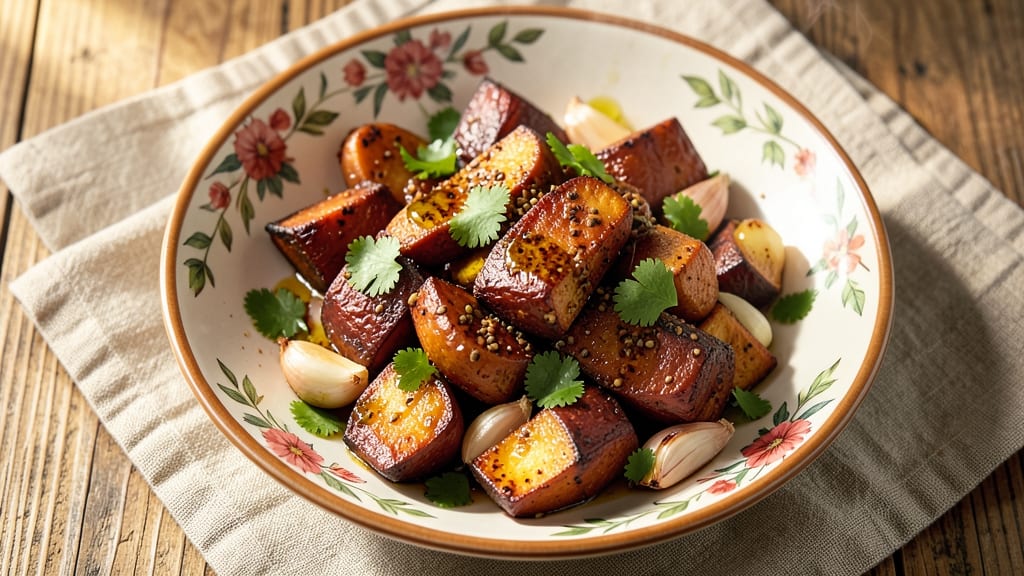
This sweet potato sabzi recipe transforms humble tubers into a vibrant, aromatic dish that balances earthy sweetness with bold spices. The secret lies in slow-roasting until edges caramelize to golden perfection, then finishing with fresh herbs that brighten every bite.
I developed this version after years of experimenting with traditional Indian sabzi techniques—where the magic happens in the spice blooming and precise timing. What sets this apart is the dual-texture approach: tender sweet potatoes with crispy, charred edges that add depth to each mouthful.
The spice blend—warm cumin, smoky paprika, and earthy turmeric—infuses the potatoes while keeping the dish light enough to pair with rice or roti. Fresh cilantro and lemon juice at the end cut through the richness, creating a perfect balance.
This method delivers restaurant-quality results with minimal effort: just 30 minutes of active prep followed by hands-off roasting. The aroma alone will have your kitchen smelling like a bustling Indian home kitchen, while the visual appeal of golden-brown potatoes makes it perfect for special meals or family gatherings.
Serve alongside basmati rice, garlic naan, or even as a hearty vegetarian main. The recipe scales effortlessly, making it ideal for weeknight dinners or festive occasions. Let’s create this flavorful centerpiece that’s both comforting and impressive.
Ingredients for sweet potato sabzi
Transform humble sweet potatoes into a vibrant sabzi with these aromatic ingredients.
| Ingredient | Amount | Notes |
|---|---|---|
| Sweet Potatoes 🍠 | 2 lb | Medium-sized, peeled and cubed |
| Extra-Virgin Olive Oil 🫒 | ¼ cup | High-quality, fruity variety |
| Ground Cumin 🌿 | 1 ½ tbsp | Freshly toasted for depth |
| Smoked Paprika 🌶️ | 1 tbsp | For smoky aroma |
| Turmeric Powder 🧂 | 1 tsp | Vibrant color and earthy flavor |
| Garlic Cloves 🧄 | 5 cloves | Minced for aromatic base |
| Fresh Ginger 🌿 | 1 tbsp | Grated, for zesty kick |
| Greek Yogurt 🥛 | ½ cup | Full-fat preferred |
| Fresh Cilantro 🌿 | ½ cup | Chopped, for brightness |
| Lemon Juice 🍋 | 2 tbsp | Freshly squeezed |
| Salt 🧂 | 1 ½ tsp | Diamond Crystal preferred |
| Black Peppercorns 🌶️ | ½ tsp | Freshly cracked |
| Basmati Rice 🍚 | 1 ½ cups | Uncooked, for serving |
The sweet potatoes are the foundation—choose firm, vibrant orange varieties for the best flavor. Whole Foods or local Indian markets often carry ideal tubers, but any quality grocery store will do. Peeled and cubed evenly, they'll roast to tender perfection with crispy edges. For the spices, Penzeys or bulk bins at natural food stores offer the freshest cumin and paprika, which are essential for that authentic sabzi depth. Toast your cumin seeds lightly in a dry pan before grinding for an extra layer of complexity—worth the extra minute.
No smoked paprika? Regular paprika plus a pinch of liquid smoke works in a pinch, though the flavor won't be identical. Substitute Greek yogurt with vegan yogurt if needed, but the full-fat version creates that signature creamy texture. Fresh ginger and garlic can be swapped for powders at half the amount, though fresh delivers far superior brightness. The cilantro should be vibrant green—wilted leaves mean diminished flavor. For the lemon, Meyer lemons add a subtle floral note, but regular lemons work perfectly fine. Salt measurements matter here—Diamond Crystal is less dense than table salt, so adjust if using a different brand.
Roasted sweet potatoes keep 3-4 days in the fridge, though they're best enjoyed fresh. Store in an airtight container with parchment between layers to prevent sogginess. The spice blend can be pre-toasted and stored in a jar for up to 3 months in a cool, dark place. For meal prep, roast a larger batch and reheat portions in a skillet with a splash of water to restore crispiness. This sabzi pairs beautifully with basmati rice, which should be cooked separately—1.5 cups uncooked yields about 4 servings. Freeze leftovers without the fresh herbs for up to 2 months—just add cilantro and lemon when reheating.
Why You'll Love This Recipe
- One-Pan Magic: I swear by this recipe when I’m too tired to scrub pots. Toss the cubed sweet potatoes in olive oil, sprinkle the spices, and let the oven do the work—no flipping, no fuss. The cumin and paprika caramelize right into the edges, so you end up with crispy bits even if you’re not a "perfect sear" kind of cook.
- Earthy Depth: That smoky paprika and turmeric? It’s like a warm hug for your taste buds. The sweet potatoes soak up the flavors while staying naturally sweet, but the spices give it this unexpected, savory punch—honestly, it’s the kind of dish that makes you pause mid-bite.
- Leftover Hero: This sabzi actually improves the next day. The flavors meld together, and the texture gets even better—soft but not mushy, with those crispy bits scattered throughout. I keep a container in the fridge for lazy mornings or quick lunches, and it’s always a hit.
- Budget Bright Spot: Sweet potatoes are my go-to for stretching meals without breaking the bank. A single bag lasts forever, and the spices cost pennies. Between us, this is the kind of recipe that makes grocery day feel like a win—nutritious, filling, and still feels special.
Step-by-step instructions for sweet potato sabzi with charred edges
Transform humble sweet potatoes into a vibrant, aromatic sabzi with smoky depth and bright freshness.
Prepare the Sweet Potatoes for Roasting
Preheat your oven to 425°F and line two rimmed baking sheets with parchment paper. In a large bowl, combine the 2 lb sweet potatoes (cubed into 1½-inch pieces), 0.25 cup extra-virgin olive oil, 1.5 tbsp ground cumin, 1 tbsp smoked paprika, 1 tsp turmeric powder, 1.5 tsp salt, and 0.5 tsp freshly cracked black peppercorns.
Toss vigorously with your hands until every piece is evenly coated in the spice-oil mixture. The potatoes should glisten with oil—this ensures crispy edges and tender interiors. Spread them in a single layer on the prepared baking sheets, leaving ½-inch gaps between pieces. This spacing prevents steaming and promotes even browning.
Roast Until Caramelized and Charred
Roast the sweet potatoes for 25-30 minutes, stirring once halfway through, until the edges develop deep golden-brown char and the interior yields slightly when pierced with a knife. The spices should release their aromatic oils, creating a fragrant cloud in your kitchen.
For extra depth, I recommend broiling the potatoes for the final 2-3 minutes—watch them closely to avoid burning. The charred edges add a smoky complexity that balances the sweetness of the potatoes. Once roasted, transfer them to a serving platter and set aside while you prepare the herb finishing sauce.
Create the Herb-Yogurt Sauce
In a separate bowl, whisk together the 0.5 cup Greek yogurt, 0.5 cup chopped fresh cilantro, 2 tbsp freshly squeezed lemon juice, 5 minced garlic cloves, and 1 tbsp grated fresh ginger. The sauce should be smooth but still slightly textured from the herbs. Taste and adjust seasoning with additional salt if needed.
This yogurt sauce serves two purposes: it cools the heat from the spices and adds a creamy contrast to the caramelized potatoes. The lemon juice brightens the dish, while the garlic and ginger provide layers of aromatic complexity. Let the sauce sit at room temperature for 5 minutes to allow the flavors to meld before serving.
Assemble and Serve with Basmati Rice
Arrange the roasted sweet potatoes on a platter and drizzle generously with the herb-yogurt sauce, tossing gently to coat. The sauce should cling to the charred edges, creating a visual contrast between the golden potatoes and vibrant green herbs. Serve immediately alongside 1.5 cups cooked basmati rice for a complete meal.
For presentation, I like to garnish with an extra sprinkle of chopped cilantro and a few drops of lemon juice. The combination of smoky roasted sweet potatoes, cooling yogurt sauce, and fragrant basmati rice creates a harmonious balance of textures and flavors that's both comforting and sophisticated.
Pro Tips For Making Sweet Potato Sabzi
- Peel After Roasting: Sweet potatoes are stubborn—peeling them raw turns them into a mushy mess. Roast them whole first (skin-on, at 400°F/200°C for 45-50 mins until tender), then peel while still warm. The skins slide off like butter, and you avoid wasting edible flesh. I used to peel first and always ended up with uneven chunks—this method guarantees clean, even pieces every time.
- Bloom the Spices: Toss your sweet potato cubes in olive oil, then sprinkle the cumin, smoked paprika, and turmeric directly over the pan before adding heat. Let them sit for 30 seconds—they’ll release their aroma and toast slightly. I learned this the hard way after making sabzi that tasted flat; blooming spices makes a real difference in depth of flavor.
- Avoid Overcrowding: If you’re pan-frying the sweet potatoes, work in batches. A crowded pan steams instead of crisps, leaving you with soggy edges and uneven cooking. Use a 12-inch skillet and spread the potatoes in a single layer—even if it takes two rounds. Trust me, your sabzi will thank you with better texture.
- Finish with Acid: Right before serving, squeeze in a teaspoon of lemon juice or add a pinch of salt to the pan’s drippings. The acid cuts through the sweetness and brightens the earthy flavors. I skip this step sometimes, and the dish feels heavy—adding acid at the end is the easiest upgrade.
Regional styles of these flavors
North Indian Style
In North India, sweet potato sabzi often features a tadka (tempering) with ghee, mustard seeds, and dried red chilies for that signature smoky aroma. I love adding 1 tbsp ghee to the roasting oil and finishing with ½ tsp asafoetida (hing) for depth.
Serve with garlic naan or jeera rice—the contrast of soft bread with crispy potatoes is pure magic. 🌶️
South Indian Twist
South Indian versions incorporate coconut milk and curry leaves for a lighter, tropical profile. Replace the yogurt sauce with ¼ cup coconut milk reduced with 1 tbsp tamarind paste and 5 curry leaves.
Roast the potatoes with ½ tsp fennel seeds for a licorice note. Pair with idli or dosa for a complete breakfast or lunch. The coconut balances the earthy sweetness beautifully.
Bengali-Inspired
Bengali kitchens often use mustard oil and panch phoron (a five-spice blend) for a bold, aromatic touch. Sauté 1 tsp panch phoron in 2 tbsp mustard oil before tossing with the potatoes. Add ½ tsp nigella seeds (kalonji) for a nutty finish.
Serve with steamed rice and lentil dal—this version feels hearty and deeply comforting. The mustard oil adds a unique pungency that elevates the dish.
Punjabi Home-Style
Punjabi households often prepare sweet potato sabzi with tomato and onion bases for extra richness. Sauté 1 diced onion and 2 tomatoes until soft before adding the roasted potatoes. Finish with ½ tsp garam masala and a splash of water to create a light gravy.
This version works as a main dish with roti or paratha—the gravy adds a satisfying texture. 💛
Goan Fusion
Goan cuisine blends Portuguese and Indian flavors—try adding vinegar and Kashmiri red chili powder for a tangy kick. Toss the roasted potatoes with 1 tbsp rice vinegar and ½ tsp Kashmiri chili before finishing with the yogurt sauce.
Garnish with toasted coconut flakes for crunch. Serve with Goan-style bread (pao) or sannas for a fusion twist. The vinegar brightens the dish in a way that feels fresh and unexpected.
Nutrition facts
Frequently asked questions
Can I use regular potatoes instead of sweet potatoes?
While you can substitute regular potatoes, sweet potatoes bring a unique caramelized sweetness and vibrant color that regular potatoes lack. For a similar texture, try using yams or purple sweet potatoes—they hold up beautifully during roasting and add beautiful visual contrast. If using regular potatoes, reduce the sugar in the spice blend by half to avoid overpowering sweetness.
How do I adjust the spice level for kids or sensitive palates?
For milder flavor, reduce the smoked paprika to ½ tbsp and omit the black peppercorns entirely. You can also blend the spices more thoroughly into the yogurt sauce rather than letting them coat the potatoes directly. For extra mildness, add 1 tbsp honey to the yogurt sauce—it balances the spices while keeping the dish kid-friendly.
What's the best way to reheat leftovers?
Reheat in a skillet over medium heat with 1 tbsp water or oil to restore crispiness. Cover with a lid for 2-3 minutes to steam slightly, then uncover to crisp the edges. For microwave reheating, place potatoes on a plate with a damp paper towel and cover for 45-60 seconds, then finish in the oven at 350°F for 5 minutes to revive texture.
Can I make this dish without yogurt?
Replace the yogurt with ¼ cup coconut milk or 2 tbsp heavy cream for richness. For a dairy-free option, use 2 tbsp tahini mixed with 1 tbsp lemon juice and 1 tbsp water—it creates a similar creamy texture. The sauce will still provide that bright finish, though the consistency will be slightly thinner.
Why did my sweet potatoes turn mushy instead of crispy?
Overcrowding on the baking sheet or cutting the potatoes too small causes steaming instead of roasting. For perfect texture, ensure pieces are 1½-inch cubes and spread them with ½-inch gaps. Also, check your oven temperature—if it runs hot, reduce to 400°F and roast for 5-10 minutes longer. The potatoes should yield slightly when pierced but still hold their shape.