
Soups & Stews
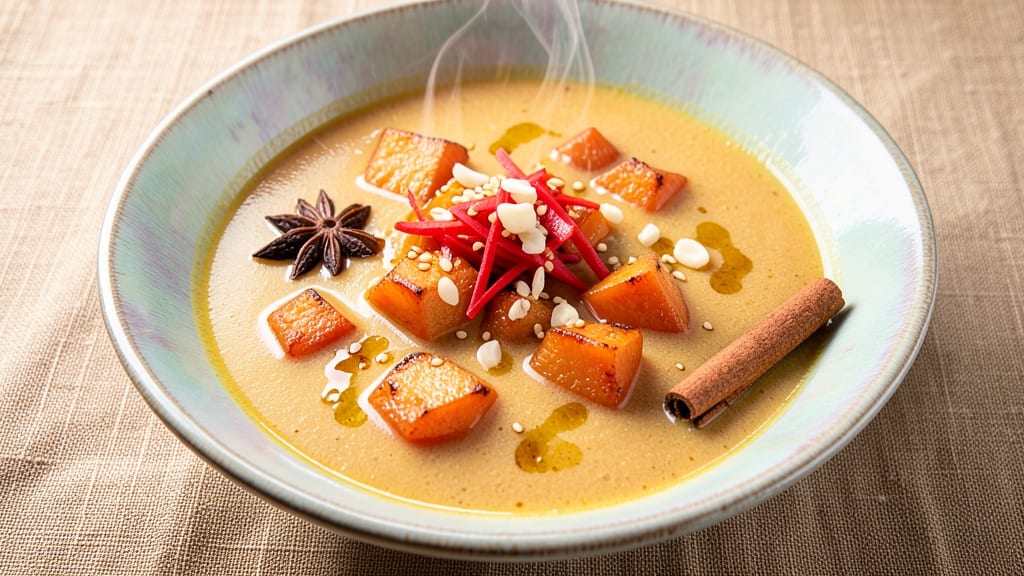
This Chinese sweet potato soup transforms humble ingredients into a fragrant, velvety masterpiece that carries the warmth of home-cooked tradition. The secret lies in slow-simmered aromatics—fresh ginger, garlic, and star anise—that infuse the broth with layers of earthy depth before blending the sweet potatoes into silky smoothness.
I first discovered this recipe during a chilly autumn evening when I wanted to recreate the comforting flavors of my grandmother's kitchen, where every spoonful felt like a hug.
The beauty of this recipe is its adaptability—whether you're using a standard pot or a pressure cooker, the technique remains the same. The soup begins with a fragrant base of ginger and garlic sautéed until aromatic, then simmered with star anise and cinnamon to build complexity.
Sweet potatoes, peeled and cubed, cook until tender before being blended into a luxurious, golden-hued soup that's both creamy and light. The result is a dish that's rich enough to satisfy but never heavy, with a subtle sweetness balanced by the warmth of spices.
What makes this soup truly special is the way the flavors develop over time. The longer it simmers, the more the spices meld together, creating a depth that's impossible to achieve with quick cooking methods.
Garnished with fresh cilantro and a drizzle of chili oil, each bowl becomes a perfect harmony of textures and temperatures—cool, creamy soup contrasted with the bright heat of the garnishes.
This is the kind of recipe that tastes even better the next day, as the flavors continue to meld and deepen.
Perfect for cozy gatherings or a comforting solo meal, this sweet potato soup is a testament to how simple ingredients can create something extraordinary with the right technique. The process is straightforward, yet the results feel like a labor of love—just as my grandmother intended.
Let's get started on creating this fragrant, velvety delight that will become a staple in your kitchen.
Ingredients for sweet potato soup chinese
Simple ingredients blend into a velvety soup with layers of fragrant warmth and comforting depth.
| Ingredient | Amount | Notes |
|---|---|---|
| Sweet Potatoes 🍠 | 2 lbs | Peeled, cubed into 1-inch pieces |
| Fresh Ginger 🌿 | 2 tbsp | Finely grated, aromatic |
| Garlic Cloves 🧄 | 4 cloves | Minced, for aromatic base |
| Star Anise Pods 🌟 | 2 whole | For deep, earthy flavor |
| Cinnamon Sticks 🌿 | 1 whole | For warmth, remove before blending |
| Vegetable Oil 🫒 | 2 tbsp | For sautéing aromatics |
| Vegetable Broth 💧 | 4 cups | Low-sodium preferred |
| Fresh Cilantro 🌿 | ¼ cup | Chopped, for garnish |
| Chili Oil 🌶️ | 2 tbsp | For garnish, optional |
| Salt 🧂 | 1 tsp | Adjust to taste |
| Black Pepper 🌶️ | ½ tsp | Freshly ground |
| White Pepper 🌶️ | ¼ tsp | For subtle warmth |
| Sesame Oil 🫒 | 1 tsp | For finishing touch |
The star anise and cinnamon are non-negotiable for that authentic Chinese aroma. Whole spices from Penzeys or your local Asian market deliver the best flavor—pre-ground loses its punch. Fresh ginger and garlic should be vibrant, not shriveled. Sweet potatoes work best when firm and uniform in size; organic varieties with smooth skin are ideal. If you can't find star anise, anise seeds work in a pinch, but the flavor won't be identical. The broth is the soul of this soup—homemade vegetable broth elevates it, but quality low-sodium store-bought works too.
No fresh ginger? Dried ginger powder at half the amount gets you close, though it lacks the same depth. Substitute cinnamon sticks with 1 tsp ground cinnamon if needed, but the sticks infuse better. For a creamier texture without dairy, blend in 1/4 cup silken tofu at the end. Chili oil can be swapped for sriracha or doubanjiang if you prefer a different heat profile. The sesame oil should be toasted—Kadoya or La Choy are reliable brands. If your sweet potatoes turn out unevenly sized, no worries—just adjust cooking time accordingly.
This soup tastes even better the next day as flavors meld. Store in an airtight container in the fridge for up to 5 days, or freeze for 3 months. Reheat gently on the stove, adding a splash of water if it thickens too much. Garnish with fresh cilantro and a drizzle of sesame oil just before serving to keep it vibrant. For a crowd, double the batch—it reheats beautifully and makes an excellent lunch the next day.
Why You'll Love This Recipe
- One-Pot Magic: I swear by this recipe—just peel, chop, and simmer. No blender, no extra bowls, and the star anise and cinnamon infuse the broth while you prep the rest. Honestly, the hardest part is waiting for it to thicken.
- Warm Spice Bomb: That first sip of ginger, garlic, and star anise? It’s like a hug in a bowl. The sweet potatoes caramelize into velvety richness, while the cinnamon adds this subtle, earthy depth that makes it taste special—not just another soup.
- Leftovers That Win: This soup actually improves the next day. The flavors meld even more, and it reheats in minutes. I’ve served it for lunch, packed it for work, and even frozen portions—no one ever complains, and my wallet thanks me for the cheap pantry staples.
- Cold-Weather Hero: Rainy Tuesday? Stressful week? This soup fixes everything. It’s hearty enough for a chilly evening but light enough for a quick lunch. My kids ask for it more than any other dish—proof it’s a crowd-pleaser without trying too hard.
Step-by-step instructions for sweet potato soup Chinese recipe
Transform simple ingredients into a velvety, aromatic soup with deep Chinese flavors.
Sauté Aromatics Until Fragrant
Heat the 2 tablespoons vegetable oil in a large pot over medium heat. Add the 4 minced garlic cloves and 2 tablespoons finely grated fresh ginger, stirring constantly for 1-2 minutes until the garlic turns golden and the ginger releases its bright aroma. This step builds the flavor foundation—don't rush it.
Add the 2 whole star anise pods and 1 whole cinnamon stick to the pot. Stir for another 30 seconds until the spices begin to sizzle gently. The cinnamon will infuse warmth while the star anise adds earthy depth. Keep the heat at medium to prevent burning these delicate spices.
Cook Sweet Potatoes Until Tender
Add the 2 pounds sweet potatoes, cut into 1-inch cubes, to the pot. Stir to coat the sweet potatoes evenly with the aromatic oil and spices. Pour in the 4 cups vegetable broth, ensuring all the sweet potatoes are submerged. Bring the mixture to a gentle boil over medium-high heat, then reduce the heat to low to maintain a simmer.
Cover the pot and let the sweet potatoes cook for 20-25 minutes, stirring occasionally, until they're fork-tender with no resistance. The potatoes should be soft enough to mash slightly between your fingers but still hold their shape. If the liquid reduces too much before the potatoes are tender, add ½ cup water to maintain the right consistency.
Blend Until Silky Smooth
Remove the cinnamon stick from the pot using tongs, but leave the star anise pods in during blending—they'll dissolve and contribute to the soup's complexity. Using an immersion blender, blend the soup directly in the pot until completely smooth. For a perfectly velvety texture, blend in 30-second bursts, scraping the sides of the pot between each burst to ensure no lumps remain.
If you prefer a chunkier texture, blend only until the potatoes are mostly broken down, leaving some small pieces. Taste the soup and adjust the seasoning with 1 teaspoon salt, ½ teaspoon black pepper, and ¼ teaspoon white pepper. The white pepper adds a subtle warmth that complements the sweet potatoes beautifully.
Finish with Flavorful Oils
Return the soup to medium-low heat and stir in the 1 teaspoon sesame oil. Let it simmer for 2-3 minutes, allowing the sesame oil to infuse its nutty aroma throughout the soup. The sesame oil should coat the surface, adding a delicate, toasty note that balances the sweetness of the potatoes.
Ladle the soup into bowls and garnish each serving with 2 tablespoons chili oil and 1 tablespoon chopped fresh cilantro. The chili oil adds a subtle heat and vibrant red color, while the cilantro brightens the dish with freshness. Serve immediately while the soup is hot, ensuring every spoonful delivers that perfect harmony of sweet, spicy, and aromatic flavors.
Pro Tips For Making Sweet Potato Soup Chinese
- Peel After Cooking: Sweet potatoes are stubborn—peeling them raw makes them bruise and turn to mush when sliced. Instead, cook them whole with skin on, then peel after simmering. The skin slides off like magic, and you avoid losing chunks of flesh to the pot.
- Toast Spices First: Star anise and cinnamon sticks taste flat if tossed in cold. Dry-toast them in the pot for 30 seconds over medium heat—just until fragrant—before adding liquids. This unlocks their aroma and prevents bitterness from lingering.
- Blend in Stages: Dumping all ingredients into the blender at once creates a gluey mess. Blend half the soup first, then thin it with broth or water while blending. This keeps the texture silky instead of pasty, and you won’t need to add extra liquid later.
- Use Cold Ginger: Fresh ginger burns faster than you’d think. Toss it into the pot after the broth comes to a boil, then immediately reduce heat to medium. Cold ginger sizzles less, so you get bright flavor without a burnt aftertaste.
Wine and beer pairings for this dish
Chinese White Wine
For an authentic pairing, reach for a dry Chinese white wine like Yellow River Valley Chardonnay or Shaoxing wine. These wines complement the soup's sweetness with their crisp acidity and subtle mineral notes.
The Shaoxing wine, in particular, adds a nutty depth that mirrors the star anise and sesame oil in the soup. Serve slightly chilled to enhance its refreshing qualities against the warm soup. 🍷
Light Beer Options
A light lager or Chinese pilsner works beautifully with this soup. Brands like Snow Beer or Tsingtao provide a clean, crisp profile that cuts through the richness without overpowering the delicate spices.
For a craft option, try a German Helles—its gentle malt sweetness and effervescence balance the soup's earthy flavors. Keep the beer well-chilled to maintain its crispness.
Rice Wine Enhancement
For a non-alcoholic or traditional touch, drizzle the soup with Chinese rice wine (Shaoxing wine)—about 1 tablespoon per bowl. This adds a subtle floral aroma and depth that enhances the star anise and ginger.
Heat the wine gently in a small saucepan until just simmering, then stir it into the soup before serving. It’s a secret weapon for elevating the dish’s complexity. 💫
Spiced Rum Pairing
If you prefer spirits, a dark spiced rum like Kahlúa or Appleton Estate adds a caramel-like sweetness that complements the sweet potatoes. Warm 1 ounce of rum in a small saucepan with a pinch of cinnamon and star anise, then drizzle it over the soup.
The rum’s warmth and spice notes harmonize perfectly with the soup’s aromatic base.
Herbal Tea Balance
For a caffeine-free option, serve jasmine green tea or pu-erh tea alongside the soup. The floral notes of jasmine tea brighten the dish, while the earthy pu-erh tea mirrors the soup’s deep, spiced flavors.
Brew the tea just before serving to maintain its freshness and aroma. This pairing is especially refreshing during colder months. 🌿
Nutrition facts
Frequently asked questions
Can I substitute regular potatoes for sweet potatoes in this Chinese soup?
While you can use regular potatoes, sweet potatoes bring a natural sweetness and creamier texture that's essential for this recipe. For the best results, stick with sweet potatoes—their vibrant orange color and mild sweetness create that authentic Chinese comfort flavor. If you must substitute, use yams for a closer texture, but expect a slightly different taste profile.
How do I make this soup spicier without chili oil?
Add ½ teaspoon of ground Sichuan peppercorns while sautéing the aromatics for a numbing heat, or stir in 1 teaspoon of doubanjiang (spicy fermented bean paste) during the simmering stage. For a smoky kick, top with ½ teaspoon of smoked paprika before serving. Adjust to taste—these alternatives deliver authentic Chinese heat without chili oil.
Can I make this soup in an Instant Pot or pressure cooker?
Sauté the aromatics as directed, then add all ingredients except the sesame oil. Seal the lid and cook on high pressure for 8 minutes, followed by a natural release. Blend as usual, then finish with sesame oil. The pressure cooker reduces time to about 20 minutes total, but the flavor remains just as rich when done properly.
Why does my soup taste bitter?
Overcooked sweet potatoes or burnt spices cause bitterness. Prevent this by keeping heat at medium-low during simmering and removing the cinnamon stick before blending. If bitterness occurs, balance it with 1 teaspoon of honey or sugar while reheating, or add a splash of rice vinegar (1 teaspoon) to brighten the flavor.
Is this soup suitable for a vegan diet?
Yes, but make these adjustments: Use vegan vegetable broth and replace sesame oil with toasted sesame seeds (1 teaspoon) for garnish. The recipe is naturally vegan except for the optional chili oil—check your brand or use vegan chili crisp instead. The spices and sweet potatoes remain perfectly plant-based.