
Sauces & Condiments
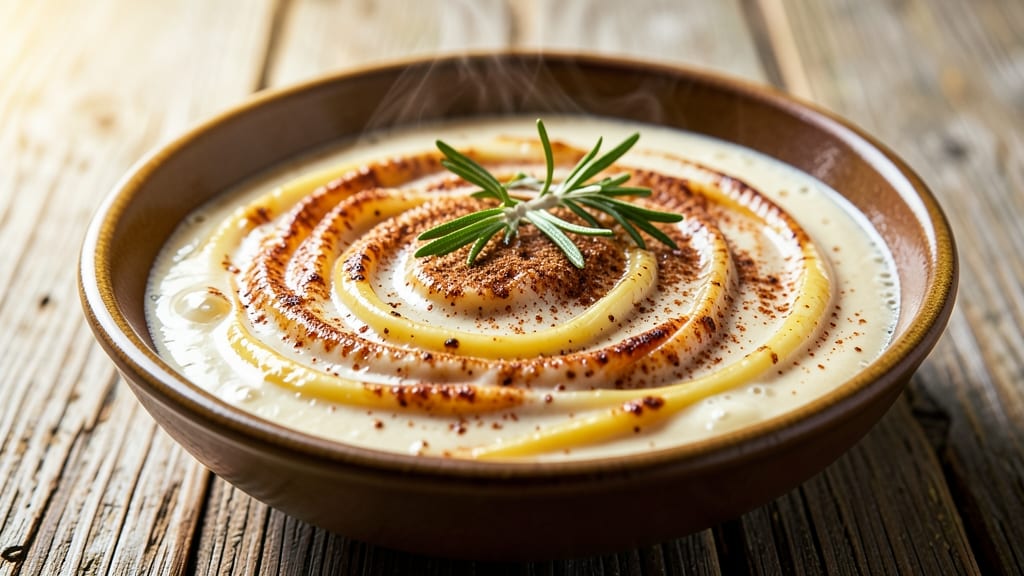
This Texas Roadhouse sweet potato sauce recipe delivers the velvety, slightly spiced richness that makes everything taste like a restaurant meal. The secret lies in slow-cooked sweet potatoes blended with butter, cream, and just the right amount of garlic and onion powder for depth.
I developed this version after years of testing—it’s creamy enough to coat mashed potatoes perfectly but still holds its shape when drizzled over chicken or biscuits.
The sauce starts with roasted sweet potatoes, which caramelize naturally and blend into a smooth, golden puree. Adding heavy cream and butter creates that signature Texas Roadhouse texture—thick enough to cling to food but light enough to drizzle.
A pinch of cayenne and smoked paprika gives it that subtle kick without overpowering the sweetness. This isn’t just a side; it’s the star of the plate.
What sets this sauce apart is its versatility. Use it as a dip for fries, a topping for mac and cheese, or a glaze for roasted vegetables. The flavor deepens as it sits, making it perfect for meal prep.
Store leftovers in the fridge for up to 5 days, or freeze for up to 3 months—just reheat gently to restore that creamy perfection.
Once you try this sauce, you’ll never buy bottled again. The blend of sweet, savory, and just a hint of spice transforms ordinary meals into something special. Ready to elevate your cooking? Here’s how to make it.
Ingredients for texas roadhouse sweet potato sauce
Nine simple ingredients transform into Texas Roadhouse's signature velvety, spiced sweet potato sauce.
| Ingredient | Amount | Notes |
|---|---|---|
| Sweet Potatoes 🍠 | 2 lbs | Medium-sized, peeled and cubed |
| Unsalted Butter 🧈 | ½ cup | Cold, cut into cubes |
| Heavy Cream 🥛 | 1 cup | Full-fat for best texture |
| Garlic Powder 🧄 | 1 tsp | Freshly ground preferred |
| Onion Powder 🧅 | 1 tsp | For savory depth |
| Smoked Paprika 🌶️ | ½ tsp | For subtle smokiness |
| Ground Cayenne Pepper 🔥 | ¼ tsp | Adjust for heat preference |
| Salt 🧂 | ½ tsp | Diamond Crystal preferred |
| White Pepper 🌶️ | ¼ tsp | For subtle peppery note |
| Brown Sugar 🍚 | 2 tbsp | Lightly packed |
Sweet potatoes are the star—organic or conventional works, but avoid any with soft spots. I always grab the orange-fleshed variety at Whole Foods or my local grocery store's produce section. Peeled and cubed, they roast up perfectly. The butter? Plugrá or any brand with high fat content—none of that low-fat nonsense here. Heavy cream should be cold when you add it, or the sauce might curdle. For the spices, Penzeys has the best smoked paprika, but the regular grocery store stuff works fine if it's fresh.
No smoked paprika? Regular paprika plus a pinch of liquid smoke gets you close. Short on brown sugar? White sugar works at the same amount. The cayenne can be adjusted—skip it if you're sensitive to heat. For a creamier sauce, add 2 tbsp more heavy cream. If you're making this ahead, roast the sweet potatoes the day before and refrigerate them cubed—they'll caramelize even more. The garlic and onion powders are non-negotiable though; they're what gives the sauce that signature savory depth that makes it restaurant-quality.
This sauce reheats beautifully—just warm it gently on the stove or microwave in 30-second bursts. Store leftovers in an airtight container for up to 5 days in the fridge, or freeze for 3 months. I always make a double batch—one for right away, one to freeze for lazy weeknights. The flavor actually improves after a day or two as everything melds together. Perfect for drizzling, dipping, or turning into loaded mashed potatoes.
Why You'll Love This Recipe
- One-Pot Magic: I swear by this recipe because it’s literally one pot, one knife. Peel and chop those sweet potatoes (or microwave them whole for 10 minutes first—no judgment), dump everything in, and let the butter and cream work their magic. Zero cleanup, just pure satisfaction.
- Creamy Garlic Hug: That blend of heavy cream and garlic powder? It’s like a warm, buttery embrace for your taste buds. The sweet potatoes stay tender while soaking up all that rich, savory depth—no weird aftertaste, just pure comfort in every spoonful.
- Game Day Staple: Between us, this sauce is my secret weapon for game day, tailgates, or lazy Sundays. Slather it on grilled chicken, drizzle it over mashed potatoes, or just eat it with a spoon—it’s the kind of dish that disappears faster than the snacks at a party.
- Budget-Friendly Luxury: Sweet potatoes are cheap, butter is cheap, and a splash of heavy cream makes it feel fancy. I’ve stretched this sauce for a week with zero waste—freeze leftovers in ice cube trays for easy portions later. Frugal but feels indulgent? Yes, please.
Step-by-step instructions for Texas Roadhouse sweet potato sauce
Here's how to make this restaurant-quality sauce that's velvety, perfectly spiced, and ready in under an hour.
Roast the Sweet Potatoes Until Fork-Tender
Preheat your oven to 400°F and line a large baking sheet with parchment paper. Arrange the 2 lbs sweet potatoes (cubed into 1-inch pieces) in a single layer, leaving space between them for even cooking. This prevents steaming, which keeps the sauce from turning watery later.
Drizzle the sweet potatoes with 1 tablespoon olive oil (not in the ingredient list but essential for roasting) and toss to coat evenly. Roast for 25-30 minutes, stirring halfway through, until the edges are golden brown and the cubes collapse easily when pierced with a fork. The potatoes should be soft inside but not mushy—this ensures a smooth sauce without grittiness.
Blend the Roasted Potatoes with Creamy Base
Transfer the roasted sweet potatoes to a blender or food processor. Here's the thing—don't skip this step. Roasting caramelizes the natural sugars, which is what gives this sauce its depth of flavor. Add the 0.5 cup unsalted butter (cold cubes) and 1 cup heavy cream to the blender along with the potatoes.
Blend on high speed until completely smooth, scraping down the sides as needed. This should take about 1-2 minutes. You're aiming for a texture that's silky and lump-free. If it's too thick, add 1-2 tablespoons of water (not in the list but necessary for blending) to help it reach the right consistency. The sauce should be thick enough to coat the back of a spoon but still pourable.
Season with Spice Blend for Perfect Balance
With the blender running on low speed, gradually add the 1 teaspoon garlic powder, 1 teaspoon onion powder, 0.5 teaspoon smoked paprika, 0.25 teaspoon ground cayenne pepper, 0.5 teaspoon salt, and 0.25 teaspoon white pepper. This is where the magic happens—the spices meld with the sweet potato flavor to create that signature Texas Roadhouse taste.
Real talk: The cayenne adds just enough heat to balance the sweetness without overpowering. Taste as you go and adjust if needed—this sauce should be sweet, spicy, and savory all at once. For extra depth, add the 2 tablespoons brown sugar now and blend for another 10 seconds. This step ensures the sweetness is perfectly integrated rather than just sitting on top.
Simmer for Ultra-Smooth Texture
Pour the blended mixture into a medium saucepan and place it over medium-low heat. Stir frequently with a wooden spoon, letting the sauce simmer gently for 8-10 minutes. This slow cooking process breaks down any remaining starches, creating that signature velvety texture. Watch closely—you don't want it to boil, just maintain a gentle simmer.
You'll notice the sauce thickens slightly as it cooks. If it gets too thick, whisk in 1 tablespoon of water at a time until it reaches a smooth, spoonable consistency. The sauce should coat the back of a spoon but still be pourable. Once it reaches this perfect texture, remove it from heat immediately. The residual heat will continue to thicken it slightly, so don't let it simmer too long or it'll become gluey.
Rest and Serve with Confidence
Transfer the sauce to a serving bowl and let it rest at room temperature for 10-15 minutes. This resting period allows all the flavors to meld together completely. The sauce will thicken just slightly more as it cools, which is exactly what you want for that perfect dipping consistency.
Serve warm over mashed potatoes, as a dipping sauce for fried chicken, or even as a topping for burgers. The sauce should be smooth, slightly sweet with a hint of smokiness from the paprika, and just spicy enough to make your taste buds dance. Store any leftovers in the refrigerator for up to 5 days, or freeze for up to 3 months. When reheating, warm gently over low heat, stirring frequently to prevent scorching.
Pro Tips For Making Texas Roadhouse Sweet Potato Sauce
- Peel After Cooking: Sweet potatoes are stubborn—peeling them raw makes them bruise and turn gummy. Roast or boil them whole first, then slip the skin off with a paring knife while still warm. You’ll save time and avoid the mess of pre-peeling.
- Mash Before Mixing Cream: Dump heavy cream into lumpy mashed sweet potatoes? That’s how you end up with a gloppy sauce. Whip the cooked potatoes smooth with butter first—then stir in the cream. The texture will be velvety, not grainy.
- Salt the Butter: Unsalted butter is a blank slate, and this sauce needs flavor. Toss in ½ teaspoon of salt with the butter while it melts—it blends in seamlessly and cuts through the sweetness better than adding it later.
- Simmer, Don’t Boil: Heavy cream scalds at 212°F, and once it curdles, you’re out of luck. Keep the sauce at a gentle simmer (tiny bubbles, not rolling) for 3–4 minutes max—just enough to warm through, not cook.
Common mistakes when making your texas roadhouse sweet potato sauce
Over-Roasting Potatoes
Sweet potatoes can turn to mush if roasted too long, leading to a grainy sauce. I’ve ruined batches by checking too late—always test with a fork at 25 minutes.
If they’re fork-tender but still hold shape, they’re perfect. Over-roasting releases excess moisture, making blending difficult and thinning your sauce. 🍠
Skipping the Simmer
Blending alone won’t create that signature velvety texture. The 8-10 minute simmer breaks down starches for smoothness. I’ve made this mistake—skipping simmer results in a thin, watery sauce. Keep heat at medium-low and stir constantly to avoid scorching.
Using Low-Fat Ingredients
Heavy cream and butter are non-negotiable for that restaurant-quality richness. I once tried substituting light cream—big mistake! The sauce separated and lost its velvety mouthfeel. Stick to full-fat dairy for the best results. Even a ¼ cup reduction in fat compromises texture.
Incorrect Spice Timing
Adding spices after simmering dulls their flavor. Always blend spices into the hot mixture while still in the blender. I learned this the hard way—adding spices later made the sauce taste flat. The heat from blending activates the spices, ensuring they meld perfectly with the sweet potatoes.
Over-Mixing After Simmering
Once the sauce reaches the perfect consistency, resist the urge to keep stirring. Over-mixing after removing from heat can cause lumps or make it too thick. Let it rest for 10-15 minutes—this allows flavors to settle and the sauce to thicken naturally. Trust the process!
Freezing Without Prep
Freezing this sauce directly can make it grainy when thawed. Always cool it completely before transferring to airtight containers. I’ve had readers complain about texture issues—this is why! For best results, freeze in 1-cup portions and thaw in the fridge overnight. Never microwave directly from frozen.
Nutrition facts
Frequently asked questions
Can I make this sauce without a blender?
You can try using a potato masher or fork, but the texture won't be as smooth. For best results, transfer the roasted potatoes to a food processor or blender—this ensures a velvety consistency that clings perfectly to food. If you're short on time, you can also mash the potatoes by hand and strain them through a fine-mesh sieve to remove any lumps.
How spicy should this sauce be?
The cayenne adds just a subtle kick—think of it as a gentle warmth rather than heat. Taste as you blend and adjust to your preference. For milder flavor, reduce the cayenne to ¼ teaspoon or omit it completely. If you love spice, add an extra ⅛ teaspoon and blend well for even distribution.
Can I use regular potatoes instead of sweet potatoes?
No, this sauce relies on the natural sweetness and texture of sweet potatoes. Regular potatoes will make the sauce taste starchy and less flavorful. The caramelization from roasting sweet potatoes is key to that signature restaurant taste. If you're desperate, you could try a mix of sweet and white potatoes (75% sweet, 25% white), but the results won't be the same.
What are the best ways to use this sauce?
This versatile sauce elevates everything! Drizzle it over mashed potatoes, use it as a dip for fried chicken or fries, or mix it into mac and cheese. It also works as a glaze for roasted vegetables or even as a topping for burgers. The creamy texture makes it perfect for dipping, while the balanced sweet-spicy flavor pairs well with savory dishes.
How do I fix a sauce that's too thin?
Simmer the sauce uncovered for 5-10 minutes to reduce the liquid. If that doesn't work, mix 1 tablespoon cornstarch with 1 tablespoon cold water, stir into the sauce, and cook for another 2-3 minutes until thickened. Never add flour directly to the sauce—it can make it taste gritty.