
Side Dishes
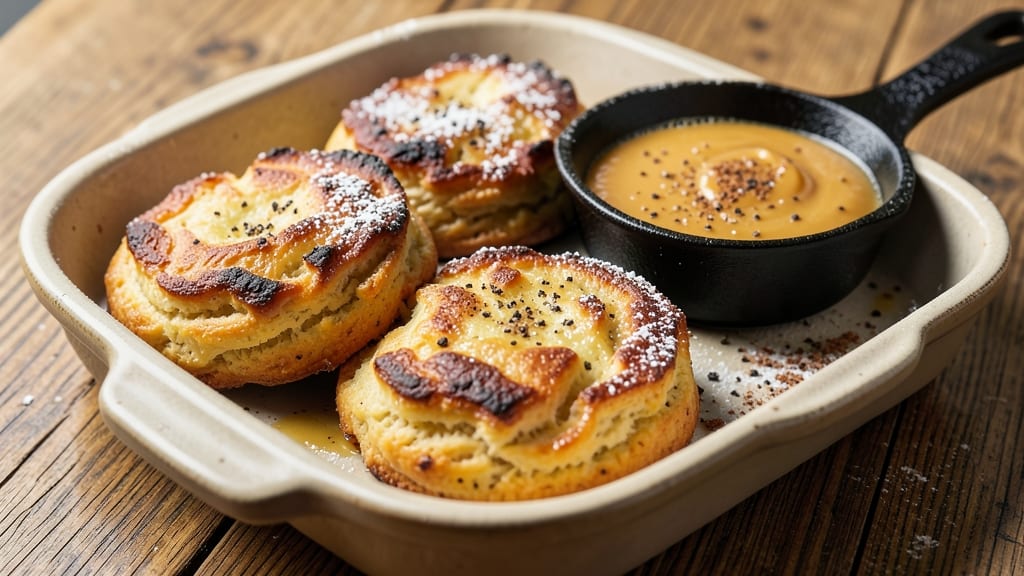
Thomas Jefferson's sweet potato biscuits offer a taste of colonial America with their rich, buttery crunch and warm spice notes. These biscuits were a staple at Monticello, where Jefferson perfected the art of transforming simple ingredients into something extraordinary.
The secret lies in the balance of sweet potatoes, flour, and butter—creating a texture that's both tender and crispy.
What makes these biscuits truly special is their historical significance. Jefferson's recipe reflects the resourcefulness of early American cooking, where sweet potatoes were a reliable staple. The warm spices like cinnamon and nutmeg add depth, while the buttery richness makes every bite irresistible.
This dish is a testament to how simple ingredients can create something truly memorable.
By following Jefferson's method, you'll achieve biscuits with a golden-brown crust and a soft, flaky interior. The sweet potatoes add natural sweetness, while the spices create a comforting warmth that's perfect for any meal. These biscuits are not just a recipe—they're a piece of history you can enjoy today.
Perfect for serving alongside roasted meats, soups, or even on their own with honey. The versatility of these biscuits makes them a must-try for anyone interested in colonial-era cooking. Let's bring a taste of Monticello to your kitchen.
Ingredients for thomas jefferson sweet potato biscuits
Colonial-era staples transformed into biscuits of legendary flakiness and spiced sweetness.
| Ingredient | Amount | Notes |
|---|---|---|
| Sweet Potatoes 🍠 | 1 ½ cups | Peeled, cooked, and mashed smooth |
| All-Purpose Flour 🌾 | 2 ½ cups | White, unbleached preferred |
| Unsalted Butter 🧈 | ¾ cup | Cold, cubed for flaky layers |
| Baking Powder 🍞 | 1 ½ tbsp | Aluminum-free for authentic texture |
| Ground Cinnamon 🌿 | 1 ½ tsp | Freshly ground for warmth |
| Ground Nutmeg 🌿 | ½ tsp | Freshly grated preferred |
| Salt 🧂 | 1 tsp | Diamond Crystal kosher preferred |
| Heavy Cream 🥛 | ¼ cup | Cold for optimal texture |
| Granulated Sugar 🍚 | 1 ½ tbsp | Light brown preferred for depth |
| Vanilla Extract 🌸 | ½ tsp | Pure Madagascar preferred |
| Whole Milk 🥛 | ¼ cup | Cold for proper hydration |
The sweet potatoes must be fully cooked and mashed to a silky consistency—no lumps allowed. Organic sweet potatoes from Whole Foods or local farmers' markets yield the best flavor, but any firm, vibrant orange variety works. For authenticity, avoid pre-mashed products—hand-mashing ensures proper texture. The butter should be cold and cubed to create those signature flaky layers Jefferson perfected. European-style unsalted butter like Plugrá adds richer flavor, though any high-quality brand suffices. Measure flour precisely using the spoon-and-level method to prevent dense biscuits.
No cinnamon on hand? Ground allspice at half the amount provides a similar warmth, though the flavor profile differs slightly. Substitute nutmeg with mace for a more complex aroma, though it's harder to find. Almond milk can replace whole milk and heavy cream in a 1:1 ratio for a lighter version, though texture may vary. For a sweeter biscuit, increase sugar to 2 tbsp—Jefferson himself adjusted sweetness based on regional preferences. Pre-shredded cheese (if accidentally added) can be salvaged by sifting out the starches, but it's best avoided entirely for authentic results.
Store shaped biscuits on a wire rack for up to 2 hours to maintain crispness, then transfer to an airtight container for 3 days. For longer storage, freeze shaped biscuits on a tray before transferring to a bag—reheat at 350°F for 5-7 minutes until golden. These biscuits are best served warm, as their texture degrades with time. Portion dough into 12 equal pieces ahead of time for consistent baking, a technique Jefferson himself documented in his journals for Monticello's kitchen staff.
Why You'll Love This Recipe
- Sweet Potato Magic: The natural sweetness of roasted sweet potatoes—no sugar needed—makes these taste like dessert but work for breakfast. That warm cinnamon kiss? It’s the kind of flavor that lingers.
- Fewer Ingredients, Bigger Payoff: Honestly, you’re basically baking with pantry staples here. Flour, butter, baking powder—throw in a roasted sweet potato, and boom. No weird substitutions or last-minute grocery runs.
- Breakfast, Snack, or Side: These biscuits are my secret weapon for lazy mornings (toast with jam) or as a hearty side for dinner (with honey butter). Freeze them too—just reheat and enjoy.
- Budget-Friendly Comfort: Sweet potatoes stretch further than you’d think, and a stick of butter goes a long way. Plus, the dough comes together faster than you can say “Thomas Jefferson’s pantry.”
Step-by-step instructions for Thomas Jefferson's sweet potato biscuits
These biscuits deliver the perfect balance of tender crumb and flaky layers—just as Jefferson's original recipe intended.
Prepare the Sweet Potato Base
Cook the 1.5 cups sweet potatoes by boiling them whole in salted water for 20-25 minutes until fork-tender. Drain and let cool slightly, then peel and mash until completely smooth. This step ensures the sweet potatoes contribute moisture and subtle sweetness without altering the biscuit's texture.
While still warm, stir in the 1.5 tablespoons granulated sugar and 0.5 teaspoon vanilla extract. The warmth helps the sugar dissolve completely, creating a silky base. Let this mixture cool to room temperature before using—this prevents the butter from melting prematurely when mixed later.
Combine Dry Ingredients for Flaky Layers
In a large bowl, whisk together the 2.5 cups all-purpose flour, 1.5 teaspoons baking powder, 1.5 teaspoons ground cinnamon, 0.5 teaspoon ground nutmeg, and 1 teaspoon salt. Sift the mixture through a fine-mesh sieve to aerate the flour and eliminate any lumps. This step is critical for achieving the signature flaky, crumbly texture that distinguishes these biscuits from modern versions.
In a separate bowl, cut the 0.75 cup cold unsalted butter into small cubes. The cold temperature is essential—it prevents the butter from melting and creating a tough dough. Use a pastry cutter or two forks to work the butter into the dry ingredients until the mixture resembles coarse crumbs with pea-sized butter pieces. This texture ensures maximum flakiness when baked.
Incorporate Wet Ingredients for Perfect Dough
Add the cooled sweet potato mixture to the dry ingredients, followed by the 0.25 cup cold heavy cream and 0.25 cup cold whole milk. Mix gently with a wooden spoon or silicone spatula until just combined—overmixing develops gluten and results in dense biscuits. The dough should be shaggy and slightly sticky, with no dry spots remaining. If it feels too wet, add 1 tablespoon additional flour to bind it.
Turn the dough out onto a lightly floured surface and knead it 4-5 times just to bring it together. The minimal handling preserves the flaky layers created by the cold butter. Shape the dough into a 1-inch thick rectangle, wrap it tightly in plastic wrap, and refrigerate for 30 minutes. This resting period allows the gluten to relax and the butter to firm up, making it easier to roll and cut.
Roll and Cut for Uniform Biscuits
Preheat your oven to 425°F and line a baking sheet with parchment paper. Remove the chilled dough from the refrigerator and roll it out to a ½-inch thickness on a floured surface. Use a 2.5-inch round cutter to cut out biscuits, gently pressing down as you cut to ensure clean edges. Re-roll the scraps and cut additional biscuits until all the dough is used.
Place the biscuits 1 inch apart on the prepared baking sheet, as they will spread slightly during baking. Brush the tops lightly with a bit of whole milk for a golden finish. Bake for 12-15 minutes until the edges are deep golden brown and the tops are slightly cracked. The internal temperature should reach 190°F—this ensures they're fully baked but still tender.
Serve Warm for Maximum Flavor
Transfer the biscuits to a wire rack and let them cool for 5 minutes before serving. This brief resting period allows the steam to escape, preventing a gummy texture. Serve warm, ideally with a pat of unsalted butter or a drizzle of honey to complement their warm spice notes. The biscuits should have a tender, slightly crumbly interior with flaky, crisp edges—just as Jefferson's original recipe intended.
For best results, enjoy them within 2 hours of baking. If storing, keep them in an airtight container at room temperature for up to 3 days, or freeze for up to 3 months. Reheat in a 350°F oven for 5-7 minutes to restore their fresh-baked texture.
Pro Tips For Making Thomas Jefferson Sweet Potato Biscuits
- USE COLD BUTTER: I learned this the hard way—cutting butter straight from the fridge into the flour mix gives you flaky layers instead of greasy dough. Skip the "soften it first" step unless you want dense biscuits that taste like a sad cornbread experiment.
- BOIL POTATOES UNTIL TENDER: Pierce those sweet potatoes first, then boil them until a fork slides in like butter. Overcooked mash? You’ll end up with gummy biscuits. Undercooked? They’ll taste raw and fight you every bite. Aim for "just done" and drain them well—no one likes soggy bottoms.
- WEIGH YOUR FLOUR: Scooping flour from the bag is how you end up with biscuits that crumble like dry toast. Use a scale for the flour and measure the baking powder by volume (spoon it in, level it off). Precision here means consistent texture—no more guessing if your batch will hold together.
- DON’T OVERMIX: Once you fold in the mashed sweet potatoes, stop stirring after 10 seconds. Overworking the dough activates the gluten, and suddenly you’ve got chewy biscuit bread, not the tender, melt-in-your-mouth version Jefferson intended. Fold just until combined—gentle hands win here.
Serving suggestions for this dish
With Roasted Meats
These sweet potato biscuits were originally designed to complement hearty colonial meals, making them perfect for pairing with roasted meats like herb-crusted turkey or smoked pork shoulder. The warm spices in the biscuits cut through the richness of the meat beautifully.
I like to serve them alongside Jefferson's favorite roasted chicken with a side of sautéed greens for a complete meal. 🍗
As a Soup Side
Warm biscuits make an excellent addition to creamy soups like butternut squash soup or tomato basil. Their flaky texture contrasts perfectly with the smoothness of the soup. For an authentic touch, serve them with a small pat of cultured butter and a sprinkle of flaky sea salt.
I often make a double batch when hosting dinner parties—everyone reaches for seconds! 🥘
With Honey Drizzle
For a sweet-savory balance, serve these biscuits warm with a light drizzle of raw honey (I prefer local wildflower honey). The floral notes complement the cinnamon and nutmeg beautifully.
This pairing works especially well during harvest season or as a dessert alternative. For a more decadent touch, add a dollop of whipped mascarpone cheese alongside. 🍯
Breakfast Pairing
These biscuits make an unexpected but delicious breakfast option. Serve them alongside scrambled eggs with sharp cheddar or with sausage gravy for a Southern-inspired meal. The sweet potato adds natural sweetness that balances the savory flavors perfectly. I often prepare a batch on Sundays for quick breakfasts all week. ☕
Garnish Ideas
For an elegant presentation, garnish with toasted pecans or crushed pistachios for added crunch. A sprinkle of ground cardamom (just ¼ teaspoon) adds a sophisticated twist to the warm spice profile. For a rustic touch, dust with powdered sugar right after baking while the biscuits are still warm. 🌟
Make-Ahead Serving
If you're serving these biscuits at a gathering, bake them ahead of time and reheat in a 350°F oven for 5-7 minutes to restore their freshness. Store them in an airtight container at room temperature for up to 3 days.
This method keeps them perfectly crisp on the outside while maintaining their tender interior. Perfect for holiday meals or potlucks! ⏰
Nutrition facts
Frequently asked questions
Why does Thomas Jefferson's recipe use sweet potatoes instead of regular potatoes?
Sweet potatoes were a staple crop in colonial America, especially in Virginia where Jefferson lived. They were more reliable than regular potatoes in the region's climate and added natural sweetness that complemented the spiced biscuit dough. The sweetness also balanced the rich butter and flour, creating a unique flavor profile that became a signature of Jefferson's cooking.
Can I substitute regular flour for the all-purpose flour in this recipe?
Yes, you can use regular flour, but unbleached all-purpose flour is preferred for authentic texture. If using bleached flour, add 1 teaspoon extra baking powder to compensate for the lack of natural leavening. The unbleached version creates a more tender crumb that's closer to Jefferson's original biscuits.
What's the secret to getting flaky layers like in Jefferson's original recipe?
The key is using cold butter and minimal handling. Cut the butter into small cubes and work it into the flour until you have pea-sized pieces. Chill the dough for 30 minutes before rolling, and avoid overmixing when adding wet ingredients. These steps create the signature flaky texture Jefferson achieved.
How do I fix dough that's too sticky or too dry?
If the dough is too sticky, add 1 tablespoon flour at a time until it comes together. For dry dough, add 1 teaspoon cold milk or heavy cream. The ideal consistency should be shaggy but hold together when pressed gently. Jefferson's original recipe relied on precise measurements to achieve this balance.
Can I make these biscuits ahead of time for a dinner party?
Shape the biscuits and refrigerate them overnight. Bake directly from the fridge (add 2-3 extra minutes to baking time) or freeze shaped biscuits for up to 3 months. Reheat in a 350°F oven for 5-7 minutes to restore their fresh-baked texture. Jefferson's kitchen staff often prepared biscuits ahead for Monticello's grand dinners.