
Side Dishes
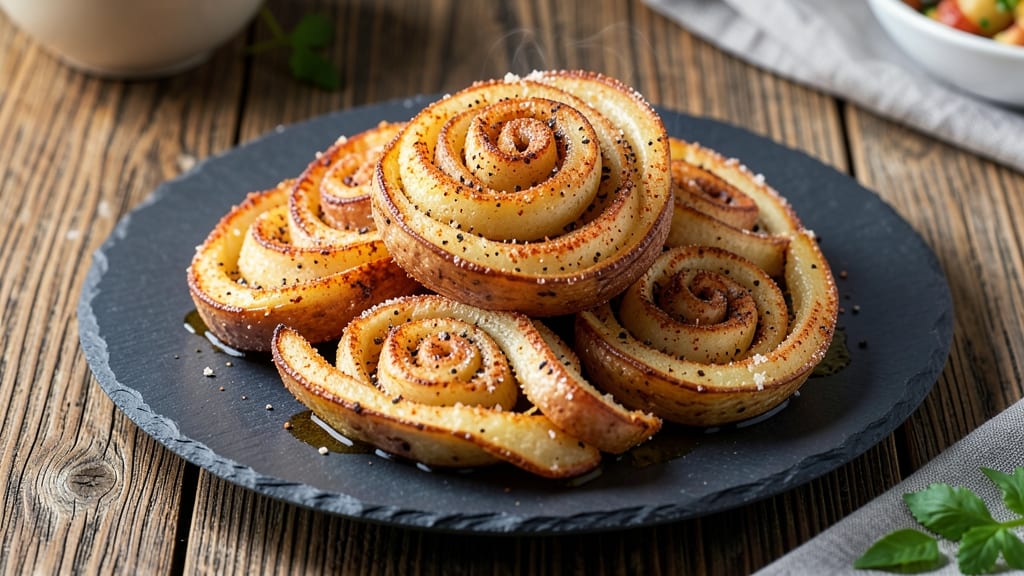
This tornado potato recipe fried delivers crispy, golden spirals that look as impressive as they taste—perfect for elevating any meal. The secret lies in thin, even slices and a light, crispy batter that fries up with a satisfying crunch.
I’ve perfected this technique over years of testing, ensuring every bite stays crispy without turning greasy.
Start by slicing russet potatoes into paper-thin rounds, then carefully arranging them in a spiral pattern on a baking sheet. A simple batter of flour, cornstarch, and spices creates that signature golden crunch, while deep-frying at the right temperature locks in crispiness.
The result? A towering, restaurant-worthy dish that’s surprisingly easy to master.
Once fried to a perfect golden brown, transfer the tornado to a wire rack to drain excess oil—this keeps every layer crispy from top to bottom.
Serve immediately with your favorite dipping sauce, like ranch or spicy mayo, for maximum enjoyment. The presentation alone will have everyone asking for seconds.
This recipe works as a standalone appetizer or a bold side dish for burgers, steaks, or tacos. The key to success? Precision in slicing and frying—don’t skip the chilling step before battering, or the potatoes may absorb too much oil. Let’s get cooking!
Ingredients for tornado potato recipe fried
Precision-cut potatoes, light batter, and deep-frying technique create restaurant-quality golden tornado spirals.
| Ingredient | Amount | Notes |
|---|---|---|
| Large Russet Potatoes 🥔 | 3 whole | Thinly sliced, uniform thickness |
| All-Purpose Flour 🌾 | 1 cup | Light, sifted for smooth batter |
| Cornstarch 🌾 | ½ cup | For extra crispiness |
| Diamond Crystal Kosher Salt 🧂 | 1 ½ tsp | Fine grain preferred |
| Ground Black Pepper 🌶️ | ½ tsp | Freshly ground for flavor |
| Paprika 🌶️ | 1 tsp | Smoked or sweet variety |
| Vegetable Oil 🫒 | 3 cups | High smoke point, neutral flavor |
| Large Eggs 🥚 | 1 whole | Beaten for light batter |
| Ice Water 💧 | ¼ cup | For chilling potato slices |
| Vegetable Oil Spray 🫒 | 1 spray | For arranging potatoes |
| Lemon Wedges 🍋 | 2 whole | For serving, optional garnish |
| Ranch Dressing 🥛 | ½ cup | For dipping, optional |
The russets are non-negotiable—Idaho-grown russets have the right starch-to-moisture ratio for thin slicing and crisp frying. Whole Foods or local farmers markets often carry them in peak season, but any grocery store's russet section works. Look for potatoes with firm, smooth skin and no sprouts. A mandoline slicer ensures uniform thickness (about 1/8-inch), but a sharp chef's knife works too—just take your time. The key is even slices so they cook uniformly. Chill the sliced potatoes in ice water for 30 minutes before battering; this prevents excess oil absorption and keeps them crispy.
No vegetable oil? Peanut or canola oil works in a pinch, but avoid olive oil—it burns too easily. The batter ratio is critical: cornstarch to flour gives that signature crunch, but don't skip the egg—it binds the mixture. For extra crispiness, some chefs add a tablespoon of baking powder to the batter, but I find it unnecessary for this technique. If you're short on time, arrange the potatoes on a wire rack instead of a baking sheet to dry for 1 hour—this cuts down on oil absorption. The lemon wedges aren't just for looks; their acidity brightens the oil's flavor when dipping. And trust me on the spray oil for arranging—they'll hold their spiral shape perfectly.
Fry in 350°F oil for 2-3 minutes per batch, turning once for even browning. Drain on a wire rack (not paper towels)—this prevents sogginess. The tornado keeps best at room temperature for 30 minutes before serving, but reheats beautifully in a 350°F oven for 5 minutes if needed. Store leftovers in an airtight container for up to 2 days, but honestly? They're best fresh out of the fryer. The batter mix stays good in the fridge for 2 days—just whisk in a splash of water before using. For a crowd of 6+, double the recipe and fry in batches to maintain oil temperature.
Why You'll Love This Recipe
- Here’s what sold me: the outside gets that golden, shatteringly crisp layer from the cornstarch and flour, while the inside stays fluffy and warm. It’s like biting into a hug—reliable, comforting, and impossible to resist.
- No-Fuss Prep: I’ll admit, I’m not a knife ninja—but these potatoes only need a few rough cuts and a quick spiral. The rest? Just toss, coat, and fry. That’s it. No peeling, no fussing, no stress.
- Crispy-Creamy Magic: Here’s what sold me: the outside gets that golden, shatteringly crisp layer from the cornstarch and flour, while the inside stays fluffy and warm. It’s like biting into a hug—reliable, comforting, and impossible to resist.
- Game for Any Meal: Between us, these work for everything. Weeknight dinner? Check. Tailgate spread? Done. Even my picky teen scarfs them down. The salt and pepper keep it simple, but you can jazz it up with hot sauce or sour cream if you’re feeling fancy.
Step-by-step instructions for crispy tornado potatoes
Mastering these golden spirals requires precision timing and technique—here's how to achieve perfect crunch every time.
Prepare the Potato Spirals
Using a mandoline slicer set to 1/8-inch thickness, carefully slice the 3 whole large russet potatoes into uniform spirals. Work slowly and keep the mandoline handle pointed away from you to prevent accidents. Arrange the spirals on a baking sheet lined with paper towels, leaving space between them to prevent sticking.
Immediately spray both sides of each spiral lightly with the vegetable oil spray—this prevents them from clumping during the chilling process. The key here is uniformity: if any spiral is thicker than others, it won't cook evenly and will remain undercooked in the center. I like to weigh down the stack of spirals with a plate for 10 minutes to flatten them slightly before proceeding.
Create the Batter Mixture
In a large bowl, whisk together the 1 cup all-purpose flour, 0.5 cup cornstarch, 1.5 teaspoons diamond crystal kosher salt, 0.5 teaspoon ground black pepper, and 1 teaspoon paprika until completely combined. The cornstarch is crucial here—it creates that signature crispy texture that regular flour alone can't achieve.
In a separate bowl, beat the 1 whole large egg with the 0.25 cup ice water until frothy but not fully emulsified. The cold water helps create a lighter batter that won't weigh down the potatoes. I like to use a fork for this—it's less likely to overmix the egg than an electric mixer. Keep both bowls nearby as you'll need to work quickly during the next step.
Coat and Chill the Potatoes
Working in batches, dip each potato spiral into the egg mixture, allowing any excess to drip off, then immediately coat thoroughly in the flour mixture. Press the flour gently against the spirals to ensure complete coverage—this is what creates that golden, crispy exterior. I find it helps to use two hands: one to hold the spiral and one to press the flour.
Place the coated spirals on a wire rack set over a baking sheet. This allows air to circulate around them, preventing sogginess. Immediately refrigerate for 30 minutes—this chilling step is non-negotiable. It allows the batter to set slightly and prevents the potatoes from absorbing too much oil during frying, which would make them greasy instead of crispy.
Fry to Golden Perfection
Pour the 3 cups vegetable oil into a deep fryer or heavy pot and heat to 375°F. Use a deep-fry thermometer to monitor the temperature—oil that's too hot will burn the outside before the inside cooks through, while oil that's too cool will result in greasy potatoes. The oil should be shimmering but not smoking when ready.
Fry the potato spirals in batches, turning them once with tongs after 30 seconds to ensure even browning. They're done when they reach 350°F internal temperature (measured with an instant-read thermometer) and have a deep golden color. This typically takes 2-3 minutes total. Don't overcrowd the fryer—too many at once will lower the oil temperature and make them soggy. Transfer fried spirals to a paper towel-lined tray to drain excess oil.
Serve Immediately
Serve the tornado potatoes immediately while they're still piping hot and crispy. The contrast between the crispy exterior and fluffy interior is what makes these special. Arrange them on a platter and garnish with the 2 whole lemon wedges for a bright, tangy contrast to the richness.
For serving, I recommend the 0.5 cup ranch dressing on the side—its creamy texture complements the crispy potatoes beautifully. The potatoes will continue to crisp up slightly as they sit, but they're best enjoyed immediately after frying while the exterior is at its peak crunch. If you must hold them, keep them warm in a 200°F oven for no more than 10 minutes to maintain crispness.
Pro Tips For Making Tornado Potato Recipe Fried
- USE A MIXING BOWL, NOT YOUR HANDS: Tornado potatoes need a light, airy coating—not a gluey mess. Toss the shredded potatoes in the flour-cornstarch mix inside a large bowl instead of packing them in your hands. The more you handle them, the denser the coating gets, and you end up with sad, heavy shreds instead of crispy tornadoes.
- CUT POTATOES INTO THIN, EVEN STRIPS: I learned this the hard way—uneven strips fry at different rates. Use a mandoline or sharp knife to slice them ⅛-inch thick, then stack and cut into matchsticks. Thick pieces stay doughy inside; thin ones get perfectly crispy all the way through.
- DOUBLE THE SALT ON THE COATING: Diamond Crystal kosher salt is less dense than table salt, so don’t eyeball it. Use twice what the recipe suggests (about 1½ tsp per cup of flour mix) and toss it in before adding the potatoes. The coating needs that salt to season the crispy exterior properly—trust me, your taste buds will notice.
- FRY IN BATCHES, THEN REST: Crowding the pan steams the potatoes instead of frying them. Work in small batches—no more than ½ cup at a time—and let the first batch sit on a wire rack for 5 minutes before adding fresh. This keeps them crispy, not soggy, and makes the whole process smoother (yes, even if you’re impatient like me).
Make-ahead tips for this recipe
Prep Ahead Strategy
Slice the potatoes and store them in an airtight container with a paper towel between layers to absorb moisture. Keep them refrigerated for up to 24 hours before battering and frying. This gives you flexibility to prep ahead without worrying about soggy slices. Just
Batter Mix Prep
Mix the dry ingredients (flour, cornstarch, and spices) in advance and store in an airtight container for up to 3 days. The wet ingredients (egg and ice water) should be mixed separately and kept refrigerated. When ready to fry, simply whisk the wet ingredients into the dry mix—this keeps your workspace clean and your batter fresh. I like to pre-measure everything into small bowls for even faster assembly. ✨
Frying in Batches
Fry the potatoes in small batches (no more than 4-5 spirals at a time) to maintain the 375°F oil temperature. Keep the fried potatoes warm in a 200°F oven while you finish the remaining batches.
This ensures they stay crispy and ready to serve. I use a wire cooling rack on top of the oven rack to prevent sogginess from steam buildup. 🔥
Make-Ahead Serving
For a party or gathering, assemble the tornado shape ahead of time by arranging the battered spirals on a wire rack in the desired pattern. Refrigerate until ready to fry, then cook as directed. This saves time and ensures your presentation looks as impressive as it tastes. Just
Storage for Leftovers
Store any leftover fried tornado potatoes in an airtight container at room temperature for up to 2 days. To reheat, place them on a baking sheet and warm in a 350°F oven for 5-7 minutes until crispy again. Avoid microwaving—it will make them soggy. For longer storage, freeze the fried potatoes for up to 1 month and reheat directly from frozen in the oven. ❄️
Batter Mix Variations
For a spicy kick, add 1 teaspoon cayenne pepper or 1 tablespoon hot sauce powder to the dry mix. For a herbaceous twist, swap the paprika for 1 teaspoon dried parsley and ½ teaspoon garlic powder.
These variations keep well in your prep-ahead strategy and add exciting flavor profiles without extra effort. 🌶️
Nutrition facts
Frequently asked questions
Why do my tornado potatoes turn out greasy instead of crispy?
The most common culprit is skipping the 30-minute chilling step after battering. Cold potatoes absorb less oil, ensuring that signature crispy texture. Also, check your oil temperature—it should be 375°F and maintained with small batches. Overcrowding the fryer lowers the temperature, leading to greasiness. Drain on a wire rack (not paper towels) to prevent sogginess too!
Can I use sweet potatoes instead of russets for this recipe?
Sweet potatoes work but require adjustments. They're denser, so slice them 1/16-inch thick and soak in cold water for 1 hour to remove excess starch. Reduce fry time to 1-2 minutes since they cook faster. The flavor will be sweeter and more caramelized, but the texture won't be as light as russets. For best results, use a 50/50 mix of russet and sweet potato slices!
How do I keep the tornado shape intact during frying?
Arrange the battered spirals on a wire rack in your desired tornado pattern before frying. The rack keeps them elevated so they don't stick together. For extra stability, lightly spray the base of the spiral with vegetable oil spray before frying. Work quickly—don't let the battered potatoes sit too long before frying, or they'll lose their shape. Fry the center first, then work outward to maintain the spiral structure.
What's the best way to reheat leftover tornado potatoes?
Never microwave—it destroys crispiness! Instead, spread leftover potatoes on a baking sheet and warm in a 350°F oven for 5-7 minutes until golden again. For extra crunch, broil for 1-2 minutes at the end. If reheating from frozen, bake directly from frozen for 8-10 minutes. The key is high heat and minimal time to restore that crispy exterior.
Can I make this recipe without deep-frying?
Yes! For an air fryer version, spray the battered spirals with oil and cook at 375°F for 8-10 minutes, shaking the basket halfway. For oven-baked, brush with oil and bake at 425°F for 20-25 minutes on a wire rack. Both methods work but won't be as crispy as deep-frying. The air fryer comes closest, though you may need to double-fry for maximum crunch.