
Side Dishes
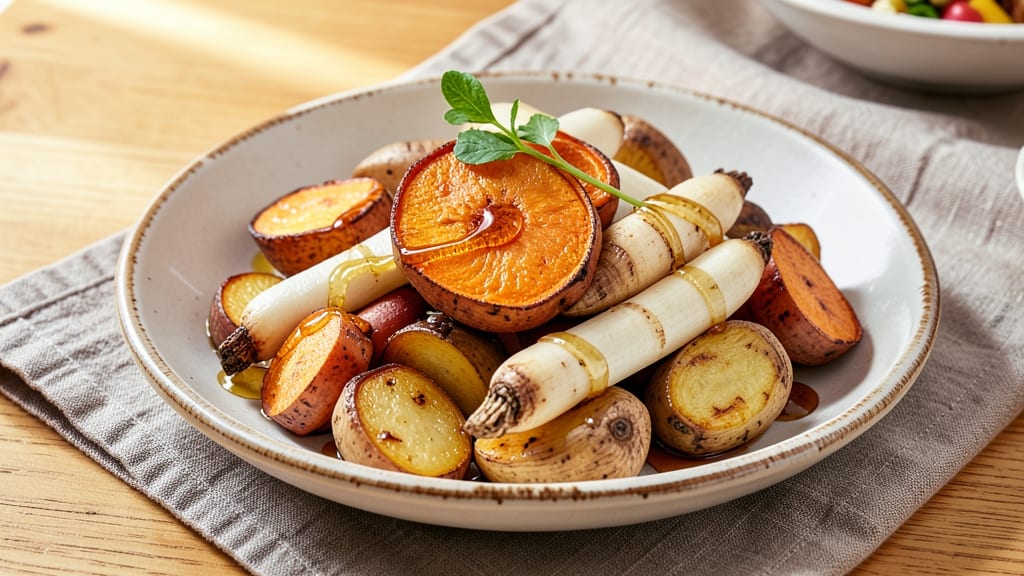
This turnip, parsnip, and sweet potato recipe transforms humble root vegetables into a caramelized, golden masterpiece that rivals any restaurant side dish. 🌟 The secret lies in balancing sweetness with savory spices, creating a dish that's rich, tender, and packed with natural flavors—without relying on meat or dairy.
I developed this recipe after realizing how often these roots get overlooked in favor of more glamorous sides, and honestly, it's a game-changer for weeknight dinners or holiday tables.
The beauty of this recipe is its versatility—it works as a standalone side dish, a hearty mash base, or even a component in stews and curries. Roasting at high heat brings out their natural sweetness while the honey glaze adds a sticky, caramelized crust that makes every bite irresistible.
The combination of earthy parsnips, slightly peppery turnips, and creamy sweet potatoes creates a texture contrast that keeps things interesting.
What you'll end up with is a restaurant-quality side that's surprisingly simple to prepare. The vegetables roast until tender with crispy edges, while the honey glaze adds a touch of sweetness that balances the natural earthiness.
This dish pairs beautifully with grilled meats, roasted chicken, or even as a vegetarian main with a sprinkle of toasted nuts or fresh herbs.
Best of all, it keeps well for 3-4 days in the fridge, making it perfect for meal prep. Whether you're serving a crowd or just treating yourself to a gourmet side, this recipe delivers bold flavors and impressive results with minimal effort. Let's get started!
Ingredients for turnip parsnip sweet potato
Roasting these three roots with honey and aromatic spices creates a restaurant-worthy side that's surprisingly simple.
| Ingredient | Amount | Notes |
|---|---|---|
| Sweet Potatoes 🍠 | 2 lbs | Medium-sized, peeled and cubed |
| Turnips 🥕 | 1 ½ lbs | Peeled and cut into 1-inch chunks |
| Parsnips 🥕 | 1 ½ lbs | Peeled and cut into 1-inch pieces |
| Extra-Virgin Olive Oil 🫒 | ½ cup | High-quality, fruity variety |
| Raw Honey 🍯 | ¼ cup | Local, unprocessed preferred |
| Apple Cider Vinegar 🍎 | 2 tbsp | For balancing sweetness |
| Smoked Paprika 🌶️ | 1 tbsp | For depth of flavor |
| Ground Cumin 🌿 | 1 tsp | Toasted for enhanced aroma |
| Sea Salt 🧂 | 1 ½ tsp | Diamond Crystal preferred |
| Freshly Ground Black Pepper 🌶️ | ½ tsp | Cracked peppercorns preferred |
| Fresh Thyme Leaves 🌿 | ¼ cup | Or 1 tsp dried thyme |
| Fresh Rosemary 🌿 | ¼ cup | Chopped, stems removed |
| Vegetable Broth 💧 | ¼ cup | Low-sodium preferred |
The quality of your root vegetables matters most here. Sweet potatoes should be firm with smooth skin—avoid any with soft spots or sprouts. For turnips and parsnips, look for fresh, vibrant specimens at specialty markets like Whole Foods or Trader Joe's, where they're often sold in the organic produce section. If using conventional stores, check the root cellar section for longer shelf life. The honey should be raw and local—avoid commercial brands with added sugars. For the spices, Penzeys or bulk bins at natural markets provide the freshest options, but standard grocery store brands work fine if properly stored. Fresh herbs should be bright green with no wilting, indicating peak freshness.
No honey? Maple syrup or agave nectar works in a pinch, though the flavor profile shifts slightly. Short on thyme or rosemary? Fresh sage or marjoram can substitute at equal amounts. The apple cider vinegar is crucial for balancing the sweetness—substitute with balsamic vinegar at half the amount if needed. For the smoked paprika, regular paprika plus a pinch of liquid smoke mimics the effect. The vegetable broth can be omitted if you prefer a drier texture, but it adds depth to the caramelization. If using dried herbs, reduce to one-third the amount of fresh, and toast the cumin seeds briefly in a dry pan before grinding for maximum flavor.
Prep the vegetables first—they'll sit in the glaze while you roast. Store honey in a cool, dark place for up to 1 year, and keep fresh herbs wrapped in damp paper towels in a sealed bag for 5-7 days. The roasted vegetables reheat beautifully—simply warm in a 350°F oven for 10 minutes with a splash of water to revive moisture. For meal prep, portion into airtight containers and store for 3-4 days in the fridge, or freeze for up to 3 months. The glaze can be made ahead and stored separately, adding it just before serving for maximum caramelization.
Why You'll Love This Recipe
- One-Pan Magic: I swear by this—just toss the chopped veggies (turnips, parsnips, sweet potatoes) on a sheet pan, drizzle with olive oil, and let the oven do the work. No chopping board chaos, no pots to scrub.
- Honey-Glazed Caramel Perfection: That raw honey roast? It turns the edges into crispy, golden bites while keeping the inside tender—like a sweet potato fritter but better. Honestly, the first time I made it, I ate straight from the pan.
- Meal Prep MVP: Between us, this keeps perfectly for four days in the fridge. Reheat slices in a toaster or toss cold into salads—my lunchbox staple. (Yes, even on a Tuesday night.)
- Pantry Powerhouse: Turnips and parsnips are cheap, sweet potatoes last forever, and olive oil? Always in my cabinet. This recipe turns $5 worth of veggies into something that feels like a restaurant dish. Budget win.
Step-by-step instructions for honey-glazed roasted sweet potatoes, turnips, and parsnips
Here's the method for achieving caramelized edges and deep flavor in your root vegetable medley.
👨🍳 Step 1: Prep and Season the Vegetables
In a large bowl, combine the peeled and cubed 2 lbs sweet potatoes, 1.5 lbs turnips, and 1.5 lbs parsnips. I like to use a mix of sizes here—smaller pieces will cook faster, so I keep the sweet potatoes slightly larger than the turnips and parsnips for visual appeal.
In a separate small bowl, whisk together the 0.5 cup extra-virgin olive oil, 0.25 cup raw honey, 2 tbsp apple cider vinegar, 1 tbsp smoked paprika, 1 tsp ground cumin, 1.5 tsp sea salt, and 0.5 tsp freshly ground black pepper. Pour this mixture over the vegetables and toss gently but thoroughly to coat evenly. Let them sit for 10 minutes—this allows the flavors to meld and the seasoning to penetrate.
Here's the thing—don't skip the tossing. The honey needs time to start caramelizing on the surface, and the vinegar helps balance the sweetness while cutting through the earthiness of the turnips. I always add the herbs last to prevent them from getting soggy during the initial marinating.
🍳 Step 2: Roast Until Caramelized
Preheat your oven to 425°F and arrange two large rimmed baking sheets with parchment paper. Spread the seasoned vegetables in a single layer, leaving about ½ inch between each piece. This spacing ensures even browning and prevents steaming, which would make them soggy.
Roast for 20 minutes, then carefully flip each piece using a sturdy spatula. This is where the magic happens—the first side gets a head start on caramelization while the second side develops its own crispy texture. After flipping, return to the oven for another 15-20 minutes until the edges are deeply caramelized and the vegetables are tender when pierced with a fork.
Watch for the edges to turn a rich amber color—that's your signal they're ready. If you're using an oven thermometer, you might notice the temperature fluctuates slightly, but don't adjust. The natural convection from the roasting process creates those beautiful caramelized edges we're after.
🥘 Step 3: Deglaze and Finish with Herbs
Once the vegetables are tender and caramelized, transfer them to a large bowl. In the same baking sheets, place them over medium heat and add the 0.25 cup vegetable broth. Scrape up all the caramelized bits from the bottom of the pans with a wooden spoon—this is where all the concentrated flavor is hiding.
Let the broth simmer for 2-3 minutes until slightly reduced, then pour it over the roasted vegetables. Stir in the 0.25 cup fresh thyme leaves and 0.25 cup fresh rosemary, tossing gently to combine. The herbs should infuse quickly, adding bright, aromatic notes that cut through the richness of the honey glaze.
This step is the moment that matters: the herbs should be evenly distributed but not overpowering. If you're using dried herbs, reduce to 1 teaspoon each—fresh herbs pack more flavor intensity. Taste and adjust seasoning if needed, adding a pinch more salt or a drizzle of honey if the balance feels off.
⏰ Step 4: Rest and Serve with Crispy Edges
Let the roasted vegetables rest for 5 minutes before serving. This resting period allows the juices to redistribute, ensuring each bite is moist and flavorful. I know it's tempting to serve immediately, but trust me—this short wait makes all the difference in texture and presentation.
Garnish with additional fresh thyme and rosemary sprigs if desired. The vegetables should have beautiful caramelized edges with a tender, slightly crisp interior. Serve warm as a side dish or pile them onto plates for a hearty vegetarian main course. The sweetness of the honey glaze pairs beautifully with savory proteins like grilled chicken or roasted meats.
Real talk: if you have leftovers, they reheat beautifully in a 350°F oven for 10-15 minutes—just add a splash of water to the pan to maintain moisture. The flavors only deepen as they sit, making this dish even more delicious the next day.
Pro Tips For Making Turnip Parsnip Sweet Potato
- CUT ROOTS UNEVENLY: Sweet potatoes and parsnips have stubborn skins—don’t peel them first. Instead, scrub them clean, then slice or cube with the skin on for even cooking. I learned this the hard way when my parsnips turned mushy on the outside while staying raw inside.
- SALT THE HONEY: Toss your roasted veggies with raw honey? Add a pinch of flaky salt first. The salt cuts through the sweetness and makes the honey’s caramelization sing. (Yes, even if you’re impatient like me—wait 2-3 minutes after roasting before drizzling.)
- ROAST IN BATCHES: Crowd the pan, and your turnips will steam instead of crisp. Roast sweet potatoes and parsnips first (they take longer), then add turnips in the last 15 minutes. Your future self will thank you for that golden crust.
- USE DARK OLIVE OIL: Extra-virgin is great, but for this dish, swap in a robust, peppery EVOO (like a Spanish or Greek variety). The deeper flavor carries better when roasted, and it won’t burn as quickly. (I skip this, and the dish tastes flat—don’t ask me how I know.)
Regional styles of this turnip parsnip sweet potato
Southern Comfort Style
In the American South, these roots shine in a slow-cooked honey butter glaze with a touch of hot sauce for heat.
I've seen this version at Southern BBQ joints where they'll roast the vegetables at 325°F for 45 minutes before finishing with a 2-tablespoon butter and honey mixture mixed with 1 teaspoon cayenne pepper.
The key is using stone-ground mustard (like Yellow Mustard) for depth—just 1 tablespoon mixed into the glaze. Serve with cornbread and smoked turkey for a true Southern feast. 🌶️
French Bistro Twist
French chefs elevate these roots with duck fat roasting and a white wine reduction. Start by roasting at 400°F for 30 minutes in duck fat (or olive oil) with 1 crushed garlic clove and 1 sprig thyme.
After roasting, deglaze the pan with ½ cup dry white wine and 1 tablespoon butter, then reduce until syrupy. Toss the vegetables in this sauce and finish with chopped chives. This version pairs perfectly with coq au vin or steak frites. 🍷
Indian Spiced Masala
For an Indian-inspired take, transform these roots into a tandoori-style medley. Toss the cubed vegetables with 2 tablespoons yogurt, 1 teaspoon garam masala, ½ teaspoon turmeric, and 1 teaspoon cumin seeds before roasting at 425°F for 25 minutes.
After roasting, finish with a 1-tablespoon tamarind glaze (mix 1 tablespoon tamarind paste with 1 teaspoon honey) and garnish with toasted cumin seeds and cilantro. This version works beautifully as a vegan curry side or with naan bread. 🌿
Mediterranean Herb Roast
In Mediterranean cuisine, these roots are often roasted with lemon zest and olive oil, then finished with a herb-infused oil. Start by roasting at 400°F for 30 minutes with 1 teaspoon lemon zest, 1 teaspoon dried oregano, and ½ teaspoon cinnamon.
After roasting, drizzle with 2 tablespoons olive oil infused with 1 crushed garlic clove and 1 tablespoon chopped parsley. This version pairs wonderfully with grilled halloumi or Mediterranean grilled fish. 🍋
Japanese Miso-Glazed
For a Japanese-inspired twist, use white miso paste instead of honey. Mix 2 tablespoons white miso, 1 tablespoon mirin, and 1 teaspoon soy sauce with the olive oil before tossing with the vegetables.
Roast at 400°F for 25 minutes, then finish with 1 teaspoon toasted sesame seeds and chopped scallions. This version has a savory-sweet umami profile that pairs beautifully with teriyaki-glazed tofu or miso soup. 🌱
Mexican Street Corn Style
Turn this into a Mexican-inspired street corn by roasting the vegetables with chili powder, lime zest, and cotija cheese. Toss the roasted vegetables with 1 tablespoon chili powder, 1 teaspoon lime zest, and ½ cup crumbled cotija cheese.
Finish with chopped cilantro and a squeeze of lime. Serve with warm tortillas or as a taco filling for a vegetarian option. 🌶️
Nutrition facts
Frequently asked questions
Can I substitute sweet potatoes with regular potatoes?
While you can use regular potatoes, the flavor and texture will be quite different. Sweet potatoes have a natural sweetness and creamier texture that pairs perfectly with the honey glaze and spices. Regular potatoes will be starchier and less sweet, which may require adjusting the honey or vinegar balance. If substituting, use Yukon Gold potatoes for a slightly sweeter option, but expect a less luxurious result.
How do I store leftovers to keep them from drying out?
Store leftovers in an airtight container with a splash of water or vegetable broth to maintain moisture. Reheat in a 350°F oven for 10-15 minutes—the residual moisture helps revive the texture. For longer storage, freeze portions in a single layer before transferring to a freezer bag for up to 3 months. Thaw overnight in the fridge before reheating.
What's the best way to make this dish vegan?
This recipe is already vegan! The honey glaze can be replaced with maple syrup or agave nectar for a plant-based alternative. Just reduce the amount slightly (2 tablespoons less) since these sweeteners are less concentrated than honey. All other ingredients are naturally vegan, and the dish maintains its rich, caramelized flavor without any animal products.
Why do my turnips and parsnips turn out mushy?
Overcrowding the baking sheet or under-roasting causes mushy vegetables. Always spread them in a single layer with ½-inch spacing and roast until tender with crisp edges. For extra insurance, parboil the turnips and parsnips for 3-4 minutes before roasting to jumpstart tenderness. Check doneness with a fork—it should slide in easily but still offer slight resistance.
Can I make this ahead of time for a holiday meal?
Prepare the vegetables up to 2 days ahead and store them in the fridge. Reheat in a 350°F oven for 15 minutes with a splash of water or broth to restore moisture. For serving, add fresh herbs and a drizzle of extra honey glaze just before plating. The flavors actually improve overnight as the spices meld together. Perfect for stress-free holiday prep!