
Side Dishes
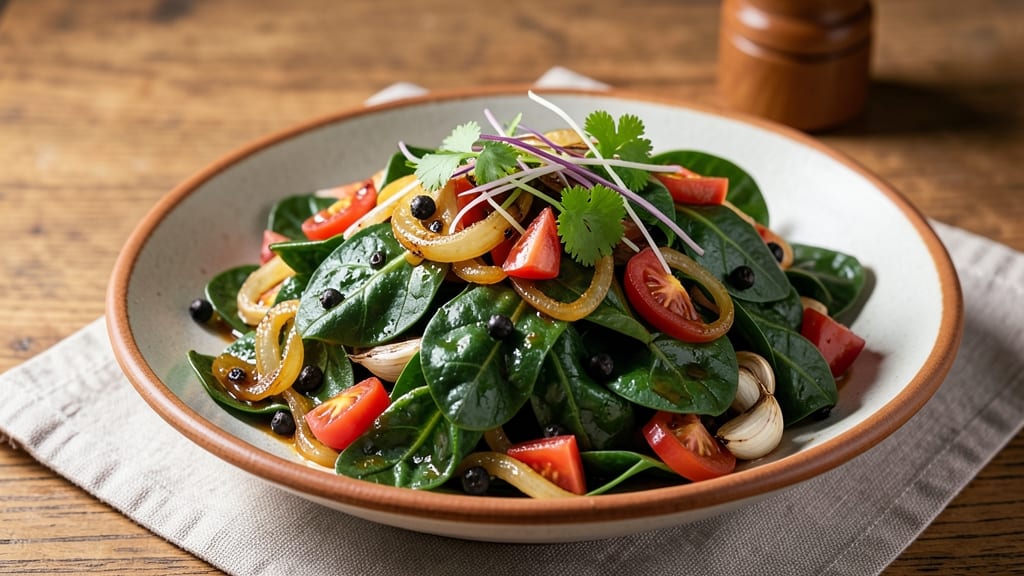
This African potato leaves recipe transforms humble greens into a flavor-packed side dish with deep, nutty, and garlicky notes that elevate any meal. 🌟 The secret lies in slow-cooking the leaves with onions, tomatoes, and aromatic spices until they're tender yet still vibrant—a technique rooted in West African cuisine but easily adapted for modern kitchens.
Whether served alongside grilled fish, roasted meats, or steamed rice, these greens bring bold, earthy richness to the table.
The beauty of this recipe is its simplicity: just a handful of ingredients work together to create a dish that's both comforting and sophisticated. You'll start by sautéing onions and garlic until fragrant, then add tomatoes and spices to build a flavorful base before incorporating the potato leaves.
The result is a dish that's hearty enough to stand alone but versatile enough to complement a variety of proteins and grains.
What sets this recipe apart is the way the flavors develop over time—slow simmering allows the greens to soften while absorbing the savory, slightly sweet tomato and spice mixture.
The final texture is tender yet still holds a satisfying bite, with a depth of flavor that comes from traditional cooking methods. This is a dish that feels like a warm embrace, perfect for family gatherings or cozy weeknight dinners.
Pair these potato leaves with your favorite West African-inspired dishes, such as jollof rice, fried plantains, or grilled chicken, for a meal that's as nourishing as it is delicious. The recipe scales easily, making it ideal for feeding a crowd or prepping ahead for the week.
Let's get started on creating this flavorful, nutrient-rich side dish that brings a taste of Africa to your kitchen.
Ingredients for african potato leaves
Just twelve ingredients transform simple greens into a rich, garlicky West African side dish.
| Ingredient | Amount | Notes |
|---|---|---|
| African Potato Leaves 🌿 | 12 oz | Fresh or frozen, stems removed |
| Yellow Onions 🧅 | 1 whole | Medium-sized, thinly sliced |
| Garlic Cloves 🧄 | 4 cloves | Minced, fresh preferred |
| Tomatoes 🍅 | 2 medium | Ripe, diced (about 1 cup) |
| Vegetable Oil 🫒 | 2 tbsp | For sautéing, neutral flavor |
| Ground Black Pepper 🌶️ | ½ tsp | Freshly ground preferred |
| Salt 🧂 | 1 tsp | Kosher or sea salt |
| Ground Cumin 🌿 | ½ tsp | Toasted for deeper flavor |
| Smoked Paprika 🌶️ | ½ tsp | For smoky depth |
| Fresh Ginger 🌿 | 1 tbsp | Grated, fresh preferred |
| Scotch Bonnet Peppers 🌶️ | 1 whole | Seeded, finely chopped (adjust for heat) |
| Bay Leaves 🌿 | 2 whole | Dried, for aroma |
| Water 💧 | ½ cup | For simmering |
The potato leaves are the star, so look for fresh bunches at West African markets or frozen packs in the international foods section. Costco and Whole Foods often carry them dried too—just soak overnight first. Fresh ginger and Scotch bonnet peppers add the signature heat and aroma; Trader Joe's carries Scotch bonnet if you can't find them elsewhere. The tomatoes should be ripe but firm—heirloom varieties have the best flavor. For the onions, yellow or red work equally well, but yellow has slightly more sweetness when caramelized.
No Scotch bonnet? Jalapeño or habanero at half the amount gives similar heat. Fresh ginger too expensive? Ground ginger at one-third the quantity works, though it lacks the zing. The bay leaves are non-negotiable for that authentic flavor—California or Mexican bay leaves from Penzeys are ideal. For the tomatoes, if you're using canned, San Marzano crushed tomatoes add depth without extra prep. The potato leaves can be pre-washed frozen packs—just thaw and drain well before cooking.
This dish tastes even better the next day as flavors meld. Store in an airtight container for 4-5 days in the fridge. Freezes beautifully for 3 months—portion into containers for easy reheating. The greens soften when reheated, so add a splash of water when warming. For extra richness, stir in a spoonful of nut butter or coconut milk when serving.
Why You'll Love This Recipe
- No-Chop Nightmare: I swear, the leaves come pre-washed and ready to use—just tear, not dice. That’s 10 minutes I don’t have to spend scrubbing or chopping when I’m starving after work.
- Garlic-Tomato Magic: The slow-simmered garlic and onions caramelize into this deep, savory base, while the tomatoes add just enough tang to balance the earthy leaves. It’s the kind of flavor that makes you reach for seconds without even thinking.
- Lunchbox Hero: Between us, this reheats like a dream—pack it cold for work or warm it up in a bowl at school. My kids actually eat their veggies when it’s wrapped in these leaves, and honestly? That’s a win I’ll take any day.
- Pantry Staple Power: African potato leaves last forever in the freezer, and onions/garlic/tomatoes are cheap. I’ve made this for date nights, potlucks, and even as a side for Sunday roast—no fancy ingredients, just pure satisfaction.
Step-by-step instructions for African potato leaves
Transform these earthy greens into a flavorful dish with bold aromatics and smoky depth.
🍳 Step 1: Sauté the Aromatic Base
Heat the 2 tablespoons vegetable oil in a large skillet over medium heat until shimmering. Add the thinly sliced yellow onions and cook for 5 minutes until softened and translucent. This foundational step builds flavor—don't rush it.
Add the minced garlic cloves and finely chopped Scotch bonnet peppers (remove seeds for less heat) to the onions. Cook for 1 minute until fragrant—you'll smell the garlic release its sweet notes and the peppers add subtle heat. Here's where the magic begins.
🍳 Step 2: Toast the Spices and Add Tomatoes
Stir in the ground cumin, smoked paprika, and grated fresh ginger. Toast for 30 seconds until the spices release their aromas—you'll see the mixture darken slightly. This step deepens the flavor profile significantly.
Add the diced tomatoes to the skillet and cook for 3-4 minutes until they begin to soften. The tomatoes will release their juices, creating a light sauce base. Stir occasionally to prevent sticking—this is where the sauce starts to develop its rich texture.
🥘 Step 3: Simmer with Bay Leaves and Water
Pour in the ½ cup water and add the 2 whole bay leaves. Bring to a gentle simmer over medium-low heat and let cook for 5 minutes until the liquid reduces by half. This step concentrates the flavors and prepares the base for the greens.
Taste the mixture and adjust seasoning with the 1 teaspoon salt and ½ teaspoon ground black pepper. The sauce should be balanced—savory from the tomatoes, smoky from the spices, and slightly sweet from the caramelized onions. If needed, add a pinch more salt or pepper to taste.
👨🍳 Step 4: Cook the African Potato Leaves
Add the 12 ounces African potato leaves to the skillet, stirring gently to coat them evenly in the sauce. Cover with a lid and cook for 5-7 minutes over medium heat until the leaves begin to wilt and turn tender. The heat should be steady but not boiling—you want to steam the greens gently.
Uncover the skillet and cook for an additional 2-3 minutes until the leaves are fully tender and the sauce has thickened slightly. The leaves should be bright green and easily fork-tender. If they're still crisp, cook for another minute—overcooking will make them mushy.
🍽️ Step 5: Serve with Flavorful Accompaniments
Remove the bay leaves before serving. Divide the African potato leaves among 4 plates, ensuring each serving has an even distribution of greens and sauce. The dish should be vibrant with deep green leaves and a rich, garlicky sauce clinging to them.
For an authentic touch, serve with steamed rice or boiled plantains. The smoky, nutty flavors of the African potato leaves pair beautifully with these staples. The dish should be served warm—this is when the flavors are most vibrant and the textures perfect.
Pro Tips For Making African Potato Leaves
- STEAM THE LEAVES FIRST: I learned this the hard way—skipping the initial steam softens those tough leaves into oblivion. Boil them for 8-10 minutes in salted water until they’re pliable but not mushy, then shock in ice water. This keeps them from turning to sludge when you fry them later.
- CHOP ONIONS THIN AND EVEN: African potato leaves need space to crisp properly, so don’t be lazy with the onions. Slice them into paper-thin half-moons—this ensures even cooking and prevents soggy spots. A sharp knife and a steady hand make all the difference.
- DON’T OVERCROWD THE PAN: This isn’t the prettiest method, but it’s the tastiest: fry the leaves in small batches. A packed pan steams instead of crisps, and you’ll end up with limp, greasy leaves. Give them room to sizzle—patience here guarantees that satisfying crunch.
- SAUTÉ GARLIC LAST, LOW AND SLOW: After burning three batches, I finally figured out: garlic belongs in the pan only at the very end, cooked on the lowest heat possible. High heat torches it into bitterness—what you want is a mellow, nutty aroma that blends seamlessly with the tomatoes. Stir constantly, but keep it gentle.
Wine and beer pairings for these flavors
West African Red Wine
For a bold pairing, reach for a West African-inspired red wine like Pinotage from South Africa. This full-bodied wine has earthy, berry notes that complement the smoky paprika and nutty depth of the potato leaves.
I love Delaire Graff Pinotage—its dark fruit flavors and subtle spice echoes the dish's complexity. Serve slightly chilled to enhance its refreshing acidity against the rich greens. 🍷
Crisp White Wine
A Sauvignon Blanc from New Zealand or South Africa offers bright citrus and herbal notes that cut through the dish's richness. Look for Cloudy Bay Sauvignon Blanc—its zesty lime and green apple flavors balance the garlicky, earthy profile of the leaves.
The wine's crisp acidity also cleanses your palate between bites. Keep it well-chilled for the best experience.
Malty Beer Pairing
For beer lovers, a West African-style lager like Guinness or Nigerian Star adds a malty sweetness that contrasts beautifully with the dish's smoky heat. The dark roasted notes in Guinness complement the cumin and paprika, while its creamy texture softens the greens' earthiness.
Serve at 45°F to preserve its smooth, velvety mouthfeel. 🍺
Light Lager Option
If you prefer something lighter, a Mexican lager like Modelo Especial or Corona works surprisingly well. The beer's subtle citrus and mild hop bitterness enhance the dish's garlic and ginger notes without overpowering them. The crisp finish also refreshes your palate between each flavorful bite of greens.
Non-Alcoholic Pairings
For a refreshing non-alcoholic option, try a hibiscus iced tea—common in West African cuisine. The tart, cranberry-like flavor mirrors the Scotch bonnet's heat while balancing the dish's richness.
Add a splash of ginger beer for extra zing, or serve with sparkling water and lime for a crisp, clean contrast to the smoky greens. 💧
Nutrition facts
Frequently asked questions
What's the best way to prepare African potato leaves if I can't find fresh ones?
Frozen or dried African potato leaves work perfectly! If using frozen, simply thaw and drain well before cooking. For dried leaves, soak them in warm water for 15-20 minutes to rehydrate, then drain and pat dry. Both methods yield tender, flavorful greens that cook just like fresh.
Can I make this recipe without Scotch bonnet peppers?
Use ½ a jalapeño or ¼ habanero for milder heat, or omit them entirely for a completely spice-free version. The dish will still have rich, garlicky depth—just without the fiery kick. Adjust the quantity based on your preferred spice level.
How do I know when the potato leaves are fully cooked?
The leaves are done when they're bright green, wilted, and easily fork-tender—usually after 7-10 minutes of cooking. They should collapse slightly but still hold their shape. Overcooking turns them mushy, so keep an eye on them during the final 2-3 minutes of uncovered cooking.
What's the secret to making these leaves extra flavorful?
Toast the spices for 30 seconds before adding tomatoes—this releases their aromas and deepens the flavor. Also, let the onions caramelize for 5 minutes to build a sweet, savory base. Finally, simmer the sauce uncovered at the end to concentrate the flavors. These small steps make a big difference!
Can I make this dish ahead of time?
Yes! This recipe tastes even better the next day as flavors meld. Store in an airtight container for 4-5 days in the fridge. For reheating, add a splash of water to prevent drying out. It also freezes beautifully for 3 months—perfect for meal prep! The textures hold up well when reheated gently.