
Salads
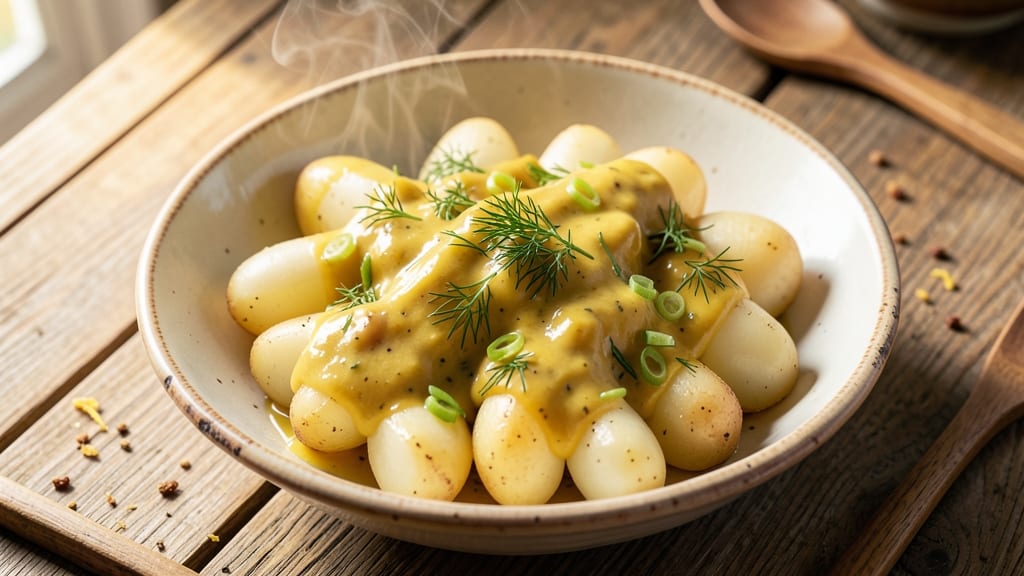
This Amish German potato salad recipe delivers the crisp vinegar-based crunch that sets it apart from creamy mayo versions. My grandmother's handwritten notes revealed the secret: hard-boiled potatoes tossed with tangy vinegar, mustard, and just enough oil for texture.
The result is a salad that stays fresh for days without turning soggy—a perfect side for picnics or summer gatherings.
The beauty of this recipe lies in its simplicity. No fancy techniques required—just boiled potatoes, cooled completely, then tossed with a dressing of vinegar, mustard, and a touch of sweetness. The optional additions like hard-boiled eggs, celery, or onions add depth, but the core remains true to its rustic roots.
This is the kind of dish that brings comfort to any table.
What makes this potato salad special is its ability to shine as both a side dish and a main course. The vinegar dressing preserves the potatoes' texture while adding a bright tang that cuts through richer main dishes.
It's also incredibly versatile—serve it warm or cold, at potlucks or family dinners, and it will always be the star of the meal.
This recipe carries generations of tradition in every bite, yet it's simple enough for weeknight cooking. The key is patience—letting the potatoes cool completely before dressing ensures they hold their shape. Once you try this version, mayo-based potato salads will feel like a distant memory.
Ingredients for amish german potato salad
Nine core ingredients plus optional crunchy extras. Traditional Amish German potato salad relies on vinegar's tang.
| Ingredient | Amount | Notes |
|---|---|---|
| Yukon Gold Potatoes 🥔 | 3 lb | Medium size, peeled and quartered |
| White Vinegar 🍶 | 1 cup | Distilled or apple cider vinegar |
| Yellow Mustard 🌶️ | ¼ cup | Prepared, not powdered |
| Granulated Sugar 🍚 | ¼ cup | Light brown preferred for depth |
| Vegetable Oil 🫒 | ½ cup | Light or canola preferred |
| Salt 🧂 | 1 ½ tsp | Diamond Crystal kosher preferred |
| Fresh Dill 🌿 | ¼ cup | Chopped, stems removed |
| Hard-Boiled Eggs 🥚 | 4 whole | Optional, chopped for garnish |
| Celery Stems 🧅 | 2 whole | Diced, optional for crunch |
| Yellow Onion 🧅 | 1 whole | Medium size, finely diced |
| Black Pepper 🌶️ | ½ tsp | Freshly ground preferred |
| Paprika 🌶️ | ¼ tsp | Smoked variety for depth |
The potatoes are everything here. Yukon Golds stay firm when boiled, but any waxy variety works—red potatoes add color if you're feeling festive. Boil them in salted water until tender but not mushy (about 15-20 minutes), then cool completely before tossing. My grandmother swore by Whole Foods Market for her potatoes, but honestly any grocery store's waxy potatoes will do. The key is cooling them thoroughly—room temperature potatoes absorb dressing better and stay crisp. Look for potatoes with smooth, unblemished skins—those bruised spots turn mushy when cooked.
No vinegar? Lemon juice at half the amount works in a pinch, but it won't have the same depth. The mustard can be swapped for Dijon at double the quantity if you prefer more complexity. For the sugar, honey or maple syrup adds subtle sweetness, but keep it to the same amount. If you're avoiding oil, use apple cider vinegar instead—it adds a fruity note. The optional add-ins? Celery from Trader Joe's stays crisp longer than store-brand, and farm-fresh eggs from local markets have richer yolks. For the dill, fresh is non-negotiable—dried just won't cut it here. If you can't find fresh, dried dill at one-third the amount is better than nothing, but your salad will miss that bright herbal punch.
This salad keeps beautifully—5 days in the fridge sealed in a container, or 3 months frozen if you want to make it ahead. The potatoes actually taste better the next day as the flavors meld. I always make a double batch because it disappears fast at picnics. For serving, I like to mound it on a wooden board with a sprig of fresh dill on top—it looks rustic and feels special. If you're taking it to a potluck, pack the dressing separately and toss it together just before serving to keep the potatoes from getting soggy. The flavors only get better with time, so don't be afraid to make it a day ahead.
Why You'll Love This Recipe
- No Boil, No Fuss: I swear by this method—just slice those Yukon Golds while they’re still cold, no peeling needed. Toss them in oil and vinegar, let them crisp in the oven, and boom. Done. The potatoes stay firm, the edges get that satisfying crunch, and I’m not stuck babysitting a pot on the stove.
- Sweet-Tangy Magic: That sugar-vinegar-mustard mix? It’s the secret. The vinegar cuts through the richness of the oil, the sugar mellows the bite, and the mustard ties it all together like a hug. Honestly, it’s the kind of flavor that makes you reach for seconds without even thinking.
- Potluck Hero: This salad holds up like a champ—no soggy texture, no weird aftertaste. I’ve brought it to picnics, church dinners, and even my in-laws’ house (yes, the ones who “don’t like potato salad”), and it’s always the first to disappear. Plus, it’s cheap enough to make twice if you’re feeding a crowd.
- Leftovers? Better: Between us, this tastes even better the next day. The flavors meld, the potatoes soak up the dressing just right, and it’s the easiest lunch or snack to throw together. I keep a big jar in the fridge for “emergency” days when I’m too tired to cook—and trust me, it’s saved me more than once.
Step-by-step instructions for Amish German potato salad
This traditional recipe delivers a tangy, vinegar-based salad with perfect texture and bold flavor.
Boil the Potatoes Until Fork-Tender
Place the 3 lb Yukon Gold Potatoes (peeled and quartered) in a large pot and cover with cold water by about 2 inches. Add 1.5 tsp Salt to the water and bring to a rolling boil over high heat. Once boiling, reduce heat to medium-high and cook for 12-15 minutes until the potatoes are fork-tender with a slight bite remaining.
Drain the potatoes immediately and return them to the pot. Let them steam-dry for 2-3 minutes to remove excess moisture. This step is crucial—it prevents a watery salad. I like to shake the pot gently to help evaporate any remaining water droplets.
Prepare the Vinegar Dressing
In a medium bowl, whisk together the 1 cup White Vinegar, 0.25 cup Yellow Mustard, 0.25 cup Granulated Sugar, 0.5 cup Vegetable Oil, 0.5 tsp Black Pepper, and 0.25 tsp Paprika. The mixture should be smooth and slightly thick. Taste and adjust seasoning if needed—this is your flavor foundation.
Here's the thing—don't rush this step. The vinegar and sugar need to fully dissolve and blend with the mustard and oil. If the dressing looks too thick, add 1-2 tablespoons of warm water to loosen it slightly. The dressing should coat the back of a spoon but still be pourable.
Combine Potatoes and Dressing
While the potatoes are still warm, pour the dressing over them in the pot. Using a wooden spoon or rubber spatula, gently fold everything together until the potatoes are evenly coated. Let the salad cool to room temperature before refrigerating—this allows the flavors to meld properly.
I press down on the potatoes with the back of the spoon during folding to ensure the dressing penetrates every piece. The potatoes should absorb the dressing completely, developing a glossy sheen. If any potatoes remain dry, add a splash of dressing and fold again.
Add Fresh Ingredients and Chill
Transfer the potato mixture to a large serving bowl. Stir in the 0.25 cup Fresh Dill, finely diced Yellow Onion, and diced Celery Stems. Gently fold in the 4 chopped Hard-Boiled Eggs (if using) just before serving to keep them whole and vibrant.
Cover the bowl and refrigerate for at least 2 hours (or up to 24 hours) before serving. The longer it chills, the more the flavors develop and the potatoes absorb the dressing. This waiting period transforms a good salad into an exceptional one—trust the process.
Serve with Crisp Garnishes
Before serving, give the salad one final gentle toss to redistribute all the ingredients. The potatoes should be completely coated in dressing with no dry spots. Garnish with additional chopped fresh dill and a sprinkle of paprika for color and extra flavor.
This salad tastes best when served slightly chilled but not ice cold. The vinegar dressing creates a perfect balance of tangy, sweet, and savory flavors that complement the creamy potatoes. The hard-boiled eggs add a nice contrast in texture, while the celery and onion provide fresh crunch.
Pro Tips For Making Amish German Potato Salad
- Boil Potatoes Until Fork-Tender: I learned this the hard way—undercooked potatoes turn mushy later when the vinegar and mustard hit. Boil Yukon Golds until they’re just fork-tender (a knife slides in easily but still has slight resistance). Drain immediately and let them steam-dry for 2 minutes in the pot—this prevents that sad, watery texture that ruins the dressing’s grip.
- Chill the Dressing First: Mixing cold ingredients into warm potatoes is a recipe for disaster. Whisk the vinegar, mustard, sugar, and oil together first, then refrigerate for 10 minutes. The dressing will thicken slightly and coat the potatoes better instead of separating into a greasy mess. (Yes, even if you’re impatient like me.)
- Use Less Oil Than You Think: Amish German potato salad isn’t mayo-based, so the oil is the fat that makes it creamy. Measure it out—about ¼ cup for a standard batch—and resist the urge to eyeball it. Too much makes it heavy; too little leaves the potatoes dry. A splash of vinegar after mixing helps emulsify it properly.
- Add Vinegar Gradually: Dumping all the vinegar at once turns the salad into a tangy glaze. Start with half the amount called for, toss the potatoes, then add the rest a tablespoon at a time while tasting. You’re aiming for bright, not puckery—this is the thing that matters most for that classic Amish balance. (Your future self will thank you.)
Flavor customization for these flavors
Sweet-Tangy Balance
Adjust the sugar-to-vinegar ratio to suit your taste. For extra tang, add 1 extra tablespoon of vinegar—I like apple cider vinegar for its fruity notes. Need more sweetness? Swap 2 tablespoons of sugar for honey or 1 tablespoon maple syrup.
My grandmother always used light brown sugar for depth, but white sugar works in a pinch. The key is balance: the dressing should taste like it needs more, not too much of one flavor. 🍶
Herb Variations
Fresh dill is traditional, but don't be afraid to experiment. Swap in chopped chives for a milder flavor or parsley for brightness. For a Mediterranean twist, add 1 tablespoon dried oregano to the dressing.
I once added ½ teaspoon dried tarragon for an unexpected but delicious twist. Always use fresh herbs if possible—they make a world of difference. 🌿
Spicy Kick
Add heat with ½ teaspoon cayenne pepper or 1 teaspoon hot sauce like Frank's RedHot. For smoky heat, stir in ½ teaspoon smoked paprika with the dressing. My favorite? A pinch of crushed red pepper flakes sprinkled on top right before serving.
The vinegar dressing already has bold flavor, so a little goes a long way—start small and adjust to taste. 🌶️
Crunchy Add-Ins
Boost texture with ½ cup diced pickles (like bread-and-butter) for tangy crunch or ¼ cup chopped walnuts for richness. For extra freshness, add ¼ cup diced bell pepper—red or green both work.
I love adding 2 tablespoons capers for a briny punch. Just be mindful of moisture—add these ingredients right before serving to keep everything crisp. 🥒
Protein Boost
Turn this into a hearty meal by stirring in 1 cup cooked chicken breast, ½ cup crumbled bacon, or ½ cup canned tuna. For a vegetarian option, add ½ cup chickpeas drained and rinsed.
The protein pairs perfectly with the vinegar dressing. I often add ¼ cup crumbled feta cheese for a Mediterranean-inspired twist. Just fold these in gently to avoid breaking up the potatoes. 🍗
Seasonal Swaps
In summer, add ½ cup diced cucumber for freshness. In fall, stir in ½ cup roasted butternut squash cubes for sweetness. For winter, try ½ cup sautéed mushrooms for earthiness.
Spring calls for asparagus tips—lightly blanched and chilled. These additions keep the salad vibrant year-round while maintaining that classic Amish German flavor profile. 🍂
Nutrition facts
Frequently asked questions
Why does this potato salad use vinegar instead of mayo?
Traditional Amish German potato salad relies on vinegar's tangy brightness to keep potatoes crisp without turning mushy. The vinegar dressing also preserves the salad for days in the fridge—no soggy texture here! Plus, it creates a perfect balance with sweet and savory flavors that mayo can't match.
Can I make this potato salad ahead of time?
This salad tastes even better after 24 hours in the fridge as flavors meld. Store it in an airtight container and keep the dressing separate until ready to serve. The potatoes will absorb the dressing perfectly overnight, giving you a restaurant-quality dish with minimal effort.
What's the secret to keeping the potatoes from getting soggy?
Let the boiled potatoes cool completely before adding dressing—this is non-negotiable! Also, steam-dry them for 2-3 minutes after draining to remove excess moisture. The vinegar dressing works its magic by coating the potatoes' skins, locking in crispness while adding flavor.
Are there any substitutions for the mustard?
Yes! For a milder flavor, use Dijon mustard at double the quantity (½ cup). If you're avoiding mustard entirely, try 1 tablespoon lemon juice + 1 tablespoon honey for tangy sweetness. The key is balancing acidity—vinegar alone won't provide enough body for the dressing.
How do I serve this potato salad at a picnic?
Pack the potatoes and dressing separately in leak-proof containers. Right before serving, toss them together in a large bowl. Keep it chilled in a cooler with ice packs—this salad stays fresh for hours. For extra picnic appeal, serve it in a vintage-style crock with fresh dill garnishes.