
Side Dishes
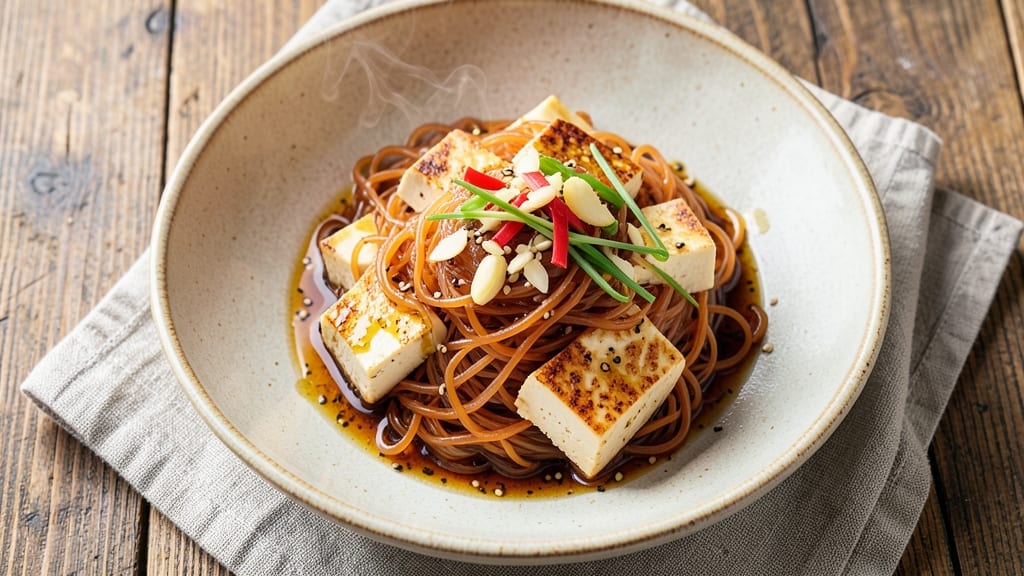
This Asian sweet potato noodle recipe transforms humble ingredients into a silky-sweet stir-fry that balances earthy sweet potatoes with bold umami flavors. The secret lies in perfectly cooked sweet potato noodles—whether shirataki or spiralized—that absorb the savory-sweet sauce while maintaining their tender texture.
I developed this recipe after craving something hearty yet light, and the result is a dish that feels both comforting and sophisticated.
The flavor profile combines traditional Asian elements like garlic, ginger, and soy with a touch of sesame for depth, creating a sauce that's rich yet balanced.
Whether you're using shirataki noodles for a low-carb option or spiralized sweet potatoes for a heartier texture, the technique ensures they stay tender while developing a subtle caramelization. The crispy sesame finish adds a satisfying crunch that elevates every bite.
What makes this recipe stand out is its versatility—it works as a standalone vegetarian dish or pairs beautifully with grilled proteins. The sauce is easily adjusted for dietary preferences, whether you're omitting fish sauce for a vegan version or adding a splash of coconut milk for extra creaminess.
The dish comes together in under 30 minutes, making it perfect for weeknight dinners or meal prep.
Serve this silky-sweet stir-fry garnished with fresh green onions and extra sesame seeds for added texture and color. The aroma alone will draw everyone to the table, and the first bite delivers a perfect harmony of sweet, savory, and nutty flavors. Let's get cooking!
Ingredients for asian sweet potato noodle
Eight essential ingredients for a vegetarian stir-fry that balances sweet, savory, and nutty flavors perfectly.
| Ingredient | Amount | Notes |
|---|---|---|
| Sweet Potato Noodles (shirataki or spiralized) 🍠 | 8 oz | Rinsed thoroughly if shirataki |
| Extra-Firm Tofu 🥬 | 1 lb | Pressed and cubed |
| Garlic Cloves 🧄 | 4 cloves | Minced finely |
| Fresh Ginger 🌿 | 1 tbsp | Grated finely |
| Sesame Oil 🫒 | 1 tbsp | Toasted for aroma |
| Soy Sauce 🍶 | 3 tbsp | Low-sodium preferred |
| Rice Vinegar 🍶 | 2 tbsp | White or seasoned |
| Maple Syrup 🍁 | 1 tbsp | Pure grade preferred |
| Toasted Sesame Seeds 🌰 | 2 tbsp | For garnish |
| Green Onions 🧅 | 3 whole | Thinly sliced |
| Vegetable Oil 🫒 | 2 tbsp | High smoke point |
| Sesame Paste 🌰 | 1 tbsp | For sauce depth |
| Red Pepper Flakes 🌶️ | ½ tsp | Optional for heat |
| Salt 🧂 | ½ tsp | Kosher preferred |
The sweet potato noodles are the star—shirataki noodles (konjac-based) are ideal for a low-carb option, while spiralized sweet potatoes add heartier texture. Asian markets carry shirataki in packages, but if unavailable, Trader Joe's or Whole Foods often stock them. For spiralized sweet potatoes, use a mandoline or peeler to create thin, even strands. The tofu should be extra-firm—press it between paper towels for 20 minutes to remove excess water before cubing. Fresh ginger and garlic are non-negotiable for authentic flavor, so grab them at the produce section or frozen aisle if fresh isn't available.
No sesame oil? Toasted peanut oil works in a pinch, though sesame adds that signature nutty depth. For a vegan-friendly sauce, omit fish sauce entirely—extra soy sauce plus a splash of coconut aminos mimics the umami. The maple syrup can be swapped for agave nectar or brown sugar if preferred, though maple adds a subtle caramel note. If you're sensitive to heat, skip the red pepper flakes entirely—the dish is rich enough on its own. For extra crunch, lightly toast the sesame seeds in a dry pan before using, or buy pre-toasted from Penzeys Spices for convenience.
Prep the noodles first—they cook in minutes. Store shirataki noodles in the fridge for up to 1 week in their packaging, but rinse them well before using to remove any lingering odor. Tofu keeps for 5 days in the fridge if stored in water, while fresh ginger lasts 2 weeks in the vegetable drawer. The sauce can be made ahead and stored for 3 days in an airtight container. For meal prep, assemble the dish without the sesame seeds and garnish until ready to serve—this keeps the texture crisp. Garnish with extra green onions and sesame seeds right before eating for maximum freshness.
Why You'll Love This Recipe
- No-Rinse Cleanup: I swear by the shirataki noodles here—just rinse them once, toss in the pan, and you’re done. No sticky pots, no scrubbing, just wipe the pan with a paper towel and call it a night.
- Umami Bomb: That crispy tofu with the garlic-ginger-sesame oil glaze? It’s the kind of flavor that hits you like a warm hug. The sweet potatoes soak it up like a sponge, making every bite rich and satisfying.
- Lunchbox Hero: Pack these cold or reheated—they’re perfect for work lunches, picnics, or even a quick snack. Honestly, I’ve sent this in a thermos twice this week, and no one’s complained (yet).
- Budget Win: Tofu and shirataki noodles stretch a long way, and they’re cheaper than takeout. I made this for four people for under $10, and we all ate seconds—proof it’s a smart move for your wallet.
Step-by-step instructions for Asian sweet potato noodle stir-fry
This recipe delivers a harmonious balance of silky sweet potato noodles and savory tofu with a nutty sesame finish.
Prepare the Sweet Potato Noodles
Start by rinsing the 8 oz sweet potato noodles thoroughly under cold water if using shirataki noodles. This removes any excess odor and surface starch. Drain well and pat dry with paper towels, then transfer to a bowl. Toss the noodles with 1 tablespoon sesame oil and let them sit for 5 minutes while you prepare the remaining ingredients. This step enhances their natural sweetness and prevents sticking during cooking.
While the noodles marinate, press the 1 lb extra-firm tofu between two paper towels or clean kitchen towels. Place a heavy object on top for 10 minutes to remove excess moisture. This ensures your tofu will sear properly rather than steam. Once pressed, cut the tofu into ½-inch cubes and set aside on a plate.
Build the Sauce and Sauté Aromatics
In a small bowl, whisk together 3 tablespoons soy sauce, 2 tablespoons rice vinegar, 1 tablespoon maple syrup, 1 tablespoon sesame paste, 0.5 teaspoon red pepper flakes, and 0.5 teaspoon salt. Set this mixture aside—it's the flavor foundation for your stir-fry. The sesame paste adds depth while the maple syrup balances the savory notes.
Heat 2 tablespoons vegetable oil in a large skillet or wok over medium-high heat. Add the 4 minced garlic cloves and 1 tablespoon finely grated ginger, cooking for 30 seconds until fragrant. Be careful not to let the garlic burn—it should turn golden without browning. Add the pressed tofu cubes and cook for 5-6 minutes, stirring occasionally, until they develop a light golden crust on all sides.
Combine Noodles and Sauce
Push the tofu to one side of the skillet and add the prepared sweet potato noodles to the empty space. Toss them with the garlic and ginger for 1 minute to coat with the aromatic oils. Pour the sauce mixture over the noodles and tofu, then stir everything together vigorously. Cook for 3-4 minutes until the noodles soften slightly and absorb the sauce.
Here's where the magic happens: the noodles should be tender but still hold their shape, with a glossy sheen from the sauce. If the mixture looks too thick, add 1-2 tablespoons water to loosen it. The ideal consistency is silky yet slightly clingy, allowing each bite to coat your tongue with flavor.
Finish with Crunchy Garnishes
Remove the stir-fry from heat and transfer to serving bowls. Garnish each portion with 2 tablespoons toasted sesame seeds and 3 thinly sliced green onions. The sesame seeds add a satisfying crunch that contrasts beautifully with the silky noodles, while the green onions provide a fresh finish. Serve immediately while the noodles are still warm and the flavors are vibrant.
This dish comes together quickly but delivers restaurant-quality results. The balance of sweet, savory, and nutty elements makes it perfect for a light yet satisfying meal. For extra heat, serve with additional red pepper flakes on the side, or drizzle with a bit more sesame oil for richness.
Pro Tips For Making Asian Sweet Potato Noodle
- Rinse Shirataki Twice: I learned this the hard way—those store-bought sweet potato noodles come with a weird, slimy coating that will ruin your dish if you don’t rinse them thoroughly. Run them under cold water for at least 30 seconds, then give them a good squeeze to remove excess moisture. Trust me, your sauce won’t turn into a gluey mess.
- Press Tofu Like a Pro: Skip the paper towels—extra-firm tofu still holds water if you’re not careful. Wrap the block in a clean kitchen towel, place a heavy pan on top, and let it sit for 10 minutes. This ensures crispy edges when you pan-fry it later, and it won’t release soup into your stir-fry.
- Sear Tofu in Batches: I used to crowd my pan and end up with soggy, unevenly cooked tofu every time. Work in small batches—two or three at most—so the tofu sizzles properly and develops that golden crust. A hot, dry pan is your friend here; don’t skimp on the oil.
- Toast Ginger Until Fragrant: Peel and slice that ginger thin, then toss it in the pan before the garlic. Let it sit for 30 seconds until it releases its aroma—this deepens the flavor more than just mincing it raw. If you’re impatient, lower the heat slightly, but don’t rush it. The extra effort makes a real difference.
Common mistakes when making this recipe
Overcooking Noodles
Sweet potato noodles—whether shirataki or spiralized—are delicate and cook in mere minutes. I’ve ruined this dish by letting the noodles sit too long in hot oil, turning them mushy and losing their natural sweetness. Cook them for just 3-4 minutes after adding the sauce, and remove from heat immediately.
If using shirataki, they’re ready when they’re tender but still hold their shape—like al dente pasta. For spiralized sweet potatoes, aim for 2-3 minutes of cooking time. 🍠
Skipping the Press
Pressing tofu is non-negotiable for crispy, flavorful bites. I once forgot this step and ended up with soggy tofu that absorbed all the sauce instead of adding texture. Use extra-firm tofu and press it for 10 minutes under a heavy weight (like a cast-iron skillet).
Pat it dry with paper towels afterward to remove any excess moisture. This ensures your tofu sears beautifully and holds up to the stir-fry. 🥬
Burning Garlic
Garlic burns faster than you think, and once it turns bitter, your entire dish suffers. I’ve learned to watch it like a hawk—cook minced garlic for just 30 seconds over medium-high heat. If you’re using whole cloves, peel them first and slice thinly for even cooking.
The goal is golden, not brown. For extra safety, add the garlic to the pan when the oil is hot but not smoking. 🧄
Uneven Sauce Distribution
The sauce is the soul of this dish, but I’ve seen it clump in one corner while the rest stays dry. To avoid this, toss the noodles and tofu together vigorously right after adding the sauce.
Use a pair of tongs or chopsticks to break up any clumps and ensure everything gets coated evenly. If the sauce seems too thick, add 1 tablespoon water at a time until it reaches a silky consistency. 🍶
Ignoring the Rest
This dish tastes best served immediately, but I’ve made the mistake of letting it sit too long before eating.
The noodles can absorb excess sauce and lose their silky texture, while the tofu may turn rubbery. Transfer the stir-fry to serving bowls right after cooking and garnish with sesame seeds and green onions just before serving. This keeps everything vibrant and fresh. ✨
Substituting Ingredients Poorly
Not all substitutions work equally. I once replaced sesame oil with regular vegetable oil and lost that nutty depth. For sesame paste, toasted peanut butter is a decent substitute, but it won’t replicate the same flavor.
If you’re avoiding gluten, use tamari instead of soy sauce, and for a vegan version, swap fish sauce with coconut aminos. Always taste as you go—adjust seasonings gradually to avoid overpowering the dish. 🌰
Nutrition facts
Frequently asked questions
Can I use regular sweet potatoes instead of shirataki noodles?
Yes! Spiralize 1 large sweet potato (about 12 oz) using a mandoline or peeler for a heartier texture. Cook these strands for 2-3 minutes in the pan before adding sauce—they need slightly less time than shirataki. The flavor will be more pronounced, but the dish will be less low-carb.
How do I make this recipe vegan?
Skip any fish sauce (this recipe doesn't use it) and replace soy sauce with tamari for gluten-free options. For extra umami, add 1 tbsp coconut aminos to the sauce. The tofu is already vegan, and all other ingredients are plant-based. The dish stays rich and satisfying without animal products!
What's the best way to store leftovers?
Store in an airtight container in the fridge for up to 3 days. Reheat gently in a skillet with 1 tsp sesame oil to restore texture. For best results, add fresh green onions and sesame seeds after reheating. Freezing isn't recommended—the noodles can become gummy.
Can I add other vegetables?
Try bell peppers, mushrooms, or snap peas—they cook quickly in the same pan. For extra color, add thinly sliced carrots or bok choy. Just stir them in with the tofu and cook until tender-crisp (2-3 minutes). Keep portions small to avoid overcrowding the pan.
Why does my sauce taste too salty?
Most likely, your soy sauce is high-sodium. Use low-sodium soy sauce or reduce the amount to 2 tbsp. Balance with ½ tsp maple syrup or a splash of rice vinegar. Taste as you go—you can always add more sweetness or acidity to round out the flavors.