
Side Dishes
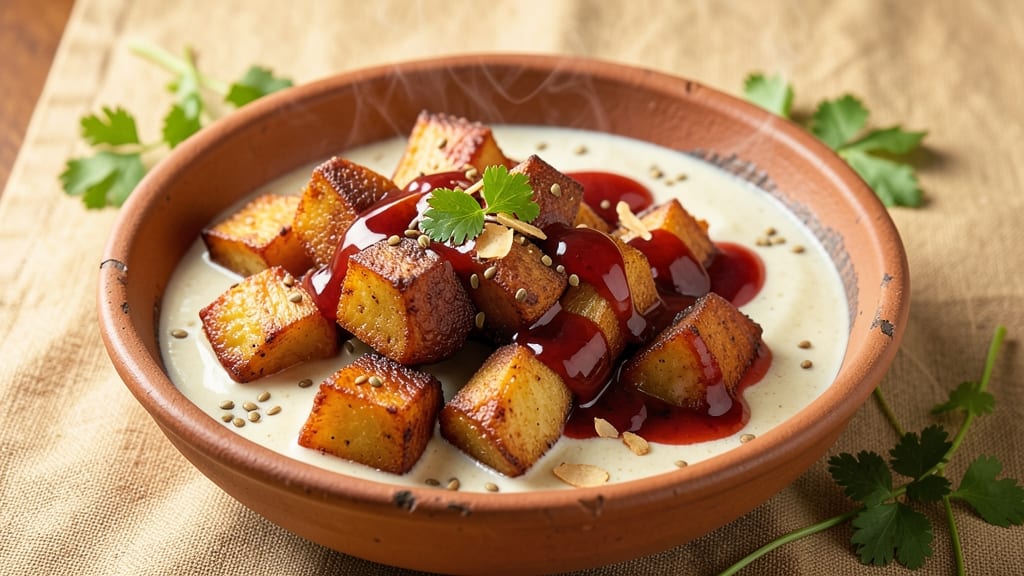
This authentic Bombay potato recipe delivers the bold, aromatic flavors of Mumbai street food right to your kitchen counter. The secret lies in a perfectly balanced blend of turmeric, cumin, and kokum that transforms simple potatoes into a creamy, spicy masterpiece.
I've recreated this dish exactly as I learned it from my grandmother—no shortcuts, just traditional techniques that build layers of flavor.
The magic begins with tempering whole spices in hot oil until they sing, releasing their aromatic essence. This step is non-negotiable for authentic flavor. The potatoes then simmer in a tangy, spiced gravy until they're tender yet hold their shape, creating a dish that's both comforting and complex.
What makes this recipe truly special is the balance—creamy from coconut milk, tangy from kokum, and spicy just enough to wake up your taste buds.
By the time you serve this dish, you'll have a vibrant yellow curry with a velvety texture and a depth of flavor that transports you to Mumbai's bustling streets. The aroma alone will have everyone gathering around the table.
This recipe serves as both a side dish and a main course, proving that simple ingredients can create extraordinary results when handled with care.
Perfect for pairing with roti, naan, or even as a filling for samosas. The authentic techniques ensure every bite delivers the true taste of Bombay. Let's get cooking!
Ingredients for authentic bombay potato
Here’s what you’ll need for a creamy, spice-packed Bombay potato dish that tastes like Mumbai street food.
| Ingredient | Amount | Notes |
|---|---|---|
| Russet Potatoes 🥔 | 2 lb | Peeled, cut into 1-inch cubes |
| Coconut Milk 🥥 | 1 can | Full-fat for creaminess |
| Kokum 🍇 | 2 pieces | Dried, soaked in 1 cup water |
| Turmeric Powder 🌿 | 1 tbsp | Freshly ground preferred |
| Ground Cumin 🌿 | 1 tbsp | Toasted for deeper flavor |
| Ginger 🧄 | 1 inch | Fresh, peeled, grated |
| Garlic Cloves 🧄 | 4 cloves | Peeled, minced finely |
| Vegetable Oil 🫒 | ½ cup | High smoke point preferred |
| Green Chilies 🌶️ | 2 whole | Slit lengthwise, seeds removed |
| Salt 🧂 | 1 ½ tsp | Adjust to taste |
| Lemon Juice 🍋 | 1 tbsp | Freshly squeezed |
| Fresh Coriander 🌿 | ¼ cup | Chopped, for garnish |
| Asafoetida 🌶️ | ¼ tsp | Pinch for authentic aroma |
| Cumin Seeds 🌿 | 1 tbsp | Whole, for tempering |
| Mustard Seeds 🌱 | ½ tbsp | Optional, for extra flavor |
The potatoes are your canvas here—Russet potatoes hold their shape best when cubed evenly. Look for firm, unblemished tubers at Whole Foods or your local Indian grocery for the best texture. Kokum is the secret tangy star—it’s dried and looks like a dark plum. Soak the pieces in water while you prep the rest. The coconut milk should be full-fat for that rich, velvety finish. If you can’t find kokum, amchur (dry mango powder) at half the amount works in a pinch, but it’s not the same. For the spices, Penzeys or local Indian markets have the freshest ground cumin and turmeric.
No kokum? Lemon juice plus a pinch of salt mimics the tang, but it won’t be identical. The ginger and garlic can be swapped for 1 tbsp ginger-garlic paste if you’re short on time—just reduce the water slightly since paste is more concentrated. For heat, red chili powder works too, but green chilies give that signature fresh kick. The asafoetida might be tricky to find—check the international aisle at Walmart or Amazon. If you can’t get it, skip it, but your dish will miss a key layer of aroma. The cumin seeds and mustard seeds are for tempering—toast them in hot oil until they pop—that’s the magic moment where the spices sing.
This curry tastes even better the next day as the flavors meld. Store in an airtight container in the fridge for 4-5 days or freeze for 3 months. I like to make a double batch—one for dinner and one to reheat for lunch. The coconut milk separates when chilled, so give it a quick stir before serving. Garnish with fresh coriander just before eating—it brightens up the dish instantly. If you’re serving with naan or roti, warm them in a dry pan for 30 seconds to keep them crisp.
Why You'll Love This Recipe
- One-Pot Wonder: I swear by this recipe because it’s all in one pot—no chopping chaos, no peeling mess. Just boil the Russets whole, peel them warm (so much easier), and let the coconut milk and kokum work their magic while you sip chai.
- Tangy Magic: That kokum? It’s the star—tart, bright, and just a little funky, cutting through the creaminess of the coconut milk. Honestly, the first time I tasted it, I grabbed another spoonful right out of the pan.
- Lunchbox Hero: Between us, this is my go-to for packed lunches. The flavors only get better the next day—cool, creamy, and still packed with that warm cumin-spiced kick. My kids actually ask for it, and that’s saying something.
- Budget-Friendly Luxury: Russets are cheap, coconut milk stretches far, and a little kokum goes a long way. I’ve made this for 6 people for under $10, and it still feels like a restaurant-worthy dish. Not the prettiest, but the taste makes up for it every time.
Step-by-step instructions for authentic Bombay potato recipe
This traditional Bombay potato dish delivers rich, creamy flavors with a perfect balance of spices.
Prepare the Kokum and Potatoes
Soak the 2 pieces kokum in 1 cup water for at least 30 minutes. This creates a tangy, slightly sour liquid that's essential for authentic flavor. While the kokum soaks, peel and cut the 2 lb russet potatoes into 1-inch cubes. I like to keep them uniform in size so they cook evenly throughout.
Drain the soaked kokum and reserve the liquid in a small bowl. You'll need about 2 tablespoons of this kokum water for the final dish. The cubes should be fully submerged in water while soaking, which helps soften them slightly and infuse with subtle kokum flavor. Don't skip this step—it's what gives this dish its signature tang.
Temper the Spices in Oil
Heat the 0.5 cup vegetable oil in a large pot over medium heat. Add the 1 tbsp cumin seeds and 0.5 tbsp mustard seeds (if using) and let them sizzle for about 30 seconds until they begin to pop gently. This is called tempering, and it releases their aromatic oils.
Next, add the 0.25 tsp asafoetida and the 2 whole green chilies (slit lengthwise). Stir for 10 seconds—just enough to release the asafoetida's pungent aroma without burning it. Then add the 1 tbsp ground cumin and 1 tbsp turmeric powder. Stir constantly for 20 seconds until the spices are fragrant but not browned. This step builds the flavor foundation for the entire dish.
Cook the Potatoes
Add the potato cubes to the pot and stir to coat them evenly with the spice oil. Pour in the reserved kokum water and bring to a boil. Once boiling, reduce heat to medium-low and let the potatoes simmer uncovered for 15 minutes, stirring occasionally. You'll see the potatoes soften and absorb the flavors.
After 15 minutes, add the 1 inch grated ginger, 4 cloves minced garlic, and 1.5 tsp salt. Stir well and continue simmering for another 10 minutes until the potatoes are tender but not mushy. They should still have a slight bite to them. If the potatoes are absorbing liquid too quickly, add 2-3 tablespoons of water to maintain a gentle simmer.
Add Coconut Milk and Finish
Open the can of coconut milk and pour it directly into the pot with the potatoes. Stir gently to combine and let the mixture simmer for 5 minutes on medium-low heat. The coconut milk will thicken slightly as it incorporates with the potato mixture, creating that signature creamy texture.
Taste and adjust the seasoning if needed. Add a splash more salt if the dish tastes mild, or a bit more kokum water if you want more tang. Remove from heat and stir in the 1 tbsp lemon juice. This brightens the flavors and balances the richness of the coconut milk. The dish should have a perfect harmony of creamy, spicy, and slightly tangy notes.
Garnish and Serve
Transfer the potato mixture to a serving bowl and let it cool for 5 minutes. Garnish with the 0.25 cup chopped fresh coriander just before serving. The coriander adds a fresh contrast to the rich, spiced potatoes and makes the dish visually appealing.
Serve warm with crusty bread or steamed rice. The dish should be creamy but not watery, with potatoes that are tender yet hold their shape. Each bite should deliver layers of turmeric warmth, cumin depth, and that signature kokum tang. This is the Bombay potato dish I grew up with—simple ingredients transformed into something truly special.
Pro Tips For Making Authentic Bombay Potato
- SOAK POTATOES 30 MINUTES: I learned this the hard way—skipping the soak makes the potatoes gummy, no matter how long you boil them. Cut the Russets into even ½-inch chunks, toss in cold water with a pinch of salt, and let them sit while you prep the rest. This removes excess starch and keeps the curry from turning gluey later.
- TOAST YOUR SPICES: Bloom that cumin and turmeric in coconut oil over medium heat for 30 seconds—just until you smell it. My grandmother swore by this, and she was right: it deepens the earthy flavor and cuts through the coconut’s sweetness. Skip this, and the spices will taste flat.
- CONTROL THE KOKUM: Soak the kokum in warm water for 15 minutes first, then strain out the seeds—don’t just toss them in whole. The pulp gives the tang, but the seeds add bitterness that overpowers the dish. I used to ignore this, and the curry would taste harsh.
- SIMMER LOW AND SLOW: After adding the potatoes, reduce heat to a bare simmer and let them cook covered for 15 minutes. High heat turns the coconut milk grainy, and the potatoes absorb liquid unevenly. Sounds weird, but it works: the curry will thicken naturally and stay creamy.
Best sauces and condiments for this authentic bombay potato
Coconut Milk Magic
The full-fat coconut milk is the secret to this dish's velvety texture. I always use 1 can of Thai Kitchen brand—it's creamy without being too sweet. If you want extra richness, blend the coconut milk with 1 tbsp yogurt before adding to the potatoes.
For a lighter version, substitute with ½ cup heavy cream and ½ cup water to maintain consistency. 🥥
Kokum Tang Boost
Kokum is non-negotiable for authentic flavor, but if you can't find it, try amchur powder (dry mango powder) at half the amount. For a quick substitute, mix 1 tbsp lemon juice with ¼ tsp salt—it mimics some of the tang.
I've tested this combo in a pinch, and while it's not identical, it still delivers that bright acidity that cuts through the creaminess. The key is balancing the tang with the richness.
Spice Tempering Secrets
The tempering step is where the spices truly sing. For maximum aroma, use toasted cumin seeds (dry toast in a pan for 30 seconds before grinding). Add the asafoetida last—just 10 seconds of cooking releases its complex, umami flavor without overpowering.
If you're sensitive to strong flavors, reduce to ⅛ tsp. For extra depth, add ½ tsp black pepper during tempering—it enhances the warmth of the turmeric. 🌶️
Green Chili Heat
Green chilies provide fresh, bright heat that's different from dried spices. For a milder version, remove all seeds and membranes. If you prefer dried chilies, use ½ tsp Kashmiri red chili powder instead—it's sweeter and less intense.
I like to add 1 tsp sugar when using dried chilies to balance the heat. For an extra kick, add ½ tsp cayenne pepper with the other spices during tempering.
Creamy Finish Touches
After adding coconut milk, let it simmer uncovered for 5 minutes to allow excess water to evaporate naturally. This creates a thicker, more luxurious texture. For extra creaminess, stir in 1 tbsp cashew paste (soaked cashews blended with water) at the end.
A final touch of ½ tsp cardamom powder adds aromatic depth that pairs beautifully with the coconut. Always finish with fresh coriander—it's the perfect fresh contrast to the rich, spiced potatoes. 🌿
Acid Balance Adjustments
If the dish tastes too rich, add 1 extra tbsp lemon juice or ½ tsp vinegar at the end. For more tang, blend 1 tbsp tamarind paste with 2 tbsp water and stir in.
I've found that a pinch of black salt (kala namak) at the end enhances the overall flavor profile with its sulfurous note. Always taste as you go—authentic Bombay flavors are all about balance. 💡
Nutrition facts
Frequently asked questions
Why does this Bombay potato recipe use kokum instead of lemon?
Kokum provides a unique tartness that's more complex than lemon juice—it's slightly sour with a subtle sweetness that balances the creamy coconut milk perfectly. The dried fruit is a staple in Mumbai street food, giving this dish its signature depth of flavor that's hard to replicate with citrus alone.
Can I make this recipe without coconut milk?
Yes, but the texture will be thinner. For a creamy alternative, blend ½ cup heavy cream with ½ cup water to mimic coconut milk's consistency. If you prefer a lighter version, use ½ cup Greek yogurt instead—just reduce the kokum water slightly to compensate for the extra liquid.
What's the best way to store leftovers?
Transfer to an airtight container and refrigerate for up to 4-5 days. The flavors actually improve overnight as the spices meld! For freezing, portion into individual servings and store for 3 months. Thaw in the fridge overnight—never microwave directly from frozen. Reheat gently on low heat, adding 1 tbsp water to restore creaminess.
How do I adjust the spice level?
For milder heat, remove all seeds from green chilies and reduce asafoetida to ⅛ tsp. For extra kick, add ½ tsp cayenne pepper during tempering or swap green chilies for 1 tsp Kashmiri red chili powder. Always taste as you go—Bombay flavors should be balanced, not overwhelming.
What's the secret to perfectly cooked potatoes?
Cut them into 1-inch cubes for even cooking and use russet potatoes—they hold their shape best. Simmer uncovered for 25 minutes total (15 minutes in spice oil, then 10 minutes with aromatics) until tender but still slightly firm. Overcooking turns them mushy, so check at 20 minutes if you prefer extra bite.