
Side Dishes
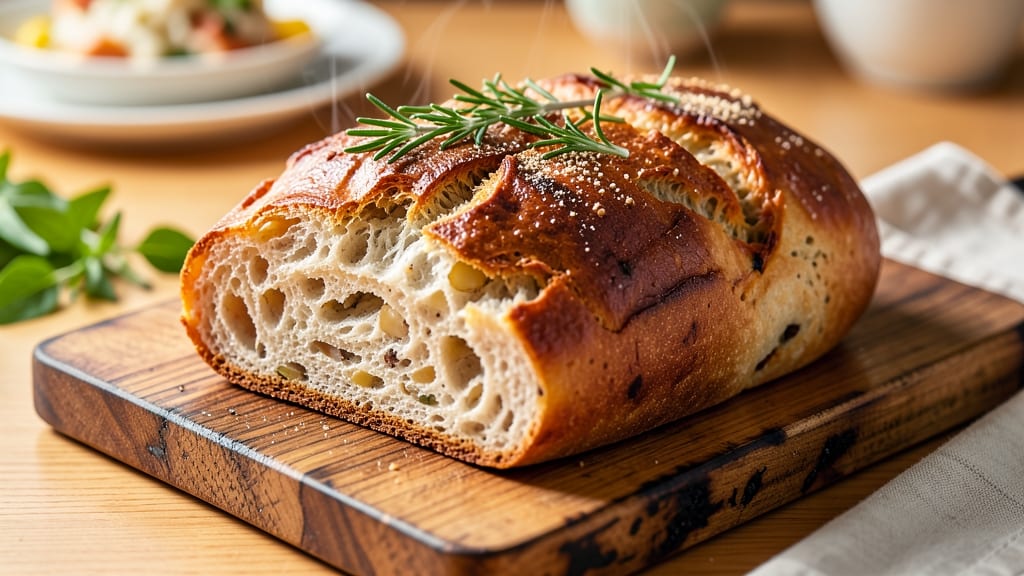
This Bahamian potato bread delivers a fluffy, spiced loaf with a golden crust that’s become my go-to for Caribbean-inspired meals. 🌟 The secret lies in grated potatoes and warm Bahamian spices like thyme and nutmeg, which create a tender crumb and aromatic depth that sets it apart from regular bread.
I perfected this recipe after years of experimenting with traditional Bahamian baking techniques, and it’s now a staple in my kitchen—whether served with butter, alongside stews, or as a side for grilled fish.
The beauty of this recipe is its simplicity—just five core ingredients and 30 minutes of active time, though the dough needs to rest for 1 hour to develop its signature texture.
The grated potatoes add moisture and a subtle sweetness, while baking powder ensures that light, airy crumb we all love. What makes it truly special is how the spices infuse the dough during the resting period, creating layers of flavor that build with every bite.
By the time it emerges from the oven, you’ll have a golden-brown loaf with a crisp exterior and a soft, pillowy interior—perfect for soaking up gravies or spreading with butter. The aroma alone is enough to make your kitchen smell like a Bahamian bakery.
This bread is versatile enough for everyday meals but carries the cultural richness of the Bahamas with every slice.
Serve it warm alongside your favorite Caribbean dishes or enjoy it toasted with jam for breakfast. The recipe scales easily, so you can bake a small batch for two or double it for a crowd. Here’s how to make it—foolproof and full of flavor.
Ingredients for bahamian potato bread
Just nine ingredients transform into a fragrant Bahamian loaf with golden crust and tender crumb.
| Ingredient | Amount | Notes |
|---|---|---|
| Russet Potatoes 🥔 | 2 lbs | Grate finely, no need to peel |
| All-Purpose Flour 🌾 | 3 cups | Plus 1 tbsp for dusting |
| Baking Powder 🍞 | 2 tsp | Aluminum-free preferred |
| Salt 🧂 | 1 ½ tsp | Diamond Crystal kosher |
| Fresh Thyme Leaves 🌿 | 1 tbsp | Finely chopped, stems removed |
| Ground Nutmeg 🌶️ | ½ tsp | Freshly grated if possible |
| Unsalted Butter 🧈 | ½ cup | Cold, cubed for dough |
| Milk 🥛 | ¼ cup | Room temperature |
| Granulated Sugar 🍚 | 1 tbsp | Optional, for slight sweetness |
| Large Eggs 🥚 | 1 whole | Room temperature |
| Vegetable Oil 🫒 | 1 tbsp | For greasing pan |
The potatoes are non-negotiable—Russet gives the best texture, and grating them finely ensures that signature moisture. Whole Foods or Trader Joe's carry them year-round, but any grocery store will do. For the flour, King Arthur is my go-to (it's got that perfect balance of protein), but any all-purpose will work. The nutmeg is where the magic happens—Penzeys sells pre-ground Bahamian nutmeg if you want to splurge, but the regular grocery store stuff works fine. Just make sure it smells fresh, not dusty. And don't skip the thyme—fresh is ideal, but dried works at half the amount if you're in a pinch.
No fresh thyme? Dried thyme at half the quantity gets you close, though it won't have that same bright aroma. Out of butter? Coconut oil works too, though the flavor will be subtly different. The milk can be swapped for water or plant-based milk, but dairy gives that rich, tender crumb. For the sugar, if you're avoiding it, just leave it out—this bread is delicious without it. And if you're baking at high altitude? Add 1/4 tsp more baking powder. The dough should be soft but not sticky—if it's too dry, add a splash more milk.
This dough needs 1 hour to rest—don't skip it! Cover it with a damp towel and let it sit in a warm spot. The bread keeps well at room temperature for 2 days, though it's best fresh. For longer storage, wrap it tightly in foil and freeze for up to 3 months. When reheating, wrap in foil and warm in a 350°F oven for 10 minutes. The crust gets crispy again, and the inside stays soft. Perfect for sandwiches or toasting with butter.
Why You'll Love This Recipe
- No Waste, All Flavor: I’ll use every scrap of that russet potato—peels and all—so no grocery money goes to waste. The starchy mash becomes the bread’s soul, giving it that tender, slightly dense crumb that’s somehow both comforting and exciting.
- Thyme for Magic: That single handful of fresh thyme? It’s the secret weapon. The leaves get chopped rough (no fancy knife work) and baked right into the dough, releasing their bright, citrusy aroma until each bite tastes like a Bahamian breeze—simple, but unforgettable.
- Breakfast to Dinner: Honestly, this bread is my lazy-day hero. Toast it for breakfast with butter and jam, tear it over soup when I’m sick, or serve warm with stew when I’m hosting. It’s the one loaf that does it all without needing a fancy occasion.
- Budget Stretch: Between us, this recipe costs pennies but feels like a splurge. A single bag of russets and a can of flour last me weeks—I’ll freeze half the batch and pull it out whenever I need a quick, filling side. No sad, expensive bakery runs here.
Step-by-step instructions for Bahamian potato bread
Here's how to make this fragrant, golden loaf with tender crumb and aromatic spices.
👨🍳 Step 1: Grate and Cook the Potato Base
Peel the 2 lbs Russet Potatoes if desired, then grate them using a box grater or food processor. Transfer the grated potatoes to a clean kitchen towel and squeeze out all excess moisture—this is crucial for a tender crumb. Place the potatoes in a medium saucepan and cook over medium heat for 10-12 minutes, stirring occasionally, until completely tender and any liquid has evaporated. You'll know it's ready when the potatoes pull apart easily and the mixture looks dry.
Let the cooked potatoes cool slightly before proceeding. I like to spread them on a wire rack for 5 minutes to speed up cooling. This step prevents the dough from becoming too warm when mixed with butter and other ingredients. If the potatoes are too hot, the butter will melt too quickly and affect the dough's structure.
🍳 Step 2: Mix the Wet Ingredients
In a large mixing bowl, combine the cooled potatoes with the 0.5 cup Unsalted Butter (cold and cubed), 0.25 cup Milk (room temperature), 1 whole Large Eggs, 1 tbsp Granulated Sugar, 1 tbsp Fresh Thyme Leaves (finely chopped), and 0.5 tsp Ground Nutmeg. Use a wooden spoon or silicone spatula to mix everything together until the butter is fully incorporated and the mixture is smooth. The texture should be thick but still pourable—if it's too stiff, add 1-2 teaspoons more milk to loosen it.
This is where the magic happens—the spices infuse into the potato mixture, creating that signature Bahamian flavor. The thyme and nutmeg add warmth and depth, while the sugar just slightly balances the earthiness of the potatoes. Mix well so every spoonful gets that aromatic punch.
🥘 Step 3: Combine with Dry Ingredients
In a separate bowl, whisk together the 3 cups All-Purpose Flour, 2 tsp Baking Powder, and 1.5 tsp Salt until evenly distributed. Gradually add the dry ingredients to the wet potato mixture, folding gently with a spatula to avoid overmixing. The dough should come together into a thick, shaggy batter—it'll be sticky, but that's normal. If it's too stiff, add 1 tablespoon more milk to help it come together.
This step is all about creating the right texture. The baking powder will give your bread that light, airy rise, while the flour provides structure. Don't worry if the dough looks messy—it's supposed to be thick and sticky. The key is to fold just until combined, not until smooth. Overmixing develops gluten and can make the bread dense.
🔥 Step 4: Bake to Golden Perfection
Preheat your oven to 375°F. Grease a 9x5-inch loaf pan with the 1 tbsp Vegetable Oil, then dust lightly with flour to prevent sticking. Pour the dough into the prepared pan and smooth the top with a spatula. Bake for 50-60 minutes, or until the top is golden brown and a toothpick inserted into the center comes out clean. The bread is done when it springs back slightly when pressed gently in the center.
Here's the thing—don't open the oven during baking. The steam inside helps create that tender crumb, and peeking too early lets heat escape, which can lead to a dense loaf. If the top browns too quickly, tent the pan loosely with aluminum foil for the last 10-15 minutes to prevent over-browning while still allowing it to bake through.
⏰ Step 5: Rest and Serve
Remove the bread from the oven and let it cool in the pan for 5 minutes, then transfer it to a wire rack to cool completely. This resting period is important—it allows the bread to set and makes slicing much easier. While it cools, you'll notice that beautiful golden crust develop and the aroma of thyme and nutmeg fill your kitchen. That's the smell of success!
Slice the bread into 8 equal pieces (about 1-inch thick each) and serve warm. The interior should be tender and slightly moist, with a delicate crumb that's perfect for soaking up gravy or butter. Store any leftovers in an airtight container at room temperature for up to 2 days, or freeze for up to 3 months for freshness whenever you need it.
Pro Tips For Making Bahamian Potato Bread
- GRATE POTATOES COLD: I learned this the hard way—warm potatoes release starch like crazy, turning your dough into a gluey mess. Use a box grater and work in batches, keeping the grated potatoes in the fridge until you’re ready to mix. This keeps the texture light and prevents a gummy dough that’ll make your bread dense.
- PRESS OUT ALL LIQUID: After grating, squeeze the potatoes dry with your hands or a clean kitchen towel. Wet potatoes mean a sticky dough that won’t rise properly. Sounds tedious, but it’s the thing that matters most for that airy, crumbly texture Bahamian potato bread should have.
- DON’T OVERMIX THE DOUGH: Once you fold in the flour, stop as soon as it just comes together. Overworking it develops gluten, and you’ll end up with a tough, bread-like loaf instead of the tender, slightly crumbly texture this dish needs. Two or three gentle folds are all you need—promise.
- USE A DAMP CLOTH FOR STEAM: Skip the aluminum foil trick—it traps too much moisture and makes the crust soggy. Instead, place a damp cloth on the rack below your baking sheet. The steady, even steam guarantees a crispy crust without turning the inside gummy. (Yes, even if you’re impatient like me.)
Serving suggestions for leftovers
Buttery Breakfast Delight
Serve warm slices with cold unsalted butter—this is my go-to way to enjoy it. The rich, golden crust melts into the bread, creating a buttery, aromatic experience that’s perfect for breakfast or brunch.
I like to spread 2 tablespoons of butter per slice and let it soften slightly before eating for that perfect melt. 🧈
For an extra treat, add a sprinkle of flaky sea salt (like Maldon) on top of the butter. The salt enhances the natural sweetness of the bread and balances the richness. This combo is especially popular in Bahamian homes, where bread is often enjoyed with butter and jam.
Perfect Side for Stews
This bread is a game-changer when served alongside hearty Bahamian stews like pepperpot or conch chowder. The tender crumb soaks up the rich, savory flavors beautifully. I recommend cutting the bread into thick slices (about 1.5 inches) to hold up to the broth without falling apart.
Serve it warm straight from the oven for the best texture.
For an elevated touch, brush the warm bread with garlic-infused olive oil before serving. Just mix 1 tablespoon olive oil with 1 minced garlic clove and a pinch of salt. The garlic adds a subtle depth that pairs perfectly with the thyme and nutmeg in the bread.
Jam and Tea Pairing
Transform your afternoon tea into a Bahamian-inspired spread by serving this bread with guava jam or mango chutney. The slight sweetness of the jam complements the warm spices in the bread, creating a harmonious balance.
I use 2 tablespoons of jam per slice, spreading it evenly for that perfect sweet-tart contrast.
For a refreshing twist, pair it with hibiscus tea (also known as sorrel) or a Bahamian rum punch. The tartness of the tea cuts through the richness of the bread, while the rum adds a festive touch.
This combo is especially popular during celebrations or family gatherings in the Bahamas.
Grilled Fish Companion
This bread is a must-have when serving grilled fish like Bahamian red snapper or grilled mahi-mahi. The tender crumb and slightly sweet flavor make it the perfect vehicle for soaking up the fish’s juices.
Serve it warm with a lemon wedge on the side for squeezing over the fish and bread.
For an extra layer of flavor, sprinkle the grilled fish with fresh thyme (the same spice used in the bread) before serving. The cohesive thyme flavor ties the whole meal together beautifully. I like to serve the fish and bread family-style so everyone can build their own plates.
Sandwich Potential
Use this bread to make Bahamian-style sandwiches with fillings like grilled chicken, ham, and Swiss cheese, or go for a vegetarian option with avocado, tomato, and Bahamian hot sauce.
The bread’s tender crumb holds up well to moist fillings, preventing sogginess. Toast the bread lightly before assembling to add extra crunch.
For a Bahamian twist, add a spread of scrambled eggs with scallions and a dash of hot pepper sauce between the slices. This is a popular breakfast or lunch option in the Bahamas and is sure to impress your guests with its bold flavors.
Nutrition facts
Frequently asked questions
Why does Bahamian potato bread have grated potatoes?
The grated potatoes add moisture and a subtle sweetness that makes this bread uniquely tender and flavorful. They also create that signature light, airy crumb while keeping the bread rich and satisfying. Without them, you'd miss the authentic Bahamian texture!
Can I make this bread without fresh thyme?
Yes! Use ½ teaspoon dried thyme instead, but reduce the amount since dried spices are more concentrated. The flavor will be slightly different but still delicious. For extra aroma, add a pinch of ground allspice as a substitute.
How do I know when the bread is fully baked?
Your bread is done when the top is golden brown and a toothpick inserted into the center comes out clean. The internal temperature should reach 190°F. Tap the top gently—it should sound hollow, not dense.
Can I use sweet potatoes instead of Russet potatoes?
Sweet potatoes will change the flavor and texture significantly. They're naturally sweeter and more moist, which can make the bread dense. Stick with Russet potatoes for the authentic tender crumb and mild flavor that pairs perfectly with the spices.
Why does my dough look too sticky?
A slightly sticky dough is normal, but if it's extremely sticky, you may need to add 1 tablespoon more flour. However, don't overdo it—too much flour can make the bread dense. The dough should be soft but manageable. If it's still too sticky after adding flour, try chilling it for 15 minutes before shaping.