
Side Dishes
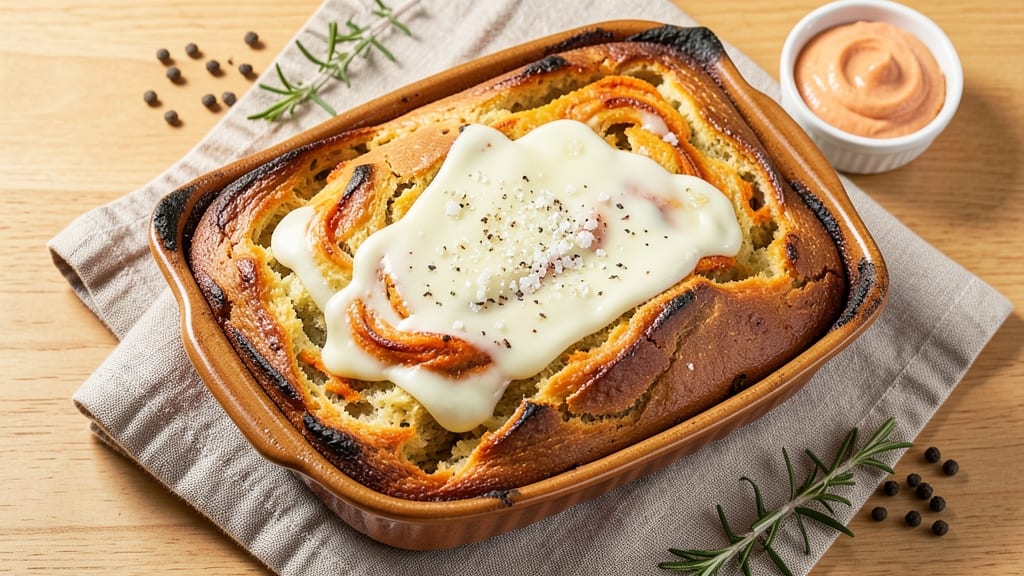
This baked potato bread recipe transforms humble sweet potatoes into a loaf with a fluffy crust and moist interior that tastes like autumn in every bite.
The secret lies in blending mashed sweet potato into the dough, which adds natural sweetness and a tender crumb that keeps bread fresh for days. I developed this recipe after years of searching for a bread that combined the comfort of cornbread with the elegance of artisanal loaves.
The magic happens when you fold the mashed sweet potato into the dough at the right stage—too early and it steams out; too late and the texture suffers. Baking at a precise temperature ensures a golden-brown crust while keeping the interior soft and pillowy.
This isn't just another sweet potato recipe—it's a bread that pairs perfectly with soups, stews, or even butter and jam for breakfast.
What sets this apart is the balance of flavors: the natural sweetness of the potato complements the yeasty richness of the bread, creating a harmonious bite. The crust develops a satisfying crunch while the interior remains tender, making every slice worth savoring.
Whether you're serving it warm from the oven or toasted the next morning, this bread delivers restaurant-quality results at home.
For those who love customization, you can add herbs to the dough or sprinkle everything bagel seasoning on top before baking. The possibilities are endless, but the foundation—a perfect blend of sweet potato and bread dough—remains the same. Let's get started on creating your own loaf of comfort.
Ingredients for baked potato bread
Sweet potatoes meet bread dough for a loaf with autumnal warmth and fluffy texture.
| Ingredient | Amount | Notes |
|---|---|---|
| Sweet Potatoes 🍠 | 2 medium | Peeled and boiled until tender |
| All-Purpose Flour 🌾 | 3 ½ cups | Unbleached preferred for texture |
| Active Dry Yeast 🍞 | 1 package | 2.25 tsp or 1 packet |
| Granulated Sugar 🍚 | ½ cup | For yeast activation |
| Salt 🧂 | 1 ½ tsp | Kosher or sea salt |
| Unsalted Butter 🧈 | ½ cup | Softened, full-fat preferred |
| Large Eggs 🥚 | 1 whole | Room temperature |
| Milk 🥛 | ¾ cup | Whole milk for richness |
| Everything Bagel Seasoning 🧂 | 2 tbsp | For topping (optional) |
| Fresh Rosemary 🌿 | 1 tbsp | Chopped, optional herb |
| Olive Oil 🫒 | 1 tbsp | For greasing loaf pan |
The sweet potatoes are the heart of this bread—pick firm, vibrant orange ones at the store. I always grab the organic variety from Trader Joe's when possible, but regular sweet potatoes work too. Peel them first, then boil until fork-tender (about 15 minutes). Drain well and mash them completely—no lumps! The butter in the dough helps create that signature fluffy crust, so use full-fat. If you're feeling fancy, add a pinch of cinnamon to the mashed sweet potatoes for extra warmth.
No everything bagel seasoning? Mix your own with sesame seeds, poppy seeds, garlic powder, and onion powder. Short on rosemary? Thyme or parsley work just as well. The milk can be swapped for buttermilk or even water in a pinch, though the bread won't be quite as tender. For a quicker version, use instant yeast instead of active dry—just skip the sugar activation step. And if you're baking in a high-altitude area, increase the flour by 2 tbsp to compensate for the thinner air.
This dough is best used within 24 hours for maximum freshness, but you can refrigerate it overnight for a more developed flavor. Once baked, the bread keeps well wrapped at room temperature for 3 days, or you can freeze slices for up to 3 months. I always make a double batch—one loaf for the table, one for freezing. The crust stays crisp for days if you store it in an airtight container with a slice of bread inside to absorb moisture.
Why You'll Love This Recipe
- Here’s what sold me: that crispy golden crust with a pillowy center, all thanks to the yeast and a little sugar caramelization. It’s the kind of texture that makes you pause mid-bite.
- Sweet Potato Swap: I keep a bag of sweet potatoes in my pantry just for this—no fancy ingredients, just what’s already there. That natural sweetness from the roasted potatoes cuts through the dough, giving it a depth you won’t find in plain white bread.
- Crusty Outside, Soft Inside: Here’s what sold me: that crispy golden crust with a pillowy center, all thanks to the yeast and a little sugar caramelization. It’s the kind of texture that makes you pause mid-bite.
- Lunchbox Hero: Between us, this bread is my go-to for sandwiches, toast, or even a quick snack. The kids grab it for school—no fuss, no complaints—and it actually tastes better the next day.
Step-by-step instructions for baked potato bread
Here's how to make bread with a moist, sweet potato center and a golden crust—every bite is a perfect balance.
Prepare the Sweet Potato Filling
Preheat your oven to 375°F and place the 2 medium peeled sweet potatoes on a baking sheet. Poke several holes in each potato with a fork, then bake for 45-50 minutes until tender when pierced with a knife. Let them cool slightly before handling.
Once cool enough to handle, slice the potatoes in half lengthwise and scoop out the flesh, leaving a thin shell. Mash the flesh in a bowl until completely smooth—no lumps should remain. This filling will be the heart of your bread, so take your time to get it perfectly creamy. Set aside for the next step.
Activate the Yeast and Mix the Dough
In a small bowl, combine 0.75 cup warm milk (about 110°F—too hot and it kills the yeast), 0.5 cup granulated sugar, and 1 package active dry yeast. Let this sit for 5-10 minutes until foamy. This step is crucial—if it doesn't foam, your bread won't rise properly.
In a large mixing bowl, combine the 3.5 cups all-purpose flour and 1.5 tsp salt. Add the mashed sweet potato, the yeast mixture, and 0.5 cup softened unsalted butter. Mix with a wooden spoon until a shaggy dough forms. Then add the 1 whole large egg and mix until fully incorporated. The dough should be sticky but manageable.
Knead and Shape the Dough
Lightly grease a clean surface with 1 tbsp olive oil and turn out the dough. Knead for 5-7 minutes until smooth and elastic. If the dough feels too sticky, wet your hands slightly to help handle it. The goal is to develop the gluten, which gives the bread its structure and chewiness.
Once kneaded, divide the dough into two equal pieces. Flatten each piece into a circle about ½-inch thick. Place one circle on a parchment-lined baking sheet, then spoon about ¾ of the sweet potato filling onto it, spreading it evenly. Top with the second dough circle and seal the edges by pinching them together. This creates a sealed pocket for the filling to bake inside.
Proof and Bake to Golden Perfection
Cover the shaped loaf with a clean kitchen towel and let it rise in a warm place for 1-1.5 hours, or until it has nearly doubled in size. You'll know it's ready when you poke it gently and it springs back slowly. This proofing step is what gives the bread its airy texture.
Preheat your oven to 375°F again. Brush the top of the loaf with a little milk or water, then sprinkle generously with 2 tbsp everything bagel seasoning and 1 tbsp chopped fresh rosemary. Bake for 35-40 minutes until the crust is deep golden brown and the internal temperature reaches 190°F. The bread should sound hollow when tapped on the bottom.
Rest and Serve Warm
Remove the bread from the oven and let it cool on a wire rack for 10-15 minutes. This resting period allows the filling to set slightly and makes slicing easier. The crust will be crisp and the interior will be soft with pockets of sweet potato goodness.
Slice the bread into thick slices and serve warm. The contrast of the fluffy crust and the moist, sweet potato center makes every bite special. Store leftovers wrapped in foil at room temperature for up to 2 days, or freeze for longer storage. Enjoy with butter or as part of a hearty meal!
Pro Tips For Making Baked Potato Bread
- ROAST THE SWEET POTATOES FIRST: Sweet potatoes straight from the fridge make the dough gummy. Roast them at 400°F (200°C) for 45 minutes until tender, then mash while still warm—this keeps the texture light and prevents a dense loaf.
- MEASURE FLOUR BY WEIGHT: That scoop-and-sweep method? Guaranteed to mess up your bread. Use a kitchen scale for the flour (about 350g for a standard recipe)—it’s the thing that matters most when balancing the yeast and sweet potato moisture.
- LET THE DOUGH RISE UNTIL IT’S DOUBLED: I learned this the hard way—skipping the second rise or cutting it short means a dense, heavy loaf. Give it 1–1.5 hours until it’s puffy and jiggly, even if you’re eager to bake it.
- BRUSH WITH MELTED BUTTER AFTER BAKE: Dry bread is the worst. After baking, brush the loaf with 1 tablespoon of melted butter mixed with a pinch of sugar while it’s still warm—it keeps the crumb soft and adds a subtle sweetness that makes all the difference.
Regional styles of these flavors
Southern Comfort Style
In the American South, this bread gets a smoky twist by adding 1 teaspoon smoked paprika to the dough and topping it with coarsely chopped pecans before baking.
I like to brush the crust with a mix of 1 tbsp melted butter and 1 tsp honey after baking for extra richness. Serve warm with a dollop of whipped cream cheese and a drizzle of maple syrup for a breakfast that feels like a hug. 🍯
Herbed European Twist
For a French-inspired version, fold 2 tbsp finely chopped fresh thyme and 1 tbsp fresh parsley directly into the dough before shaping. Top the loaf with flaky sea salt and black pepper instead of everything bagel seasoning.
Bake as directed, then finish with a sprinkle of grated Parmesan cheese while still warm. This version pairs beautifully with herb butter or a simple tomato tapenade. 🌿
Mexican-Inspired Version
Transform this bread into a fiesta favorite by mixing 1 tsp ground cumin and ½ tsp chili powder into the dough. Top with crumbled cotija cheese and sliced jalapeños before baking. After removing from the oven, drizzle with sour cream and sprinkle with fresh cilantro.
This spicy-sweet combo makes an incredible side for tacos or a hearty breakfast with scrambled eggs. 🌶️
Classic New England Style
In New England, this bread often includes ½ cup dried cranberries mixed into the dough and a topping of coarsely chopped walnuts before baking. I like to brush the crust with 1 tbsp maple syrup after baking for a subtle sweetness.
Serve warm with New England-style clam chowder or as a side to roasted turkey during the holidays. The cranberries add a tart contrast that balances the sweet potato perfectly. 🍁
Gluten-Free Adaptation
For a gluten-free version, replace the all-purpose flour with a 1:1 gluten-free flour blend (like Bob's Red Mill). Use ½ cup gluten-free oat flour mixed with 3 cups white rice flour for best results.
Add 1 tsp xanthan gum to help bind the dough. The texture won't be identical, but it still delivers that sweet potato goodness. Bake at 350°F for 40-45 minutes to prevent over-browning. 🌾
Kid-Friendly Fun Version
Turn this into a fun activity for kids by letting them shape the dough into fun forms—like animals or stars—before baking. Use colorful sprinkles or mini chocolate chips as toppings. For extra sweetness, fold ½ cup mini marshmallows into the dough before shaping.
Bake as directed, but watch closely after 30 minutes to prevent burning. This version is perfect for lunchboxes or after-school snacks. 🧸
Nutrition facts
Frequently asked questions
Can I use regular potatoes instead of sweet potatoes?
While you can use regular potatoes, the flavor and texture will be very different. Sweet potatoes provide natural sweetness and moisture that regular potatoes lack. If you must substitute, use ½ cup mashed regular potato plus ½ cup applesauce to mimic the sweetness and tenderness. The crust won't be as golden, but the bread will still hold together.
Why did my bread turn out dense instead of fluffy?
Dense bread usually happens from one of three issues: over-kneading (which breaks down gluten), under-proofing (not enough rise time), or using cold ingredients (especially the milk). Let the dough rise until it nearly doubles in size, and make sure your milk is warm (110°F) when activating the yeast. A kitchen towel draped over the bowl helps trap warmth during proofing.
How do I store baked potato bread to keep it fresh?
Store wrapped tightly in foil or an airtight container at room temperature for up to 3 days. For longer storage, slice and freeze on a baking sheet before transferring to a freezer bag. Reheat slices in a 350°F oven for 5-7 minutes or toast directly. The crust stays crisp best when reheated briefly—never microwave from frozen.
Can I make this bread without a stand mixer?
This dough is perfectly manageable by hand. After mixing all ingredients in a bowl, turn it onto a lightly floured surface and knead for 5-7 minutes until smooth. Wet your hands occasionally to prevent sticking. The dough should feel slightly tacky but pull away cleanly from the surface when ready. A wooden spoon helps with initial mixing before kneading.
What's the best way to reheat slices?
For crispy crusts, wrap slices in foil and bake at 350°F for 5-7 minutes. For quick toasting, use a toaster oven set to 375°F for 3-4 minutes—this preserves the crust's crunch better than a regular toaster. Avoid microwaving as it turns the crust soggy. A hot pan with a little butter works too for that restaurant-style warmth.