
Desserts
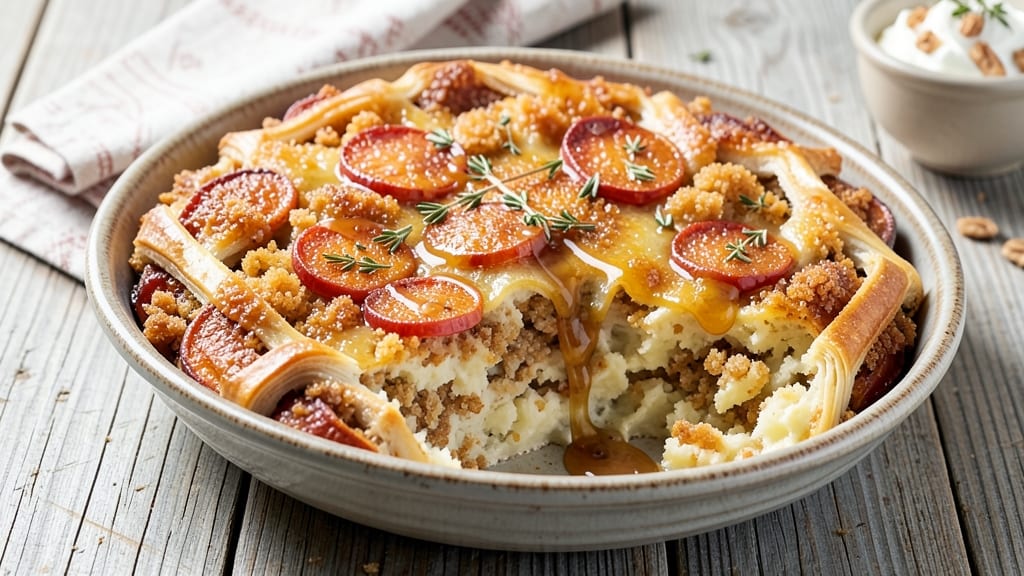
This sweet potato recipe for someone who doesn’t like them transforms humble orange tubers into moist, vanilla-infused cake that even skeptics will devour. 💛 The secret? Roasting them until tender, then blending with warm spices and vanilla extract to create a cake batter that’s rich, lightly sweet, and utterly comforting.
I developed this after years of watching people push their plates away when sweet potatoes appeared—until they tried this version. What makes this recipe work is the flavor transformation—roasting caramelizes the natural sugars while mashing creates a velvety texture that’s nothing like the dry, starchy versions people often dislike.
The vanilla and cinnamon add depth that makes every bite feel indulgent, not like a vegetable in disguise. It’s the kind of dessert that turns "I don’t like sweet potatoes" into "I’ll take seconds."
The result is a golden, perfectly crumbly cake with a tender crumb and subtle spice notes that linger. It’s foolproof, requires no fancy equipment, and comes together in one bowl—ideal for anyone who wants to sneak in nutrition without sacrificing flavor. The best part?
No one will guess there’s a single sweet potato in the mix. Serve warm with a dollop of whipped cream or a drizzle of maple syrup for extra indulgence. Let’s bake this cake!
Ingredients for sweet potato recipe for someone who doesn't like them
Sweet potatoes, flour, vanilla, and butter—everything you need to fool even the biggest skeptics.
| Ingredient | Amount | Notes |
|---|---|---|
| Medium Sweet Potatoes 🍠 | 4 whole | Organic preferred, peeled and cubed |
| All-Purpose Flour 🌾 | 2 cups | Unbleached for best texture |
| Granulated Sugar 🍚 | 1 cup | Light brown sugar for depth |
| Pure Vanilla Extract 🍯 | 2 tbsp | High-quality Madagascar bourbon |
| Unsalted Butter 🧈 | ½ cup | Cold, cubed for even mixing |
| Large Eggs 🥚 | 2 whole | Room temperature for blending |
| Ground Cinnamon 🍃 | 2 tsp | Freshly ground preferred |
| Baking Powder 🧂 | 1 tsp | Aluminum-free for best rise |
| Salt 🧂 | ½ tsp | Fine sea salt preferred |
| Whole Milk 🥛 | ¾ cup | Full-fat for richness |
| Vegetable Oil 🫒 | ¼ cup | Light neutral flavor |
| Powdered Sugar 🍚 | ¼ cup | For dusting (optional) |
The sweet potatoes are the real MVP here. Organic sweet potatoes from Whole Foods have the best natural sweetness, but any orange-fleshed variety works. Roast them at 400°F for 30 minutes until fork-tender—this caramelizes the sugars and transforms that starchy texture into something velvety. I always grab the medium-sized ones because they're consistent in size, but if you get the jumbo ones, just cut them into even cubes. Pro tip: Poke them with a fork first to prevent splitting while roasting. The butter? European-style if you can find it—it's less watery and gives a richer flavor.
No vanilla extract? Vanilla bean paste works in a pinch, or even a scraped vanilla bean if you're feeling fancy. The flour can be swapped for whole wheat flour if you prefer, but the texture gets denser. Running short on butter? Coconut oil gives a similar richness, though it has a slight coconut flavor. The milk can be swapped for almond milk (use unsweetened), but the cake will be slightly lighter. For the sugar, coconut sugar adds a caramel note, but regular granulated sugar is fine too. And if you're worried about the cake being too moist, add 1/4 cup more flour—it balances perfectly.
This cake keeps beautifully for 5 days in an airtight container at room temperature, but it's even better the next day once the flavors meld. For longer storage, wrap it tightly in plastic and freeze for up to 3 months. To reheat, warm slices in the microwave for 10-15 seconds—it's perfect with a cup of coffee or tea. I always make a double batch because it disappears fast. Store the powdered sugar in a small jar with a tight lid to keep it from clumping, and keep it in a cool, dark place. The roasted sweet potatoes can even be prepped ahead and refrigerated for 2 days before baking.
Why You'll Love This Recipe
- I’ll be real: the second day is even better. The edges get extra crispy, and the sweetness mellows into something richer. Store them in the fridge for up to a week—perfect for grabbing when you’re in a rush.
- No Peel, No Problem: I swear by this trick—just scrub the skins and slice them thin. No peeling, no fuss, and they cook in half the time. The butter and sugar caramelize into this golden crust that’s impossible to resist.
- Tastes Like Dessert: Honestly, the flour and vanilla turn these into something that feels like a treat. It’s got that buttery, slightly crispy texture with just enough sweetness to make it feel special—no one will guess it’s a sweet potato.
- Breakfast or Snack: Between us, this is my go-to for lazy mornings or when I need a quick snack. Toss a few slices in the toaster or eat them warm with a sprinkle of cinnamon. It’s that flexible.
Step-by-step instructions for sweet potato vanilla cake
Here's how to transform sweet potatoes into a moist, vanilla-kissed cake that even sweet potato skeptics will love.
👨🍳 Step 1: Cook the Sweet Potatoes Until Silky
Preheat your oven to 375°F and pierce the 4 whole medium sweet potatoes with a fork in several places. Place them on a baking sheet and roast for 45-50 minutes until tender when pierced with a knife. This makes them easy to mash later.
While they cook, I like to set a timer and check every 10 minutes after 30 minutes in. You want them soft enough to mash with a fork but not falling apart. Let them cool slightly before handling—they'll be hot!
🍳 Step 2: Mash and Mix with Dry Ingredients
Once cool enough to handle, scoop out the flesh and discard the skins. Mash the sweet potatoes until completely smooth—no lumps! In a large bowl, whisk together the 2 cups all-purpose flour, 1 cup granulated sugar, 2 tsp ground cinnamon, 1 tsp baking powder, and ½ tsp salt.
Add the mashed sweet potatoes to the dry ingredients and stir until just combined. The mixture will look like thick, slightly orange batter. I like to use a wooden spoon here—it helps scrape up any flour from the bottom of the bowl.
🍳 Step 3: Blend Wet Ingredients for Perfect Texture
In a separate bowl, beat the 2 whole large eggs until frothy. Add the ½ cup cold unsalted butter (cut into small cubes), 2 tbsp pure vanilla extract, ¾ cup whole milk, and ¼ cup vegetable oil. Whisk until the butter is completely melted and incorporated.
This is where the magic happens—I pour the wet ingredients into the dry mixture in a steady stream while gently folding with a spatula. The goal is to combine without overmixing. You'll notice the batter becomes thick and smooth, with a beautiful golden-orange hue from the sweet potatoes.
🔥 Step 4: Bake Until Golden and Springy
Pour the batter into two greased and floured 8-inch round cake pans (or one 9x13-inch pan if preferred). Bake at 350°F for 30-35 minutes until a toothpick inserted in the center comes out clean and the top springs back when touched.
I press down gently on the center of each cake—if it springs back, it's done. If not, return to the oven for another 5 minutes. The edges should be golden brown, and you'll smell that warm vanilla-sweet potato aroma filling your kitchen.
⏰ Step 5: Cool and Serve (The Best Part!)
Let the cakes cool in their pans for 10 minutes, then transfer to a wire rack to cool completely. This waiting step is crucial—it prevents the cakes from falling apart when slicing. Once cooled, you can dust with ¼ cup powdered sugar if desired.
Slice into thick pieces and serve warm or at room temperature. The texture is incredibly moist and tender, with a subtle sweetness that's far more appealing than traditional sweet potato dishes. Trust me, even sweet potato haters will be asking for seconds!
Pro Tips For Making Sweet Potato Recipe For Someone Who Doesn'T Like Them
- Peel When Cool: Sweet potatoes are stubborn when hot—drop them in ice water for 5 minutes first, then peel. I learned this the hard way after slipping on a knife trying to peel a still-warm tuber (yes, I’m that person who cuts herself in the kitchen). The skin slides off effortlessly, and you avoid that weird, gummy texture under the peel.
- Cube, Don’t Dice: Big, uneven cubes (about 1.5 inches) cook faster and stay tender. Tiny diced pieces turn mushy when they hit the butter and sugar—this is especially true if you’re roasting or baking them first. Think "chunks," not "confetti."
- Butter First, Sugar Second: Toss the warm sweet potatoes in melted butter before adding sugar—this coats every surface and makes them taste richer. Dump sugar on top afterward, or you’ll end up with clumpy, dry spots. (I know, it sounds picky, but trust me on this.)
- Skip the Overmixing: Once you fold in flour and vanilla, stir just until combined—overmixing makes the texture gummy. A few lumps? Doesn’t matter. The goal is tender, not gluey. (Your future self will sigh in relief when you remember this.)
Common mistakes when making great sweet potato recipe for someone who doesn't like them
Over-Roasting Sweet Potatoes
Roasting sweet potatoes until they're mushy or dry is a common mistake that ruins the cake's texture. I've seen this happen when people crank the oven to 425°F or leave them in too long—400°F for 30 minutes is the sweet spot.
Over-roasted sweet potatoes lose their natural moisture, making the cake dense instead of tender. Always pierce them first with a fork and check doneness with a knife—it should slide in easily but not leave a gooey trail. 💛
Skipping the Mashing Step
Some people try to blend the roasted sweet potatoes with a food processor, but this creates lumps that make the cake texture uneven. I use a fork or potato masher to ensure a completely smooth consistency—this is crucial for that velvety cake crumb.
If you're worried about lumps, strain the mashed sweet potatoes through a fine-mesh sieve for extra smoothness. The goal is a batter that's as silky as pudding.
Overmixing the Batter
Once you combine the wet and dry ingredients, resist the urge to mix vigorously. Overmixing develops gluten in the flour, which creates a tough, chewy texture instead of the tender crumb we want. I gently fold the wet ingredients into the dry ones with a spatula—just until combined.
The batter should look thick and slightly streaky, not smooth and homogeneous. Stop mixing as soon as you see no more flour streaks.
Using Cold Ingredients
Cold butter and eggs can create pockets of unmelted fat in the cake, leading to a dry or greasy texture. Always use room-temperature eggs and let your butter sit out for 30 minutes before cubing it.
I even microwave the butter for 10 seconds to soften it slightly if I'm in a hurry. The wet ingredients should be at about 70°F—warm enough to blend smoothly but not hot enough to cook the eggs.
Incorrect Baking Time
Underbaking leaves the cake gummy in the center, while overbaking dries it out. The 30-35 minutes at 350°F is crucial—use a toothpick test to check doneness. Insert it into the center: if it comes out clean but with a few moist crumbs clinging, that's perfect.
If it's completely dry, the cake is done. I find that pulling the cakes out just when the edges are golden and the center still looks slightly underdone prevents overbaking. 🔥
Ignoring Cooling Time
Rushing to slice the cake immediately after baking is a recipe for disaster—the structure needs time to set. I always let the cakes cool in their pans for 10 minutes before transferring to a wire rack. This prevents crumbling and makes for cleaner slices.
Patience here pays off—waiting those extra minutes ensures each slice holds its shape beautifully. The cake will firm up as it cools, becoming even more delicious when served at room temperature.
Nutrition facts
Frequently asked questions
Why does this cake work for people who dislike sweet potatoes?
The secret lies in the roasting and vanilla transformation. Roasting caramelizes the natural sugars while mashing creates a velvety texture that's nothing like dry, starchy sweet potatoes. The vanilla and cinnamon add warm, comforting flavors that mask any vegetable taste. It's like a flavor disguise—delicious without being obvious!
Can I make this cake without vanilla extract?
Yes! Use 2 teaspoons of vanilla bean paste or even scrape seeds from 1 vanilla bean. If you're completely vanilla-free, add 1 extra teaspoon of cinnamon and ½ teaspoon of nutmeg for warmth. The cake will still be moist and flavorful, just with a slightly different spice profile.
How do I know when the sweet potatoes are roasted perfectly?
They're done when a knife slides in easily but doesn't leave a gooey trail. 45-50 minutes at 375°F is ideal—start checking at 40 minutes. Over-roasted potatoes make the cake dense, while under-roasted ones create lumps. The flesh should be tender enough to mash completely with a fork.
What if I don't have round cake pans?
No problem! Use a 9x13-inch pan for a sheet cake or even 4 individual ramekins (bake for 25-30 minutes). For odd-shaped pans, reduce baking time by 5 minutes and check with a toothpick. The key is even heat distribution—just adjust your expectations for thickness. Every pan works as long as it's greased well!
Can I make this cake gluten-free?
Replace the 2 cups all-purpose flour with 1 ½ cups gluten-free 1:1 baking flour plus ½ cup cornstarch. Add ½ teaspoon xanthan gum if your blend doesn't contain it. The texture will be slightly denser but still moist. For best results, use a gluten-free measuring cup and don't overmix.