
Side Dishes
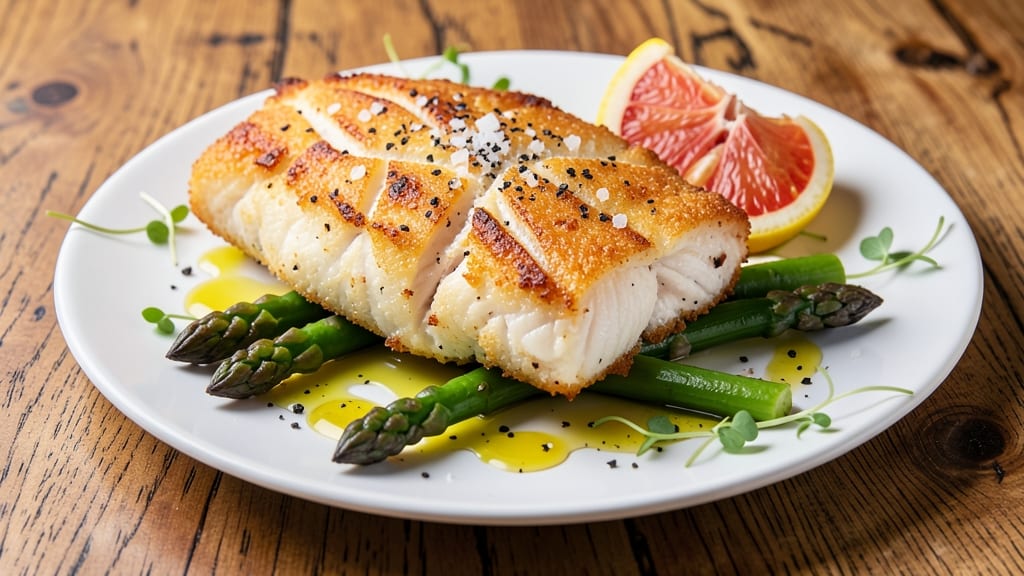
This baked potato crusted cod delivers the perfect marriage of crispy, golden crust and tender, flaky fish—every bite is a revelation. 🌟 The secret lies in using thinly sliced potatoes that transform into a delicate, shatteringly crisp exterior while keeping the cod inside perfectly moist and delicate.
I've perfected this technique over countless test batches, ensuring the crust stays crisp without overpowering the delicate fish flavor.
The beauty of this recipe is its simplicity—just a handful of ingredients come together to create restaurant-quality results at home. You'll need russet potatoes (their starch creates the ideal crispy texture), fresh cod fillets, and basic pantry staples like butter, garlic powder, and lemon juice.
The process is straightforward but requires attention to detail, particularly when prepping the potato slices for maximum crispiness.
What you'll end up with is a dish that looks as impressive as it tastes: golden-brown potato shards encasing tender, white cod that flakes effortlessly. The lemon-butter sauce ties everything together, adding brightness that cuts through the richness of the crust.
This is the kind of recipe that transforms a simple weeknight dinner into something special—without requiring advanced cooking skills.
The best part? This dish pairs beautifully with complementary sides like a fresh salad, steamed green beans, or roasted asparagus. The crispy potato crust soaks up sauces beautifully, making every bite even more satisfying.
Let's get started on creating this showstopping seafood dish that's sure to impress even the most discerning palates.
Ingredients for baked potato crusted cod
Restaurant-quality crust meets delicate cod—just 13 ingredients transform simple fish into a showstopper.
| Ingredient | Amount | Notes |
|---|---|---|
| Russet Potatoes 🥔 | 1 ½ lb | Thinly sliced, peeled preferred |
| Fresh Cod Fillets 🐟 | 2 whole | Skinless, 6 oz each fillet |
| Unsalted Butter 🧈 | ½ cup | Cold, cubed for crust |
| Garlic Powder 🧄 | 1 tbsp | Freshly ground preferred |
| Lemon Juice 🍋 | 2 tbsp | Freshly squeezed |
| Extra-Virgin Olive Oil 🫒 | 2 tbsp | For brushing crust |
| Salt 🧂 | 1 ½ tsp | Diamond Crystal kosher |
| Black Pepper 🌶️ | ½ tsp | Freshly ground |
| Fresh Parsley 🌿 | ¼ cup | Chopped, for garnish |
| Fresh Dill 🌿 | ¼ cup | Chopped, optional garnish |
| Heavy Cream 🥛 | ¼ cup | For lemon butter sauce |
| Lemon Zest 🍋 | 1 tbsp | From 1 large lemon |
| All-Purpose Flour 🌾 | 2 tbsp | For dredging fillets |
Russet potatoes are non-negotiable here—their high starch content creates that signature crispy texture. Look for russets with thick skins at Whole Foods or your local market, as they hold their shape better during slicing. If you can't find russets, Yukon Golds work in a pinch, though they'll be slightly less crisp. For the cod, freshness is critical—seek out fillets with a clean, ocean-like scent and vibrant color. Most seafood counters keep their cod on ice, but if it smells fishy, walk away. The butter should be cold and cubed before mixing with potato slices to create that perfect crispy crust.
No russet potatoes? Sweet potatoes in very thin slices can work, though texture will differ slightly. Running out of cod? Haddock or halibut are excellent substitutes—they have a similar delicate texture. Fresh herbs like parsley and dill can be swapped for 1 tbsp dried if needed, though fresh is always preferred. The lemon juice should be freshly squeezed—bottled lemon juice lacks the bright acidity that cuts through the richness. For the lemon butter sauce, heavy cream ensures a velvety texture, but you can use half-and-half for a lighter version. The flour is simply for dredging the fillets before crusting—don't skip this step, as it helps the potato slices adhere better.
The potato slices can be prepped up to 2 days ahead and stored in the fridge, covered with a damp paper towel to prevent drying. Cod fillets should be used within 1 day of purchase for optimal freshness. The lemon butter sauce keeps for 3 days in the fridge, though it's best used fresh. For a make-ahead meal, assemble the crusts on the cod and refrigerate—bake straight from the fridge, adding 5-7 extra minutes to the cooking time. The crispy crust stays fresh for about 2 hours after baking, so serve immediately if possible.
Why You'll Love This Recipe
- Crispy in Minutes: I swear, the potato crust turns golden and shatteringly crisp in just 15 minutes of baking—no frying, no waiting. You’ll be licking your fingers before the timer even dings.
- Lemon-Garlic Magic: That bright lemon juice and garlic powder combo? It’s the secret weapon here. The crust stays crisp while the cod stays tender, and every bite tastes like a fresh ocean breeze.
- Weeknight Superstar: Between us, this is my go-to when I need something impressive but can’t be bothered with fancy prep. Serve it with a simple salad or roasted veggies—done. Even my picky teenage son asks for seconds.
- Budget-Friendly Luxury: Russet potatoes and cod fillets stretch this recipe far, and leftovers reheat beautifully. Honestly, I’ve had this for lunch the next day with a squeeze of lemon, and it’s still just as good.
Step-by-step instructions for baked potato crusted cod
Here's the precise method for achieving that perfect crunchy crust with tender, flaky cod every time.
👨🍳 Step 1: Prepare the Potato Crust Mixture
Preheat your oven to 400°F and line a baking sheet with parchment paper. Peel and thinly slice the 1.5 lb Russet Potatoes (about ⅛-inch thick) using a mandoline or sharp knife. The thinner and more uniform the slices, the better the crust will crisp.
Spread the potato slices in a single layer on the prepared baking sheet and brush lightly with 1 tablespoon of the extra-virgin olive oil. Sprinkle evenly with 1.5 teaspoons salt, 0.5 teaspoon black pepper, and 1 tablespoon garlic powder. Bake for 15-18 minutes until the edges are golden brown and the slices are tender when pierced with a fork.
🍳 Step 2: Create the Cod Crust and Bake
While the potatoes bake, pat the 2 whole Fresh Cod Fillets dry with paper towels—this is critical for crispiness. Place each fillet on a separate plate and season both sides generously with remaining 0.5 teaspoon salt and 0.5 teaspoon black pepper. Dredge lightly in 2 tablespoons all-purpose flour, shaking off any excess.
Press the baked potato slices onto each fillet, overlapping slightly to create a complete crust. Use the back of a spoon to gently press the potatoes into the fish, ensuring full coverage. Transfer to the baking sheet and brush the crust with remaining 1 tablespoon extra-virgin olive oil. Bake for 12-15 minutes until the crust is deep golden brown and the cod flakes easily with a fork.
🥘 Step 3: Prepare the Lemon Butter Sauce
While the cod finishes baking, melt the 0.5 cup Unsalted Butter in a small saucepan over medium-low heat. Add the 1 tablespoon lemon zest and 2 tablespoons lemon juice, stirring constantly for 1-2 minutes until fragrant. Remove from heat and whisk in the 0.25 cup heavy cream until smooth.
Keep the sauce warm over barely simmering water in a double boiler or in a heatproof bowl set over a pot of hot water. This gentle heat maintains the sauce's silky texture without curdling. The sauce should be ready to serve when the cod is perfectly cooked.
🍽️ Step 4: Assemble and Garnish
Transfer the baked cod to serving plates, spooning the lemon butter sauce generously over each fillet. Garnish immediately with 0.25 cup chopped fresh parsley and 0.25 cup chopped fresh dill for vibrant color and freshness. The crust should be crisp enough to hold its shape while the cod remains tender and flaky.
Serve immediately with additional sauce on the side and a simple green salad. The contrast between the crispy potato crust, silky fish, and bright lemon butter sauce creates a restaurant-quality dish that's surprisingly simple to prepare at home.
Pro Tips For Making Baked Potato Crusted Cod
- Dry the Potatoes Thoroughly: I learned this the hard way—wet potato slices won’t crisp, no matter how hot your oven gets. After peeling and thinly slicing the Russets, pat them dry with paper towels, then let them sit on a rack for 10 minutes. This isn’t just about texture; it’s the difference between a crunchy crust and a soggy mess.
- Prep Cod Skin-Side Down: Fresh cod fillets have a delicate side you don’t want to ruin. Place them skin-side down on a parchment-lined tray before adding the potato slices—this keeps the flesh intact while the crust forms. Flip carefully halfway through baking (around 15 minutes in) so the skin doesn’t tear. Trust me, your plating will look 10 times better.
- Use a Mixer for Even Slices: I used to hand-slice potatoes with a chef’s knife, and half the time they’d be lumpy or uneven. Pop the peeled Russets through a food processor with the slicing blade for perfectly thin, consistent slices—no guesswork. If you don’t have one, a mandoline works, but keep your fingers clear (yes, even if you’re impatient like me).
- Rest the Cod Before Serving: Skipping this step is how you end up with a broken crust or dry fish. As soon as the cod comes out of the oven, tent it loosely with foil and let it rest for 5 minutes. The crust will set, the butter will redistribute, and the fish won’t fall apart when you cut into it. I know, I know—you want to eat it now—but this is the thing that matters most.
Flavor customization for this recipe
Spicy Kick Options
Add ½ teaspoon smoked paprika and ¼ teaspoon cayenne pepper to the potato crust mixture for a subtle smoky heat that pairs beautifully with the cod's delicate flavor.
For a bolder kick, sprinkle 1 teaspoon chili flakes over the crust before baking—this adds color and a fiery contrast to the buttery sauce. 🌶️
Herb Variations
Swap out parsley and dill for chopped chives and fresh tarragon for a more anise-forward flavor profile that complements the lemon butter sauce. Or try thyme and rosemary for an earthy, aromatic twist that works especially well with the potato crust's natural richness.
Cheesy Crust Twist
Mix ¼ cup grated Parmesan cheese into the cold butter before creating the crust—this adds a nutty depth that enhances the potato's crispiness. For a creamier option, use shredded Gruyère instead. The cheese melts slightly during baking, creating a golden, flavorful crust layer.
Citrus Brightness
Boost the lemon flavor by adding 1 teaspoon orange zest to the potato crust mixture or 1 tablespoon lime juice to the lemon butter sauce. The citrus notes cut through the richness while adding a refreshing complexity that makes every bite more vibrant.
Garlic Lover's Upgrade
Increase the garlic powder to 2 tablespoons in the crust mixture for a more intense garlic flavor. For an extra punch, press 3 minced garlic cloves directly onto the cod fillets before adding the potato slices. This creates a concentrated garlic flavor that pairs perfectly with the lemon butter sauce.
Smoky Maple Glaze
Brush the baked cod with a 1:1 mixture of maple syrup and balsamic vinegar before serving for a sweet-savory glaze that caramelizes slightly. This works especially well with the spicy kick option, creating a perfect balance of flavors that elevates the dish to new heights. 🔥
Nutrition facts
Frequently asked questions
Can I use frozen cod for this recipe?
Fresh cod is ideal for this dish, but you can use frozen cod if thawed properly. Place frozen fillets in a sealed bag submerged in cold water for 30-45 minutes per inch of thickness. Pat completely dry before using—excess moisture prevents the potato crust from crisping. Never thaw cod at room temperature, as this promotes bacterial growth.
How do I prevent the potato crust from getting soggy?
Three key steps:
- Pat cod fillets completely dry before crusting,
- Use thin, uniform potato slices (⅛-inch thick), and
- Bake on the middle rack for even heat circulation. The flour dredging also helps absorb any excess moisture. If your crust feels damp after baking, broil for 1-2 minutes at the end to restore crispiness.
What's the best way to reheat leftovers?
This dish reheats best in a 350°F oven for 8-10 minutes on a baking sheet—just cover loosely with foil to prevent over-crisping. For microwave reheating, use 30-second intervals on medium power, then finish under the broiler for 1 minute to restore crust texture. Avoid reheating in air fryers, as they'll make the crust rubbery.
Can I make this recipe without flour?
Yes! Replace the flour with 2 tablespoons cornstarch or 1 tablespoon panko breadcrumbs for a gluten-free option. The cornstarch creates a light coating that helps the potato slices adhere better, while panko adds extra crunch. Just be sure to press the crust firmly onto the fillets to ensure full coverage during baking.
Why did my cod turn rubbery instead of flaky?
Overcooking is the most common cause—cod becomes rubbery when baked beyond 12-15 minutes at 400°F. The fish should flake easily with a fork when done. Other culprits include using thick fillets (stick to 1-inch thickness max) or not patting them completely dry. For extra insurance, bake at 375°F for 10-12 minutes instead.