
Side Dishes
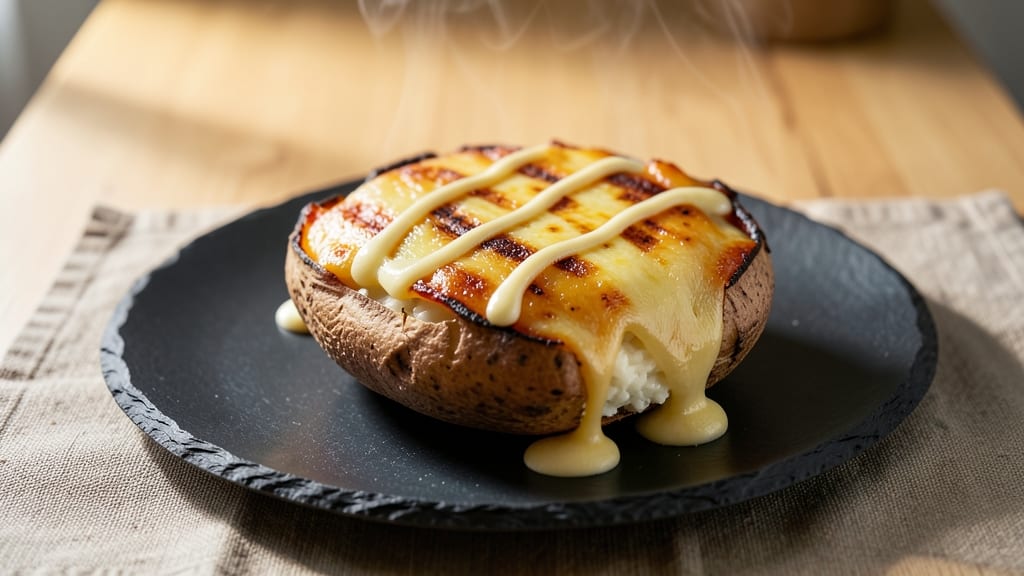
This baked potato grilled cheese recipe transforms a classic comfort food into something extraordinary—crispy edges, fluffy potato layers, and melty cheese that makes every bite irresistible. I perfected this technique after years of experimenting with textures, and trust me, it's a game-changer for any weeknight dinner.
The secret lies in baking the potato until tender but firm, then sandwiching it between buttery, cheesy layers that get perfectly golden under the grill.
What sets this apart is the balance—crispy crust without burning, creamy potato that holds its shape, and cheese that stretches just enough to create that satisfying pull. I use sharp cheddar and Gruyère for depth, but the method works with whatever cheese you love.
The assembly is simple: butter the potato slices, layer with cheese, and press until golden under the pan. It's the kind of dish that feels indulgent but comes together in minutes.
By the time you're done, you'll have a grilled cheese that's crispy on the outside, tender on the inside, and packed with melty, cheesy goodness. The potato stays warm and fluffy, soaking up every bit of flavor while the cheese creates that perfect pull-apart texture.
This isn't just a side—it's a main event that'll have everyone asking for seconds.
Serve it with a simple salad or pickles to cut through the richness, or enjoy it as-is with a warm bowl of soup. The possibilities are endless, but the method stays foolproof. Let's get cooking!
Ingredients for baked potato grilled cheese
Twelve simple ingredients for a grilled cheese that's crispy outside, fluffy inside, and melty perfection.
| Ingredient | Amount | Notes |
|---|---|---|
| Russet Potatoes 🥔 | 2 large | Baked until tender but firm |
| Sharp Cheddar Cheese 🧀 | 1 cup | Shredded, full-fat preferred |
| Gruyère Cheese 🧀 | ½ cup | Shredded, for depth of flavor |
| Unsalted Butter 🧈 | 4 tbsp | Softened, for buttering |
| Mayonnaise 🥫 | 2 tbsp | For extra creaminess (optional) |
| Garlic Powder 🧄 | ½ tsp | For subtle garlic flavor |
| Salt 🧂 | ½ tsp | Kosher or sea salt |
| Black Pepper 🌶️ | ¼ tsp | Freshly ground preferred |
| Olive Oil 🫒 | 1 tbsp | For greasing the pan |
| Freshly Ground Black Pepper 🌶️ | ¼ tsp | For finishing the cheese |
| Pickle Slices 🥒 | 4 whole | For serving, optional |
| Tomato Slices 🍅 | 2 whole | For serving, optional |
The potatoes are the foundation—Russets are ideal because they hold their shape when baked. Idahoan potatoes are my go-to, but any russet works. Bake them until you can pierce with a fork but they still have a little resistance—about 45-50 minutes at 400°F. The cheese is where the magic happens: sharp cheddar for tang and Gruyère for that nutty depth. I grab both at Whole Foods or my local specialty grocer, but the regular supermarket stuff works fine if it's good quality. Look for cheddar that's aged at least 6 months for that sharp bite.
No sharp cheddar? Pepper Jack or smoked Gouda both work well. The Gruyère can be swapped for Comté or Emmental if that's what's in your fridge. Want extra creaminess? Add a tablespoon of mayo to the butter mix—it helps the cheese melt even better. The garlic powder is optional but adds a nice depth, and if you're feeling fancy, a pinch of smoked paprika gives it a smoky twist. For the butter, Plugrá or Land O'Lakes are my favorites, but any unsalted butter will do. Just make sure it's softened—not melted—so it spreads easily.
Leftover baked potatoes? Wrap them tightly in foil and they'll keep for 2-3 days in the fridge. The cheese sandwiches reheat beautifully—just pop them back under the grill for 2-3 minutes until golden again. For a quick lunch, slice the sandwiches diagonally and serve with pickle slices or tomato wedges. The pickles cut through the richness perfectly, and the tomatoes add a fresh contrast. Store any leftovers in an airtight container, and they'll stay fresh for 3-4 days—though I doubt they'll last that long.
Why You'll Love This Recipe
- No Chopping Needed: I swear by this—just slice the potatoes thin, no dicing, no peeling fuss. The knife work is over in five minutes, and honestly, that’s half the battle won.
- Creamy Crispy Magic: That Gruyère melts into gooey perfection while the sharp cheddar holds its edge. The mayo inside keeps it rich without being greasy, and the butter crust? Chef’s kiss. It’s the kind of bite that makes you close your eyes.
- Lunchbox Hero: Between us, this is my secret weapon for packed lunches. Wrap the slices in foil, and they stay warm for hours—no sad, soggy sandwiches here. My kid still asks for it on Fridays, even though I tell her it’s "boring."
- Budget-Friendly Feast: Russets are cheap, cheese stretches far, and a stick of butter lasts forever. I feed four for under $8, and leftovers? They reheat like a dream in the oven. No wasted ingredients, just pure, satisfying comfort.
Step-by-step instructions for baked potato grilled cheese
Here's how to build the perfect crispy, melty masterpiece with your baked potatoes.
Prepare the Potato Halves
Start with the 2 large Russet Potatoes you've already baked until tender but firm. Let them cool slightly so you can handle them without burning your fingers. Using a sharp chef's knife, carefully cut each potato in half lengthwise. You want to expose the fluffy interior while keeping the skin intact for stability.
Gently scoop out about ½ cup of the potato flesh from each half, leaving a thick bottom layer. I like to use a spoon for this—press it against the sides to remove all the soft center while preserving the sturdy bottom. Discard the scooped potato or save it for mashed potatoes. The hollowed-out halves should be about 1-inch deep.
Create the Cheese Mixture
In a medium bowl, combine the 1 cup Sharp Cheddar Cheese and 0.5 cup Gruyère Cheese. Add the 4 tablespoons softened Unsalted Butter, 2 tablespoons Mayonnaise, 0.5 teaspoon Garlic Powder, 0.5 teaspoon Salt, and 0.25 teaspoon Black Pepper. Mix thoroughly with a fork until you have a smooth, spreadable consistency that looks like thick, creamy cheese sauce.
This blend gives you the perfect balance of sharp cheddar flavor and Gruyère's nutty depth. The mayonnaise adds extra creaminess while keeping the mixture from being too dry. If the mixture seems too thick, add 1 teaspoon of milk at a time until it reaches a spreadable consistency.
Butter and Assemble the Sandwiches
Lightly brush the hollowed-out potato halves with the 1 tablespoon Olive Oil using a pastry brush. This helps create a crispy crust when we toast them. Then, using a spoon, carefully fill each potato half with about ½ of the cheese mixture. Spread it evenly, pressing gently to ensure good contact with the potato walls.
Here's the thing—don't overfill. You want enough cheese to melt and create that gooey center, but not so much that it spills out when you press the sandwich together. The cheese should come about ⅔ up the sides of the potato half.
Toast to Golden Perfection
Heat a large skillet over medium heat until it's hot but not smoking. Add the potato halves, cheese-side down, and press gently with a spatula to help them make contact with the pan. Cook for 3-4 minutes until the bottoms are golden brown and the cheese begins to bubble and melt.
Carefully flip each sandwich using a thin spatula, pressing down gently to help the cheese melt evenly. Cook for another 3-4 minutes until both sides are golden brown and the cheese is completely melted and bubbly. The potatoes should be crispy on the outside while keeping their fluffy interior.
Serve with Classic Toppings
Remove the sandwiches from the pan and let them rest for 1 minute. This resting time helps the cheese set slightly so it doesn't run out when you cut. Using a sharp knife, cut each sandwich diagonally in half for easy handling.
Serve immediately with the 4 whole Pickle Slices and 2 whole Tomato Slices on the side. The acidity of the pickles cuts through the richness of the cheese, while the fresh tomato adds a nice contrast. And here's a pro tip: sprinkle the 0.25 teaspoon Freshly Ground Black Pepper over the top just before serving for that final restaurant-quality touch.
Pro Tips For Making Baked Potato Grilled Cheese
- PREHEAT THE OVEN TO 425°F: This isn’t just a number—it’s the difference between a crispy, golden crust and a sad, soggy mess. Russets need that high heat to get properly crispy on the outside while staying fluffy inside. I used to bake these at 375°F and wondered why they never got that satisfying crunch. Trust me, crank it up.
- GRATE THE CHEESE FRESH: Pre-shredded cheese has anti-caking agents that make it melt poorly—especially Gruyère, which clumps like a stubborn child. Grab a box grater and shred your own; it melts smoother, stretches better, and sticks to the potato like glue. Yes, it takes 30 seconds longer, but the texture is worth it.
- DON’T SKIP THE MAYO LAYER: A thin spread of mayo between the potato halves isn’t just for moisture—it’s the glue that keeps the sandwich from falling apart when you cut into it. Use about ½ teaspoon per potato, and spread it evenly. I learned this after watching my first attempt disintegrate like a wet paper towel.
- BAKE ON THE MIDDLE RACK: Bottom rack? Nope. Top rack? Close, but not quite. The middle rack ensures even heat circulation, so the cheese melts uniformly and the potato crisps without burning. I used to play oven roulette, but now I just slide the tray in the center and forget about it. Consistency wins.
Troubleshooting great baked potato grilled cheese
Potato Too Dry?
If your baked potato feels dry after baking, it’s likely overcooked. The key is to bake at 400°F for 45-50 minutes until a fork slides in easily but still offers slight resistance.
For extra moisture, brush the hollowed potato halves with a tiny bit of olive oil before adding cheese—this helps lock in steam. If you’re working with leftovers, reheat them in the oven at 350°F for 10-15 minutes with a splash of water in the pan to restore fluffiness. 💡
Cheese Not Melting?
Cheese that refuses to melt usually means it’s too cold or the pan isn’t hot enough. Heat your skillet over medium heat until it’s hot but not smoking before adding the potato halves.
If your cheese is still stubborn, try mixing in 1 tablespoon of mayo or a pinch of cream cheese with the butter—this acts as a natural emulsifier. Also, press down gently with a spatula while cooking to help the cheese make direct contact with the pan. 🧀
Crust Too Soft?
A soft crust means the pan wasn’t hot enough or the potatoes weren’t buttered properly. First, make sure your skillet is preheated for at least 3-4 minutes before adding the potatoes. Brush the hollowed sides with olive oil and butter thoroughly—this creates a crispy barrier.
For extra crunch, add a pinch of cornstarch to the butter mixture before spreading it on the potatoes. 🔥
Cheese Spilling Out
Overfilling your potato halves is the most common cause of cheese spillage. Fill them only ⅔ full—any more and the cheese will overflow when pressed. To contain any excess, press the top of the potato halves together gently after adding the cheese.
If it still happens, try using a slightly firmer cheese like Parmesan mixed into your blend—it holds its shape better when melted. 💫
Potato Falling Apart
If your potato halves disintegrate when cutting or serving, they were likely scooped too aggressively. Leave a ½-inch thick bottom layer intact when hollowing them out—this provides structural support. For extra stability, press the halves together lightly before cooking, almost like a sandwich.
If using leftovers, reheat them in the oven instead of the microwave to prevent breakage. ✨
Nutrition facts
Frequently asked questions
Can I use store-bought baked potatoes for this recipe?
Yes, but with a few adjustments! Store-bought potatoes are often overcooked and dry. To fix this, microwave them for 1-2 minutes with a damp paper towel to restore moisture, then proceed with the recipe. For best results, always bake your own potatoes at 400°F for 45-50 minutes—they'll be fluffier and hold up better during assembly.
What's the best cheese substitute if I don't have Gruyère?
Gruyère adds that nutty depth, but you can swap it for Comté, Emmental, or even Swiss cheese—they all melt beautifully. For a sharper flavor, use Pepper Jack or smoked Gouda. Just make sure your cheese melts well; avoid crumbly cheeses like feta. If you're feeling adventurous, try a mix of mozzarella and Parmesan for extra stretch and flavor!
How do I make this vegetarian (or vegan)?
For a vegetarian version, use vegan cheese that melts well (like Miyoko's or Violife). For extra richness, add 1 tablespoon of nutritional yeast to the butter mixture—it gives a cheesy, umami flavor. For a vegan potato, try baking a cauliflower or sweet potato instead, then follow the same assembly steps. The key is ensuring your cheese substitute melts smoothly!
Can I make this ahead of time?
Assemble the potato halves with cheese and store them in an airtight container in the fridge for up to 24 hours. When ready to cook, simply heat the skillet and press the sandwiches until golden. For reheating leftovers, pop them back under the grill for 2-3 minutes per side. The texture stays crispy, but the cheese may melt slightly less—just add a sprinkle of extra cheese when serving!
What's the secret to getting that perfect crispy crust?
The magic is in the butter and heat! Brush the hollowed potato halves with olive oil first (this creates a barrier), then spread softened butter generously on the sides. Use a heavy skillet (like cast iron) and heat it over medium-high until hot but not smoking. Press the sandwiches down gently with a spatula while cooking—this ensures even browning and a crispy exterior!