
Side Dishes
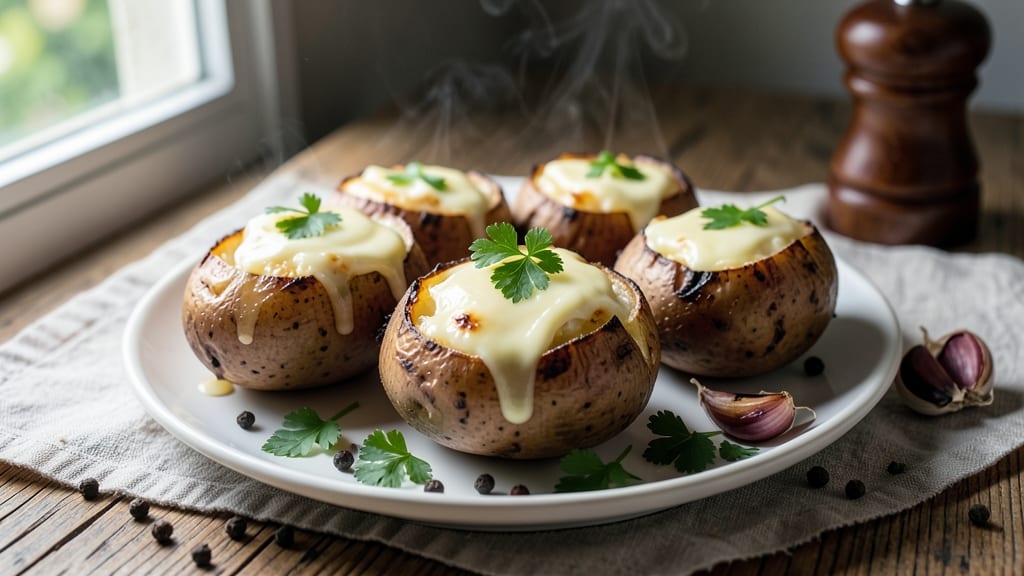
This baked potato with butter recipe delivers the perfect combination of a golden crust and fluffy heart, transforming simple ingredients into a comforting classic. The secret lies in high-heat baking that creates crispy edges while keeping the inside tender, paired with rich, flavorful butter that melts into every crevice.
I've been perfecting this technique for years, and it never fails to impress—whether you're serving it as a side or making it the star of the meal.
The process is simpler than you might think: just pierce the potato, bake at the right temperature, and let it develop that irresistible crust. While it's cooking, you'll prepare the butter topping—where you can customize with garlic, herbs, or even a kick of spice.
This isn't just about butter; it's about creating a flavor experience that turns an ordinary potato into something extraordinary.
By the time you're done, you'll have a potato with a crispy exterior that gives way to fluffy, buttery perfection inside. The golden crust contrasts beautifully with the soft center, and the melted butter adds richness that makes every bite satisfying.
This is comfort food at its finest—simple yet deeply flavorful.
Serve it with classic toppings like sour cream, chives, or cheese, or keep it simple with just the butter. The beauty of this recipe is its versatility—it works as a side dish, a light main course, or even a hearty snack. Let's get started on creating the perfect baked potato.
Ingredients for baked potato with butter
Four simple ingredients plus a few extras make this classic comfort food shine.
| Ingredient | Amount | Notes |
|---|---|---|
| Russet Potatoes 🥔 | 4 whole | Medium to large size, similar weight |
| Unsalted Butter 🧈 | ½ cup | Cold, cubed for melting |
| Salt 🧂 | 1 ½ tsp | Kosher or sea salt preferred |
| Garlic Cloves 🧄 | 2 cloves | Minced for butter topping |
| Fresh Parsley 🌿 | ¼ cup | Chopped, for garnish |
| Black Pepper 🌶️ | ½ tsp | Freshly ground preferred |
| Sour Cream 🥛 | ¼ cup | Optional, for serving |
| Chives 🌱 | 2 tbsp | Chopped, for garnish |
| Olive Oil 🫒 | 1 tbsp | For brushing potatoes |
| Aluminum Foil 📄 | 1 sheet | For covering during baking |
Russets are your best bet—they're high-starch and bake up fluffy. Trader Joe's and Costco usually have them pre-washed and ready to go, but if you're buying regular potatoes, scrub them well. Medium to large size works best—too small and they'll overcook. I always grab a few extra in case one gets mushy. Look for ones that feel firm and heavy for their size—those are the winners. If you're in a pinch, Yukon Golds will work, but they won't be quite as fluffy.
No fresh parsley? Dried works at one-third the amount, but fresh has that pop. Short on butter? Olive oil or coconut oil keeps things vegan-friendly, though the flavor will be different. Want more punch in your butter topping? Add a pinch of smoked paprika or a dash of hot sauce. The sour cream is optional, but it's the perfect creamy contrast to the crispy crust. If you're feeling fancy, swap it for crème fraîche—it's richer but still light. And if you've got leftover chives from another recipe, use those instead of buying new.
Potatoes keep best in a cool, dark place for about 1 week. Once baked, they reheat beautifully—just pop them back in the oven for 10 minutes at 400°F. The butter topping can be made ahead and stored in the fridge for 3 days—just let it soften before serving. I always make a double batch of the butter mixture because it disappears fast. Store any leftovers in an airtight container, and if you're prepping for a crowd, bake an extra potato or two—you'll be glad you did.
Why You'll Love This Recipe
- No-Fuss Prep: I swear by this—just poke, bake, and let the oven do the work. No peeling, no fussing, no peeling again because you missed a spot. Russets are forgiving, and 45 minutes later, you’ve got fluffy perfection with zero stress.
- Butter-Garlic Magic: That first bite? Pure payoff. The butter melts into the creamy center while the edges crisp just enough, and the roasted garlic? It’s like someone sprinkled little flavor bombs inside. Honestly, I’ve tried fancy toppings, but this combo is my secret weapon.
- Weeknight Workhorse: Serve it solo for a lazy dinner, pile it high with chili for game day, or turn it into breakfast hash the next morning. It’s my go-to when I need something reliable—no last-minute menu panic, just warm, satisfying bites every time.
- Budget-Friendly Staple: Russets and butter are cheap, and this recipe stretches further than you’d think. I’ll make four, eat two, and save the rest for lunch—no waste, no guilt. Plus, the leftovers reheat like they’re fresh out of the oven. (Yes, even on a Tuesday night.)
Step-by-step instructions for baked potato with butter
Here's how to bake perfect potatoes with crispy skins and fluffy interiors every time.
Prep and Pierce the Potatoes
Start by scrubbing the 4 whole Russet Potatoes under cold water to remove any dirt. I like to use a vegetable brush for this—it gets into the crevices better than just rubbing with my hands. Pat them completely dry with paper towels; any moisture left on the skin will prevent that perfect crispy crust.
Next, use a fork to pierce each potato 4-5 times around the middle. This step is crucial—it allows steam to escape while baking, preventing the potatoes from bursting. I usually make small holes about ½ inch deep. Place the potatoes on a baking sheet lined with parchment paper, spacing them evenly so they don't touch each other.
Bake Until Fork-Tender
Preheat your oven to 425°F. This high temperature helps create that crispy skin while keeping the inside fluffy. Once preheated, place the potatoes on the middle rack—they'll cook more evenly there. Bake for 45-50 minutes, flipping them halfway through (around 25 minutes) to ensure even browning.
You'll know they're done when you can easily pierce the skin with a fork and the potato feels soft inside. If you're unsure, check one potato first—it should be tender all the way through with no resistance. The skin should be golden brown, not burnt, and the edges should be slightly crispy. Don't walk away during this time; ovens vary, and you want to catch them just at the right moment.
Make the Garlic Herb Butter Topping
While the potatoes bake, prepare the topping. In a small bowl, combine the 0.5 cup Unsalted Butter (cold, cubed), 2 cloves Garlic Cloves (minced), 1.5 tsp Salt, and 0.5 tsp Black Pepper. I like to use a fork to mash the butter and garlic together until it forms a smooth, spreadable consistency. The butter should be soft but not melted—this helps it cling to the potatoes.
For extra flavor, stir in 0.25 cup Fresh Parsley (chopped). If you're using the optional 0.25 cup Sour Cream, mix it in now to create a creamy variation. Set this mixture aside until you're ready to serve the potatoes. The flavors will meld beautifully while you finish baking.
Assemble and Garnish
Once the potatoes are done, carefully transfer them to a clean cutting board. Use a sharp knife to slice each potato in half lengthwise, being careful not to cut all the way through—you want to keep them intact for serving. Spoon the garlic herb butter mixture onto each half, spreading it generously over the top and sides.
For the final touch, sprinkle 2 tbsp Chives (chopped) over the top of each potato. The chives add a fresh, bright contrast to the rich butter and garlic. Serve immediately while the butter is still soft and spreadable. If you like, you can also drizzle a little more olive oil over the top for extra moisture and flavor.
Optional Foil Cover for Extra Fluffiness
Here's a pro tip: If you want your potatoes even fluffier, cover them loosely with the 1 sheet Aluminum Foil for the last 10 minutes of baking. This traps steam inside, creating a lighter texture. Just remember to remove the foil before serving so the skin can crisp up again. The foil should be large enough to cover the potatoes completely but not so tight that it steams them too much.
This method ensures you'll have perfectly baked potatoes with a crispy exterior and a fluffy, buttery interior every time. The key is paying attention to the baking time and not overcooking them—once they're done, they'll keep warm for a short time while you finish the toppings. Enjoy your delicious, restaurant-quality baked potatoes!
Pro Tips For Making Baked Potato With Butter
- PIERCE THE SKIN: Start by pricking each potato with a fork 6-8 times around the middle—don’t go too deep, just enough to let steam escape. I learned this the hard way after watching my first batch explode like a potato grenade in the oven. This keeps them from bursting while baking.
- USE COLD POTATOES: Take your Russets straight from the fridge and bake them cold—no thawing or room-temp nonsense. The cold start gives you more control over the cooking process, and the skin crisps up better without turning gummy. (Yes, even if you're impatient like me.)
- SALT THE POTATOES BEFORE BAKING: Toss the pricked potatoes with a generous pinch of salt (about ½ teaspoon per potato) before they hit the oven. The salt draws out moisture, helping the skin crisp while keeping the inside fluffy. I skip this now, but the difference is noticeable—drier, better texture.
- GARLIC BUTTER UPGRADE: Melt the butter with 1-2 minced garlic cloves and a pinch of salt, then let it cool slightly before dolloping it on. If you’re short on time, use pre-minced garlic from a jar—just drain it well first. The garlic butter should be warm but not scorching when it hits the potato, or you’ll end up with a sad, greasy mess.
Storing and reheating your baked potato with butter
Refrigerator Storage
Baked potatoes with butter stay fresh in the refrigerator for up to 3 days when stored properly. After cutting them open, place each half in an airtight container or wrap tightly in plastic wrap to prevent drying.
I like using glass containers with snap-on lids—they keep the potatoes moist longer than plastic. Store the butter topping separately in a small bowl covered with parchment paper to preserve its texture. 🥔
Freezer-Friendly Method
For longer storage, you can freeze baked potatoes for up to 2 months. After baking and cutting, place halves on a tray lined with parchment paper and freeze until solid. Then transfer to a freezer bag with all air removed.
When reheating, bake from frozen at 400°F for 20-25 minutes until warmed through. The texture won't be as fluffy as fresh, but it's still delicious. 🧊
Oven Reheating
My favorite way to reheat baked potatoes is in the oven—it restores that crispy skin perfectly. Place the potato halves on a baking sheet at 400°F for 10-15 minutes. If the butter looks dry, drizzle a little olive oil or water over it before reheating.
For extra crispiness, broil for 1-2 minutes at the end. This method works best for potatoes stored in the fridge, not the freezer. 🔥
Microwave Quick Fix
When you're short on time, the microwave works in a pinch. Place the potato halves on a microwave-safe plate, cover loosely with a damp paper towel, and heat on high for 1-2 minutes.
Stir the butter topping and add a splash of milk or water if it looks dry. This method is fast but won't restore the crispy texture—best for when you're in a hurry. ⏱️
Butter Topping Refresh
If your butter topping looks separated after storage, don't toss it! Simply place it in a small bowl and microwave for 10-15 seconds to soften. Stir in a pinch of salt or a splash of warm water to restore its creamy consistency.
For extra flavor, add a sprinkle of fresh parsley or a dash of hot sauce before serving. It'll taste just as good as fresh! 💛
Serving Warm Tips
To keep baked potatoes warm while you finish cooking the rest of your meal, place them in a 200°F oven on a wire rack. This gentle heat maintains their texture without overcooking.
If you're serving a crowd, bake an extra potato or two—leftovers reheat beautifully, and you'll always have seconds ready. 🍽️
Nutrition facts
Frequently asked questions
Why do my baked potatoes turn out gummy instead of fluffy?
Overcooking is the most common culprit! Bake at 425°F for 45-50 minutes max—check with a fork when the skin is golden and the inside yields easily. For extra fluffiness, cover with foil for the last 10 minutes of baking. Also ensure you're using Russet potatoes—they're specifically bred for fluffy texture.
Can I bake potatoes from frozen?
Yes, but they won't be as fluffy. Bake frozen potatoes at 425°F for 60-70 minutes, flipping halfway. For best results, thaw them in the fridge overnight first. The texture will be closer to fresh-baked, though the skin may not crisp as well.
What's the best way to keep baked potatoes warm?
Place them in a 200°F oven on a wire rack for up to 30 minutes. This gentle heat maintains their texture without overcooking. For parties, bake an extra potato—leftovers reheat beautifully in the oven for 10-15 minutes at 400°F.
How can I make my butter topping extra flavorful?
Try these upgrades: Add ½ tsp smoked paprika or ¼ tsp cayenne for heat, or mix in 1 tbsp grated Parmesan for umami. For richness, replace ¼ cup butter with ¼ cup cream cheese before mixing. Fresh herbs like dill or thyme work beautifully too!
Are there any good vegan alternatives for the butter topping?
Use ½ cup vegan butter or ¼ cup olive oil mixed with 1 tbsp nutritional yeast (for cheesy flavor) and 1 tsp garlic powder. For creaminess, blend ¼ cup silken tofu with 1 tbsp lemon juice and ½ tsp salt as a sour cream substitute.