
Side Dishes
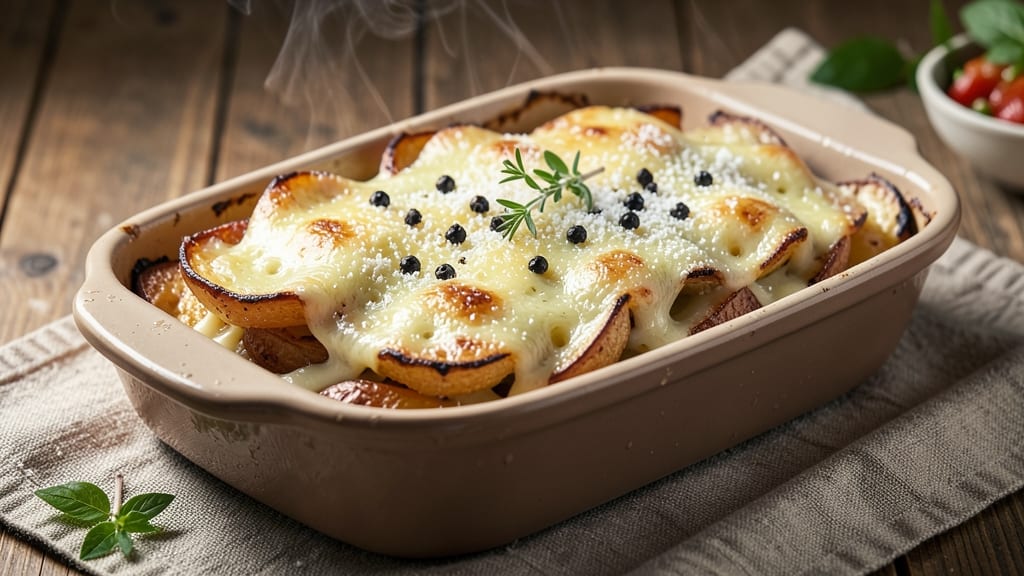
Barefoot Contessa’s potato gratin delivers that velvety, golden perfection you crave—creamy layers of potatoes baked until tender, topped with a crispy cheese crust that seals in all the flavor. 💛 The secret lies in her precise layering technique and slow-baked magic, transforming simple potatoes into a restaurant-worthy side dish that steals every meal.
This recipe stays true to the original while offering modern shortcuts: parchment paper for easy cleanup and exact oven temperatures to avoid soggy layers. Pre-cooking the potatoes ensures they absorb the creamy sauce perfectly, while the cheese crust develops that signature crispiness without burning.
It’s the kind of dish that makes weeknight dinners feel special.
What you’ll end up with is irresistible comfort food—creamy, cheesy, and impossibly tender potatoes with a crust that’s crispy on top but melts in your mouth. The aroma alone will have everyone gathering around the table, and the first bite will have them asking for seconds.
Serve alongside roasted meats or as a hearty vegetarian main.
Ready in about 1 hour, this gratin is perfect for holidays, family dinners, or when you want to impress guests without stress. The best part? It reheats beautifully, so you can make it ahead and enjoy the leftovers just as good as the first serving.
Let’s get started on this classic recipe!
Ingredients for barefoot contessa potato gratin
Velvety potatoes, crispy cheese crust, and a handful of pantry staples—this is comfort food at its finest.
| Ingredient | Amount | Notes |
|---|---|---|
| Russet Potatoes 🥔 | 3 lb | Thinly sliced, peeled preferred |
| Heavy Cream 🥛 | 2 cups | Full-fat for creaminess |
| Whole Milk 🥛 | 1 cup | Warm slightly before using |
| Gruyère Cheese 🧀 | 2 cups | Freshly grated, nutty flavor |
| Emmental Cheese 🧀 | 1 cup | Freshly grated, melts beautifully |
| Parmesan Cheese 🧀 | ½ cup | Freshly grated, for depth |
| Garlic Cloves 🧄 | 4 cloves | Minced finely for flavor |
| Shallots 🧅 | 2 whole | Minced, or sub with onion |
| Dijon Mustard 🍯 | 1 tbsp | For subtle tang |
| Salt 🧂 | 1 ½ tsp | Kosher or sea salt |
| Black Pepper 🌶️ | 1 tsp | Freshly ground preferred |
| Nutmeg 🌿 | ¼ tsp | Freshly grated for warmth |
| Unsalted Butter 🧈 | 4 tbsp | Melted for sauce base |
| Parchment Paper 📄 | 1 sheet | For easy baking |
The cheese trio makes all the difference. Gruyère and Emmental from specialty cheese shops or the deli section melt like a dream, while Parmesan adds that savory kick. Look for pre-grated options at Whole Foods or Trader Joe's if you're short on time, but freshly grated is worth the effort. For the potatoes, Russets are non-negotiable—they hold up best to slicing and baking. I always buy a few extra pounds to account for scraps, and peeling them ensures even cooking. The secret to that signature crispy crust? Parchment paper—it prevents sticking and makes cleanup a breeze.
No Gruyère? Comté or sharp cheddar works in a pinch, though the flavor will differ. Short on time? Pre-minced garlic from the jar saves steps, but fresh garlic is always better. The shallots can be swapped for 1/2 cup finely diced onion if that's what you have. For the cream, half-and-half works if you're watching calories, but trust me on the full-fat version. The mustard adds depth—if you're avoiding it, a splash of lemon juice gives similar tang. And if you can't find fresh nutmeg, ground works at half the amount, though it's not quite the same.
This gratin reheats beautifully—honestly tastes better the next day once everything melds. Keeps 4-5 days in the fridge, covered tightly. For leftovers, wrap individual portions in foil and reheat in the oven at 350°F for 15 minutes. I always make a double batch—one for dinner, one for lunches. Store any extra cheese in an airtight container in the fridge for up to 2 weeks. The parchment paper? Save it for next time—just wash and reuse.
Why You'll Love This Recipe
- One-Pan Magic: I swear by this when I’m too tired to scrub a million dishes—just slice, layer, and bake. The Russets release all their starch into that creamy Gruyère mix, so you end up with a dish that’s ridiculously flavorful with almost no effort.
- Creamy Crispy Obsession: That perfect contrast—golden, crackly top from the oven, then silky-smooth inside where the heavy cream and Emmental melt into gooey heaven. Honestly, I’ll take this over any takeout when I’m craving something rich but still feels light enough for dinner.
- Weeknight to Dinner Party: Make a big batch on Sunday and reheat it for lunches all week—trust me, it tastes just as good cold as it does hot. Or, impress guests by serving it at room temp with a drizzle of cream; it’s fancy enough to feel special without requiring a side dish.
- Budget-Friendly Luxury: Gruyère and Emmental stretch further than you’d think when layered right, and Russets are cheap as dirt. I’ll be real: this feels like a $20 restaurant dish, but my grocery bill says otherwise. Plus, leftovers? They’re the best kind—no one ever complains about seconds.
Step-by-step instructions for barefoot Contessa potato gratin
This is how you build that legendary golden crust and velvety layers—no shortcuts, just pure comfort.
👨🍳 Step 1: Prep the Potatoes for Perfect Layers
Start by peeling the 3 lb russet potatoes and slicing them into ¼-inch thick rounds using a mandoline or sharp knife. I like to keep them uniform so they cook evenly—no thick slices that stay raw in the center. As you slice, toss them into a bowl of cold water to prevent browning. This also helps wash off excess starch that can make the layers gummy.
Drain and pat the slices completely dry with paper towels. Wet potatoes steam instead of crisping, so taking this extra step ensures your gratin gets that perfect golden crust. Arrange the slices on the prepared parchment paper in a single layer, overlapping slightly if needed. This is your base layer—you'll build up from here.
🍳 Step 2: Build the Flavor Base
In a medium saucepan, warm the 1 cup whole milk over medium heat until it's just steaming (about 3-4 minutes). While it heats, melt the 4 tbsp unsalted butter in a small skillet over low heat. Add the 2 minced shallots and 4 minced garlic cloves, cooking for 2-3 minutes until soft and fragrant—don't let them brown or they'll turn bitter.
Whisk the warm milk into the melted butter mixture, then stir in the 1 tbsp Dijon mustard, 1.5 tsp salt, 1 tsp black pepper, and ¼ tsp nutmeg. Taste and adjust seasoning—this is your flavor foundation. The mustard adds depth, while the nutmeg gives that classic gratin warmth. Keep this sauce warm while you assemble the layers.
🥘 Step 3: Layer Potatoes and Cheese Like a Pro
In a 9x13-inch baking dish (or similar), spread half of the potato slices in an even layer. Pour about ⅓ of the warm milk mixture over them, then sprinkle with 1 cup of the gruyère cheese and ½ cup of the emmental cheese. Repeat with another layer of potatoes, another ⅓ of the milk mixture, and the remaining 1 cup gruyère and ½ cup emmental. Finish with the last potato layer, then pour the remaining milk mixture over the top.
Here's the thing—don't skimp on the cheese layers. The cheese melts into a creamy blanket that binds everything together. Sprinkle the ½ cup parmesan cheese evenly over the top for that extra umami punch. The parmesan also helps create that beautiful golden crust on top.
🔥 Step 4: Bake Until Golden and Bubbly
Preheat your oven to 375°F while you assemble the gratin. Place the baking dish on a rimmed baking sheet (for easy transfer) and bake for 45 minutes. After that initial time, the top should be bubbling and beginning to brown. Here's where it gets critical: increase the oven temperature to 400°F and bake for another 15-20 minutes until the top is deep golden brown and the edges are crispy.
Watch it like a hawk during those final minutes—you want that crust to be golden, not burnt. If it's browning too quickly, tent it loosely with foil. The gratin is done when the top is crispy and the center is tender enough that a knife slides in easily. Let it rest for 10 minutes before serving—this lets the layers set up properly.
🍽️ Step 5: Serve with Confidence
Use a wide spatula to gently loosen the edges of the gratin from the baking dish. Slide it onto a serving platter, crust-side up. The layers should be silky and golden, with that perfect balance of creamy potatoes and crispy top. Serve immediately with a simple green salad or crusty bread to soak up the rich sauce.
This is the moment you've been waiting for—each forkful delivers that perfect combination of creamy, cheesy potatoes with that irresistible crispy crust. The secret? Patience in the layering and attention during the final baking. Now dig in and enjoy your masterpiece!
Pro Tips For Making Barefoot Contessa Potato Gratin
- PRE-BOIL POTATOES 10 MINUTES: The recipe calls for raw potatoes, but I cut my baking time in half by parboiling them for 8-10 minutes first—just until they start to soften. Drain well, then pat them completely dry before slicing; wet potatoes steam instead of crisping, and you’ll end up with a sad, gummy top. (Yes, even if you’re impatient like me.)
- SALT THE CREAM: That heavy cream-milk mix needs salt—about 1½ teaspoons per cup—before it goes into the dish. I learned this the hard way: unsalted cream makes the finished gratin taste bland, no matter how much cheese you layer on top. Season it now, or regret it later.
- DON’T OVERMIX THE CHEESE: Gruyère and Emmental love to clump when grated. Instead of forcing them through a box grater (which turns them into glue), pulse them in a food processor for 3-4 seconds—just enough to break them into pea-sized shards. This keeps the texture actually cheesy, not pasty.
- BAKE UNTIL BROWN, NOT JUST BUBBLY: The recipe says "golden brown," but I’ve burned three gratins waiting for bubbles. Instead, focus on the color: the top should be deep caramel, almost honeyed, with crisp edges. If it’s just bubbling but pale, tent with foil for 10 minutes, then crank the broiler for 2-3 minutes at the end. (Your future self will thank you.)
Storing and reheating your barefoot contessa potato gratin
Fridge Storage Tips
Let your gratin cool completely before transferring it to an airtight container—I use glass Pyrex with a tight-sealing lid. Store it in the fridge at 40°F or below for up to 4-5 days.
The flavors actually deepen overnight as the spices meld together, making leftovers taste even better than the first serving! 💛
Freezer-Friendly Method
For long-term storage, wrap individual portions tightly in parchment paper or plastic wrap, then place them in a freezer bag with all the air squeezed out.
Label with the date—it keeps for up to 3 months without losing texture. When ready to eat, thaw overnight in the fridge for best results.
Oven Reheating Perfection
My go-to method is reheating in the oven at 350°F for 15-20 minutes, covered loosely with foil to prevent drying. This restores that creamy, golden crust without making it soggy. For extra crispiness, broil for 1-2 minutes at the end—just watch it closely to avoid burning!
Microwave Shortcut
When you're in a hurry, cover the gratin with a damp paper towel and microwave on 50% power for 2-3 minutes. Stir halfway, then continue in 30-second bursts until heated through. Add a splash of heavy cream if it looks dry—this brings back that velvety texture.
Make-Ahead Magic
I always make a double batch—one for dinner, one for lunches. The gratin reheats beautifully, so you can prep it ahead for busy weeks. Just store it in the fridge and reheat portions as needed.
The cheese layers stay perfectly creamy, and the crust maintains its crispiness when reheated properly. ✨
Nutrition facts
Frequently asked questions
Can I use sweet potatoes instead of russets?
While you can substitute sweet potatoes, the texture and flavor will differ significantly. Russets hold their shape better when baked and create that classic creamy yet firm consistency. Sweet potatoes would make the dish sweeter and more moist—if you try it, reduce the sugar in the milk mixture slightly to balance the flavors.
How do I prevent a soggy top layer?
The key is baking time and temperature control. Start at 375°F for 45 minutes, then increase to 400°F for 15-20 minutes to crisp the top. If it browns too quickly, tent loosely with foil. Also ensure your potatoes are completely dry before layering—they should steam instead of crisp if wet.
What's the best cheese substitute if I don't have Gruyère?
For a similar melt and flavor, use Comté or sharp cheddar in equal amounts. If you only have mild cheddar, add a pinch of nutmeg to compensate for the lost depth. Avoid pre-shredded cheese—it contains anti-caking agents that prevent proper melting. Freshly grated is always best!
Can I make this gratin in a smaller baking dish?
Yes, but adjust the portion sizes proportionally. For a 9x9-inch dish, reduce the recipe by about 25%. The layering technique stays the same—just ensure the cheese mixture covers the potatoes completely. Baking time remains similar, but check for doneness 5-10 minutes earlier than the original recipe.
Why does my gratin taste bland after reheating?
Reheating can mute flavors, so focus on restoring moisture. Cover with foil and add a splash of warm heavy cream or milk before reheating. For extra flavor, sprinkle with fresh grated Parmesan or a pinch of black pepper before serving. The oven method at 350°F preserves texture and flavor better than microwaving.