
Breakfast & Brunch
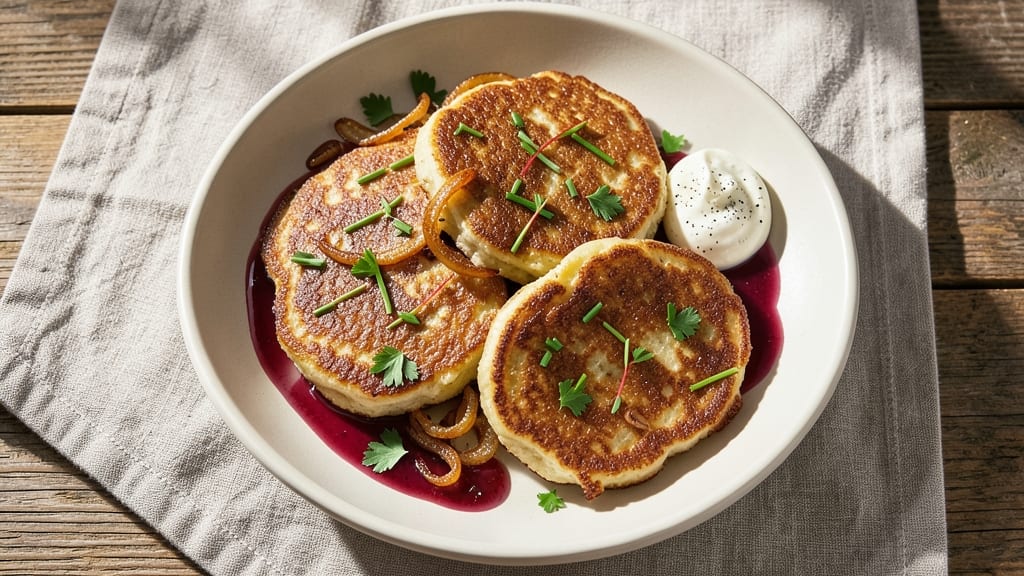
This Bavarian potato pancake recipe delivers the perfect balance of golden crispy layers and tender centers with a herby twist that elevates every bite. The secret lies in proper potato preparation—grating just-right and frying at the right temperature—creating those signature crispy edges while keeping the inside delightfully soft.
I've perfected this technique after countless batches, ensuring each pancake achieves that ideal texture every time.
The traditional method calls for a simple batter of grated potatoes, eggs, and flour, but I've added fresh herbs like chives and parsley for an extra layer of flavor that makes these pancakes stand out.
The key to success is frying them in small batches at medium heat—this ensures even cooking and prevents sogginess. Once golden brown on both sides, they're ready to be served hot with classic accompaniments.
What you'll end up with is a stack of crispy, flavorful potato pancakes that are substantial enough to serve as a main dish or hearty enough to complement a brunch spread. The herby twist adds brightness that cuts through the richness, making each bite more dynamic.
These pancakes hold their shape beautifully, so they're perfect for serving family-style or as an appetizer at gatherings.
Serve them with a dollop of sour cream, a side of applesauce, or a crisp green salad for a complete meal. The crispy exterior contrasts beautifully with the creamy toppings, creating a satisfying texture combination.
This recipe is designed to impress while remaining approachable—ideal for both weeknight breakfasts and special occasions.
Ingredients for bavarian potato pancake
Golden russet potatoes meet fresh herbs and crispy perfection in these Bavarian-style pancakes.
| Ingredient | Amount | Notes |
|---|---|---|
| Russet Potatoes 🥔 | 3 lb | Medium size, peeled and grated |
| Large Eggs 🥚 | 2 whole | Room temperature for best binding |
| All-Purpose Flour 🌾 | ½ cup | Lightly sifted for even texture |
| Fresh Chives 🌿 | ¼ cup | Finely chopped for herby flavor |
| Fresh Parsley 🌿 | ¼ cup | Finely chopped, stems removed |
| Salt 🧂 | 1 ½ tsp | Diamond Crystal preferred |
| Ground Black Pepper 🌶️ | ½ tsp | Freshly ground for best flavor |
| Vegetable Oil 🫒 | 2 cups | High smoke point preferred |
| Unsalted Butter 🧈 | ½ cup | Melted for crispy finish |
Russet potatoes are non-negotiable here—their high starch content creates that signature crispy exterior. Grab 3 pounds of medium russets (the good, bumpy ones) from Whole Foods or your local grocery store. Avoid red potatoes—they're too waxy and won't brown properly. Peel and grate them immediately after peeling (they oxidize fast), and squeeze out excess moisture with a clean kitchen towel. For extra crispiness, I like to let the grated potatoes sit for 10 minutes after grating to draw out more starch. The chives and parsley should be bright green—Trader Joe's usually has the freshest bundles, but any grocery store's produce section works fine.
No fresh herbs? Dried chives or parsley at one-third the amount will work, but the flavor won't be as vibrant. Running out of vegetable oil? Avocado oil or canola oil both work well—they've got higher smoke points than olive oil. The butter adds richness, but if you're watching calories, olive oil or coconut oil can substitute (just reduce by 1 tbsp). For a lighter batter, some cooks use 1/4 cup milk instead of butter, but I find the crispy texture suffers slightly. If you're making these ahead, grate the potatoes and mix the batter up to 24 hours in advance—just fry them fresh when ready.
These pancakes taste even better the second day, so make extras. Store them in an airtight container between layers of parchment paper to keep them crispy. Reheat in a 350°F oven for 5-10 minutes—they'll crisp up beautifully. For freezing, let them cool completely, then freeze between parchment paper for up to 3 months. When reheating from frozen, bake at 375°F for 12-15 minutes until golden. Serve with sour cream, applesauce, or a crisp salad—the contrast of textures makes every bite perfect.
Why You'll Love This Recipe
- I’ll be real: the first batch disappears fast, but the seconds? Even better. The pancakes reheat like a dream—just a quick pan-fry until crispy again. And because they’re cheap to make (a few potatoes stretch far), I don’t feel guilty feeding the whole family.
- Five-Ingredient Magic: I swear by this—just potatoes, eggs, flour, and herbs. That’s it. No fancy pantry staples, no last-minute grocery runs. The trick is grating those Russets coarse (I use the largest holes on my box grater) so they crisp up perfectly without falling apart.
- Herb-Packed Crunch: Between us, the parsley and chives make this dish. I don’t skimp on chopping them fine—they bloom in the pan, adding this bright, fresh bite that cuts through the richness. That golden-brown crust? Pure satisfaction after a few minutes of frying.
- Weeknight or Brunch Hero: Honestly, these pancakes work everywhere. Serve them crispy with applesauce for a lazy breakfast, pile them high with smoked salmon for a fancy brunch, or toss them into a hearty soup when I’m too tired to cook. The flour binding keeps them sturdy no matter what.
Step-by-step instructions for Bavarian potato pancakes
Transform simple ingredients into golden, crispy pancakes with layers of herby flavor.
Grate and Squeeze Moisture from the Potatoes
Using a box grater or food processor, grate the 3 lb Russet Potatoes into a large bowl. I prefer using a food processor for finer, more consistent shreds—this creates a smoother texture in the finished pancakes. Transfer the grated potatoes to a clean kitchen towel or cheesecloth and squeeze out as much moisture as possible. This step is crucial because excess water prevents crispiness.
Work in batches if needed, pressing firmly to wring out every drop. You should end up with about 4 cups of dry potato shreds. The drier the mixture, the crispier your pancakes will be. If you're short on time, you can use a potato ricer for faster draining, but squeezing by hand gives you better control over moisture removal.
Mix the Batter for Perfect Texture
In a separate bowl, whisk together the 2 whole Large Eggs until frothy. Add the 0.5 cup All-Purpose Flour, 1.5 tsp Salt, and 0.5 tsp Ground Black Pepper, mixing until smooth. Then fold in the 0.25 cup Fresh Chives and 0.25 cup Fresh Parsley, reserving a small handful for garnish later. The herbs add a bright, fresh contrast to the crispy potato layers.
Combine the dry mixture with the drained potatoes, gently folding everything together until just combined. Avoid overmixing—you want to preserve some texture in the potatoes. The batter should be thick but still hold together when pressed. If it feels too loose, add 1-2 tablespoons more flour. This step ensures your pancakes hold their shape while frying and develop that signature crispy exterior.
Heat the Oil and Fry in Batches
Pour the 2 cups Vegetable Oil into a large skillet and heat over medium heat until it reaches 350°F on a deep-fry thermometer. If you don't have a thermometer, test the oil by dropping in a small piece of potato batter—it's ready when it sizzles and turns golden within 30 seconds. Too-hot oil burns the outside before the inside cooks, while oil that's too cool results in greasy pancakes.
Working in batches, scoop about ½ cup of batter per pancake and carefully slide it into the hot oil. Fry for 4-5 minutes per side until golden brown and crispy. Use a slotted spatula to turn them gently—don't press down, or they'll lose their shape. The pancakes are done when they're deep golden with no translucent edges. Transfer to a paper towel-lined plate to drain excess oil.
Finish with Melted Butter for Extra Crisp
Melt the 0.5 cup Unsalted Butter in a small saucepan over low heat until fully liquid but not browned. As each batch of pancakes comes out of the oil, brush the tops generously with the melted butter. This step is what gives Bavarian potato pancakes their signature crispy finish and rich flavor. The butter soaks into the hot pancakes, creating a delicious contrast between the crispy outside and tender inside.
Keep the cooked pancakes warm in a 200°F oven while you finish frying the remaining batches. This maintains their crispiness without making them soggy. Once all pancakes are done, garnish with the reserved fresh chives and parsley. Serve immediately while they're still hot and crispy—these pancakes are best enjoyed right out of the fryer.
Pro Tips For Making Bavarian Potato Pancake
- GRATE DRY, NOT WET: Russets hold moisture like sponges—if you squeeze or wring them after grating, you’ll end up with a gluey mess. Instead, shake the grater vigorously over the bowl and let the excess liquid drain naturally for 5 minutes. (Yes, even if you’re impatient like me, resist the urge to rush this.)
- SALT THE POTATOES: Toss the grated potatoes with 1 teaspoon of salt right after grating. This draws out more water and keeps the pancakes from turning soggy. I learned this the hard way—skipping it means a gummy, sad center every time.
- USE COLD BUTTER, NOT HOT OIL: Melt butter in the pan, then let it cool slightly before adding the pancakes—hot oil fries them too fast, while cooled butter creates that perfect golden crust. After burning three batches, I finally figured out this was the missing link.
- PRESS HARD, DON’T DROP: Form the pancakes by pressing the mixture firmly into the pan with a spatula, not just dropping it in. This ensures even cooking and prevents them from breaking apart. (Your future self will thank you when they hold together like a pro’s.)
Pro cooking tips for perfect results
Potato Grating Perfection
Use a box grater with medium holes or a food processor for consistent shreds—avoid pre-shredded bagged potatoes, which contain anti-caking agents that prevent crispiness.
For extra-fine texture, pulse the potatoes in a food processor in 2-second bursts to avoid turning them into purée. I like to grate directly into a fine-mesh strainer over the bowl to catch any stray potato bits that might burn in the oil. 🥔
Oil Temperature Control
Invest in a deep-fry thermometer—this is non-negotiable for perfect results. The ideal oil temperature is 350°F, but if you don’t have one, test with a wooden chopstick: drop it in and count 3 seconds—if bubbles form around it, your oil is ready.
Too-hot oil burns the pancakes instantly, while oil below 340°F makes them greasy. I use vegetable oil because it has a high smoke point and neutral flavor, but avocado oil works even better if you want extra crispiness.
Batch Size Matters
Never overcrowd your pan—fry in small batches of 2-3 pancakes at a time. This ensures even cooking and prevents the oil temperature from dropping too much. If your pan isn’t large enough, work in two separate frying sessions rather than risking soggy pancakes.
I use a 12-inch cast-iron skillet for my batches, which gives me enough space without overfilling. The pancakes should sizzle gently when they hit the oil, not steam or bubble violently. 🔥
Butter Finishing Secret
The butter isn’t just for flavor—it’s for extra crispiness. Brush the hot pancakes with melted butter immediately after frying while they’re still in the pan or on the draining rack. The butter reacts with the residual heat, creating a second crispy layer on top.
For even more drama, I like to sprinkle a pinch of flaky sea salt right after brushing with butter—it enhances the flavors and adds a gourmet touch. Store-bought butter works, but European-style unsalted butter (like Plugrá) gives the best results.
Herb Garnish Timing
Garnish with fresh herbs right before serving—this keeps them vibrant and prevents wilting. Chop the reserved chives and parsley just before plating, and sprinkle them lightly over the pancakes so they don’t overpower the dish.
If you’re serving a crowd, pre-chop the herbs and store them in an airtight container in the fridge for up to 2 days, but add them fresh at the last minute for the best flavor. A final drizzle of honey or sour cream ties everything together beautifully. ✨
Nutrition facts
Frequently asked questions
Can I use sweet potatoes instead of russets for these pancakes?
Sweet potatoes won't work well for this recipe—they have a different starch composition that won't create the same crispy texture. Russet potatoes are essential because their high starch content browns beautifully and forms that signature crispy exterior. If you're craving sweetness, try adding a touch of cinnamon or applesauce to the batter instead.
How do I keep my potato pancakes from sticking to the pan?
Use a well-seasoned cast-iron skillet and make sure your oil reaches 350°F before frying. A light coating of oil on the pan helps too—just wipe it with a paper towel after heating. Never press down on the pancakes with your spatula, and work in small batches so the oil doesn't cool down between additions.
Can I make these pancakes ahead of time?
Yes! Grate the potatoes and mix the batter up to 24 hours in advance and store it in the fridge. For best results, fry them fresh when ready to serve. If you need to store the finished pancakes, keep them in an airtight container between layers of parchment paper for up to 3 days. Reheat in a 350°F oven for 5-10 minutes to restore crispiness.
What's the best way to make these vegan?
Replace the eggs with 2 tablespoons ground flaxseed mixed with 6 tablespoons water (let it sit for 5 minutes to thicken). Use vegan butter for frying and brush with melted vegan butter afterward. For extra binding, add 1/4 cup unsweetened applesauce to the batter. The texture will be slightly different but still delicious!
Why did my pancakes turn out greasy instead of crispy?
Greasy pancakes usually mean the oil wasn't hot enough or the potatoes weren't dry enough. Next time, squeeze the grated potatoes thoroughly and check your oil temperature with a thermometer—it should be 350°F. Also, avoid overcrowding the pan, which causes the oil to cool down too much.