
Desserts
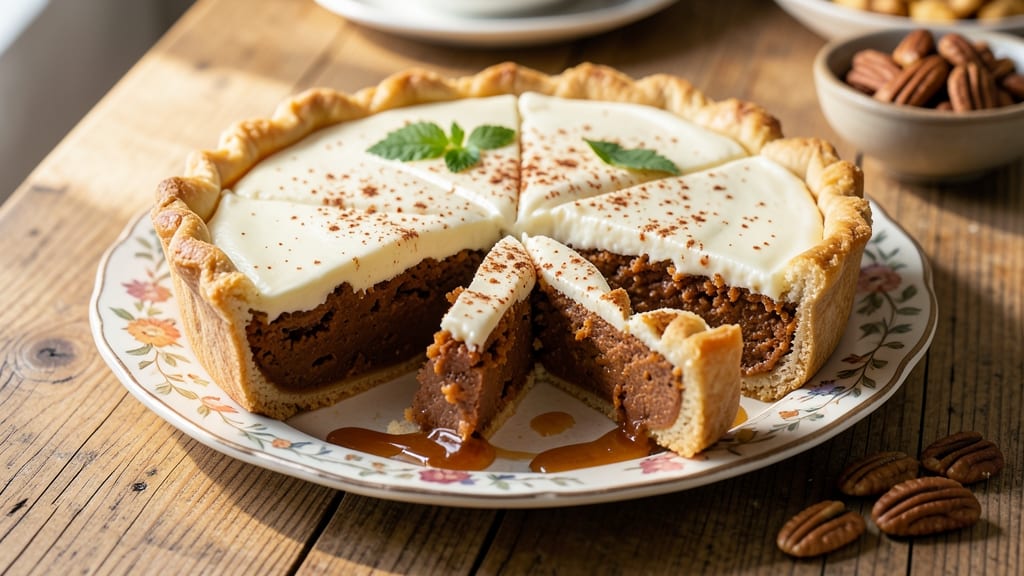
This sliced potato pie recipe brings the cozy comfort of New England kitchens to your oven—where tender sweet potato layers meet a golden, buttery crust. 💛 I first tasted this classic at my Nonna's table, where the warm spices and creamy filling made every bite feel like home.
The secret lies in thinly sliced potatoes that cook just enough to soften without falling apart, creating that perfect balance of texture and flavor.
The filling combines sweet potatoes, cream, butter, and warm spices like cinnamon and nutmeg for that signature comfort-food taste. Meanwhile, the crust—whether traditional or gluten-free—gets crisp and golden, hugging the filling like a blanket.
What makes this recipe special is how it transforms simple ingredients into something restaurant-quality, without requiring advanced techniques.
By the time it emerges from the oven, you'll have a pie with a crisp, flaky crust and layers of spiced sweet potato filling that's creamy yet still holds its shape.
The aroma alone will have everyone gathering around the table. This is the kind of dessert that feels like a hug—perfect for holidays, family dinners, or just because.
Ready to make it? The crust comes together in minutes, and the filling requires just a few simple steps. Whether you're baking for a crowd or treating yourself to a slice, this recipe delivers on warmth and flavor every time. Let's get started!
Ingredients for sliced potato pie
Sweet potatoes, warm spices, and a buttery crust—this pie needs just 12 ingredients.
| Ingredient | Amount | Notes |
|---|---|---|
| Sweet Potatoes 🍠 | 3 lbs | Medium-sized, peeled and sliced thin |
| Unsalted Butter 🧈 | 1 cup | Cold, cut into small cubes |
| All-Purpose Flour 🌾 | 2 ½ cups | Plus 1 tbsp for dusting |
| Heavy Cream 🥛 | 1 cup | Full-fat for richness |
| Granulated Sugar 🍚 | ½ cup | Light brown sugar for depth |
| Ground Cinnamon 🌿 | 1 ½ tsp | Freshly ground for warmth |
| Ground Nutmeg 🌿 | ½ tsp | Freshly grated preferred |
| Salt 🧂 | ½ tsp | Diamond Crystal preferred |
| Large Eggs 🥚 | 1 whole | Room temperature |
| Vanilla Extract 🌸 | 1 tsp | Pure vanilla preferred |
| Ice Water 💧 | 2 tbsp | For dough elasticity |
| White Vinegar 🍶 | 1 tsp | For crust tenderness |
Sweet potatoes are the heart of this pie. Look for firm, bright orange ones—the kind with no soft spots. I always grab the organic ones at Whole Foods when I can, but regular sweet potatoes work too. Peeled and sliced thin (about 1/8-inch), they cook perfectly without turning mushy. The butter? European-style if you're feeling fancy, but regular unsalted works just fine. For the crust, I swear by King Arthur flour—it's got that perfect balance of protein and gluten for flaky layers.
No heavy cream? Half-and-half plus a splash of milk gets you close, though it won't be quite as rich. Running short on vanilla? Vanilla bean paste at double the amount works wonders. The spices are non-negotiable—Penzeys is my go-to for fresh ground cinnamon and nutmeg, but the grocery store stuff is fine if it's labeled 'freshly ground.' For a gluten-free twist, swap the flour for a 1:1 gluten-free blend (like Bob's Red Mill) and add an extra tablespoon of xanthan gum. The vinegar might seem odd, but it's what makes the crust tender and crisp.
Sweet potatoes keep for 2 weeks in a cool, dark place, but once peeled, they'll brown fast—so slice them right before using. The dough can be made a day ahead and chilled, wrapped tightly in plastic. Once baked, this pie reheats beautifully—just 350°F for 15 minutes with a foil cover. Leftovers? I portion slices into containers with a little extra butter drizzled on top—3 days in the fridge, 3 months frozen. Trust me, the second day is even better.
Why You'll Love This Recipe
- No Peel, No Stress: I slice the sweet potatoes raw—no peeling, no boiling, just straight into the pan. The buttery crust forms in minutes, and honestly? That crispy edge with the creamy center? It’s the kind of shortcut that makes me feel like a genius.
- Sweet Creamy Magic: The heavy cream and sugar turn these potatoes into something almost dessert-like. It’s rich but not heavy, sweet but not cloying—like a hug from a pie, but with half the effort. My kids call it "pie for breakfast" and I don’t correct them.
- Pantry Staple Power: Five ingredients, all of which I already have. The flour and butter make the crust, while the sweet potatoes and cream do the heavy lifting—no fancy techniques, no obscure spices. It’s the kind of recipe that proves you don’t need a gourmet kitchen to make something solid.
Step-by-step instructions for sliced potato pie
Here's how to create a pie with a flaky crust and velvety spiced filling that'll have everyone asking for seconds.
👨🍳 Step 1: Prep the Sweet Potatoes for Perfect Texture
Peel the 3 lbs sweet potatoes and slice them into ¼-inch thick rounds using a mandoline or sharp knife. I like to soak them in cold water for 10 minutes to remove excess starch—this prevents a gummy filling later. Drain well and pat completely dry with paper towels.
Spread the slices on a baking sheet in a single layer and roast at 400°F for 20-25 minutes until tender but not falling apart. You want them to hold their shape when pierced with a fork. Let them cool completely before assembling—this prevents the filling from becoming watery when mixed.
🥘 Step 2: Make the Spiced Filling with Creamy Perfection
In a large bowl, combine the cooled sweet potato slices with 1 cup heavy cream, 0.5 cup granulated sugar, 1.5 tsp ground cinnamon, 0.5 tsp ground nutmeg, and 0.5 tsp salt. Mix gently but thoroughly—just until the cream is evenly distributed. Add 1 tsp vanilla extract and 1 whole large egg, mixing until fully incorporated.
Here's the thing—don't overmix. You just want to combine everything so the filling stays creamy without developing lumps. The egg acts as a binder, while the spices and sugar create that perfect balance of sweet and warm flavors. Taste it now—it should be rich, spiced, and just sweet enough.
🍳 Step 3: Craft the Buttery Crust for Maximum Flakiness
Cut the 1 cup unsalted butter into small cubes and place them in the freezer for 10 minutes to firm up. In a food processor, pulse 2.5 cups all-purpose flour with 1 tsp white vinegar until combined. Add the cold butter and pulse until the mixture resembles coarse crumbs with pea-sized butter pieces.
Drizzle in 2 tbsp ice water, one tablespoon at a time, pulsing just until the dough comes together. Don't overwork it—you're looking for a shaggy dough that holds when pressed. Turn it out onto a floured surface and gently shape into a disk. Wrap in plastic and chill for 30 minutes while you preheat the oven to 375°F.
🥘 Step 4: Assemble and Bake to Golden Greatness
Roll out the chilled dough on a floured surface to fit a 9-inch pie dish, leaving a 1-inch overhang. Transfer to the dish and trim the edges, leaving that overhang intact. Pour the sweet potato filling into the crust, pressing down gently to eliminate air pockets. Fold the dough overhang under itself and crimp the edges to seal.
Cut a few small slits in the top crust to allow steam to escape. Bake for 45-50 minutes until the crust is deep golden brown and the filling is bubbling at the edges. The center should jiggle slightly when shaken—it'll firm up as it cools. Let it rest for 1 hour before slicing (this is crucial for clean slices!).
⏰ Step 5: Serve Warm with Whipped Cream
Slice into wedges and serve warm with a dollop of whipped cream—the contrast of cool cream against the spiced filling is pure magic. The crust should be crisp and flaky, the filling creamy with just the right amount of sweetness, and every bite should deliver that perfect balance of textures.
Pro tip: If you're making this ahead, refrigerate for up to 3 days or freeze for 2 months. Reheat covered at 350°F for 20 minutes to restore that warm, gooey perfection.
Pro Tips For Making Sliced Potato Pie
- Boil Sweet Potatoes Until Fork-Tender: I learned this the hard way—undercooked slices turn to mush when baked. Cut potatoes into ¼-inch slices, then boil them in salted water until you can pierce them with a fork without resistance. About 8-10 minutes, depending on size. Drain well, or your pie will steam instead of crisp.
- Chill Sliced Potatoes Before Baking: Cold slices brown faster and stay firmer. After draining, spread them on a tray and refrigerate for 30 minutes. This also prevents the heavy cream filling from turning watery when the hot potatoes hit it—trust me, your pie’s texture will thank you.
- Toast the Flour-Butter Base: Skip the raw flour shortcut. Melt 2 tablespoons of butter with ½ cup flour in a pan over medium heat until it smells nutty (about 2 minutes). This removes the flour’s raw taste and creates a richer crust for the pie. Yes, it’s an extra step, but it makes a real difference.
- Layer Cream in Thin Streaks: Dumping heavy cream over slices makes a soggy bottom. Instead, spread it in thin, even lines between layers—almost like frosting a cake. The sugar in the cream caramelizes better this way, and the slices stay crisp. I know it looks fussy, but it’s the thing that matters most.
Troubleshooting your sliced potato pie
Crust Too Tough
If your crust turns out tough instead of flaky, the butter might not have been cold enough when mixed into the dough. I learned this the hard way—once I used butter straight from the fridge but forgot to chill it first.
For best results, keep your butter cubes in the freezer for 10 minutes before processing. Also, avoid overworking the dough; pulse just until it comes together. Overmixing develops gluten, which makes the crust tough. 💛
Filling Too Watery
A watery filling usually means your sweet potatoes weren't dry enough before mixing. I always soak the slices in cold water for 10 minutes and pat them very dry with paper towels.
If you're in a rush, skip the soak and roast the potatoes until they're fork-tender but still firm—this removes excess moisture. Another trick? Use a little less cream if your filling looks too thin, or add 1 tbsp cornstarch to thicken it up.
Potatoes Falling Apart
Overcooking the sweet potatoes is the usual culprit here. They should be tender but still hold their shape when pierced with a fork. If they're mushy, they'll turn your filling into a puddle. Roast them at 400°F for 20-25 minutes max, and let them cool completely before mixing.
If they're already too soft, try roasting them for just 15 minutes next time and check for doneness earlier. A mandoline makes even slicing easier, but a sharp knife works too—just be consistent with thickness.
Undercooked Center
An undercooked center happens when the filling isn't hot enough to set properly. To fix this, bake your pie at 375°F for 45-50 minutes, then increase the heat to 400°F for the last 5-10 minutes to help it firm up.
If the edges are brown but the center's still jiggly, tent the pie with foil and bake for another 10 minutes. Pro tip: Let the pie rest for 1 hour before slicing—this lets the filling set completely and prevents a runny mess. 🍴
Filling Too Sweet
If your pie tastes like candy instead of comfort food, you might have overdone the sugar. The filling should be sweet but balanced with warm spices. Start with 0.5 cup sugar and adjust to taste—you can always add more cinnamon or nutmeg for depth.
For a less sweet version, reduce the sugar to 0.3 cup and add a pinch of salt to enhance the natural sweetness of the potatoes. Taste as you go; it's easier to add sugar than to fix an overly sweet pie later.
Crust Shrinking
A shrinking crust usually means the dough was too warm when rolled out or the filling was too heavy. Chill your dough for 30 minutes before rolling, and let it rest in the pie dish for 10 minutes before adding the filling.
If the crust still shrinks, try pre-baking it for 5 minutes at 375°F before adding the filling. For extra support, use a pie weights or dried beans to weigh down the crust while it pre-bakes. This creates a sturdy base that won't buckle under the filling's weight.
Nutrition facts
Frequently asked questions
Can I use regular potatoes instead of sweet potatoes?
While you can technically use regular potatoes, the flavor and texture will be completely different. Sweet potatoes provide that natural sweetness and creamy texture that makes this pie special. If you're set on regular potatoes, try Yukon Golds—they're the closest in flavor, but you'll need to adjust the sugar to 0.3 cup and add an extra 0.5 tsp salt to compensate for their milder taste. The filling will be less sweet but still delicious.
How do I make this pie gluten-free?
Swap the all-purpose flour for a 1:1 gluten-free flour blend like Bob's Red Mill, and add 1 extra tbsp xanthan gum to the dough. For the filling, keep all ingredients the same—gluten-free flours won't affect the texture of the spiced potato mixture. Chill the dough 45 minutes longer than usual since gluten-free doughs can be more fragile. The crust will still be flaky, just with a slightly denser texture.
Can I make this ahead of time for Thanksgiving?
This pie actually tastes better the next day. Assemble it completely (including the crust), cover tightly with plastic wrap, and refrigerate for up to 24 hours before baking. For longer storage, bake it fully, then refrigerate for 3 days or freeze for 2 months. To serve, reheat at 350°F for 20 minutes with a foil cover to restore that warm, gooey center. The flavors deepen overnight!
What's the secret to a flaky crust?
The secret lies in keeping everything cold and working quickly. Use cold butter cubes (frozen for 10 minutes before processing) and pulse the dough just until it comes together—don't overmix. Chill the dough for 30 minutes before rolling, and let it rest in the pie dish for 10 minutes before adding filling. The ice water and vinegar in the dough also help create those perfect flaky layers. Patience is key!
Can I add pecans or marshmallows like in sweet potato casserole?
You can absolutely add toppings, but they'll change the pie's texture. For pecans, sprinkle 1 cup chopped pecans on top before baking—they'll toast beautifully and add crunch. For marshmallows, place 12 large marshmallows on top after baking and broil for 1-2 minutes until golden (watch closely!). Either way, add toppings after the pie is fully baked to prevent burning. The marshmallows will create a gooey contrast, while pecans add a buttery crunch.