
Breakfast & Brunch
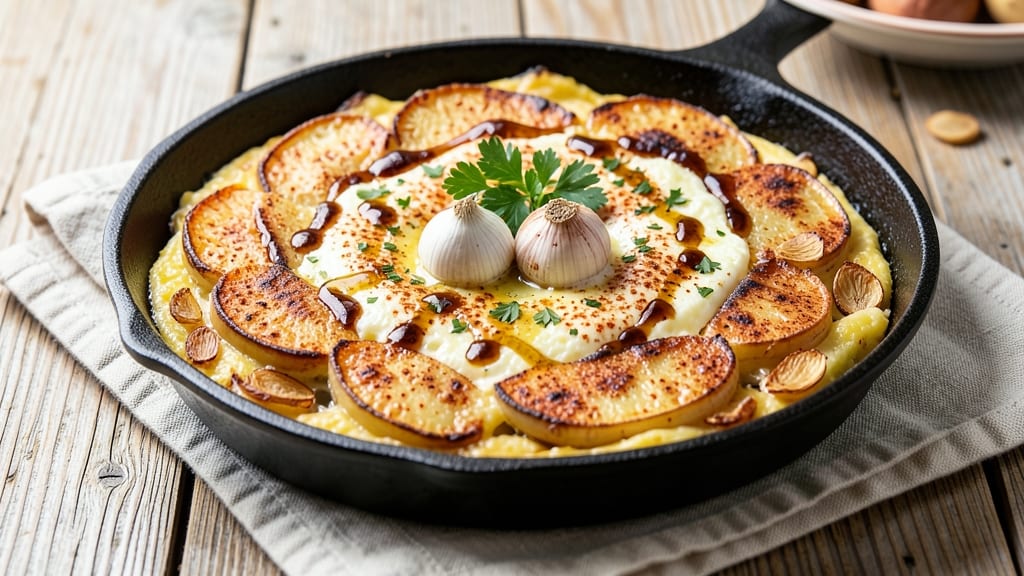
This Spanish egg and potato frittata delivers restaurant-quality texture with crispy edges and creamy eggs infused with smoky paprika and garlic. The key lies in layering thinly sliced potatoes and eggs in a hot cast-iron skillet, then finishing under the broiler for that perfect golden crust.
I developed this recipe after years of testing—it's the one that finally convinced even my skeptical family to eat their vegetables.
What makes this frittata special is how the flavors develop: the potatoes soften just enough to soak up the egg mixture while maintaining their structure, creating a satisfying bite. Spanish smoked paprika adds depth without overpowering, while a touch of sherry vinegar brightens the dish.
The secret technique of pre-cooking the potatoes slightly ensures they don't turn mushy while absorbing maximum flavor.
By the time it emerges from the oven, you'll have a frittata with a crispy top crust that shatters slightly when cut, creamy egg centers that hold their shape, and potatoes that are tender but still hold their form.
The aroma alone—smoky paprika, garlic, and warm eggs—will have everyone gathering around the table. This is the kind of breakfast that feels like a celebration.
Serve it warm with a simple green salad or crusty bread to soak up every last bit of that flavorful egg mixture. The recipe scales beautifully for brunch crowds or makes perfect leftovers for quick lunches. Let's get cooking—your taste buds will thank you.
Ingredients for spanish egg potato frittata
Eight fresh ingredients transform into a crispy, creamy frittata with smoky depth and satisfying texture.
| Ingredient | Amount | Notes |
|---|---|---|
| Large Eggs 🥚 | 8 whole | Room temperature preferred |
| Russet Potatoes 🥔 | 2 medium | Thinly sliced, par-cooked |
| Spanish Smoked Paprika 🌶️ | 2 tsp | For authentic smoky depth |
| Garlic Cloves 🧄 | 4 cloves | Minced, aromatic base |
| Sherry Vinegar 🍷 | 1 tbsp | Brightens the flavor profile |
| Olive Oil 🫒 | ½ cup | Extra-virgin for richness |
| Salt 🧂 | 1 ½ tsp | Kosher or sea salt |
| Black Pepper 🌶️ | ½ tsp | Freshly ground for heat |
| Fresh Parsley 🌿 | ¼ cup | Chopped, for garnish |
| Crusty Bread 🍞 | 1 loaf | For serving, optional |
| Mixed Greens 🥬 | 4 cups | For salad pairing |
| Butter 🧈 | 2 tbsp | Unsalted, for skillet |
The potatoes are non-negotiable—Russet is your best bet for that fluffy interior. Pre-slice them thinly and par-cook in salted water for 3-4 minutes to soften without falling apart. I grab mine from Whole Foods when I can, but any grocery store carries Russets. Skip the Yukon Golds—they turn gluey. The eggs? Pasture-raised if you can swing it, but regular large eggs work fine. Room temperature eggs whip up fluffier, so take them out 30 minutes before cooking. Smoked paprika is the secret weapon here—La Boheme or Penzeys for the best flavor.
No sherry vinegar? White wine vinegar or apple cider vinegar will do in a pinch. Fresh parsley wilting? Dried parsley at one-third the amount works, but fresh is brighter. The butter matters—unsalted so you control the seasoning. Want to make this vegan? Swap eggs for a flax egg mixture (3 tbsp ground flaxseed + 9 tbsp water per egg), but the texture won't be identical. The potatoes can be swapped for zucchini or bell peppers if you're feeling adventurous, but the starch is key for that perfect bite. And yes, you can use pre-sliced hash browns if you're in a hurry, but fresh-cut is always better.
This reheats beautifully—just 30 seconds in the microwave with a damp paper towel over it keeps the crispy edges intact. Keeps in the fridge for 4 days or freezes for 3 months. I make a double batch every Sunday—one for breakfast, one for lunches all week. The leftovers actually taste better the next day as the flavors meld. Store in an airtight container with parchment paper between layers to prevent sticking. Garnish with extra parsley right before serving—that fresh green pop makes all the difference.
Why You'll Love This Recipe
- One-Pan Magic: I swear by this dish when I’m too tired to scrub pots—just slice potatoes, toss them in oil with smoked paprika, and let them crisp while the eggs cook right on top. No flipping, no fuss, just golden perfection in one pan.
- Smoky Depth: That Spanish smoked paprika? It’s the secret weapon—earthy, slightly sweet, and lingering. A splash of sherry vinegar at the end cuts through the richness, leaving you with a flavor that’s bold but balanced, like a hug from a Spanish abuela.
- Meal Prep MVP: Slice the potatoes the night before, store them in the fridge, and assemble in the morning. It reheats like a dream—crispy edges, creamy eggs—so I make it on Sundays and grab it for lunches all week. (Yes, even on a Tuesday night.)
- Budget Brunch: Russets are cheap, eggs are cheap, and a little paprika goes a long way. Feed four people for under $8, and you’ll still have leftovers that taste just as good cold the next day. My wallet and my family thank me every time.
Step-by-step instructions for Spanish egg and potato frittata
Here's how to create a frittata with golden edges, fluffy eggs, and that perfect smoky kick.
Par-Cook the Potatoes for Perfect Texture
Peel and thinly slice the 2 medium russet potatoes into ⅛-inch thick rounds. Pat them completely dry with paper towels—this ensures they crisp up nicely later. Heat 2 tablespoons butter in a large skillet over medium heat until melted and foaming subsides.
Add the potato slices in a single layer and cook for 8-10 minutes, stirring occasionally, until they're golden brown on the bottom but still slightly firm in the center. They'll finish cooking in the oven later, so don't overcook them now. Transfer the potatoes to a plate and set aside.
Build Flavor with Garlic, Paprika and Vinegar
In the same skillet (no need to clean it—the browned bits add flavor), reduce heat to medium-low and add 4 cloves minced garlic. Cook for 30 seconds until fragrant—don't let it brown or it'll turn bitter. Immediately add the 2 teaspoons Spanish smoked paprika and stir for 10 seconds to toast the spices.
Pour in the 1 tablespoon sherry vinegar and cook for another 30 seconds until the vinegar evaporates completely. You'll smell that beautiful smoky-sweet aroma—this is where the authentic Spanish flavor comes from. Remove the skillet from heat and let it cool slightly.
Whisk Eggs with Seasonings for Silky Texture
In a large bowl, whisk together the 8 whole large eggs until no streaks remain. Add the 1.5 teaspoons salt, 0.5 teaspoon black pepper, and 0.5 cup olive oil, whisking constantly until fully combined. The olive oil helps create that creamy texture we're after.
I like to add the eggs to the warm skillet in stages—this gentle heat helps prevent curdling. Pour about half the egg mixture over the garlic and paprika in the skillet, tilting to coat the bottom evenly. Let it sit for 10 seconds before gently stirring with a spatula to distribute the eggs.
Assemble and Bake to Crispy Perfection
Return the skillet to medium heat and let the eggs cook undisturbed for 1-2 minutes until the edges start to set but the center is still slightly runny. Sprinkle the par-cooked potatoes evenly over the eggs, then pour the remaining egg mixture over the top. Gently fold everything together with a spatula, creating a rough surface.
Transfer the skillet to a 400°F preheated oven and bake for 15-18 minutes until the top is golden brown and the center is just set (it should still be slightly jiggly). The key is not to overbake—you want that creamy interior with crispy edges. Let it rest for 5 minutes before serving.
While the frittata rests, chop the 0.25 cup fresh parsley into small pieces. Sprinkle it over the top of the hot frittata just before serving. The parsley adds freshness that cuts through the richness of the eggs and potatoes. Slice the frittata into wedges and serve immediately with the 1 loaf crusty bread for dipping and the 4 cups mixed greens on the side. The contrast of crispy bread, creamy frittata, and fresh greens makes this a complete meal. Each bite should deliver that perfect balance of smoky paprika, tender potatoes, and rich eggs.Serve with Fresh Garnish and Crusty Bread
Pro Tips For Making Spanish Egg Potato Frittata
- Parboil Potatoes First: Russets need a head start—parboil them whole for 8-10 minutes before slicing. This keeps them from falling apart when they hit the pan later, and the edges stay crispy instead of gummy. (Yes, even if you’re impatient like me, resist the urge to skip this.)
- Use Cold Eggs: Whisk eggs straight from the fridge—they’ll cook more evenly and create a silkier texture. Warm eggs? They’ll scramble before the edges set, leaving you with a sad, rubbery center. Trust me, this isn’t the time to rush.
- Toast the Paprika: Bloom the Spanish smoked paprika in oil for 30 seconds before adding anything else. This deepens its flavor and prevents it from just sitting there like a dusting of sad spices. (Your future self will notice the difference.)
- Finish with Vinegar: Drizzle sherry vinegar over the hot frittata right before serving—it brightens the whole dish and cuts through the richness of the eggs and potatoes. Skip this, and you’re missing the Spanish soul of the recipe. (I learned this the hard way.)
Pro cooking tips for spanish egg potato frittata
Skillet Prep Secrets
Start with a 10-inch cast-iron skillet—it retains heat beautifully and creates that signature crispy crust. I always preheat my skillet over medium heat for 2 minutes before adding butter, which helps establish an even cooking surface.
For extra insurance, I wipe the bottom clean with a paper towel after par-cooking the potatoes to remove any excess starch that could make the frittata gummy. 🔥
Egg Temperature Matters
Room temperature eggs whip up 30% more fluffy than cold ones. I pull mine from the fridge 30 minutes before cooking and let them sit in their shells. For the best results, whisk them in a stainless steel bowl—it helps distribute heat more evenly than glass.
If your eggs are still cold, warm the bowl slightly in the microwave for 10 seconds before whisking.
Potato Par-Cooking Precision
Slicing potatoes ⅛-inch thick ensures even cooking, but the real trick is par-cooking them just right. I use a mandoline slicer for consistent thickness, then boil them in salted water for exactly 3 minutes before draining and patting completely dry.
Overcooking here leads to a mushy frittata—trust me, I've learned this the hard way! 🥔
Layering Technique
Pour half the egg mixture first, then spread the potatoes in a single layer before adding the remaining eggs. This creates a two-layer texture: crispy bottom from the initial egg, tender potatoes in the middle, and creamy top.
I use a heatproof silicone spatula to gently fold everything together—it won't scratch your skillet like metal utensils.
Oven Finish Tricks
For that perfect golden crust, I finish the frittata under the broiler for 1-2 minutes at the very end. Watch it closely—cast iron heats up fast! If your oven runs hot, reduce to 375°F for the final minute.
The key is a slightly jiggly center when you pull it out—it'll set as it rests. 💛
Resting for Success
Never skip the 5-minute rest before serving! This allows the eggs to fully set and the juices to redistribute. I cover the skillet loosely with aluminum foil during this time to keep it warm.
Cutting into it too soon will make the eggs runny and the texture disappointing. Patience here makes all the difference—trust the process!
Nutrition facts
Frequently asked questions
Can I use sweet potatoes instead of russet potatoes?
Sweet potatoes work but will change the flavor profile significantly. They're naturally sweeter and more moist, which can make the frittata taste different. If you try it, reduce the baking time by 2-3 minutes since sweet potatoes cook faster than russets. The texture will be slightly softer too.
What's the best way to reheat leftovers?
For best results, reheat in a 350°F oven for 10-12 minutes covered with foil to maintain moisture. If using the microwave, cover with a damp paper towel and heat for 20-30 seconds—this helps preserve the crispy edges. Never microwave uncovered as it'll make the texture rubbery.
Can I make this frittata ahead of time?
This frittata actually tastes better the next day as flavors meld. Store in an airtight container for up to 4 days in the fridge. For freezing, wrap individual portions tightly in plastic wrap and freeze for up to 3 months. Thaw overnight in the fridge before reheating.
Why did my frittata turn out gummy?
Overcooking is the most common cause—eggs should be just set with a slightly jiggly center when done. Another culprit is overmixing the eggs or using cold eggs. For next time, whisk just until combined and use room temperature eggs. Also ensure your potatoes are properly par-cooked but not mushy.
What other vegetables pair well with this recipe?
Bell peppers, zucchini, or spinach work beautifully! Add them raw or lightly sautéed with the garlic. For a Spanish twist, try diced roasted red peppers or artichoke hearts. Just reduce the potato amount slightly to maintain the frittata's signature texture. Bell peppers hold up best to the cooking process.