
Side Dishes
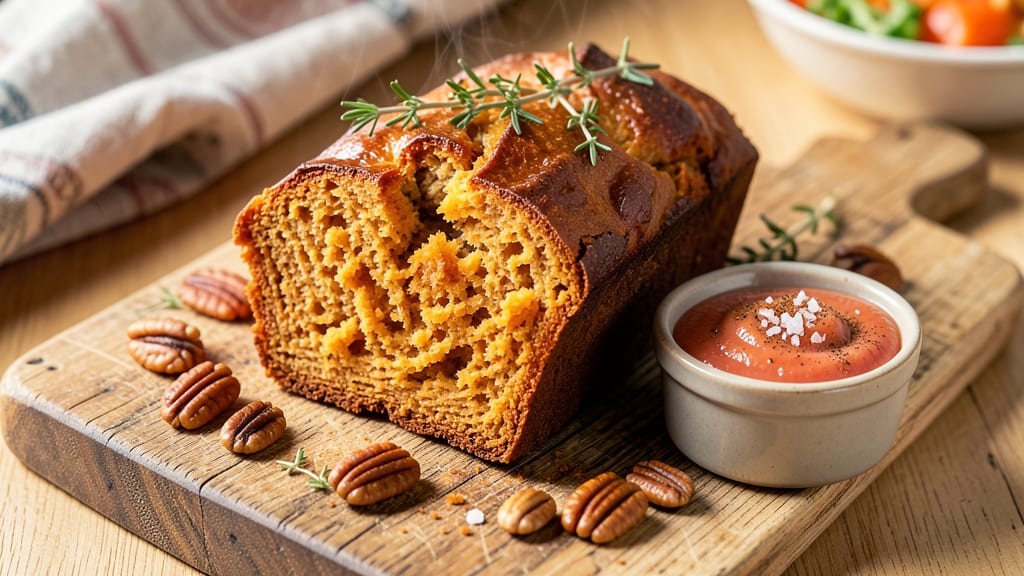
This sweet potato bread recipe no sugar delivers all the warmth and moisture of classic sweet potato bread without refined sugar—just naturally sweetened goodness. 🌟 The secret lies in blending mashed sweet potato with unsweetened applesauce or mashed banana, creating a tender crumb that stays moist for days while keeping flavors rich and satisfying.
What makes this recipe stand out is its simplicity: no sugar, no fuss, yet packed with flavor. The dough develops naturally sweet notes from the sweet potato itself, enhanced by warm spices like cinnamon and nutmeg.
Perfect for breakfast toast, sandwiches, or as a comforting side dish, this bread stays soft and flavorful even when made ahead.
The result is a loaf with a moist crumb and subtle sweetness that pairs beautifully with butter, jam, or even as a base for French toast. The texture is light yet hearty, thanks to a perfect balance of wet and dry ingredients.
This recipe proves you don’t need sugar to create something truly special.
Optional add-ins like chopped walnuts or sunflower seeds add texture and nutrition without altering the bread’s natural sweetness. Ready in about 1 hour, it’s ideal for busy mornings or meal prep. Let’s bake this naturally sweetened loaf!
Ingredients for sweet potato bread recipe no sugar
Naturally sweetened ingredients blend perfectly for a moist, flavorful loaf without refined sugar.
| Ingredient | Amount | Notes |
|---|---|---|
| Cooked Sweet Potatoes 🍠 | 2 cups | Mashed, skin removed, cooled |
| Unsweetened Applesauce 🍎 | ½ cup | No sugar added variety |
| All-Purpose Flour 🌾 | 3 ½ cups | Spooned and leveled |
| Granulated Sugar Substitute 🍯 | ¼ cup | Maple sugar or coconut sugar |
| Baking Soda 🧪 | 1 tsp | Pure baking soda |
| Ground Cinnamon 🌿 | 2 tsp | Freshly ground preferred |
| Ground Nutmeg 🌿 | ½ tsp | Freshly grated |
| Salt 🧂 | ½ tsp | Diamond Crystal preferred |
| Large Eggs 🥚 | 2 whole | Room temperature |
| Unsalted Butter 🧈 | ½ cup | Melted, cooled slightly |
| Vanilla Extract 🌸 | 1 tsp | Pure vanilla extract |
| Chopped Walnuts 🌰 | ½ cup | Optional for texture |
The sweet potatoes are the heart of this recipe—choose firm, orange-fleshed varieties like Jewel or Beauregard for the best natural sweetness. Trader Joe's and Whole Foods carry excellent organic options if you prefer conventional, most grocery stores stock them year-round. Roast or steam until tender, then mash thoroughly to eliminate lumps. The applesauce adds moisture and binds the ingredients without sugar, so look for unsweetened varieties—the shelf-stable kind from Mott's or Libby's works perfectly. For the flour, King Arthur or Bob's Red Mill brands ensure consistent texture, but any all-purpose works fine.
No applesauce? Mashed banana or unsweetened pumpkin puree works equally well—adjust the amount based on moisture content. Want to skip the optional walnuts? Sunflower seeds or pecans add similar texture. The maple sugar substitute can be swapped for coconut sugar or monk fruit sweetener, though maple provides the best caramel notes. For a gluten-free version, replace the all-purpose flour with a 1:1 gluten-free baking blend—just add an extra teaspoon of baking soda to compensate. The vanilla extract should be pure; imitation won't provide the same depth of flavor. If you're concerned about the bread being too dense, whisk the flour with the baking soda and spices first to distribute them evenly.
This bread keeps beautifully for 3-4 days at room temperature wrapped in a clean kitchen towel, or 5 days in an airtight container. For longer storage, freeze the loaf up to 3 months—wrap tightly in plastic and foil. To reheat, warm slices in a 350°F oven for 5-8 minutes or use the air fryer for 2 minutes. The bread also freezes exceptionally well in individual slices, perfect for quick toast in the morning. For best results, make the dough the night before and let it rest in the fridge—this enhances the flavor development and makes the crumb even more tender.
Why You'll Love This Recipe
- No-Mess Mixing: I swear by this dough—just mash the sweet potatoes, stir in the applesauce, and fold the dry ingredients. No standing over a bowl scraping sides, no sticky fingers. The applesauce keeps everything smooth, and the sugar substitute blends right in without clumping.
- Warm Spice Hug: That caramelized sweetness from the cooked sweet potatoes? It’s like autumn in a loaf. The baking soda gives it a gentle lift, while the applesauce adds just enough moisture to keep it tender. Honestly, it tastes like a hug for your taste buds—no sugar crash, just pure comfort.
- Breakfast to Snack: Make a batch on Sunday, and you’ve got toast for breakfast, sandwiches for lunch, and French toast for dinner. My kids grab slices straight from the fridge for school snacks, and it’s still fresh. (Yes, even on a Tuesday night.)
- Pantry Magic: I’m always surprised by how little this costs—sweet potatoes are cheap, and I use what’s already in my cupboards. The sugar substitute stretches further than refined sugar, and the bread keeps for days wrapped in foil. Budget-friendly? Absolutely. Reliable? Even more so.
Step-by-step instructions for sweet potato bread
Transform simple ingredients into a naturally sweetened loaf with perfect moisture and texture.
👨🍳 Step 1: Prepare the Sweet Potato Base
In a medium bowl, combine the 2 cups cooked sweet potatoes and 0.5 cup unsweetened applesauce. Mash them together until completely smooth, using a fork or potato masher. The mixture should be lump-free and well blended—this ensures an even texture in your bread.
I like to press the mixture through a fine-mesh sieve at this stage to eliminate any remaining lumps. This step prevents dense pockets in your final loaf. The sweet potato-applesauce blend should be thick but pourable—similar to thick pancake batter. Set this mixture aside while you prepare the dry ingredients.
👨🍳 Step 2: Combine Wet and Dry Ingredients
In a separate large mixing bowl, whisk together the 3.5 cups all-purpose flour, 0.25 cup granulated sugar substitute, 1 tsp baking soda, 2 tsp ground cinnamon, 0.5 tsp ground nutmeg, and 0.5 tsp salt. Mix these dry ingredients thoroughly to ensure even distribution of the spices and leavening agents.
Create a well in the center of the dry mixture and pour in the sweet potato-applesauce blend. Add the 2 whole large eggs, 0.5 cup melted unsalted butter (cooled slightly), and 1 tsp vanilla extract. Using a rubber spatula, gently fold everything together until just combined—you should still see some flour streaks. Overmixing develops gluten and can make your bread dense.
🥘 Step 3: Fold in Walnuts and Prepare the Dough
Gently fold in the 0.5 cup chopped walnuts using the rubber spatula. The walnuts add delightful texture contrast, but don't worry if they're not perfectly distributed—they'll mix more evenly as you shape the dough. The dough should be thick and slightly sticky but manageable.
Transfer the dough to a lightly greased 9x5-inch loaf pan. Use the spatula to spread it evenly, tapping the pan gently on the counter to eliminate any air bubbles. The dough should fill the pan about ¾ full—don't press it down as this can make the bread dense. Sprinkle a little extra flour on top if needed to prevent sticking.
🔥 Step 4: Bake to Golden Perfection
Preheat your oven to 350°F and place a baking sheet on the lower rack to catch any potential drips. Bake the bread for 50-55 minutes until the top is golden brown and a toothpick inserted into the center comes out clean. The bread is done when it springs back slightly when pressed in the center.
I recommend checking the bread at the 45-minute mark—ovens vary, and you want to catch it at peak doneness. The internal temperature should reach 190-195°F for perfect moisture. Let the bread cool in the pan for 10 minutes, then transfer to a wire rack to cool completely before slicing. This resting period allows the bread to set properly and prevents crumbling.
Pro Tips For Making Sweet Potato Bread Recipe No Sugar
- Mash Sweet Potatoes Cold: I learned this the hard way—warm sweet potatoes turn the batter into glue. Let them cool completely (even 10 minutes in the fridge helps) before mashing, or your bread will be dense and gummy instead of tender.
- Use Applesauce at Room Temp: Cold applesauce makes the batter separate like oil and water. Scoop it straight from the fridge, let it sit for 15 minutes, and mix it in. Your batter will be smoother, and the bread stays moist longer.
- Don’t Overmix the Batter: This isn’t pancake batter—aggressive stirring develops gluten and turns your bread into a tough, dry brick. Mix just until the flour disappears, then stop. A few lumps? Doesn’t matter.
- Bake Until Internal Temp Hits 195°F: The bread looks done at 180°F, but pull it out too early and it’ll sink like a rock. Use an instant-read thermometer—195°F guarantees a soft, fluffy crumb. (Yes, even if the top seems set.)
Troubleshooting this recipe
Dense or Gummy Bread
If your sweet potato bread turns out dense or gummy, it’s likely due to overmixing or insufficient leavening. I’ve found that whisking the dry ingredients first and folding just until combined prevents overdevelopment of gluten.
Also, ensure your baking soda is fresh—old baking soda loses potency and can lead to flat, dense bread. Try adding ½ tsp extra baking soda if you suspect this is the issue. 🌟
Another common cause is underbaking. Check for doneness at 45 minutes—the bread should spring back slightly when pressed gently. If it feels gummy, bake for another 5-10 minutes until fully set.
For extra moisture control, reduce the applesauce to ¼ cup and add 2 tbsp Greek yogurt to balance hydration.
Dry or Crumbly Texture
A dry or crumbly texture usually means the dough was too dry or the baking time was too long. To fix this, increase the applesauce by 1-2 tablespoons for extra moisture. I also recommend wrapping the baked loaf in a damp kitchen towel while cooling—this helps retain moisture.
If the bread dries out quickly, store it in an airtight container with a slice of apple or lemon to keep it fresh longer. ❄️
For a richer crumb, ensure your butter is fully melted but not hot when added to the dough. Overheating can cause the butter to separate, leading to a dry texture. If the dough feels too stiff, add 1 tablespoon milk or almond milk to improve elasticity.
Flat or Sunk-in Top
A flat or sunk-in top often happens when the dough isn’t properly leavened or the oven isn’t hot enough. Make sure your oven is fully preheated to 350°F for at least 15 minutes before baking.
Place a small pan of water on the lower oven rack to create steam, which helps the bread rise evenly. For extra lift, try adding ½ tsp cream of tartar to the dry ingredients—it enhances the baking soda’s effectiveness. 💡
If the top browns too quickly, tent the loaf with aluminum foil after 20 minutes of baking. This prevents over-browning while allowing the bread to cook through. Avoid opening the oven door during baking, as temperature fluctuations can cause the bread to sink.
Uneven Browning
Uneven browning is usually a sign of inconsistent heat distribution. Rotate the loaf pan halfway through baking to ensure even exposure. If your oven has hot spots, place a baking sheet on the middle rack to reflect heat upward.
For a more even color, brush the top of the dough with a little milk or egg wash before baking. This creates a barrier that promotes even browning. 🔥
If the edges brown too quickly, try lining the loaf pan with parchment paper for easier removal and more consistent heat distribution. For a darker crust, broil the bread for 1-2 minutes at the end of baking—just watch it closely to avoid burning.
Nutrition facts
Frequently asked questions
Can I substitute mashed banana for applesauce in this recipe?
Yes, you can! Use ½ cup mashed ripe banana instead of the applesauce for a similar moisture level and natural sweetness. The banana will add a slightly different flavor profile but still works beautifully. Just be aware that banana can make the dough slightly more sticky, so you may need to adjust the flour by 1-2 tablespoons if the dough feels too wet.
How do I make this bread gluten-free?
Replace the all-purpose flour with a 1:1 gluten-free baking blend like Bob's Red Mill or King Arthur. Add an extra ½ teaspoon baking soda to help with lift, and increase the applesauce to ⅔ cup for better moisture. The texture will be slightly denser but still delicious. For best results, let the dough rest for 10 minutes before baking to help the blend hydrate properly.
Why does my bread turn out too sweet even though there's no sugar?
The sweetness likely comes from the sweet potato itself—some varieties are naturally sweeter than others. To balance it, reduce the maple sugar substitute to ¼ cup or add ½ teaspoon lemon zest to the dry ingredients. This adds brightness that cuts through the sweetness while keeping the bread flavorful.
Can I make this bread in a different pan shape?
This recipe works well in a 9x5-inch loaf pan but can also be adapted for a 9x9-inch square pan or even a pull-apart bread pan. For the square pan, reduce baking time by 5-10 minutes since it's shallower. For the pull-apart version, divide the dough into 8 equal portions and bake for 15-18 minutes until golden.
How can I make this bread more protein-rich?
Add ½ cup vital wheat gluten to the dry ingredients for a gluten-free protein boost, or stir in ½ cup Greek yogurt with the wet ingredients. For extra protein without dairy, blend ½ cup silken tofu into the sweet potato-applesauce mixture. These additions will keep the bread moist while adding 5-10g more protein per slice.