
Side Dishes
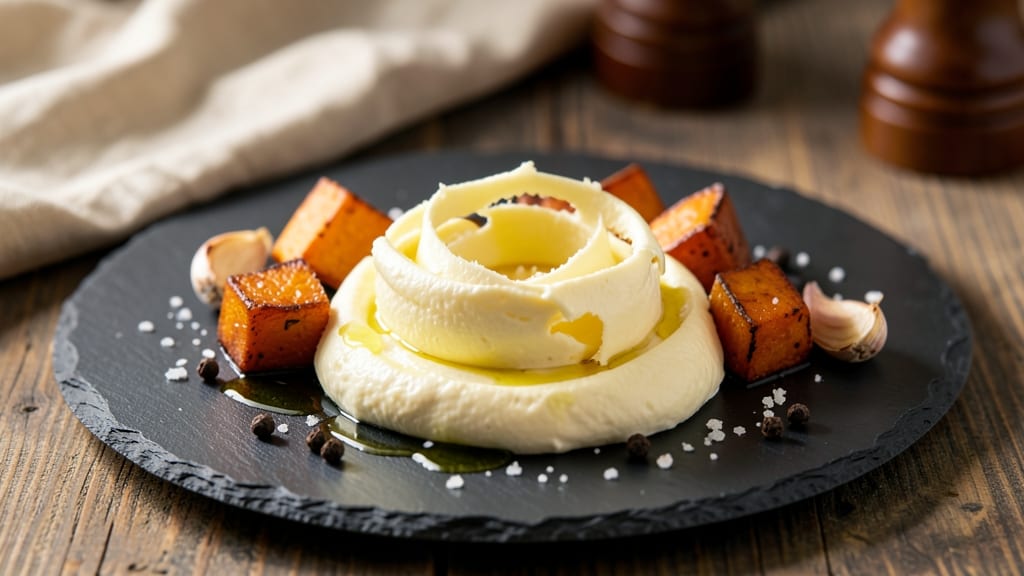
This sweet potato burrata recipe transforms humble ingredients into a restaurant-worthy dish that balances earthy sweetness with velvety Italian indulgence. The secret lies in roasting sweet potatoes until caramelized and tender, then pairing them with rich, creamy burrata cheese that melts at the first touch of heat.
It’s the kind of plate that feels both comforting and elegant—perfect for a summer dinner or a special weekend meal.
The magic happens in the contrast: crispy, golden sweet potatoes meet the cool, buttery richness of burrata, creating a harmony of textures and flavors. Roasting the sweet potatoes at high heat develops deep caramelization, while the burrata adds a luxurious creaminess that ties everything together.
This dish is simple yet impressive, requiring just a few key ingredients and minimal effort to deliver a result that feels like a gourmet experience.
What you’ll end up with is a dish that’s as beautiful as it is delicious—creamy cheese pulling slightly at the edges, sweet potatoes with crispy skins and tender centers, and optional garnishes like toasted nuts or a drizzle of balsamic glaze to elevate it further.
It’s the kind of meal that makes you feel like you’ve put in more effort than you actually did, all while delivering restaurant-quality satisfaction.
Pair it with a simple arugula salad or crusty bread to round out the plate, and you’ve got a complete, well-balanced dish that’s sure to impress. The best part?
It comes together in under an hour, making it ideal for weeknight dinners that still feel special. Let’s get started on creating this creamy, caramelized masterpiece.
Ingredients for sweet potato burrata
Sweet potatoes and creamy burrata—just these ingredients create a restaurant-worthy dish.
| Ingredient | Amount | Notes |
|---|---|---|
| Sweet Potatoes 🍠 | 2 lb | Medium to large, peeled and cubed |
| Olive Oil 🫒 | ½ cup | Extra-virgin for roasting |
| Burrata Cheese 🧀 | 1 whole | Fresh, room temperature |
| Garlic Cloves 🧄 | 4 cloves | Minced for seasoning |
| Sea Salt 🧂 | 1 ½ tsp | Diamond Crystal preferred |
| Black Pepper 🌶️ | ½ tsp | Freshly ground preferred |
| Honey 🍯 | 1 tbsp | For drizzling |
| Toasted Pecans 🥜 | ¼ cup | Chopped for garnish |
| Balsamic Glaze 🍷 | 2 tbsp | Reduction for drizzling |
| Fresh Basil Leaves 🌿 | ¼ cup | Chopped for garnish |
| Crusty Bread 🍞 | 1 package | For serving, sliced |
The sweet potatoes are the star, so pick firm ones with smooth skin—Trader Joe's or Whole Foods usually have the best selection. Medium to large ones work perfectly, and peeling them first saves time. Burrata? Freshness is everything—look for it wrapped in cheesecloth or wax paper, with a creamy center that barely holds its shape. If you can't find burrata, mozzarella di bufala is a decent substitute, though it won’t be as luxurious. The olive oil should be extra-virgin, fruity, and peppery—California brands like Corto or Colavita are my go-tos.
No balsamic glaze? Red wine vinegar plus a pinch of sugar makes a quick substitute, though it won’t be as thick or rich. Toasted pecans can be swapped for walnuts or almonds if you prefer, but pecans have that buttery crunch that pairs perfectly. Fresh basil is ideal, but if you’re using dried, reduce the amount to one-third—it’s way more potent. The honey adds just the right touch of sweetness, but if you’re avoiding sugar, maple syrup works too. For the crusty bread, a baguette or sourdough loaf (sliced and toasted) adds the perfect crunch to soak up any leftover burrata cream.
Sweet potatoes keep in a cool, dark place for 2 weeks, but roast them the same day for best texture. Burrata should be used within 2 days of purchase—once opened, store it in its original container with a paper towel pressed on top. The roasted sweet potatoes reheat beautifully in the oven at 350°F for 10 minutes. For meal prep, roast extra sweet potatoes and store them separately; assemble the dish just before serving to keep the burrata creamy. Garnishes like the balsamic glaze and toasted pecans can be prepped ahead, but add them fresh for the best presentation.
Why You'll Love This Recipe
- One-Pan Magic: I swear by this—roast the sweet potatoes and garlic together, then just tear in the burrata. No extra dishes, no fuss. The oven does all the work while I sip my wine (or coffee, no judgment).
- Creamy-Garlicky Bliss: That first bite—warm, caramelized sweet potatoes with cool, buttery burrata? It’s like a hug for your taste buds. The garlic oil soaks into the cheese, making it ridiculously good with zero effort.
- Weeknight or Date Night: Throw it together for a lazy Tuesday or dress it up with fresh basil and chili flakes for a fancy dinner. Same ingredients, totally different vibes. Honestly, I’ve served it both ways—no one ever cared.
- Budget-Friendly Luxury: Sweet potatoes and garlic stretch a long way, while burrata feels indulgent. Here’s the trick: use half a ball of burrata per serving, and you’ll have leftovers that taste just as good the next day—wrapped in foil, reheated briefly. Win.
Step-by-step instructions for sweet potato burrata
Here's how to transform humble sweet potatoes into a decadent, creamy masterpiece that'll impress anyone.
Roast the Sweet Potatoes to Caramelized Perfection
Preheat your oven to 425°F and line two baking sheets with parchment paper. Toss the 2 lb sweet potatoes (already peeled and cubed) with 0.5 cup olive oil, 1.5 tsp sea salt, and 0.5 tsp black pepper until evenly coated. Spread them in a single layer, leaving space between each cube for even browning.
Roast for 25-30 minutes, flipping halfway through, until the edges are deep golden brown and a knife slides in easily with just slight resistance. The cubes should be tender but still hold their shape—overcooking makes them mushy. I like to test one piece by pressing it gently; it should feel soft inside but offer a slight bite. Remove from oven and let them cool slightly while you prepare the burrata.
Prepare the Burrata Centerpiece
While the sweet potatoes roast, take the whole burrata cheese out of its packaging and place it on a plate. Let it sit at room temperature for 10-15 minutes—this makes it easier to handle and prevents it from tearing when you cut it. I like to gently press the top with my thumb to flatten it slightly, creating a wider surface for serving.
Keep the burrata covered with a clean kitchen towel to prevent drying. This step is crucial because cold burrata can be rubbery and difficult to work with. The room temperature treatment ensures that creamy, luxurious texture we all love.
Assemble the Sweet Potato Burrata
When the sweet potatoes are cool enough to handle (but still warm), transfer them to a serving platter. Create a small well in the center of the roasted cubes and gently place the burrata in the middle. The heat from the sweet potatoes will keep it warm while adding a beautiful contrast in temperature.
Drizzle the entire dish with 1 tbsp honey and 2 tbsp balsamic glaze, letting them pool around the burrata. The honey adds a subtle sweetness that complements the earthy sweet potatoes, while the balsamic glaze brings a tangy depth. Sprinkle with 0.25 cup toasted pecans and 0.25 cup chopped fresh basil leaves—the pecans add crunch, and the basil brings a fresh herbal note that cuts through the richness.
Serve with Warm Crusty Bread
Slice the package of crusty bread into thick pieces and toast them lightly in a dry skillet or under the broiler until golden and crisp. The bread should be warm but not burnt—just enough to hold up to the creamy burrata without getting soggy.
Arrange the toasted bread around the platter and serve immediately. The contrast of warm bread, creamy burrata, and caramelized sweet potatoes creates a perfect balance of textures and temperatures. Each bite delivers that luxurious creaminess promised in the title, with every element working together in harmony.
Pro Tips For Making Sweet Potato Burrata
- ROAST POTATOES UNTIL TENDER: I learned this the hard way—sweet potatoes need to be fork-tender, not just browned. Roast them at 400°F (200°C) for 45-50 minutes, flipping halfway, until a knife slides in like butter. If they’re still firm, they’ll turn to mush when they meet the burrata’s creaminess.
- PEEL GARLIC RIGHT: Don’t crush those cloves with your knife—peel them first, then smash them flat with the side of your blade. This keeps them from burning into bitter bits while still releasing all that garlicky magic into the olive oil.
- SALT THE POTATOES BEFORE OIL: Add a generous pinch of salt to the sweet potatoes before drizzling olive oil—it seasons the flesh evenly and prevents bland spots. Trust me, your taste buds will notice the difference.
- SERVE BURRATA IMMEDIATELY: Burrata’s texture is delicate—if you let it sit out too long, it’ll weep and turn rubbery. Plate the roasted potatoes first, then tear open the burrata right at the table so the warm oil pools around it. The contrast is what makes this dish sing.
Dietary considerations for sweet potato burrata
Gluten-Free Adaptations
This dish is naturally gluten-free as written, but I always double-check my ingredients—especially the crusty bread. Opt for a gluten-free baguette or sourdough made with certified gluten-free flour blends like King Arthur or Bob's Red Mill.
The roasted sweet potatoes and burrata remain completely safe, but always verify labels on honey, balsamic glaze, and any store-bought garnishes like toasted pecans (some brands process nuts in shared facilities). 🌾
Dairy-Free Substitutes
For a dairy-free version, swap the burrata for vegan mozzarella made from cashews or coconut (brands like Miyoko's work beautifully). The texture won't be identical, but it captures the creamy essence.
You can also create a cashew cream by blending 1 cup soaked cashews, ½ cup water, 1 tbsp lemon juice, and ½ tsp salt until smooth. This adds richness without dairy. The sweet potatoes and honey remain dairy-free, making this a surprisingly adaptable dish.
Nut-Free Options
Skip the toasted pecans and replace them with sunflower seeds or pumpkin seeds for crunch. Toast them in a dry skillet for 2-3 minutes until golden and fragrant. If you're avoiding seeds too, simply omit the garnish or use crispy fried shallots (available at Asian markets) for a savory contrast.
The dish still shines without nuts—it's all about balancing textures, and these alternatives deliver just as well. 🥜
Lower-Sugar Adjustments
Reduce the honey to just ½ tbsp or swap it for 1 tsp maple syrup to cut sugar content. The natural sweetness of roasted sweet potatoes carries the dish beautifully. For extra depth, add ½ tsp cinnamon to the olive oil when roasting—it enhances sweetness without sugar.
If you're avoiding all added sweeteners, the balsamic glaze provides enough tang to balance the sweet potatoes naturally. The burrata's creaminess rounds out the flavors perfectly.
Vegetarian & Vegan Considerations
This recipe is already vegetarian, but for vegan adaptations, use the cashew cream mentioned earlier and ensure all garnishes are plant-based. The roasted sweet potatoes provide hearty substance, while the vegan cheese or cashew cream delivers that creamy luxury.
I've served this vegan version at potlucks—it's always a crowd-pleaser. The key is emphasizing texture contrasts: crispy sweet potatoes, creamy cashew base, and crunchy seeds or shallots all work together to create a satisfying plate. 🌱
Nutrition facts
Frequently asked questions
Can I use regular mozzarella instead of burrata?
You can, but you'll miss the luxurious texture that makes burrata special. Burrata's creamy center and delicate rind create that signature pull-apart experience. For a similar effect, try mozzarella di bufala—it's richer than regular mozzarella and closer in flavor, though not as creamy. If you're set on mozzarella, look for fresh, high-quality low-moisture mozzarella and slice it thickly for a better texture.
How do I prevent the sweet potatoes from turning mushy?
Roast them at 425°F for 25-30 minutes total, flipping halfway through. The key is spacing them out on the baking sheet so they brown evenly. Overcrowding traps steam, making them soggy. Test doneness with a knife—it should slide in easily with slight resistance. If they're still firm after 30 minutes, give them another 5-10 minutes at 400°F.
Can I make this ahead of time?
Roast the sweet potatoes up to 2 days ahead and store them at room temperature in an airtight container. Reheat in a 350°F oven for 10 minutes before serving. Keep the burrata separate until serving—it's best enjoyed fresh and creamy. Assemble the dish just before eating to maintain that restaurant-quality texture. The balsamic glaze and honey can be prepped ahead, but add them fresh for the best presentation.
What's the best way to serve this dish?
This recipe works beautifully as a standalone appetizer or light main course. For a complete meal, pair it with a simple arugula salad (tossed with lemon vinaigrette) or a garlic sautéed green beans. The contrast of bitter greens or crisp vegetables balances the richness of the burrata. Serve with extra crusty bread for dipping into any leftover creamy cheese—it's always a crowd favorite!
Why does my burrata look different from what I see in photos?
Burrata's appearance varies based on freshness and brand. The creamy center should be soft but not runny, and the outer mozzarella shell should be slightly sticky. If your burrata has a very firm center or looks dry, it may be older. For best results, choose burrata wrapped in cheesecloth or wax paper—these brands tend to stay fresher longer. If yours is too firm, let it sit at room temperature for 15-20 minutes before serving.